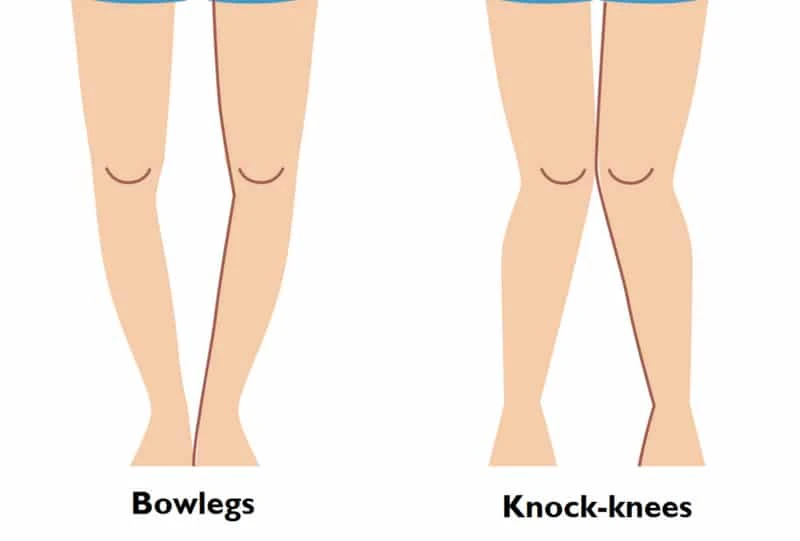

Many parents are understandably concerned when they notice their baby’s legs curving outward, forming a bow-like shape. Popularly termed as bowlegs or genu varum, it is usually seen in children below the age of three years. Of course, many of these symptoms are related to general body development, but sometimes they indicate a severe illness.
Overview of the Bowlegged Condition
Bowlegs are also known as gap legs and can be described as a situation where a child’s knees are wide apart, but his or her feet and ankles are together. It results from an involuntary condition widespread in babies as a result of their contorted position in the womb.
In most instances, especially once the child starts walking and putting some weight on them, the legs will then fold or rather stand straight. He may have bowlegs if he is between the ages of two and three because it is common for kids not to have it when they grow up.
Effective Treatments for Bowlegs
In cases where the condition persists beyond early childhood, worsens over time, or is caused by underlying medical issues, the bow legged baby treatment may be necessary. The treatment of the condition also depends on the severity of the condition and its cause.
The mild cases can be managed by periodic examination of patients and then some major cases may require physical exercise, brace wearing, or even operation in severe cases.
Pathological problems such as rickets, Blount’s disease, or dysplasias direct bowing, as do toe deformities resulting from an injury. In such cases, there is the need to ensure that the problem is detected early and an intervention is made.
An important component of the treatment course is the prescription of nutrients in particular vitamins, including vitamin D, in case of the presence of rickets.
Signs It’s Time to See a Doctor for Bowlegs
Thus, it is possible to observe that quite often, some cases go away on their own but there is always a need to know when to consult a doctor. Certain indications would require you to see a pediatric orthopedic surgeon, namely if:
- The bowing is severe or getting worse after age two.
- Only one leg is affected.
- Your child is in pain, limping, or has difficulty walking.
- There is a family history of bone disorders.
- Your child’s height and growth appear abnormal.
These could be symptoms of a more severe disorder and should be confirmed by the help of professionals and specialist.
Ways to Reduce the Risk of Bowlegs
While some are genetic or result from developmental conditions, there are certain things parents can do to promote the proper growth of the bones. Poor intake of vitamin D and calcium in the early years of development in a woman’s life, particularly during pregnancy and infancy, must not be taken lightly.
Other preventative measures include, frequent follow-up, promoting safe activity, and delayed use of those devices that may cause poor alignment of the legs in growing children.
Conclusion
If you are concerned about bow legged baby posture or bowlegged baby treatment, visit Trishla Ortho for the best evaluation. They boast a long-standing service in the field of pediatric orthopedics, executing unmatched procedures and offering genuine care to the children.
Do not take your young one’s development hitting the limits of chance and irregularity, see the specialists at Trishla Ortho that care about your child’s future locomotion and solidity.


























Sign in to leave a comment.