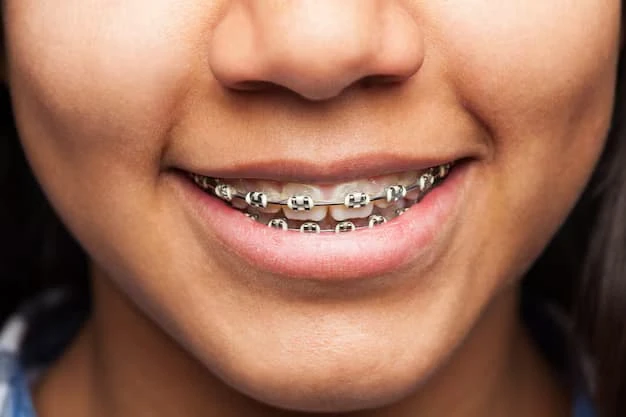

Braces have become a familiar solution for people who want a straighter smile and better oral health. While many think of metal brackets from childhood, orthodontic care has advanced far beyond that.
Today, Braces come in different styles, offer smoother treatment experiences, and support long-term dental stability. This guide walks you through how Braces work, who they can help, and the stages of treatment you can expect
Understanding Why Braces Matter
Crooked teeth don’t just affect appearance. They can create bite problems, uneven wear, and difficulty keeping your teeth clean. Braces apply gentle pressure over time to reposition teeth. This helps align the smile and improve function. When teeth sit in the right place, chewing becomes easier, speech improves, and oral hygiene becomes simpler.
An orthodontist evaluates the bite, spacing, and tooth movement needs. With that information, they design a plan suited to the structure of your mouth. This level of personalization is one reason Braces remain one of the most trusted orthodontic treatments.
Different Types of Braces
Not everyone needs the same approach. Understanding the main types of Braces helps patients choose what fits their lifestyle and comfort level.
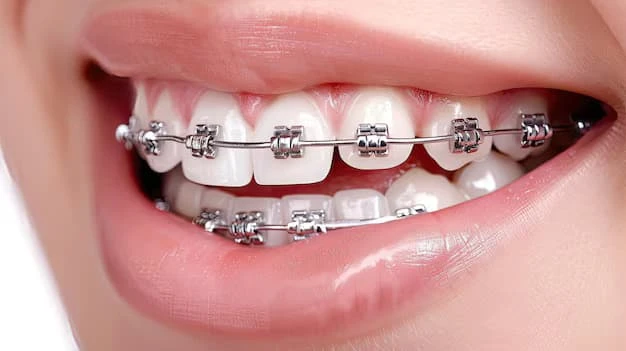
Metal Braces
These remain the most common option. They are strong, predictable, and suitable for almost every dental concern. Modern versions are smaller and more comfortable than older models.
Ceramic Braces
These work like metal ones but use tooth-colored brackets that blend into the smile. Many teens and adults prefer ceramic Braces because they are less noticeable.
Lingual Braces
These attach to the back of the teeth, keeping them hidden. They provide effective correction but require more customization.
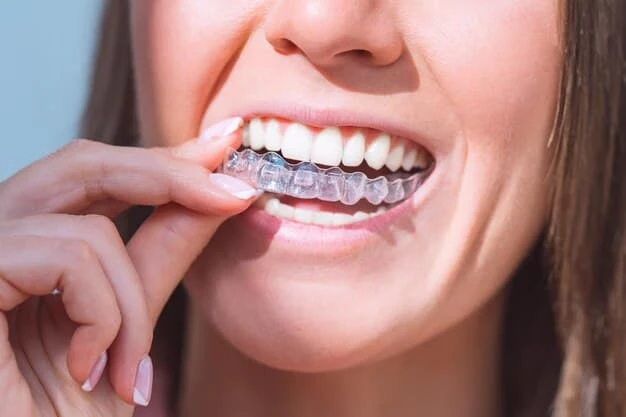
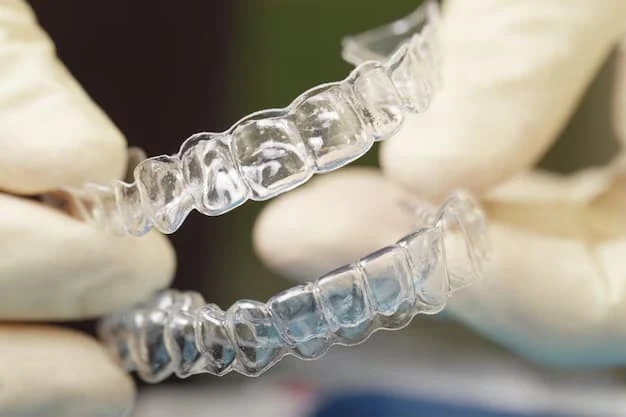
Clear Aligners
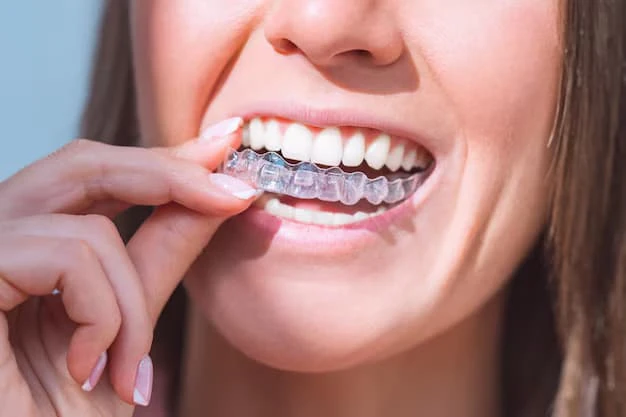
Though not traditional Braces, clear aligners move teeth using custom trays worn throughout the day. They are removable and discreet, making them popular among adults.
Each type has advantages depending on lifestyle, treatment needs, and budget. A professional orthodontic evaluation helps determine the right choice.
What to Expect During Treatment
Getting Braces starts with a full exam. The orthodontist reviews digital scans, X-rays, and photographs. These tools help create a precise treatment map. Once Braces are placed, adjustments happen every few weeks. These visits keep progress moving and ensure the teeth shift safely.
Some soreness is normal after adjustments. It usually fades within a few days. Most patients return to regular routines quickly. Eating softer foods and using orthodontic wax can help early in treatment.
Good cleaning habits remain essential. Braces create more areas where food can get stuck. A careful brushing and flossing routine prevents plaque buildup, staining, and gum issues.
How Long Braces Take
Treatment time varies. Most people wear Braces for 12 to 24 months. More complex cases may take longer, while mild issues can finish faster. The timeline depends on how the teeth respond and how well the patient follows instructions.
Wearing elastics, attending appointments, and maintaining good oral care all support faster, smoother progress.
Benefits Beyond Straight Teeth
The benefits of Braces stretch beyond looks. Aligned teeth reduce the risks linked to overcrowding and misalignment. This includes jaw strain, uneven tooth wear, and increased cavity risk. Once treatment ends, retainers help maintain results and keep the smile stable.
Many patients notice improved confidence as their smile transforms. Healthier alignment contributes to clearer speech and easier eating, making Braces an investment in long-term wellbeing.
Choosing a Trustworthy Orthodontic Provider
Successful treatment depends on proper planning and expert care. Look for an orthodontist with strong educational credentials, experience in treating various bite issues, and clear communication. Reading reviews, asking questions, and reviewing before-and-after photos can help build trust.
A reliable provider will explain every option, discuss realistic timelines, and help you understand the commitment required. They will also guide you through after-care once the Braces come off.
Cost Considerations
The cost of Braces varies based on the type chosen, the length of treatment, and the complexity of the dental issue. Many practices offer payment plans to make care more manageable.
During the consultation, patients receive a full breakdown of fees, insurance details, and expected milestones. Being informed helps families plan with confidence.
Conclusion
Braces remain one of the most proven ways to improve dental alignment, oral health, and overall confidence. Whether metal, ceramic, lingual, or aligners, each option supports long-term stability and function.
With expert guidance and steady follow-through, treatment becomes a straightforward journey toward a healthier smile. Choosing Braces means investing in comfort, confidence, and lifelong oral wellness.




























Sign in to leave a comment.