
Orthodontic treatment has changed significantly over the past few decades. Many patients today want to correct crooked teeth or bite issues while keeping their treatment discreet. Because of this, clear orthodontic options have become more common. Two popular choices are Invisalign and invisible braces.
Both methods aim to improve tooth alignment and support better oral health. However, they work in different ways and may suit different dental needs. Learning how Invisalign compares with invisible braces helps patients decide which treatment may work better for their situation.
Understanding Invisalign Treatment
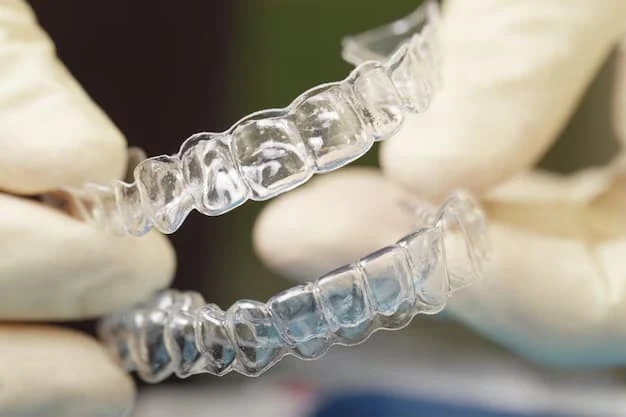
Invisalign is a clear aligner system designed to move teeth gradually using removable plastic trays. Each tray fits closely over the teeth and gently guides them into the desired position.
Patients usually receive a series of custom-made aligners. Each aligner is worn for about one to two weeks before moving to the next stage.
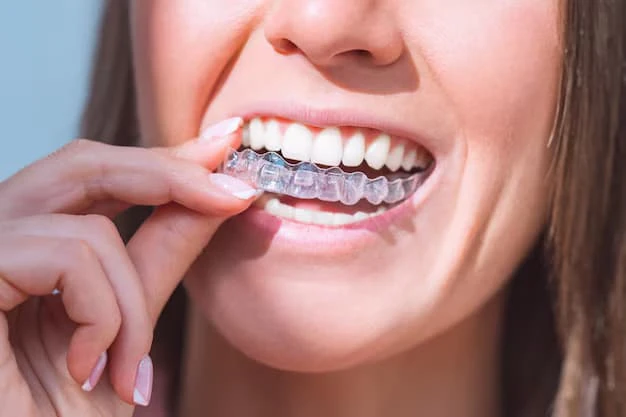
One of the reasons many patients choose Invisalign is the transparent appearance of the aligners. They are less noticeable when speaking or smiling, which makes them appealing for teenagers and adults.
The aligners can also be removed while eating or brushing, allowing patients to maintain their regular oral hygiene routine.
What Are Invisible Braces?
Invisible braces usually refer to braces that are designed to be less noticeable than traditional metal braces. These may include ceramic braces or other tooth-coloured orthodontic systems.
Unlike Invisalign, invisible braces are attached to the teeth using brackets and wires. The brackets are made from materials that blend with the natural colour of the teeth.
Because of this design, invisible braces remain less visible than metal braces while still providing the strength of a fixed orthodontic appliance.
Orthodontists often recommend invisible braces when patients require more controlled tooth movement.
Appearance and Visibility
Appearance is one of the main factors patients consider when choosing orthodontic treatment. Both Invisalign and invisible braces aim to provide discreet solutions.
Invisalign aligners are clear and removable, which makes them difficult to notice during daily conversations. Many patients appreciate this subtle appearance in professional and social environments.
Invisible braces also offer a less noticeable option compared with traditional braces. However, the brackets and wires remain attached to the teeth, which means they may still be slightly visible.
For patients who want minimal visibility during treatment, Invisalign may feel more discreet.
Comfort During Treatment
Comfort is another factor patients often consider. Because Invisalign aligners are made from smooth plastic, they usually cause less irritation inside the mouth.
Patients may feel mild pressure when switching to a new aligner, but this sensation is part of the process that moves the teeth.
Invisible braces use brackets and wires, which may occasionally cause irritation to the cheeks or lips, especially during the early stages of treatment.
Orthodontists often provide dental wax to help reduce this discomfort.
Both treatment methods are designed to guide tooth movement safely, but many patients find Invisalign slightly more comfortable because of its smooth design.
Eating and Daily Habits
Another difference between these treatments involves eating habits. Patients using Invisalign remove their aligners before eating meals.
This allows them to enjoy most foods without worrying about damaging orthodontic appliances. After eating, patients brush their teeth before placing the aligners back in the mouth.
Invisible braces remain attached to the teeth throughout treatment. Because of this, patients may need to avoid certain foods such as hard sweets, chewing gum, or very crunchy snacks.
These dietary adjustments help protect the brackets and wires during treatment.
For patients who prefer flexibility during meals, Invisalign offers greater convenience.
Oral Hygiene and Maintenance
Maintaining good oral hygiene is important during orthodontic treatment. Crooked teeth and orthodontic appliances can trap food particles and plaque.
Patients using Invisalign can remove the aligners when brushing and flossing. This allows them to clean their teeth normally.
With invisible braces, brushing and flossing require extra care around the brackets and wires. Orthodontists often recommend special brushes or floss tools to help clean around these areas.
Many patients find that oral hygiene feels simpler with Invisalign because the aligners are removable.
Treatment Suitability
Both treatment options can correct many orthodontic issues, but their suitability may vary depending on the dental condition.
Invisalign works well for mild to moderate alignment concerns such as small gaps or slightly crowded teeth.
Invisible braces may be recommended for more complex cases that require stronger control over tooth movement.
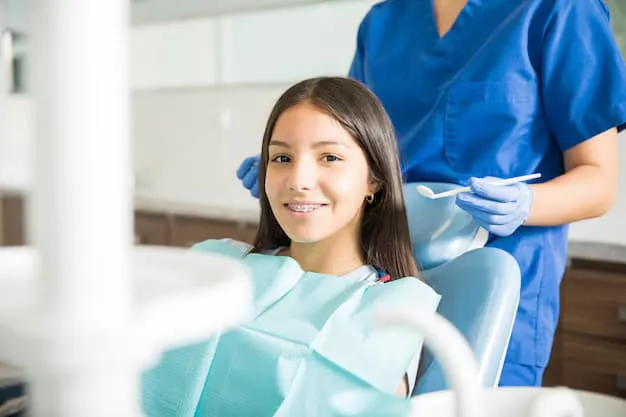
An orthodontist evaluates the teeth and bite carefully before suggesting the most suitable treatment.
Patients interested in Invisalign should schedule a consultation to determine whether aligner treatment is appropriate for their dental needs.
Treatment Duration
The length of orthodontic treatment varies depending on the complexity of the case. Many treatments last between twelve and twenty-four months.
Patients using Invisalign change aligners regularly throughout treatment, while those with invisible braces attend adjustment appointments where the orthodontist tightens the wires.
Both methods require regular monitoring to ensure teeth are moving according to the treatment plan.
Following the orthodontist’s instructions helps achieve successful results regardless of the chosen method.
Final Thoughts
Modern orthodontic care offers several options for patients who want straighter teeth without highly visible metal braces. Invisalign and invisible braces both provide discreet alternatives that support improved dental alignment.
Each treatment has its own advantages related to comfort, appearance, and daily routine. By discussing treatment options with an orthodontist, patients can determine whether Invisalign or invisible braces are more suitable for their dental condition and personal preferences.



























Sign in to leave a comment.