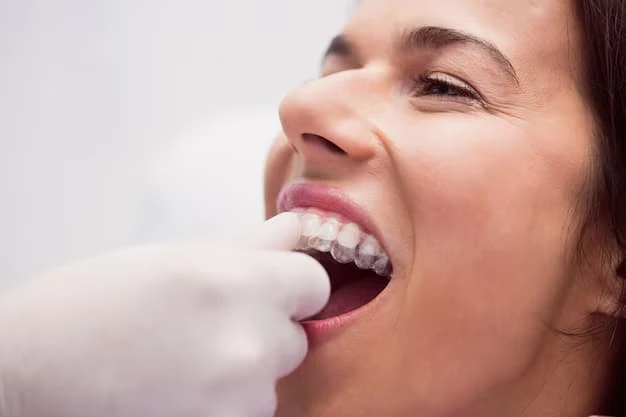

After orthodontic treatment ends, the real work of keeping teeth in place begins. This is where retainers play a critical role. Over the years, patients and dentists have debated the long-term value of removable retainers versus fixed ones. Recent research and patient outcome data now offer clearer insight, especially when comparing an Invisalign Retainer with fixed retainers.
Rather than focusing on preference alone, long-term data helps explain how each option performs over time and what patients should realistically expect.
Why Retention Matters Long After Treatment
Teeth are held in place by soft tissues that continue to adapt even after braces or aligners are removed. Dental research consistently shows that without retention, teeth tend to shift back toward their original position.
Studies following orthodontic patients over 10 years or more confirm that retention is not a short-term step. This is why the choice between an Invisalign Retainer and a fixed retainer has lasting importance.
Understanding the Invisalign Retainer
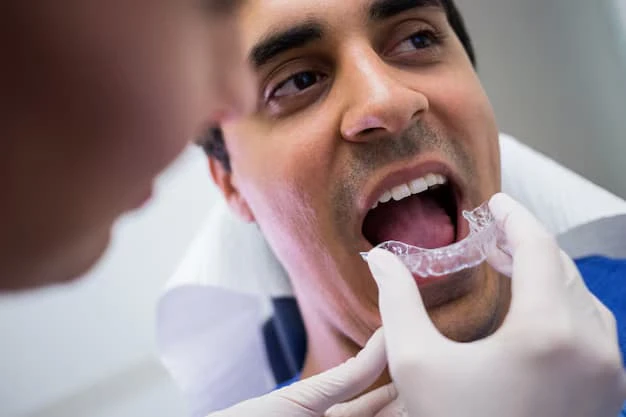
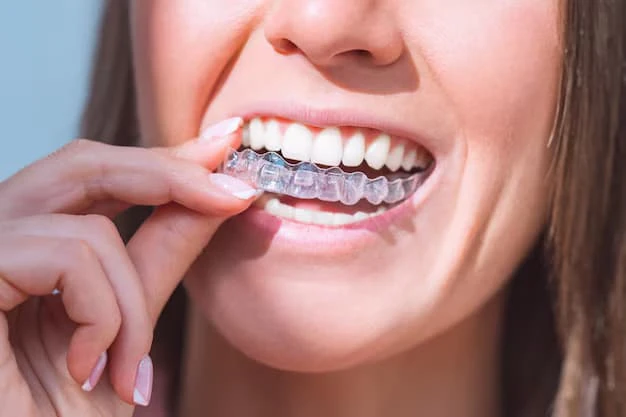
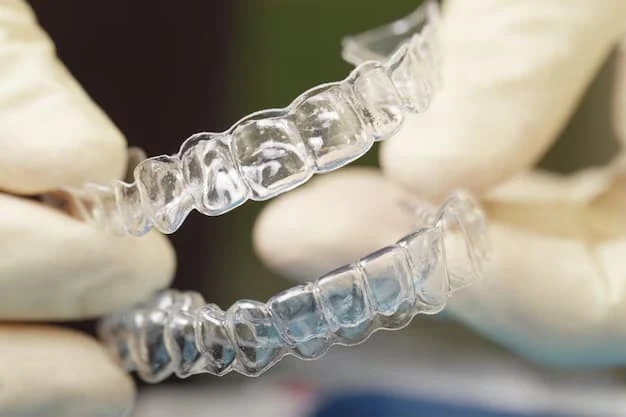
An Invisalign Retainer is a removable, clear retainer designed to maintain tooth alignment after treatment. It is custom-made using digital scans, which helps ensure a close and comfortable fit.
Long-term studies show that patients who wear an Invisalign Retainer as directed maintain alignment effectively, especially when compliance is high. Because it is removable, patients can clean both the retainer and their teeth thoroughly, supporting better oral hygiene over time.
What Fixed Retainers Offer
Fixed retainers are thin wires bonded to the back of the teeth, usually on the lower front teeth. They are not removable and work continuously without patient effort.
Long-term orthodontic data shows that fixed retainers are effective at preventing relapse in specific areas, particularly where teeth are more likely to crowd. Because they are always in place, they do not rely on daily wear habits.
Compliance vs Convenience
One major difference highlighted in long-term studies is compliance. An Invisalign Retainer requires consistent wear, especially at night. Research shows that patients who follow wear instructions closely maintain results similar to those with fixed retainers.
However, studies also show that inconsistent use can lead to gradual shifting. Fixed retainers remove this risk, but they introduce other considerations related to hygiene and maintenance.
Oral Hygiene and Long-Term Health
Hygiene plays a big role in long-term outcomes. Dental studies indicate that removable retainers allow for easier brushing and flossing. Patients using an Invisalign Retainer can clean their teeth normally, which helps reduce plaque buildup and gum irritation.
Fixed retainers, while effective, can make flossing more difficult. Long-term data links fixed retainers to a slightly higher risk of tartar buildup if cleaning is not done carefully. This does not mean fixed retainers are unsafe, but they require extra attention.
Durability and Maintenance Over Time
Durability is another factor where long-term data provides insight. An Invisalign Retainer may need replacement over time due to wear or changes in fit. Studies show that with proper care, these retainers can last several years, but periodic replacement is common.
Fixed retainers can also fail. Research indicates that bonding can weaken over time, leading to detachment or wire distortion. These issues require professional repair, which patients may not notice immediately.
Comfort and Daily Life
Patient-reported outcome studies show that comfort affects long-term satisfaction. Many patients report that an Invisalign Retainer feels smooth and natural, especially during sleep. Its removability also makes eating and speaking easier.
Fixed retainers may feel unnoticed most of the time, but some patients report tongue irritation or awareness of the wire. Long-term comfort varies by individual and placement.
Flexibility as Needs Change
Life changes such as dental work, aging, or bite shifts can affect retention needs. An Invisalign Retainer offers flexibility because it can be adjusted or replaced as needed.
Long-term orthodontic data suggests that adaptability supports better outcomes as patients age. Fixed retainers are less flexible and may require removal or modification if dental changes occur.
What Long-Term Data Suggests Overall
When looking at long-term results, studies do not show one universal winner. Instead, success depends on patient habits, oral hygiene, and follow-up care.
Patients who wear an Invisalign Retainer consistently and maintain good hygiene show strong long-term stability. Fixed retainers perform well in preventing relapse in specific areas but require careful cleaning and monitoring.
Summary
Long-term data show that both removable and fixed retainers can successfully maintain orthodontic results when used properly. An Invisalign Retainer offers flexibility, hygiene benefits, and comfort, while fixed retainers provide constant support without daily effort.
The best outcomes come from informed choices, realistic expectations, and ongoing care. Retention is not a final step; it is a long-term commitment that protects the results of orthodontic treatment for years to come.


























Sign in to leave a comment.