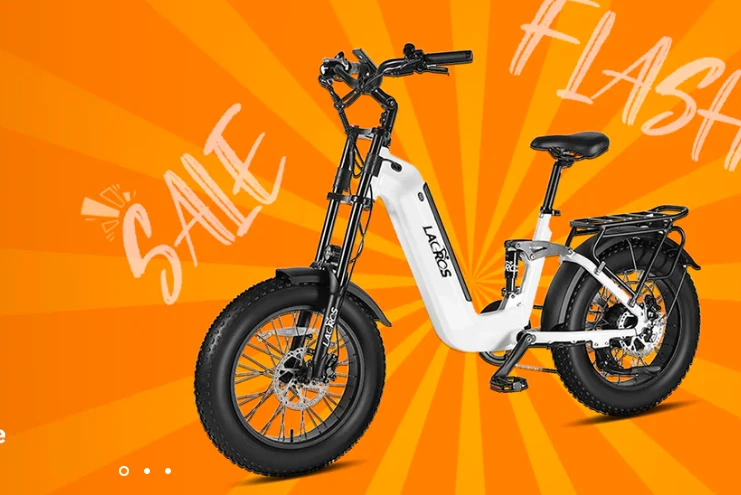

Electric bikes offer an efficient and enjoyable way to travel, but many riders wonder how they perform in bad weather. Rain, wind, and wet conditions can raise questions about safety, durability, and reliability. The good news is that most electric bikes for cities are built to handle light to moderate rain, but there are some important considerations to keep in mind.
First, it’s important to understand that electric bikes are not completely waterproof, but many are water-resistant. This means they can tolerate splashes and rain without damage, as long as you avoid deep puddles and submersion. The key components—such as the motor, battery, and display—are usually sealed to prevent water from getting inside during normal riding conditions.
When riding in the rain, safety becomes a top priority. Wet roads can reduce traction, so it's important to slow down, take turns carefully, and avoid sudden braking. Tires with good tread make a big difference in helping you maintain control. If your e-bike has smooth or worn tires, consider switching to a design better suited for wet surfaces.
Brakes are another critical factor. Disc brakes generally perform better than rim brakes in wet conditions, offering more consistent stopping power. Keep your braking distance in mind, as wet surfaces can increase the time it takes to come to a complete stop.
Visibility is also essential during bad weather. Rain can make it harder for drivers and pedestrians to see you. Wear bright or reflective clothing, and make sure your bike has functioning front and rear lights. Even during the daytime, added visibility helps others notice you on the road.
Protecting the bike itself is part of riding in wet weather. Fenders can prevent water and mud from splashing onto your clothes and bike components. After riding, wipe down the bike to remove moisture, paying special attention to the chain, battery connections, and frame. Keeping the bike clean and dry can help prevent rust and maintain performance.
Storing your electric bike properly after a wet ride is just as important. Avoid leaving it outside in the rain for extended periods. If possible, bring the bike indoors or under shelter to dry. Removing the battery before storing can also protect the electronic systems and extend battery life.
While most electric bikes can handle rain, extremely harsh weather should be avoided. Flooded streets, heavy storms, or freezing conditions can pose safety risks and potentially damage your bike. Always use your best judgment and know when it's better to stay off the road.
In summary, riding an electric bike in the rain is safe and practical with the right precautions. With proper gear, careful handling, and routine maintenance, your e-bike can serve you well through all kinds of weather.
























Sign in to leave a comment.