
Cooking is an art, and like any artist, a chef—whether home-based or professional—relies on the best tools to craft a masterpiece. One of the most crucial tools in any kitchen is cookware. While non-stick, stainless steel, cast iron, and aluminum cookware have been widely used, there has been a growing resurgence in traditional materials like brass cookware. But is brass truly the best choice for healthy cooking? Let’s explore its benefits and compare it with other cookware options to help you make an informed decision.
Understanding Brass Cookware
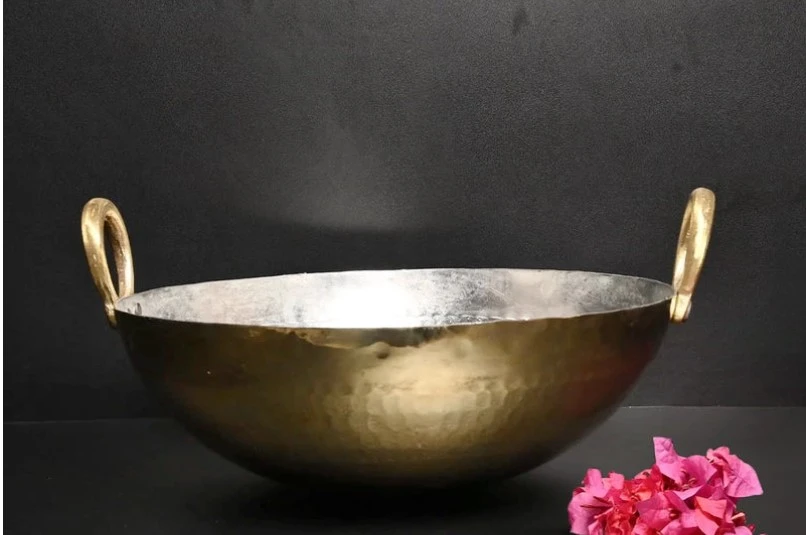
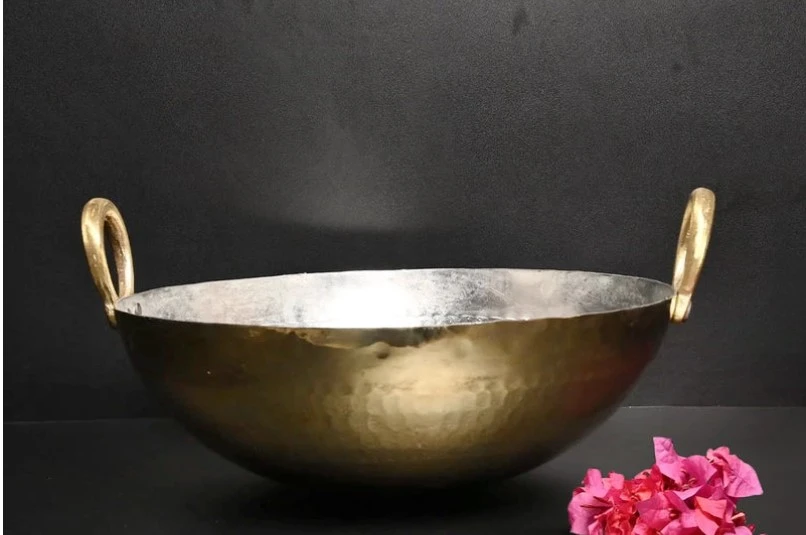
Brass is an alloy of copper and zinc, combining the benefits of both metals to create durable and aesthetically pleasing cookware. Historically, brass has been widely used in Indian and Middle Eastern kitchens, where cooking techniques prioritize flavor enhancement and health benefits.
Health Benefits of Brass Cookware
- Boosts Immunity – The presence of copper in brass cookware may support immune function and aid in digestion by stimulating enzyme production.
- Enhances Flavor – Many traditional cooks swear by the ability of brass cookware to enhance the natural taste of food.
- Even Heat Distribution – Brass is an excellent conductor of heat, ensuring food is cooked evenly without hot spots that could lead to burning.
- Alkaline Properties – Brass cookware neutralizes acidity in food, which is beneficial for digestion and may help in reducing acidity-related issues.
However, brass cookware must be lined with tin or stainless steel to prevent direct contact with acidic foods, as brass can react with acidic ingredients like tomatoes and lemons, leading to metal leaching.
Comparing Brass Cookware with Other Cookware Options
Let’s take a closer look at how brass fares when compared with other popular cookware materials.
1. Brass vs. Stainless Steel Cookware
Stainless Steel is one of the most commonly used cookware materials due to its durability and non-reactive nature.
- Health Factor: Stainless steel is non-toxic and does not leach harmful substances into food.
- Heat Retention: While stainless steel is durable, it is not the best heat conductor, requiring an aluminum or copper core for better performance.
- Maintenance: Stainless steel is easy to clean, resistant to rust, and does not require seasoning like cast iron.
Verdict: If you’re looking for a low-maintenance, non-reactive material, stainless steel is a good choice. However, it does not offer the alkaline benefits of brass.
2. Brass vs. Non-Stick Cookware
Non-stick cookware is popular for its convenience, but its health impact is debatable.
- Health Factor: Most non-stick cookware contains Teflon (PTFE) or PFOA, which can release toxic fumes when overheated.
- Heat Retention: Non-stick pans heat up quickly but do not offer even heat distribution like brass.
- Maintenance: Requires careful handling as the coating can chip, making it unsafe for long-term use.
Verdict: While non-stick cookware is great for low-oil cooking, the potential health risks from chemical coatings make brass a safer choice.
3. Brass vs. Cast Iron Cookware
Cast Iron cookware is a favorite among many chefs due to its excellent heat retention and durability.
- Health Factor: Cast iron leaches iron into food, which can be beneficial for those with iron deficiency but harmful for those with excess iron levels.
- Heat Retention: Retains heat exceptionally well, making it great for slow cooking and searing meats.
- Maintenance: Requires seasoning and is prone to rust if not properly cared for.
Verdict: Cast iron is an excellent cookware option, but for those looking for a material that enhances food without leaching excess metal, brass is a better alternative.
4. Brass vs. Aluminum Cookware
Aluminum cookware is lightweight and budget-friendly, making it a popular choice for many households.
- Health Factor: Aluminum is highly reactive, especially with acidic foods, leading to potential aluminum leaching, which has been linked to neurotoxicity.
- Heat Retention: Aluminum heats up quickly but also loses heat fast.
- Maintenance: Requires careful cleaning as it can develop pits and stains over time.
Verdict: Given the health risks associated with aluminum exposure, brass cookware is a significantly safer choice for health-conscious cooks.
How to Care for Brass Cookware
To ensure longevity and safety, brass cookware requires proper maintenance.
- Use Tin Lining – Always opt for brass cookware that is lined with tin or stainless steel to prevent reactions with acidic foods.
- Hand Wash Only – Avoid dishwashers as harsh detergents can tarnish brass.
- Regular Polishing – Use natural cleaners like lemon and baking soda to keep brass shiny and clean.
- Avoid Cooking Highly Acidic Foods – While lined brass cookware is safe, excessive use of acidic ingredients can wear down the lining over time.
Final Verdict: Is Brass Cookware the Best for Healthy Cooking?
If your priority is health, longevity, and enhanced flavors, brass cookware is an excellent choice. Unlike non-stick and aluminum cookware, it does not pose potential health risks. It also offers better heat conductivity compared to stainless steel. When properly maintained and lined with tin, brass cookware can be a safe and effective addition to your kitchen.
However, no single cookware is perfect for every cooking style. If you prefer high-heat searing, cast iron may be better. If you want low-maintenance, non-reactive cookware, stainless steel could be the right fit.
For those who value tradition, holistic cooking, and health benefits, brass cookware is a superior choice. It’s a timeless investment that not only adds beauty to your kitchen but also enhances your cooking experience.
So, if you're looking to upgrade your cookware for a healthier lifestyle, why not give brass cookware a try?




























Sign in to leave a comment.