
Are you tired of hopping from one exercise routine to another in search of the perfect weight loss solution? Look no further! Push Pull Legs, or PPL for short, is a popular and effective workout program that might just be the answer you've been seeking. If you're wondering whether PPL can help you shed those stubborn pounds and achieve your fitness goals, keep reading as we break it down for you. Whether you're new to fitness or a seasoned gym-goer, this blog post will explore is push pull legs effective or not, and discover its effectiveness in helping with weight loss. Get ready to discover a whole new way of sculpting your body and achieving lasting results!
What is Push Pull Legs?
What is Push Pull Legs (PPL)? It's a workout program that focuses on dividing your training into three main categories: push exercises, pull exercises, and leg exercises. The idea behind PPL is to target specific muscle groups during each session while giving other muscles time to rest and recover.
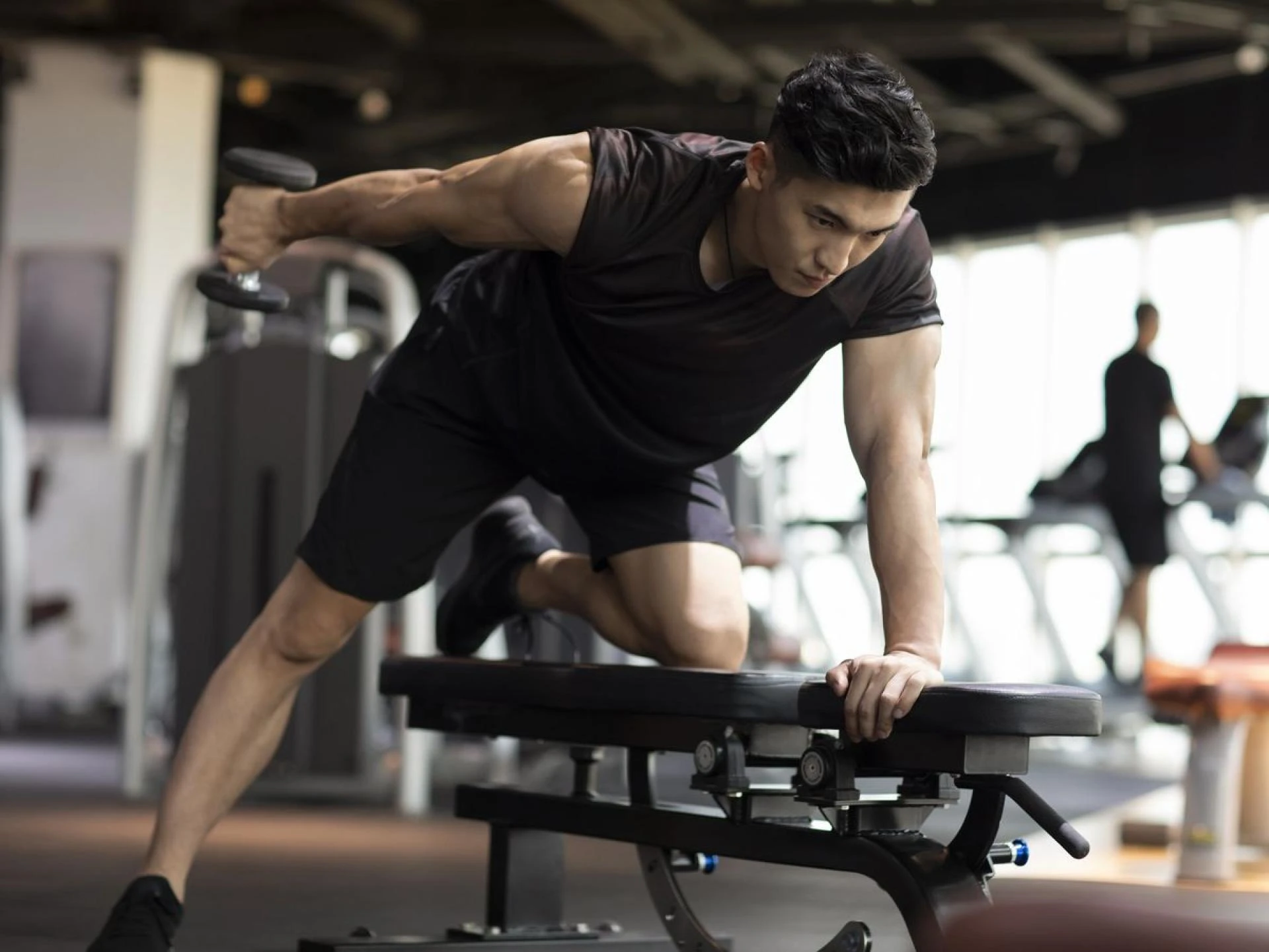
During the "Push" day, you'll be working on exercises that primarily involve pushing movements, such as bench presses, shoulder presses, and push-ups. These movements engage your chest, shoulders, and triceps.
On the "Pull" day, you'll focus on pulling movements like rows, pull-ups or lat pulldowns that target your back muscles and biceps. This helps create balance by strengthening opposing muscle groups.
Finally comes the "Legs" day where the emphasis is placed on lower body exercises like squats, lunges or deadlifts. This ensures that your legs get toned while also engaging other muscles in your core and glutes for stability.
Breaking down workouts in this way allows for maximum efficiency without overworking any particular muscle group. By targeting different areas of the body on separate days throughout the week, PPL helps prevent muscular imbalances and promotes overall strength development.
Stay tuned as we delve deeper into how this unique approach can aid with weight loss goals!
How Does PPL Work?
Push Pull Legs (PPL) is a workout routine that focuses on dividing your training sessions into three main categories: push exercises, pull exercises, and leg exercises. The goal of this workout program is to target different muscle groups on separate days, allowing for adequate recovery time and maximizing overall strength and muscle growth.
During the push workouts, you'll be focusing on movements like bench press, shoulder press, and tricep dips. These exercises primarily work your chest, shoulders, and triceps. On the other hand, pull workouts consist of movements such as pull-ups, rows, and bicep curls that mainly target your back muscles along with biceps. Leg workouts involve squats, lunges,and deadlifts to train your lower body.
By breaking up your training in this way,you can effectively distribute the workload across various muscle groups while giving each area enough rest between sessions to recover properly. This structure allows you to maintain intensity throughout each individual workout while preventing overtraining or burnout.
Additionally,PPL promotes metabolic effects through compound lifts which engage multiple large muscle groups simultaneously,resulting in higher calorie expenditure during every session. This increase in metabolism not only assists with fat burning but also helps improve cardiovascular fitness.
Who is PPL Effective For?
Push Pull Legs (PPL) is a workout routine that can be effective for individuals at various fitness levels and goals. Whether you are a beginner looking to shed some pounds or an experienced lifter aiming to build muscle and lose fat, PPL can cater to your needs.
For beginners, PPL provides a structured approach to weight loss by targeting different muscle groups on different days. This allows for adequate recovery time while still providing enough stimulus for progress. The simplicity of the program also makes it easy to follow, making it ideal for those who may be new to weightlifting.
Intermediate and advanced lifters can also benefit from PPL workout program because it can be easily customized based on individual preferences and goals. Whether you want to focus more on strength or hypertrophy, PPL allows you to tailor your workouts accordingly.
Additionally, if you enjoy variety in your training routine, then PPL might just be the perfect fit for you. The combination of push exercises (such as bench press or shoulder press), pull exercises (like rows or pull-ups), and leg exercises (squats or lunges) ensures that all major muscle groups are targeted effectively.
Whether you're a beginner or an experienced lifter, if you're looking for an efficient way to burn calories and build lean muscle mass simultaneously, then Push Pull Legs could very well be the answer! So give it a try and see how this versatile workout routine works wonders for your weight loss journey.
PPL and Weight Loss
When it comes to weight loss, the Push Pull Legs (PPL) workout routine can be a valuable tool in your fitness arsenal. PPL focuses on compound movements that engage multiple muscle groups, leading to increased calorie burn and fat loss.
The key to effective weight loss with PPL lies in its ability to promote both strength training and cardiovascular exercise. The push exercises such as bench press and overhead press target the muscles of the chest, shoulders, and triceps. The pull exercises like rows and pull-ups work the back, biceps, and rear delts. The leg exercises such as squats and lunges hit the lower body muscles.
By incorporating these three types of movements into your workouts, you're able to maximize calorie expenditure both during your sessions and throughout the day due to an increase in metabolism. Additionally, PPL allows for adequate rest days between each muscle group's workout session while still maintaining a consistent exercise routine.
Pros and Cons of PPL
When it comes to any fitness program, there are always pros and cons to consider. Push Pull Legs (PPL) is no exception. Let's take a closer look at the advantages and disadvantages of this training method.
One of the biggest benefits of PPL is its versatility. By dividing your workouts into push exercises (such as chest press), pull exercises (like rows), and leg exercises (such as squats), you can target different muscle groups on different days. This helps prevent overtraining while allowing for adequate rest and recovery.
Another advantage of PPL is that it can be customized to fit any fitness level or goal. Whether you're a beginner or an experienced lifter, you have the flexibility to adjust the intensity, volume, and frequency based on your specific needs.
Additionally, PPL allows for efficient time management. With dedicated days for each muscle group, you can focus on maximizing your efforts during each workout session without feeling rushed or overwhelmed.
On the flip side, one potential drawback of PPL is that it may not provide enough frequency or volume for some individuals looking to build maximum strength or size gains. If hypertrophy is your primary goal, other training methods like full-body workouts might be more suitable.
Furthermore, if you prefer variety in your routine or get bored easily with repetitive movements, following a structured PPL program might feel monotonous after a while.
It's important to note that proper form and technique are crucial when performing compound movements like deadlifts or squats in a PPL program. Without proper guidance from an experienced trainer or coach, there's a risk of injury if these exercises are performed incorrectly.
Conclusion
The Push Pull Legs (PPL) workout routine can be highly effective for weight loss when combined with a proper diet and overall healthy lifestyle. This training method allows for efficient muscle development while maximizing calorie burn.
By targeting different muscle groups on different days, PPL helps to prevent overtraining and promotes balanced strength gains. The combination of compound exercises and higher intensity lifting sessions stimulates fat loss by increasing metabolism both during and after workouts.
However, it's important to note that PPL may not be suitable for everyone. Beginners or individuals with certain health conditions should consult with a qualified fitness professional before starting this type of program.
The effectiveness of PPL for weight loss will depend on individual factors such as dedication, consistency, nutrition, and overall fitness goals. It is always recommended to listen to your body and make adjustments as needed throughout your fitness journey.
Remember that sustainable weight loss requires a holistic approach that includes exercise, nutrition, restful sleep, stress management, and other lifestyle factors. So if you're looking for an effective workout routine to support your weight loss goals, give Push Pull Legs a try under proper guidance - who knows? It might just become your new favorite way to train!






Sign in to leave a comment.