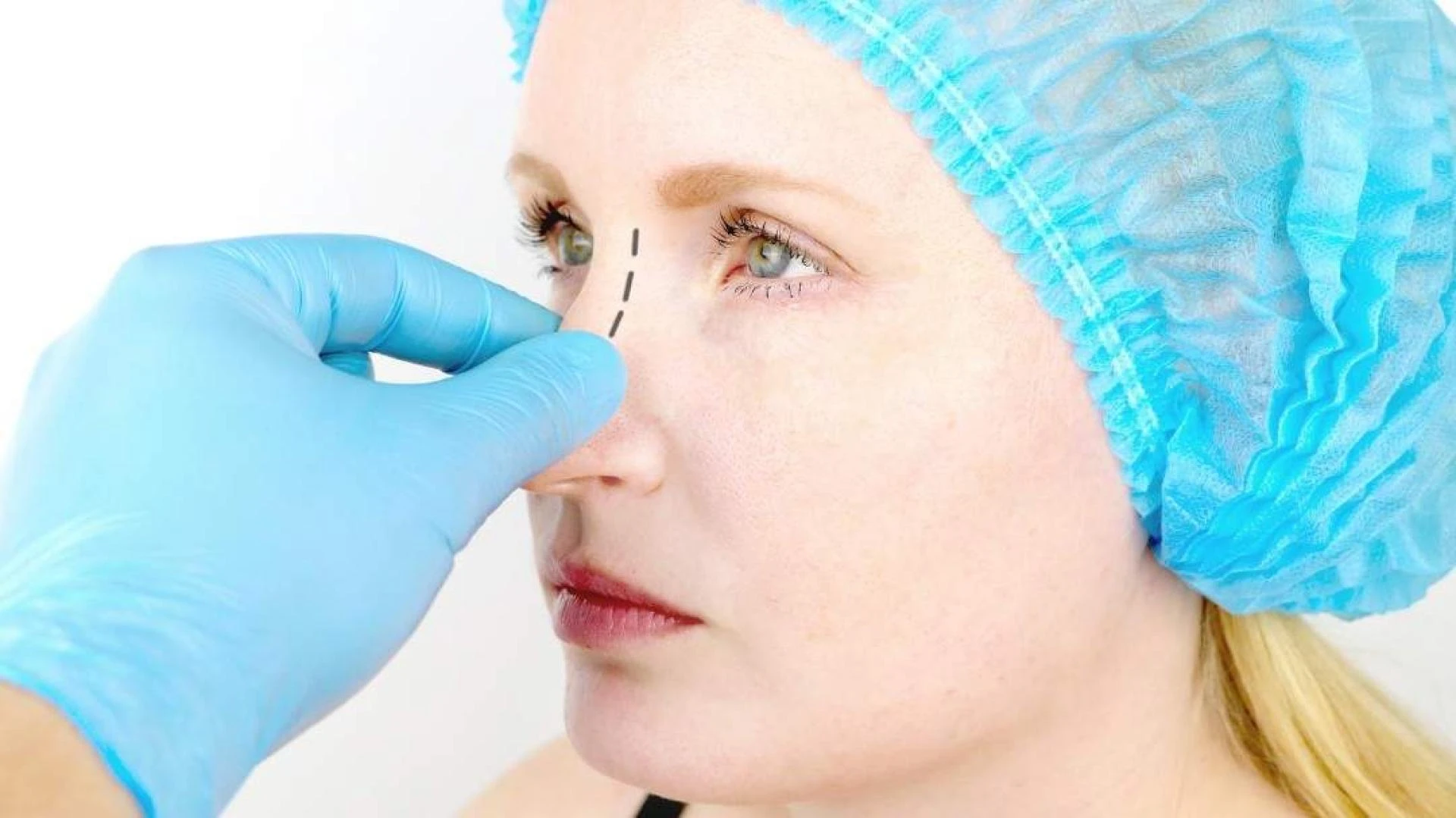

Septoplasty surgery is a common medical procedure aimed at correcting a deviated septum. Many people in Islamabad seek this surgery to improve breathing, alleviate sinus problems, and enhance overall quality of life. Understanding the procedure, its recovery, and associated care is essential for anyone considering this treatment.
What is Septoplasty Surgery?
Septoplasty surgery is a corrective procedure designed to straighten the nasal septum, which is the thin wall separating the two nostrils. When the septum is deviated, it can lead to breathing difficulties, nasal congestion, frequent sinus infections, and sleep problems.
A professional ENT surgeon performs septoplasty surgery under local or general anesthesia, depending on the complexity of the case. The goal is to reposition or remove parts of the nasal cartilage and bone to allow smoother airflow through the nasal passages.
Why People Opt for Septoplasty Surgery
Patients typically consider septoplasty surgery when non-surgical treatments such as nasal sprays or medications fail to provide relief. A deviated septum may not only affect breathing but can also contribute to:
- Snoring and sleep apnea
- Chronic sinus infections
- Nosebleeds
- Facial pain or headaches
In Islamabad, many clinics and hospitals offer advanced septoplasty surgery, making it accessible to those seeking effective relief from these symptoms.
Types of Septoplasty Surgery
While the standard septoplasty procedure corrects a deviated septum, it can sometimes be combined with other surgeries such as rhinoplasty. Rhinoplasty and septoplasty surgery is a combined approach where patients can both improve nasal airflow and enhance the cosmetic appearance of the nose.
This dual procedure is beneficial for patients who are concerned not just about function but also about aesthetics.
How is Septoplasty Surgery Performed?
The surgical procedure usually involves the following steps:
- Anesthesia – The patient is given either local anesthesia with sedation or general anesthesia.
- Incision – The surgeon makes an incision inside the nose to access the septum.
- Correction – The deviated portions of cartilage or bone are repositioned or removed.
- Closing – The incision is closed, and nasal splints may be applied to support the septum during healing.
Septoplasty surgery time generally ranges from 30 minutes to 90 minutes, depending on the complexity and whether it is combined with rhinoplasty.
Septoplasty Surgery Before and After
Before septoplasty surgery, patients undergo a thorough consultation and examination. Imaging tests, such as CT scans, may be used to assess the extent of deviation. Patients are advised to avoid certain medications that can increase bleeding risk.
After septoplasty surgery, noticeable improvements in breathing are often experienced within a few days. However, complete healing and final results can take several weeks. Swelling and minor discomfort are common during the initial recovery period.
Before Surgery
- Detailed consultation with an ENT surgeon
- Stop medications that thin the blood (like aspirin)
- Avoid smoking and alcohol
- Arrange for post-surgery care at home
After Surgery
- Use cold compresses to reduce swelling
- Keep the head elevated to minimize bleeding and discomfort
- Follow a soft diet if needed
- Take prescribed medications for pain and infection prevention
Care After Septoplasty Surgery
Proper care after septoplasty surgery is crucial for a smooth recovery. Patients in Islamabad are usually advised to follow these guidelines:
- Avoid strenuous activities for at least two weeks
- Do not blow the nose for at least a week after surgery
- Keep the nasal area clean and follow any saline spray recommendations
- Attend all follow-up appointments with the ENT surgeon
These measures help prevent complications and ensure optimal healing.
How to Sleep After Septoplasty Surgery
Sleeping correctly after septoplasty surgery plays a significant role in recovery. Patients are generally advised to:
- Sleep on the back with the head slightly elevated
- Avoid sleeping on the side to prevent pressure on the nose
- Use extra pillows to maintain a comfortable and elevated position
Following these steps can help reduce swelling and minimize discomfort during the initial recovery phase.
Septoplasty Surgery Recovery Time
Recovery time for septoplasty surgery varies by individual but generally follows this pattern:
- First 1–3 days: Mild pain and swelling, with possible nasal congestion
- First week: Reduced swelling, but nasal packing or splints may be present
- 2–3 weeks: Most normal activities can be resumed
- 1–3 months: Full healing of nasal tissues and internal structures
Patients are advised to monitor for any unusual symptoms, such as heavy bleeding or severe pain, and report them to the surgeon immediately.
Risks and After Effects of Septoplasty Surgery
While septoplasty surgery is generally safe, there are some possible after effects and risks, including:
- Swelling and bruising around the nose
- Temporary nasal obstruction or congestion
- Nosebleeds
- Rarely, infection or persistent nasal blockage
- Minor numbness inside the nose
Most patients experience minimal side effects, and serious complications are rare when the surgery is performed by an experienced ENT specialist.
Septoplasty Surgery Success Rate
The success rate of septoplasty surgery is high. Studies show that 80–90% of patients experience significant improvement in breathing and relief from associated symptoms. Proper post-operative care and following the surgeon’s instructions greatly influence the outcome.
Cost of Septoplasty in Islamabad
The cost of septoplasty in Islamabad varies depending on the clinic, surgeon experience, and whether it is combined with rhinoplasty. On average, patients can expect to pay a competitive price that aligns with international standards for safe and effective surgery. Most hospitals and clinics provide detailed cost breakdowns during consultation.
Choosing the Right Clinic for Septoplasty Surgery
When considering septoplasty surgery in Islamabad, it is essential to choose a reputable clinic with experienced ENT surgeons. Factors to consider include:
- Surgeon's qualifications and experience
- Patient reviews and testimonials
- Modern surgical facilities and equipment
- Transparent pricing and post-operative care services
Proper research ensures safety, effectiveness, and a smooth recovery experience.
Combining Septoplasty with Rhinoplasty
Some patients opt for rhinoplasty and septoplasty surgery to address both functional and cosmetic concerns. This combination allows correction of a deviated septum while reshaping the nose, providing improved breathing and aesthetic results. A thorough consultation helps determine if a combined procedure is suitable.
Conclusion
Septoplasty surgery in Islamabad is a safe and effective solution for individuals suffering from nasal obstruction, chronic sinus issues, or breathing difficulties caused by a deviated septum. With proper care, adherence to recovery guidelines, and selection of a skilled ENT surgeon, patients can experience significant improvement in nasal function and overall quality of life.
Understanding what is septoplasty surgery, the recovery time, before and after expectations, care instructions, and potential after effects ensures that patients are well-prepared for a smooth surgical journey. The high success rate and availability of skilled professionals make septoplasty surgery a reliable choice for those in Islamabad seeking long-term relief.



























Sign in to leave a comment.