

The Real Guide to BSc Nursing Books You Actually Need
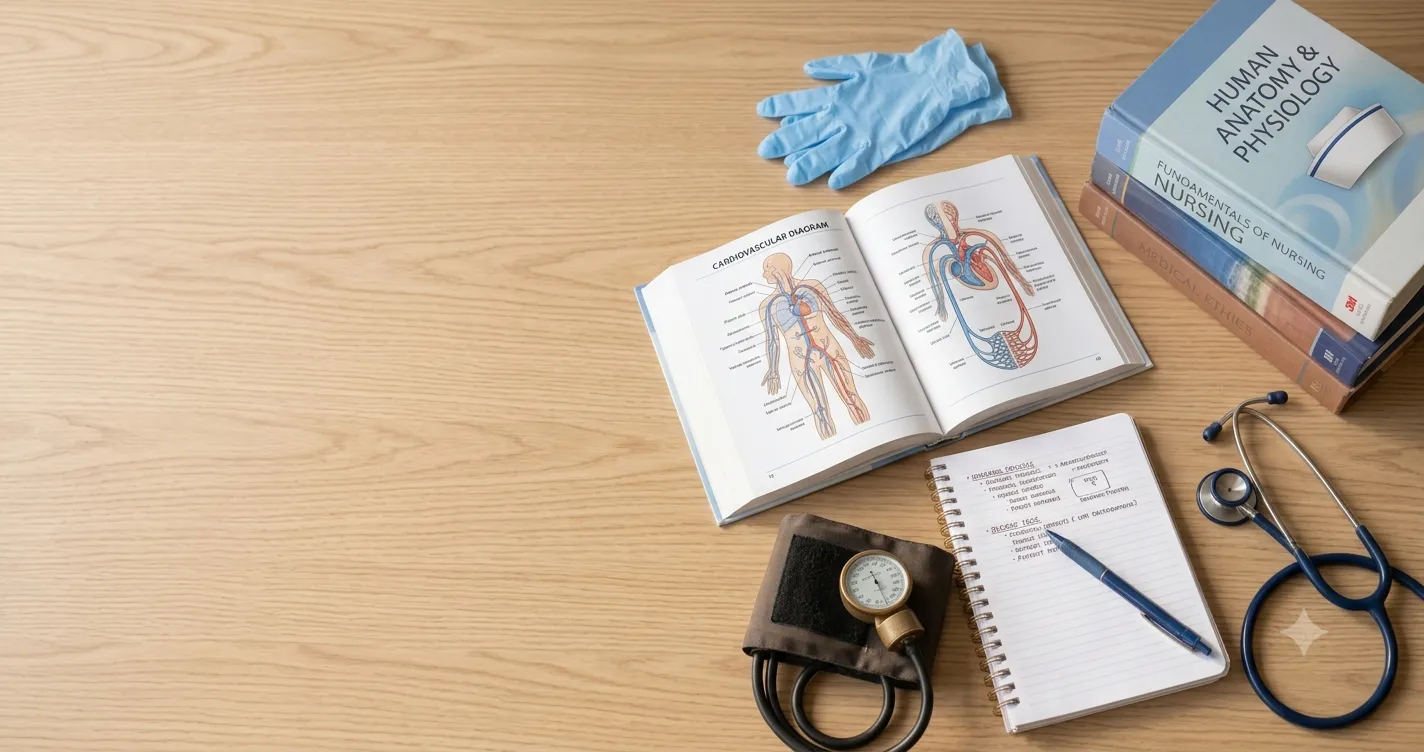
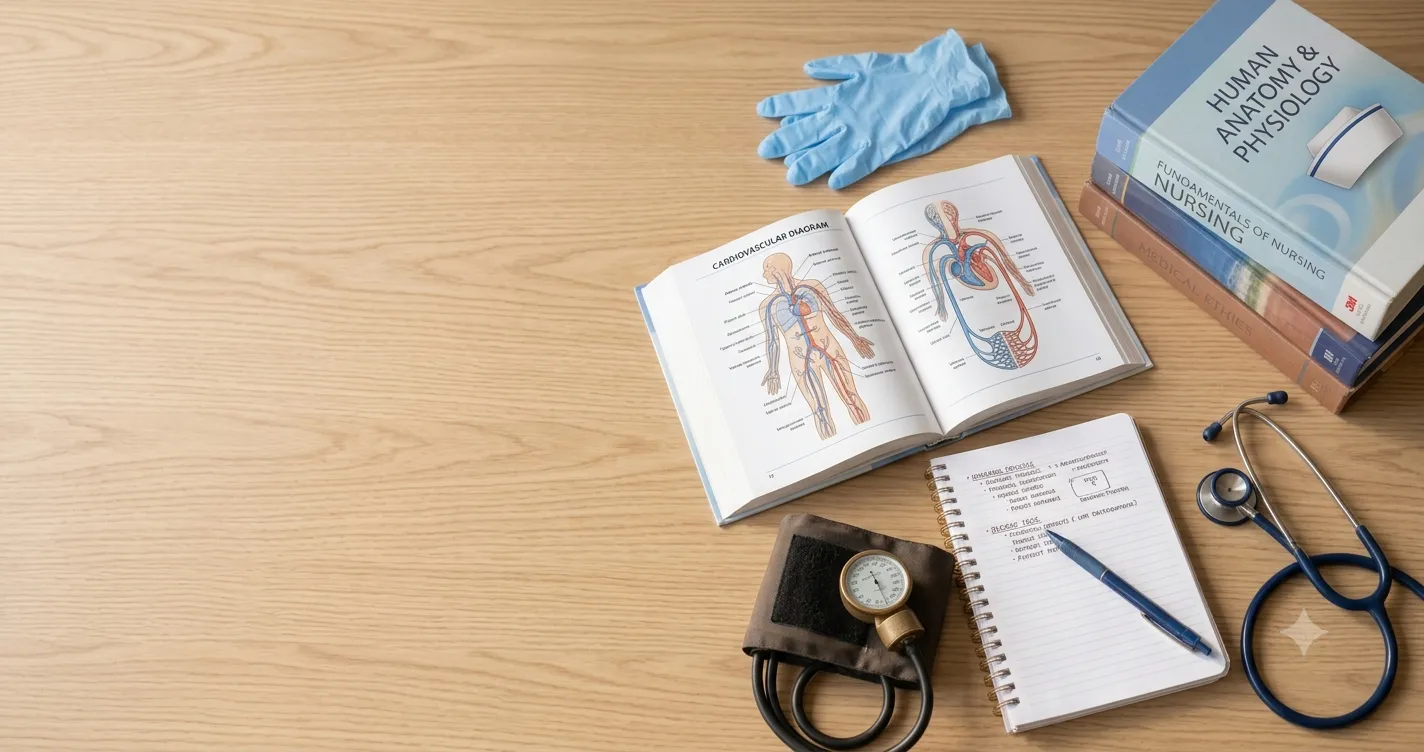
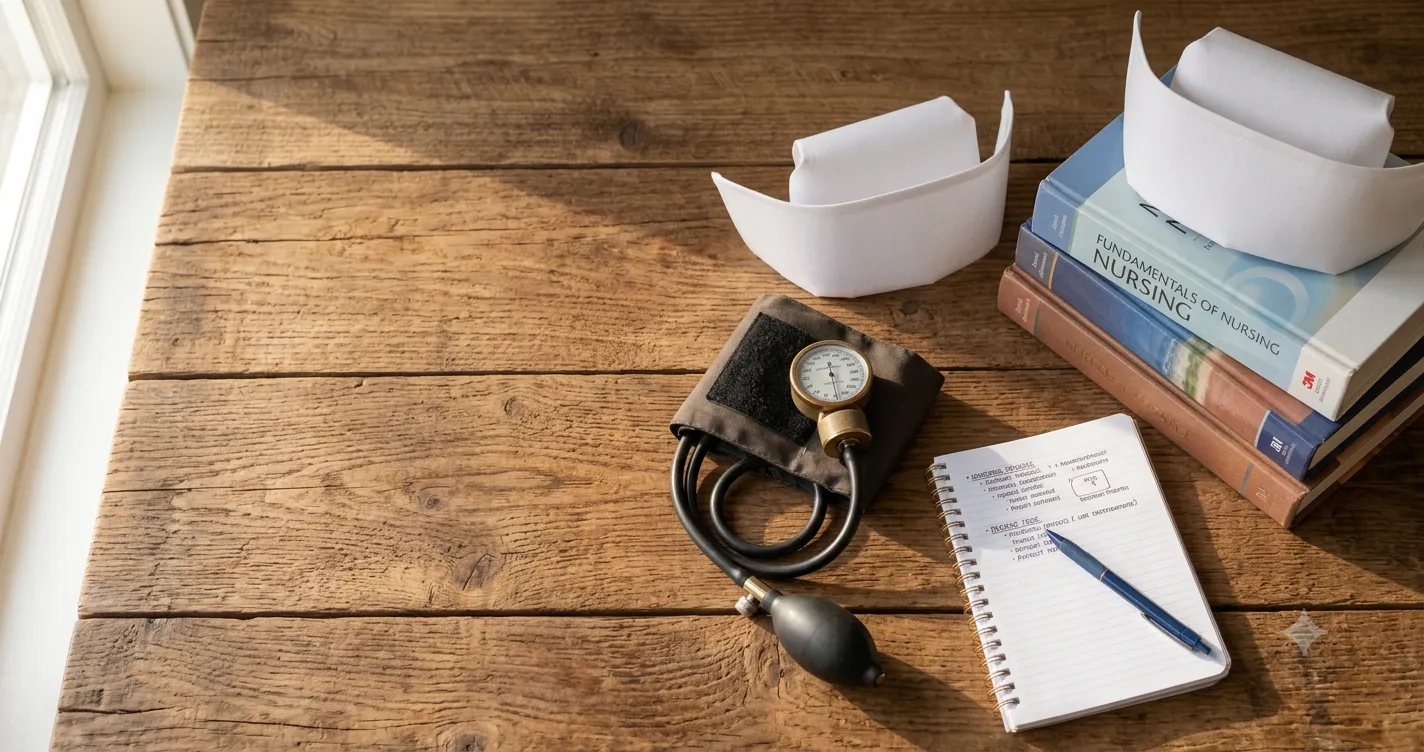
Okay, if you just started your BSc Nursing program, you're probably already drowning in reading lists your seniors casually forwarded on WhatsApp. And honestly, picking the right BSc Nursing Books matters more than people tell you upfront — the wrong book means re-reading the same confusing paragraph five times and still not getting it, while the right one just clicks.
Here's the thing nobody really explains in orientation week — not every book on your syllabus list is equally important, and not every "recommended" title is worth the money. Some BSc Nursing Books are genuinely brilliant, written like the author actually remembers what it felt like to be a confused first-year. Others are dense, outdated, and basically unreadable unless you're desperate. So let's go through what's actually worth buying, year by year.
Why the Right Book Actually Matters
It sounds a bit dramatic, but the book you choose can genuinely shape how well you understand a subject. Here's what separates a good one from a waste of shelf space:
- Simple language — Concepts explained like a human is talking to you, not a medical dictionary.
- Diagrams that actually help — Anatomy and physiology especially need good visuals, not just walls of text.
- Practice questions — Books with quizzes at the end of each chapter help you self-test as you go.
- Indian curriculum alignment — Since BSc Nursing syllabi vary a bit by university, make sure the book matches your specific curriculum.
- Compact size for daily use — You don't want to be lugging a brick to every lecture.
Year-Wise Breakdown
Your needs genuinely shift as you move through the program, so here's a rough idea of what to focus on each year.
First Year
This is mostly foundational — anatomy, physiology, biochemistry, and nursing foundations. Get strong core textbooks here since everything later builds on this base.
Second Year
Medical-surgical nursing, pharmacology, and pathology start dominating. This is where a solid drug guide and a good MSN textbook become non-negotiable.
Third Year
Community health nursing, mental health nursing, and child health nursing usually take over. Specialty-focused books really help here since general textbooks can feel too broad.
Fourth Year
This is internship and exam prep territory. NCLEX-style question banks and quick-revision guides become way more useful than dense textbooks at this stage.
Tips Before You Buy Anything
Don't just buy every title on your reading list blindly — trust me, half your class won't even open some of them. Instead:
- Ask seniors which books they actually used versus which ones just sat unopened.
- Check if the college library already has copies before spending money.
- Look for combined editions (textbook + workbook) to save on separate purchases.
- Compare the latest edition against older ones — sometimes the difference is minor and not worth the extra cost.
- Consider e-books for bulkier subjects like anatomy, since they're lighter and searchable.
Don't Ignore Free and Digital Resources
A lot of good BSc Nursing Books now come with companion apps or online question banks included in the purchase price, which is honestly a nice bonus. There are also legit free resources — recorded lectures, open-access journals, and government nursing council guidelines — that can fill in gaps without extra spending. Just steer clear of random unverified PDFs online, since outdated or incorrect info in a field like nursing can genuinely cause problems later.
Final Thoughts
At the end of the day, choosing good BSc Nursing Books isn't about buying the most expensive or the most hyped titles — it's about picking books that actually match how you study and where you are in the program. Ask around, check editions carefully, and don't be afraid to skip a book if your library already has it or your senior says it's not worth it. A smart, well-chosen shelf will genuinely make your four years easier than a random pile of books nobody ever opens.























Sign in to leave a comment.