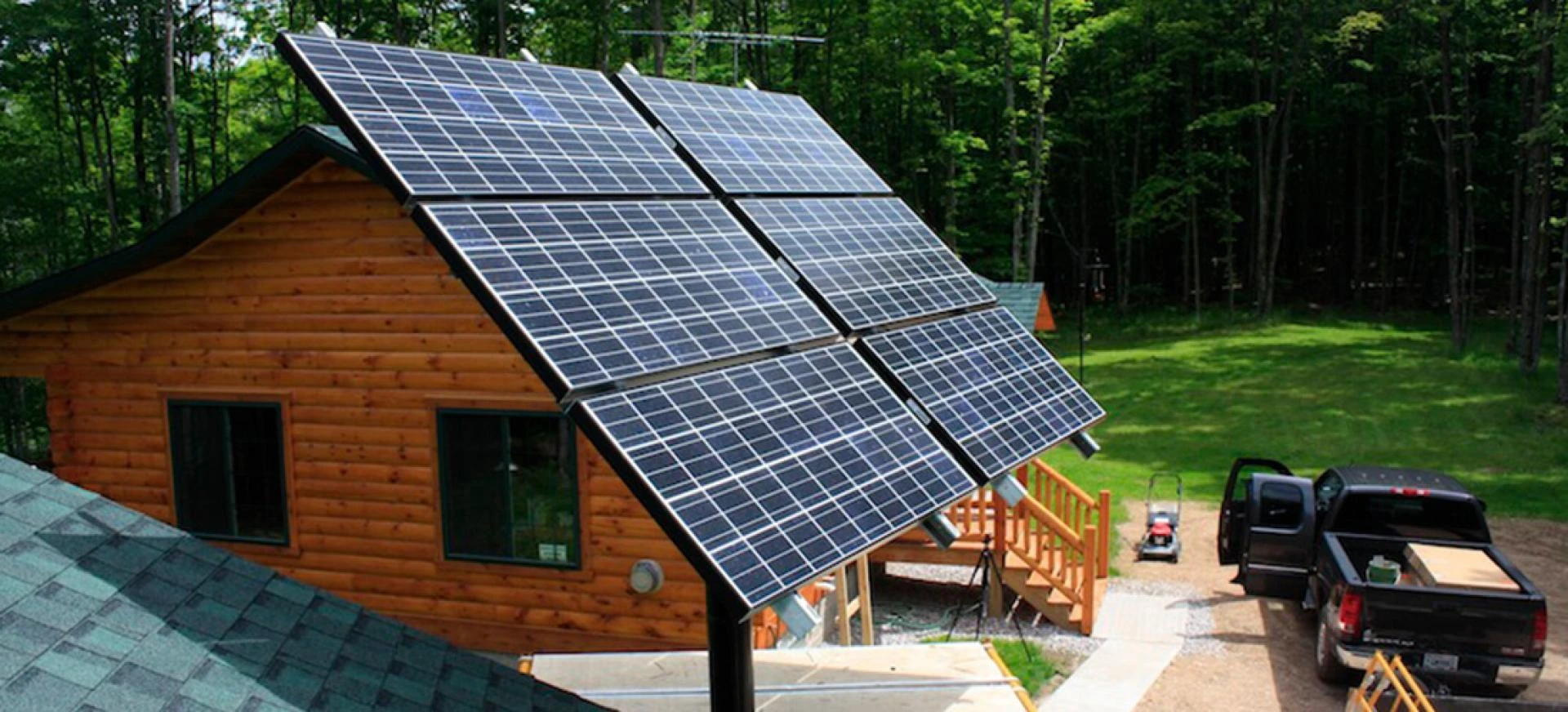
In today’s world, where sustainability and energy independence are becoming increasingly important, many homeowners are exploring ways to reduce their reliance on traditional power grids. One of the most effective methods to achieve this is by building a self-sufficient home using off-grid energy solutions. These innovative systems allow you to generate, store, and use your own energy, offering freedom from utility companies while reducing environmental impact.
What Are Off-Grid Energy Solutions?
Off-grid energy solutions refer to systems that enable homes or properties to operate independently of the public electricity grid. Instead of drawing power from centralized utilities, these setups rely on renewable energy sources such as solar panels, wind turbines, micro-hydro systems, or a combination of these. The goal is to generate enough clean energy to meet household needs without any external electricity supply.
Why Choose Off-Grid Energy Solutions?
There are several compelling reasons why homeowners are opting for off-grid energy solutions:
- Energy Independence: No more worries about power outages or rising utility bills.
- Environmental Impact: Utilizing renewable energy reduces carbon footprints.
- Remote Living: Ideal for homes in rural or isolated areas where grid access is limited or costly.
- Financial Savings: While initial investment can be significant, long-term savings on electricity bills can be substantial.
- Resilience: Off-grid homes are less vulnerable to natural disasters that disrupt grid infrastructure.
Key Components of a Self-Sufficient Off-Grid Home
- Renewable Energy Generation:
- Solar panels are the most common choice for off-grid energy, given their declining cost and ease of installation. Wind turbines and micro-hydro generators can complement solar, especially in areas with consistent wind or flowing water.
- Energy Storage Systems:
- Since renewable sources can be intermittent, batteries are essential to store excess energy generated during sunny or windy periods for use at night or calm days. Modern lithium-ion batteries offer high capacity and durability.
- Energy Management and Efficiency:
- Smart inverters, charge controllers, and energy management systems help regulate the flow of electricity, prevent overcharging, and maximize efficiency. Equally important is optimizing home energy use with efficient appliances, LED lighting, and insulation.
- Backup Power Options:
- Some off-grid setups include backup generators fueled by propane or biofuels for emergencies or extended periods of low renewable energy production.
- Water and Waste Systems:
- Truly self-sufficient homes often combine off-grid energy with rainwater harvesting, solar water heaters, and composting toilets to reduce dependence on municipal services.
Steps to Building Your Off-Grid Home
- Assess Your Energy Needs: Start by calculating how much power your household consumes to determine system size.
- Evaluate Renewable Resources: Study your location’s solar exposure, wind patterns, and water availability.
- Design the System: Choose the combination of renewable energy technologies, battery storage, and backup power best suited for your needs.
- Invest in Quality Equipment: Reliable, durable components ensure longevity and minimal maintenance.
- Plan for Maintenance: Regular checks and servicing keep your off-grid system running smoothly.
- Incorporate Energy Efficiency: Insulate your home well, install energy-efficient appliances, and consider passive solar design to reduce overall energy demand.
Challenges and Considerations
Building an off-grid home requires a significant upfront investment and careful planning. Weather variability can impact energy generation, and storage limitations require efficient usage. Additionally, local regulations and permits may affect installation. However, advances in technology and decreasing costs of renewable components are making off-grid energy solutions increasingly accessible.
Conclusion
Creating a self-sufficient home powered by off-grid energy solutions is more than just a trend—it's a lifestyle choice that offers freedom, sustainability, and security. By harnessing renewable energy and embracing smart design, you can build a resilient home that stands independent of the traditional power grid while contributing positively to the environment. Whether you live in a remote area or simply want to reduce your ecological footprint, off-grid living is an inspiring and achievable goal in the journey toward energy autonomy.



























Sign in to leave a comment.