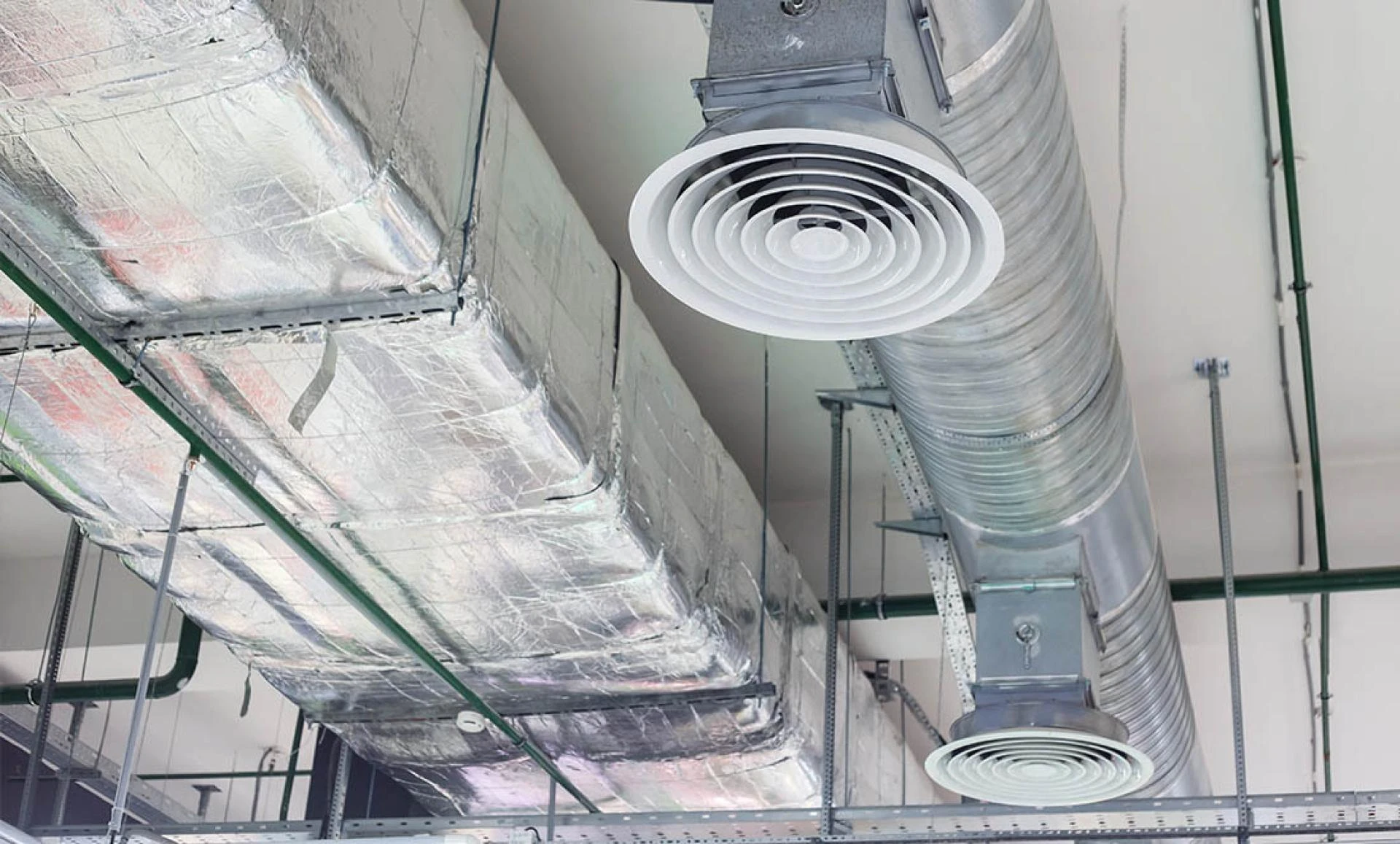
In today’s environmentally conscious world, homeowners and businesses are increasingly turning to energy-efficient HVAC systems as a way to reduce both utility costs and their carbon footprint. While the initial investment in these advanced systems can be higher than traditional heating and cooling units, the long-term financial and environmental benefits make them a smart choice.
Understanding Energy-Efficient HVAC Systems
Energy efficient HVAC systems are designed to optimize heating, ventilation, and air conditioning while consuming less energy. They often include features such as:
- High Seasonal Energy Efficiency Ratio (SEER) ratings
- Smart thermostats and zoning controls
- Variable speed compressors
- Advanced filtration systems
These innovations not only improve comfort but also reduce energy waste significantly.
Upfront Costs: What to Expect
Installing an energy-efficient HVAC system typically costs more than a standard unit due to its advanced technology and features. On average, homeowners can expect to pay 20–30% more upfront. However, these systems are built for durability and efficiency, which means fewer repairs and a longer lifespan.
Long-Term Savings and ROI
The real advantage of energy efficient HVAC systems lies in the long-term savings. By consuming less energy, these systems can cut monthly utility bills by up to 30–50%, depending on usage and climate. Over time, these savings offset the higher initial cost. Additionally, many regions offer rebates and tax credits for energy-efficient upgrades, reducing the financial burden even further.
For example:
- A traditional HVAC system may cost $150/month to run.
- An energy-efficient model could lower this to $90/month, saving $60 monthly, or $720 annually.
- In 7–10 years, the savings alone could pay off the system cost.
Environmental and Comfort Benefits
Beyond financial savings, energy-efficient HVAC systems contribute to lower greenhouse gas emissions, making them eco-friendly. They also provide improved indoor air quality, quieter operation, and better temperature control, enhancing overall comfort.
Is It Worth the Investment?
If you plan to stay in your home or operate your business for several years, investing in an energy-efficient HVAC system is undeniably worthwhile. With proper maintenance, these systems deliver exceptional comfort, lower utility bills, and increase property value—all while helping protect the planet.
Final Thoughts
When weighing cost versus long-term savings, energy efficient HVAC systems clearly emerge as the smarter choice. While the upfront expense may seem daunting, the reduced energy bills, improved comfort, and environmental benefits make them a future-proof investment for any property owner.























Sign in to leave a comment.