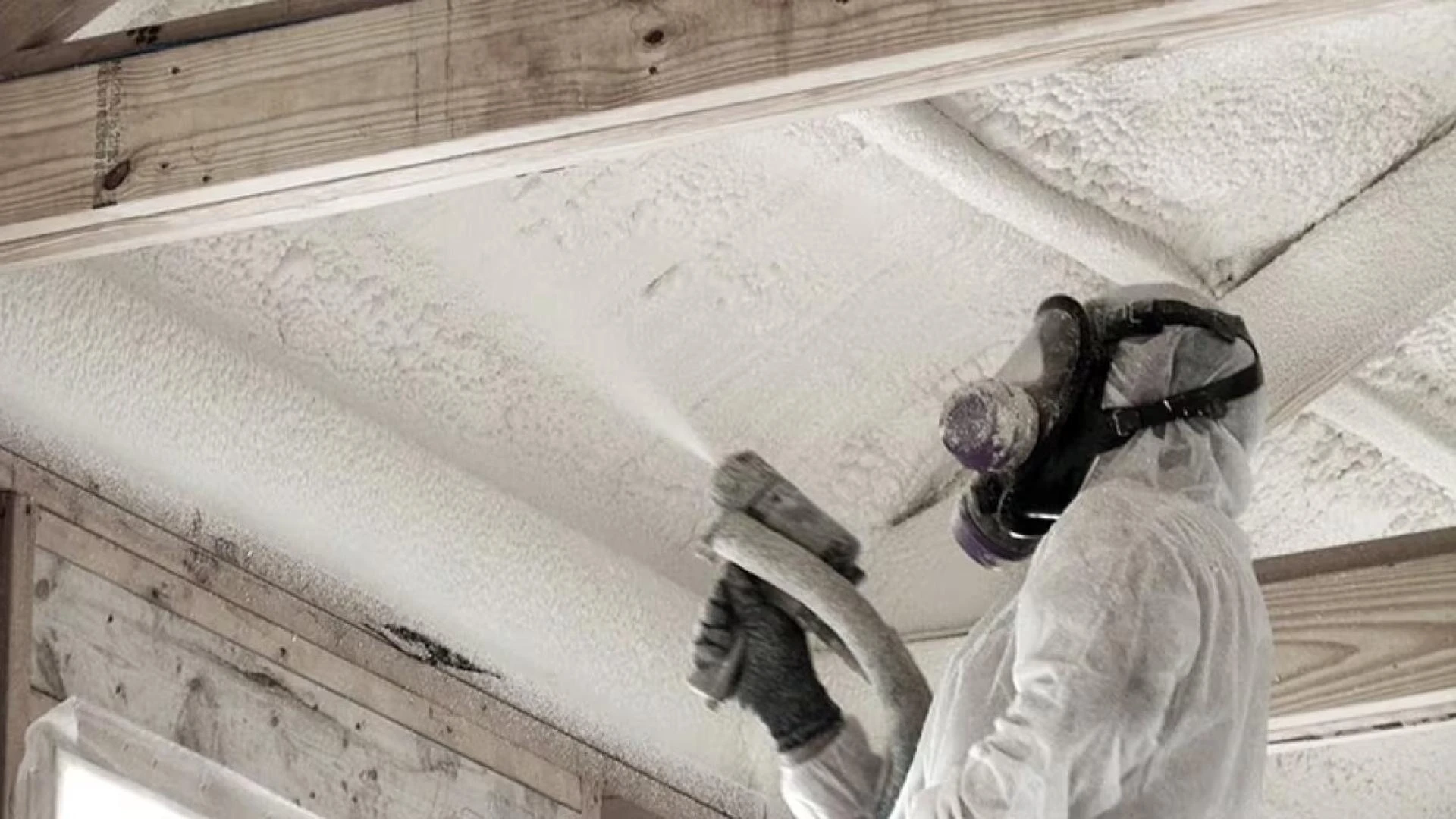

Insulation plays a crucial role in improving the energy efficiency of buildings by reducing heat loss in the winter and keeping indoor spaces cool during summer. Advances in insulation technology have led to the development of materials that not only perform better but are also designed to work smarter, maximizing energy savings and environmental benefits. This article covers the various types of insulation, factors to consider when choosing insulation, and technical specifications to help you make informed decisions.
Types of Insulation
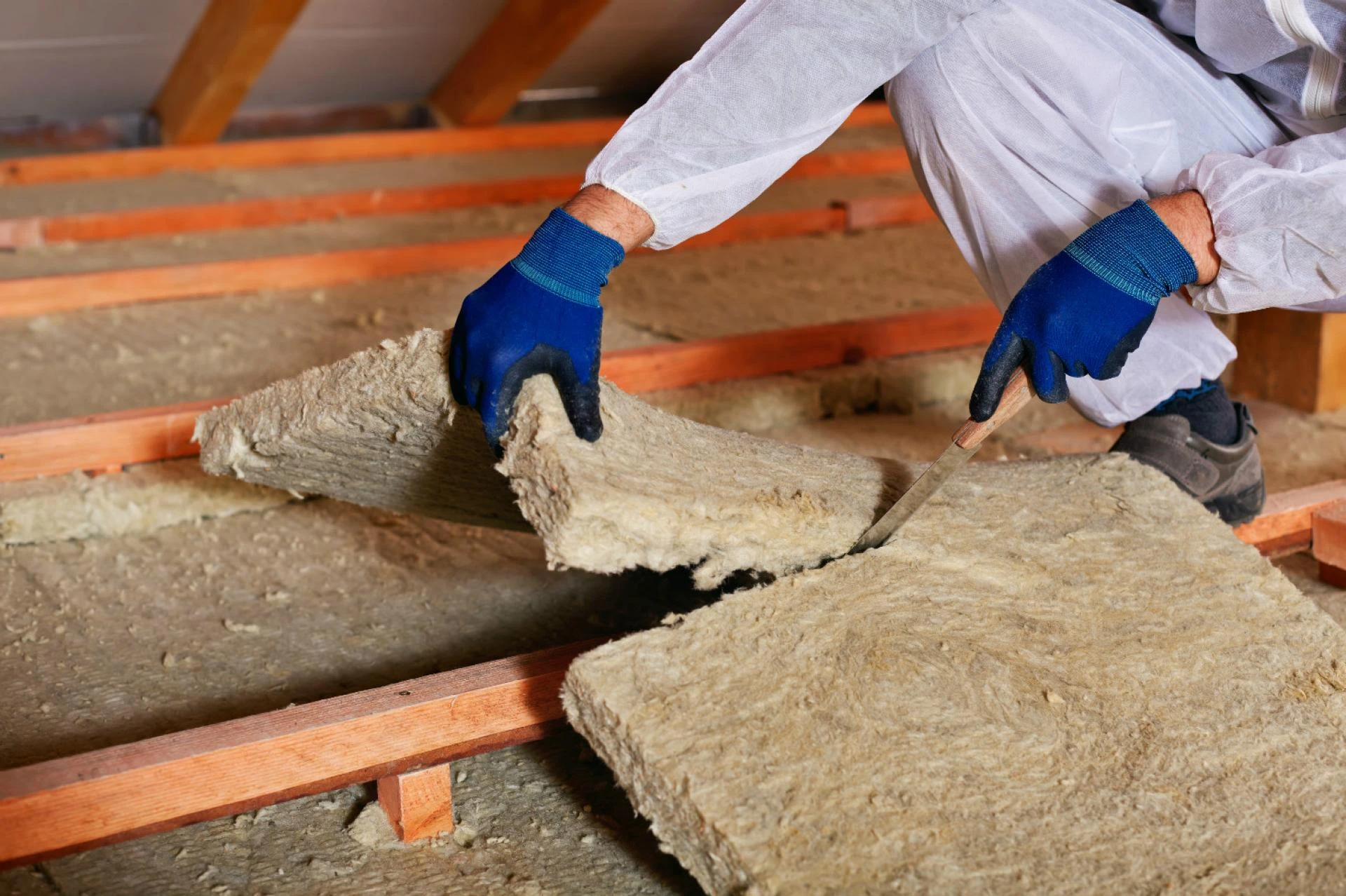
Insulation materials vary in composition, performance, and application. The most common types include fiberglass, cellulose, foam boards, spray foam, and reflective insulation. Each type has specific advantages and is suited to different building needs. Below is an overview of the most common types of insulation.
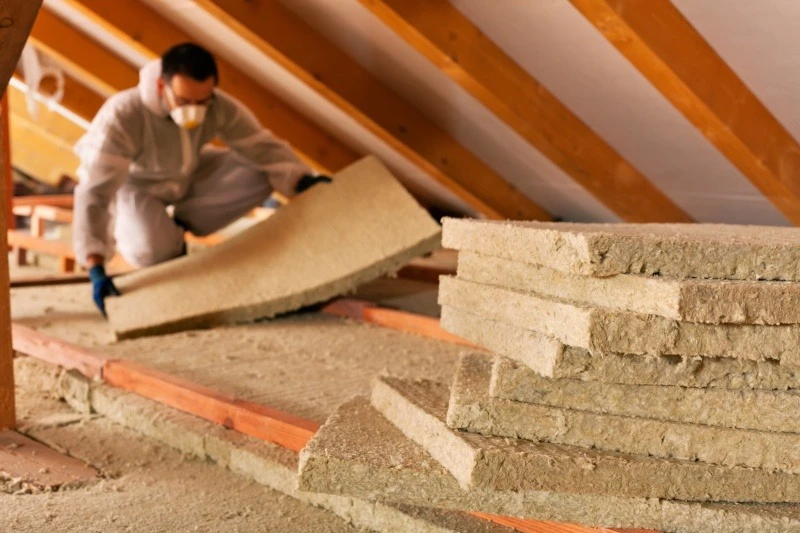
Fiberglass Insulation
Fiberglass insulation is one of the most widely used materials. It is made from fine glass fibers and is available in batts, rolls, and loose-fill forms. Fiberglass has a high R-value (thermal resistance) and is resistant to moisture and fire. It is also affordable and easy to install.
Cellulose Insulation
Made from recycled paper products, cellulose insulation is an eco-friendly option. It is typically blown into attics and walls and offers excellent thermal performance. It is treated with fire retardants and is known for being a cost-effective and sustainable choice.
Foam Board Insulation
Foam board insulation is made from polystyrene, polyisocyanurate, or polyurethane. It is rigid, lightweight, and offers a high R-value per inch of thickness. Foam board insulation is often used in areas where space is limited, such as foundation walls, basements, and exterior walls.
Spray Foam Insulation
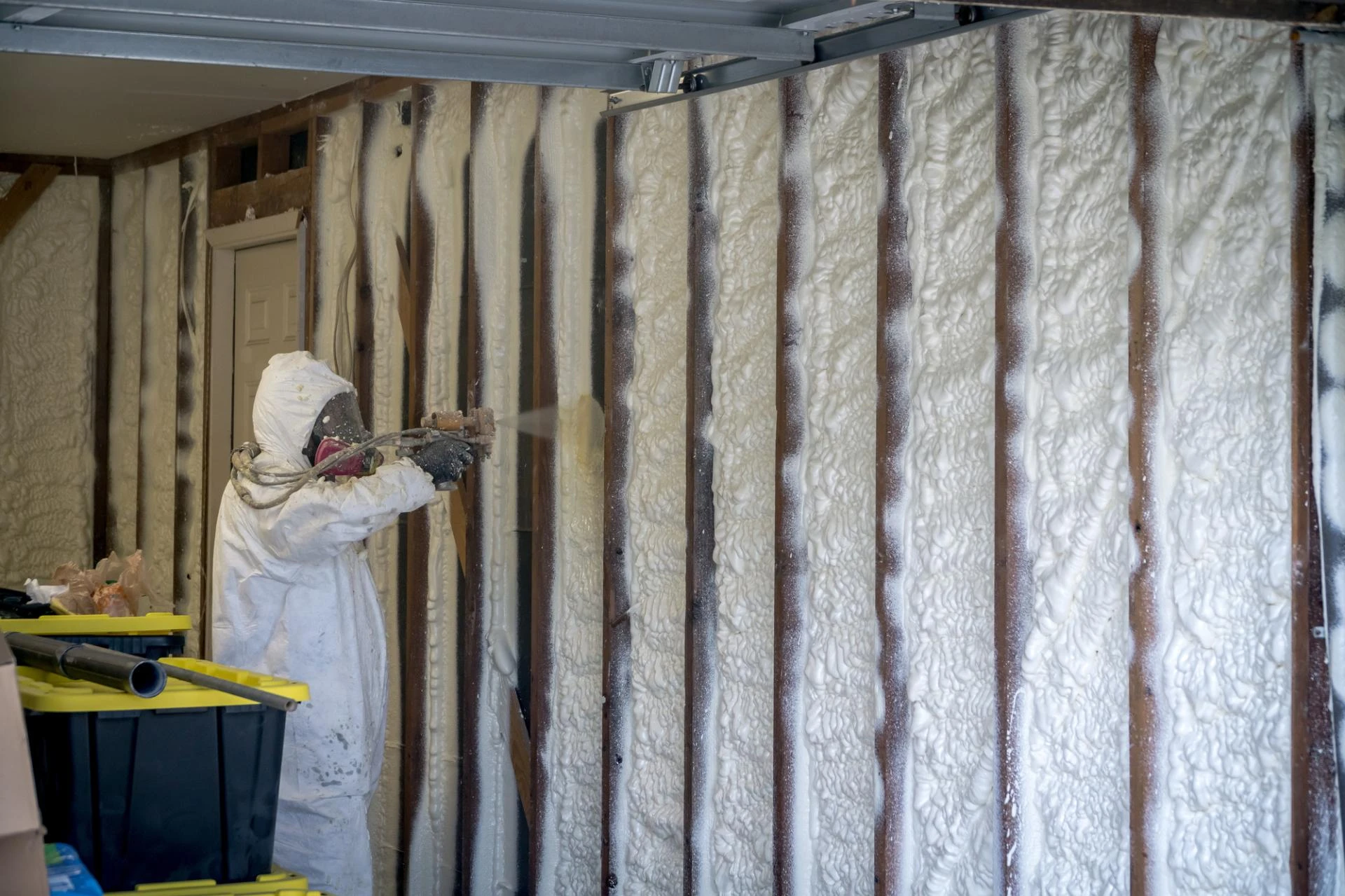
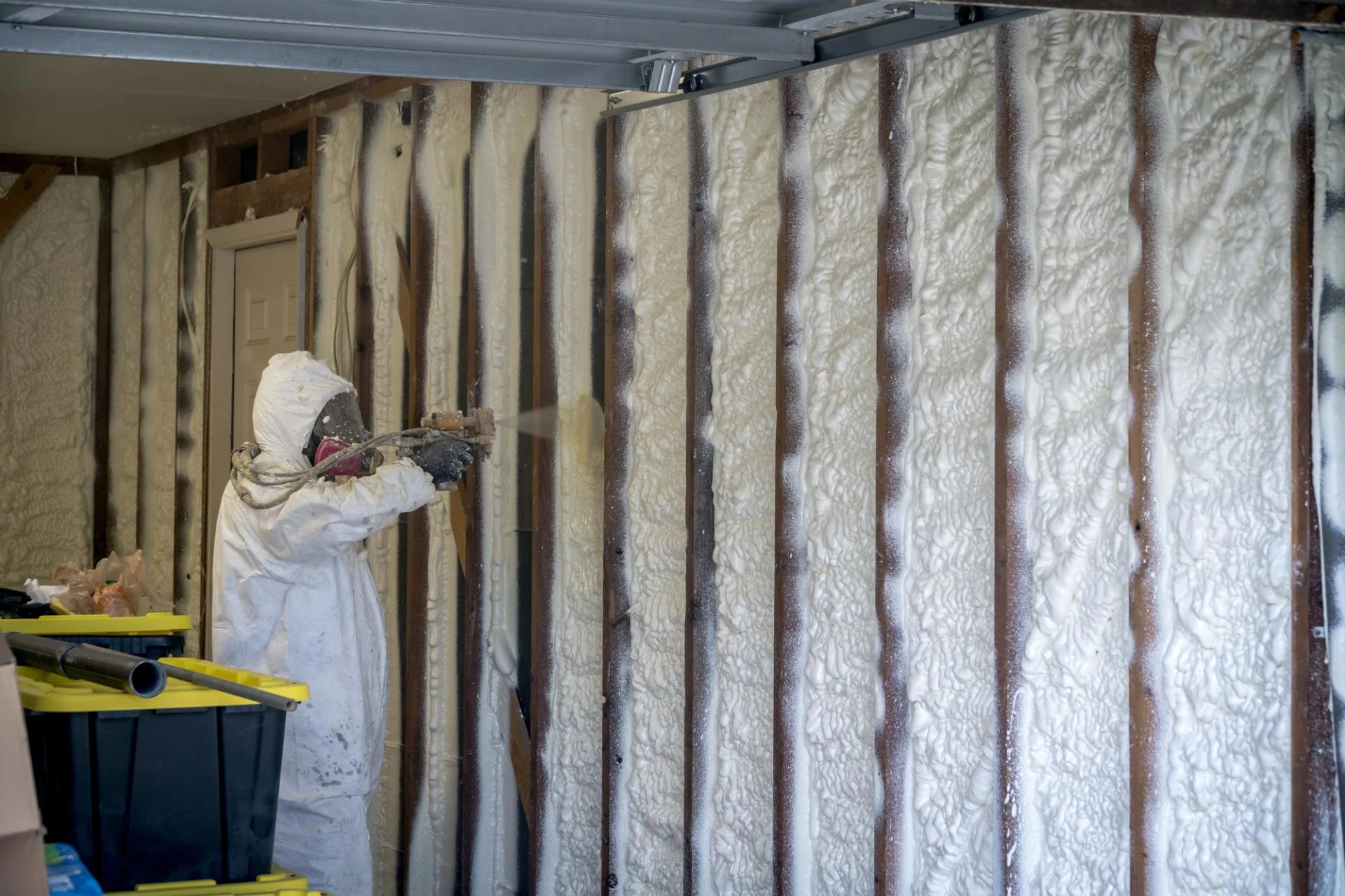
Spray foam insulation is a liquid that expands when sprayed onto surfaces. It forms an airtight seal, reducing energy loss significantly. Spray foam is excellent for irregular spaces and gaps. There are two main types: open-cell and closed-cell spray foam. Closed-cell spray foam insulation has a higher R-value and provides a moisture barrier.
Reflective Insulation
Reflective insulation uses a reflective material, often aluminum foil, to reduce heat transfer. It is typically used in attics, basements, or other spaces prone to high heat exposure. Reflective insulation works best in hot climates and is most effective when installed in spaces with radiant heat.
Things to Consider Before Making a Decision
Before deciding on insulation, consider the following factors:
Climate
The climate in which you live plays a significant role in determining the type of insulation best suited for your home. In colder climates, a higher R-value is crucial for keeping the building warm, whereas in warmer climates, reflective insulation may be more beneficial for keeping the heat out.
Installation Process
Some insulation materials, like fiberglass and cellulose, can be installed DIY, while others, like spray foam, typically require professional installation. Ensure you are comfortable with the installation process or hire professionals for insulation.
Budget
While some insulation types are more affordable upfront, others may offer long-term savings due to better energy efficiency. For instance, spray foam insulation is more expensive but provides superior airtight sealing and higher R-values, leading to long-term energy savings.
Environmental Impact
If eco-friendliness is a priority, consider materials like cellulose, which is made from recycled paper, or reflective insulation, which reduces heat transfer without the use of toxic chemicals.
Noise Reduction
Certain insulation materials, such as cellulose and spray foam, also help with soundproofing due to their dense structure. If noise reduction is a concern in your home, look for insulation that provides both thermal and acoustic benefits.
Bonus Tips for Choosing Insulation
- Maximize R-value: To improve energy efficiency, choose insulation with a higher R-value for your climate zone. For colder climates, an R-value of 30 or higher is recommended.
- Air Sealing: Focus on air sealing before installing insulation. Airtight spaces prevent drafts and increase the overall effectiveness of your insulation.
- Combining Insulation Types: Some areas benefit from a combination of insulation types, such as using foam board for the foundation and spray foam for walls, to maximize energy efficiency.
Common Questions
What is the best insulation for energy efficiency? The best insulation for energy efficiency depends on the specific needs of the building. For high R-values and moisture resistance, spray foam or foam boards are often ideal. For cost-effective options, cellulose and fiberglass work well.
Can insulation reduce my energy bills? Yes, proper insulation can significantly reduce energy bills by preventing heat loss in the winter and keeping heat out in the summer. Over time, the savings often offset the initial installation costs.
Is spray foam worth the cost? Spray foam has a higher upfront cost, but its high R-value and air-sealing properties can lead to long-term energy savings, making it a worthwhile investment in the right circumstances.
How can I install insulation myself? Fiberglass and cellulose can be installed as DIY projects in some cases, especially in attics and crawl spaces. However, spray foam and foam boards typically require professional installation.
Make the Right Decision
Choosing the right insulation services for energy efficiency depends on several factors, including climate, budget, and installation preferences. Consider the R-value, moisture resistance, and environmental impact of each option before making your decision. Insulation that works smarter can significantly enhance your home’s comfort and energy efficiency while helping you save money in the long run.
FAQ
What is the best insulation for a home in a cold climate?
In cold climates, insulation materials with a high R-value, such as spray foam and foam board, are best for keeping homes warm and energy-efficient.
How can I improve my insulation’s performance?
Ensure proper installation by sealing gaps and cracks. Use vapor barriers to control moisture, and consider adding an extra layer of insulation if your home has a significant energy loss.
What is the most eco-friendly insulation material?
Cellulose insulation, made from recycled paper products, is one of the most eco-friendly options, as it reduces waste and is biodegradable.
Is foam board insulation better than fiberglass?
Foam board offers higher R-values per inch compared to fiberglass, making it more effective in tight spaces. However, fiberglass is easier to install and more affordable.
Can I use reflective insulation in all climates?
Reflective insulation is particularly effective in hot climates to reflect radiant heat. It is not as effective in colder climates where thermal resistance is the main concern.





Sign in to leave a comment.