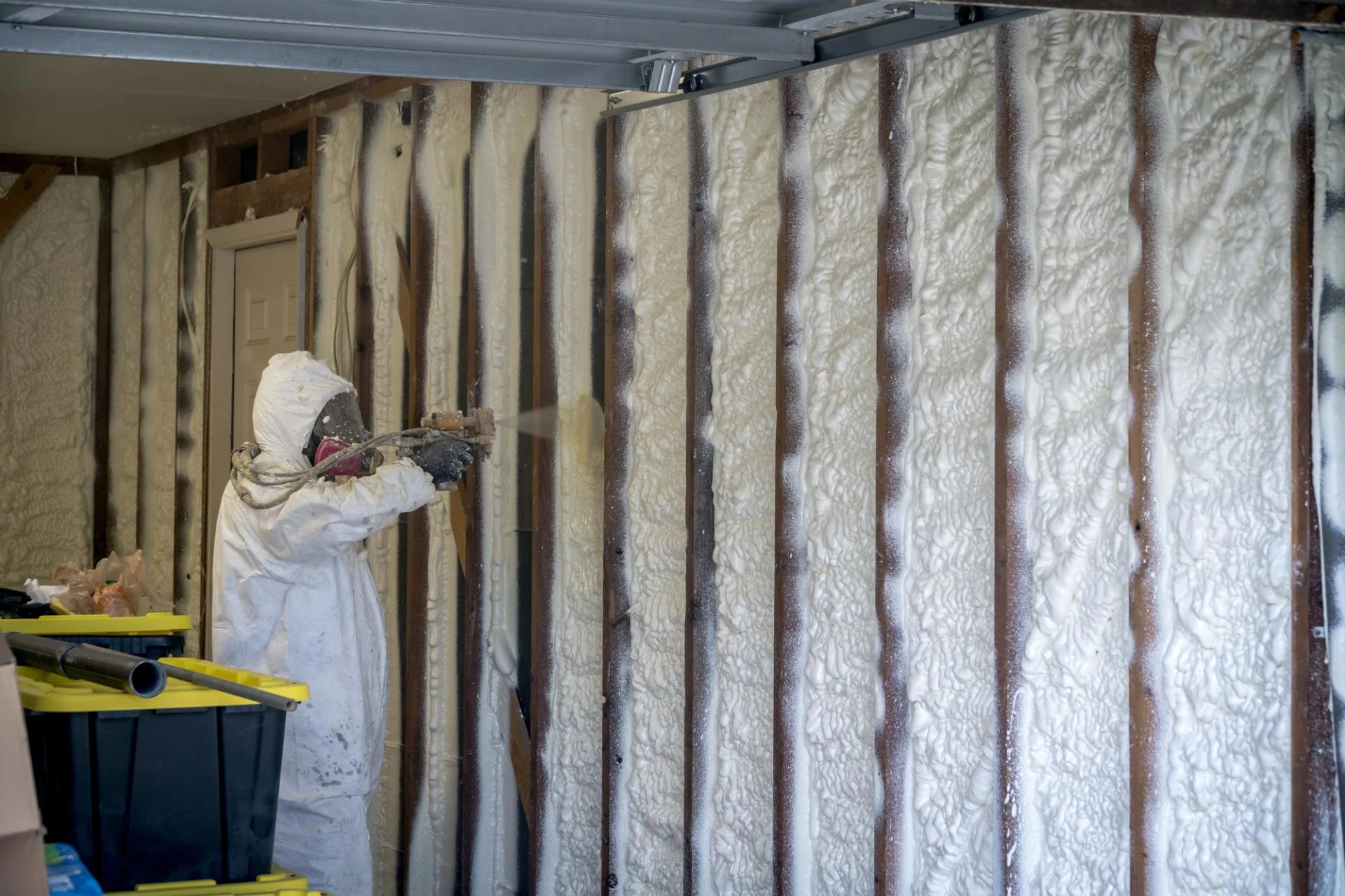

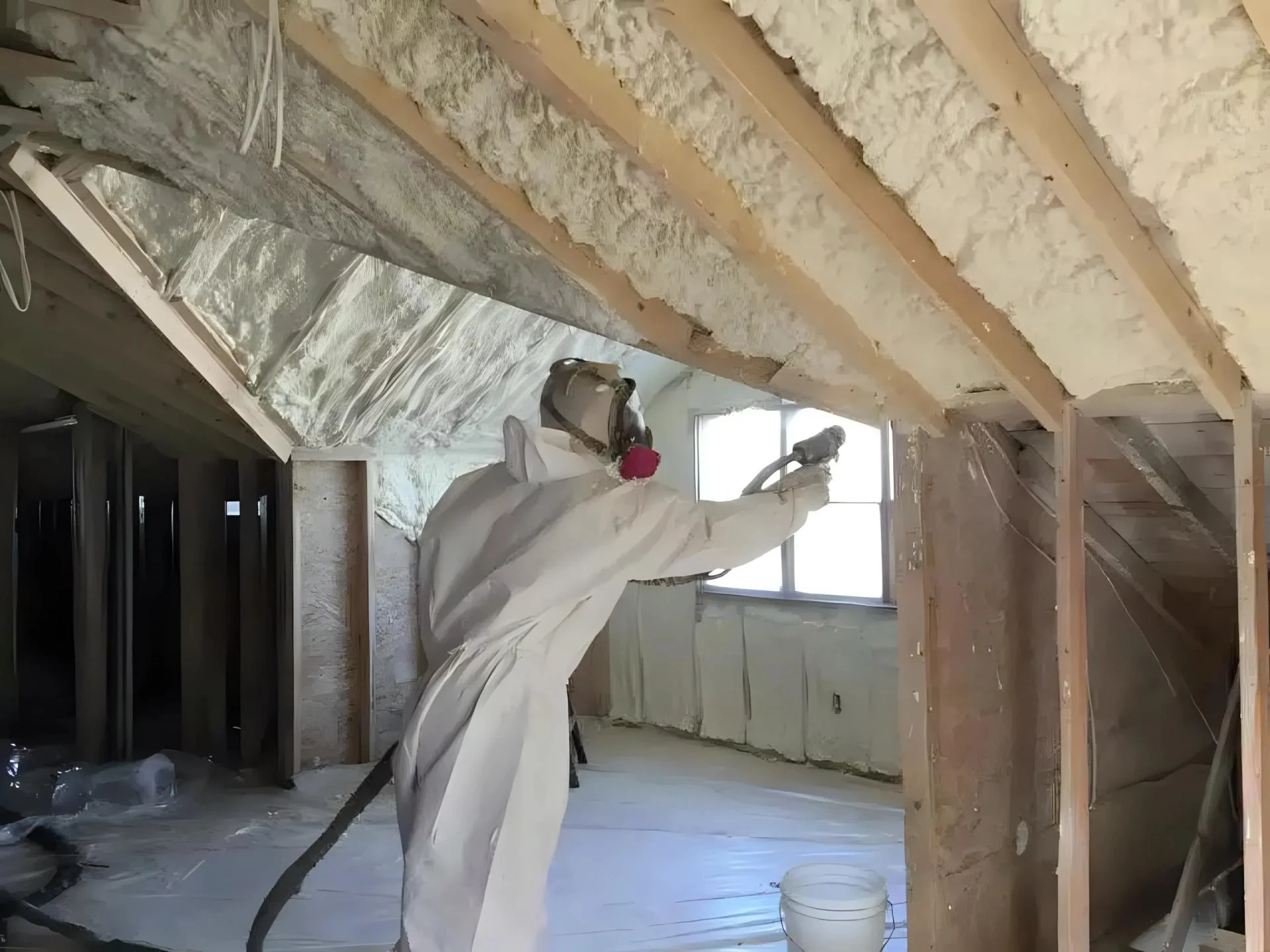
Closed-cell spray foam insulation serves as a high-performance solution for residential and commercial buildings. It provides the highest R-value per inch of any common insulation material, effectively blocking heat transfer while simultaneously acting as an air and vapor barrier. This dual functionality ensures that indoor environments stay stable regardless of outdoor weather conditions.
The material is famous for its dense, rigid structure, which adds significant strength to the building frame. Unlike other insulation types, closed-cell spray foam does not sag or settle over time. It creates a seamless envelope that prevents air leakage, which is responsible for nearly 40 percent of energy loss in standard American homes. This comprehensive article provides the necessary details to understand why this material is a top choice for modern construction.
Thermal Resistance and Superior Air Sealing
The efficiency of closed-cell foam starts with its chemical composition. The cells within the foam are completely closed and filled with a specialized gas that resists heat movement better than still air. This allows property owners to achieve high thermal resistance in narrow spaces where traditional fiberglass blankets would be too bulky to fit.
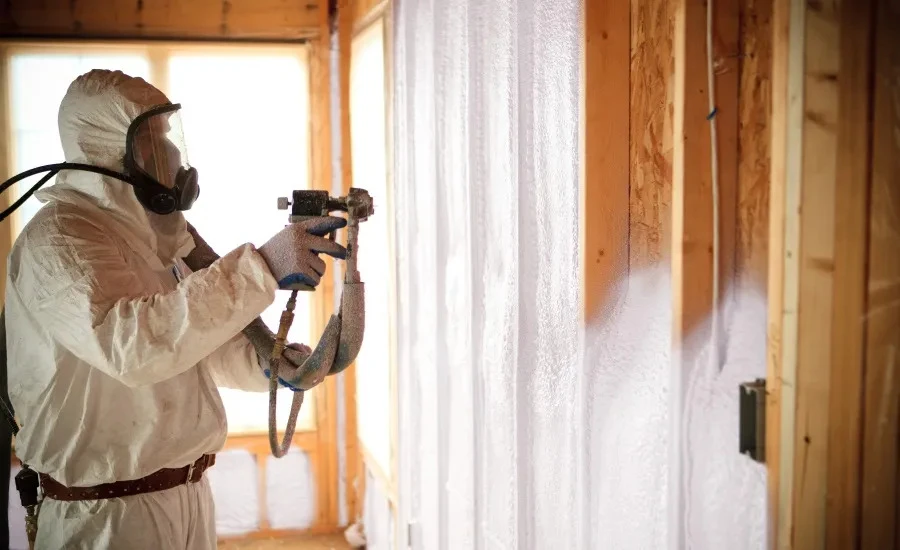
Because the material expands and hardens into a solid mass, it fills every crack and gap in the building envelope. This expansion prevents unconditioned air from entering the living space, a major concern in tropical climates. When air cannot leak through the walls or attic, the cooling system operates much more efficiently.
High R-Value for Energy Savings
The R-value represents a material's ability to resist heat flow. Closed-cell foam offers an R-value of approximately 6.5 to 7.0 per inch. This rating is nearly double that of open-cell foam or fiberglass, making it a powerful tool for reducing monthly utility costs.

Continuous Thermal Barriers
Traditional insulation often leaves gaps around wooden studs or electrical boxes. These gaps act as bridges that allow heat to enter the home. Spray foam covers these areas entirely, creating a continuous barrier that eliminates these weak points in the building design.
Bonus Tip
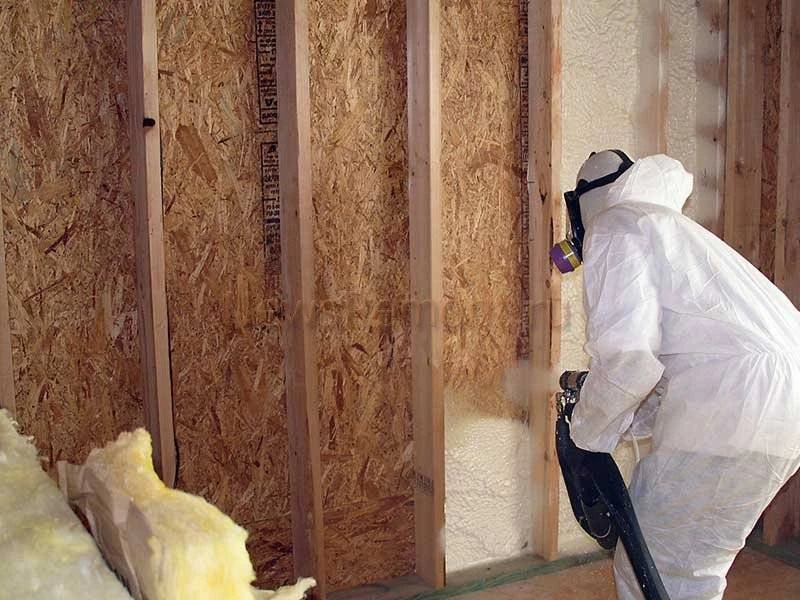
Using closed-cell foam in smaller wall cavities provides maximum insulation without increasing the depth of the wall studs.
Improving Building Structural Integrity
One of the most unique advantages of closed-cell foam is its ability to act as a structural adhesive. When the foam cures, it becomes tough and bonds tightly to the surfaces it touches. This bond helps to hold the building components together, making the entire structure more resilient against external forces.
In regions prone to high winds, this added strength can be a significant benefit. The rigid foam prevents the walls from racking or shifting during intense weather events. Property owners often choose this material not just for its thermal properties, but for the peace of mind that comes with a stronger home.
- The material increases a wall's racking strength by up to 300 percent compared to standard construction.
- It provides a high level of impact resistance for interior walls and roof decks.
- The rigid structure helps dampen vibrations and reduce the building's swaying during storms.
- It acts as a permanent bond that prevents building materials from loosening over time.
- The foam retains its structural properties even after decades of use in harsh environments.
Racking Strength and Rigid Support
Racking refers to the tendency of a building's frame to tilt or collapse under horizontal pressure. Closed-cell foam fills the space between the studs and the exterior sheathing, creating a composite structure that resists this movement. This leads to a much more stable and durable building.
Wind Uplift Resistance
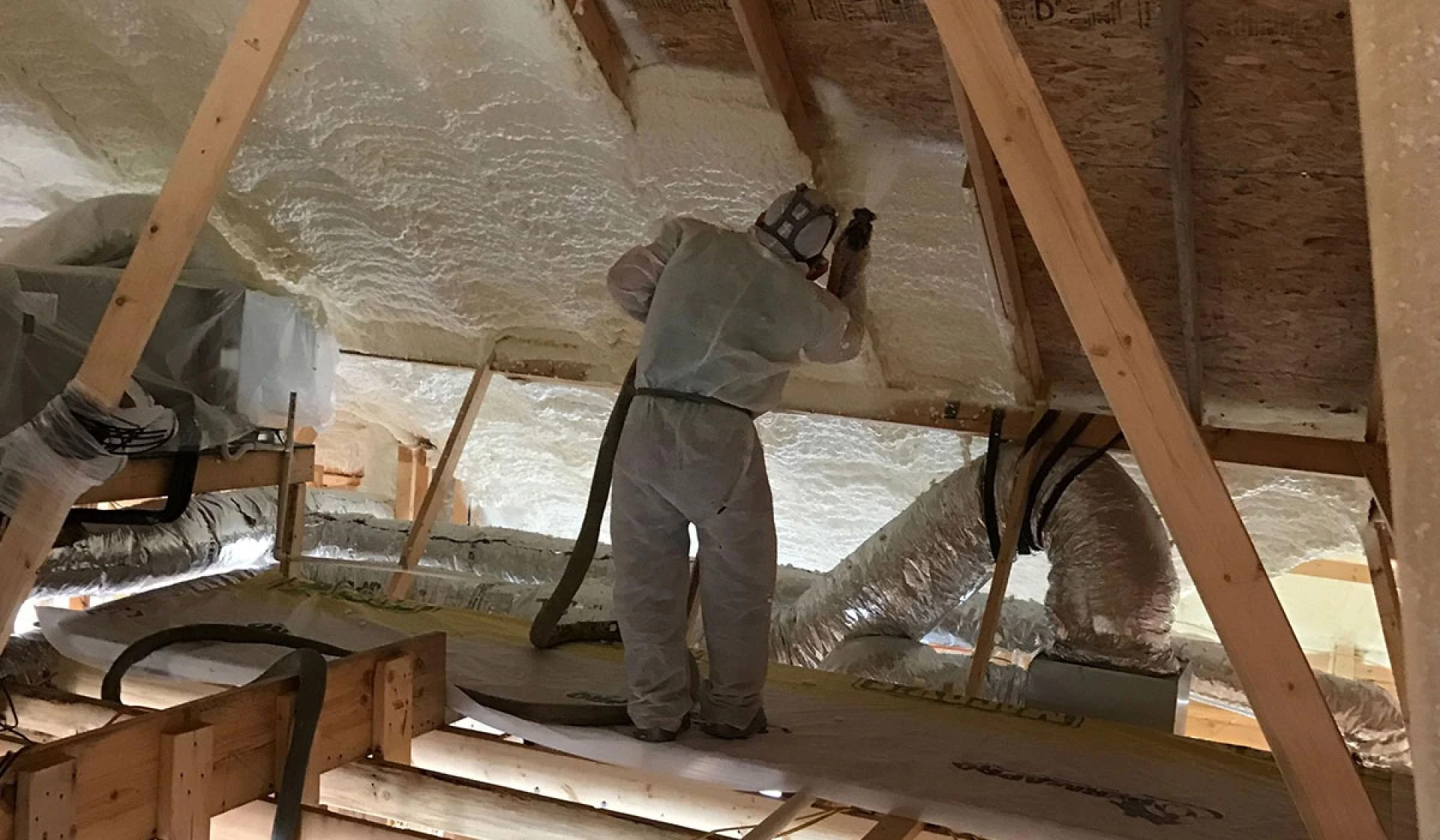
When applied to the underside of a roof deck, the foam glues the plywood or OSB sheets to the rafters. This connection significantly increases the amount of wind force required to pull the roof off the building. This is a critical safety feature for properties located in coastal zones.
Bonus Tip
Check with insurance providers to see if installing closed-cell foam qualifies the property for wind mitigation credits or premium discounts.
Technical Specifications and Material Comparisons
Understanding the technical differences between insulation types helps property owners make informed decisions. Closed-cell foam is often compared to open-cell foam, though they serve different roles in building design. The following table highlights the key differences between these two high-performance materials.
| Feature | Closed-Cell Spray Foam | Open-Cell Spray Foam |
|---|---|---|
| Density per Cubic Foot | 2.0 lbs | 0.5 lbs |
| R-Value per Inch | 6.5 - 7.0 | 3.5 - 3.8 |
| Vapor Barrier | Yes (at 1.5 inches) | No |
| Structural Strength | High | Low |
| Air Sealing Ability | Excellent | Excellent |
Regional Benefits for South Florida Properties
The climate in South Florida presents specific challenges, including extreme humidity and frequent rain. Moisture-absorbing materials can quickly become a breeding ground for mold. Closed-cell foam is waterproof and prevents moisture from passing through its dense structure, protecting the home from water damage.
- The foam prevents the entry of salt air, which can be corrosive to metal fasteners and electronics.
- It reduces the workload on air conditioning units by keeping the attic space significantly cooler.
- The material does not provide a food source for termites or other common pests in the region.
- It creates a barrier against wind-driven rain that might enter through small roof gaps.
- High-density foam helps to quiet the sound of heavy rain and thunder during tropical storms.

Moisture Management in Humid Climates
In humid areas, warm air can condense into water when it hits a cool surface inside the wall. Closed-cell foam prevents this by acting as a vapor barrier. This prevents air from reaching the cool interior surfaces, keeping the wall cavities dry and free of rot.
Hurricane Protection Measures
Because the material bonds so strongly to the roof deck, it is often recommended as part of a hurricane-hardening strategy. It helps to keep the roof attached during high-wind events. This added layer of protection is essential for long-term property safety in storm-prone areas.
Things to Consider Before Making a Decision
Before choosing a new insulation system, property owners should evaluate the current state of their building. It is important to look for signs of old material failure or hidden moisture issues. Professional assessments often reveal the areas with the most severe air leakage, helping target the installation effectively.
- The age of the property may influence whether a full insulation removal is necessary before spraying.
- Access to the attic or crawl space must be sufficient for the installation equipment and the crew.
- Property owners should consider the long-term energy savings versus the higher initial cost of closed-cell foam.
- The building must be vacant for a specific period during the application and curing process for safety.
- Choosing an experienced installation team is essential to ensure the chemical mix is appropriately balanced.
Questions People Ask About Closed-Cell Foam
How long does closed-cell spray foam insulation last?
The material is designed to be a permanent solution that lasts for the life of the building. It does not sag, settle, or lose its R-value over time like traditional materials. As long as the structure remains intact and the foam is not exposed to direct sunlight, it will continue to perform at the same level for decades.
Does the foam have a strong smell after it is installed?
There is a slight odor during the application process as the chemicals react. However, this smell disappears once the foam has fully cured and the building is ventilated. Professional crews use high-powered fans to ensure the air is fresh and safe for residents to return within 24 hours.
Can closed-cell foam be used in existing homes?
Yes, it is excellent for retrofitting older homes, especially in the attic or crawl space. If the wall cavities are open during a renovation, it can also be applied to the interior of the walls. It is one of the most effective ways to upgrade an older building to modern energy standards.
Is closed-cell foam fire resistant?
Most modern spray foam products contain flame-retardants that allow them to meet strict fire-safety building codes. While the material is not fireproof, it is designed to resist ignition and will not act as a fuel source. In many cases, it must be covered with a thermal barrier like drywall for safety.
Will the foam damage the roof shingles?
When applied correctly to the underside of the roof deck, the foam does not damage the shingles. In fact, by keeping the attic cooler, it can actually help the roof deck stay more stable. Professionals ensure that the material is applied at the correct thickness to prevent heat buildup that could affect the roofing material.
Summary of Benefits for Efficiency and Strength
Closed-cell spray foam insulation provides a unique combination of thermal protection and structural reinforcement. It addresses the most common issues in building design by stopping air leakage and preventing moisture damage. By creating a rigid and airtight envelope, it allows property owners to maintain a comfortable indoor environment while significantly reducing energy waste.
Evaluating the specific needs of a building and choosing high-performance materials is a reliable way to ensure long-term durability. Taking the time to invest in quality insulation results in a home that is stronger, quieter, and much more affordable to operate.
Connecting with Professional Insulation Experts
Choosing a trusted provider for an insulation project ensures that the material is applied safely and effectively. All in Overhall offers reliable and honest insulation services to help residents throughout South Florida. Property owners can reach out to the team at [email protected] or call (561) 406-3835 for more information on how to improve their home's performance. Their team focuses on clear communication and careful workmanship to help homeowners create spaces that stay cooler and more efficient year-round.
Author: Richard Hall founded ALL IN OVERHALL, Your Local Spray Foam Insulation Company in Jupiter, FL, on January 3, 2022, to offer honest and reliable insulation services across South Florida. He focuses on clear communication and careful workmanship to improve comfort and reduce energy costs.
Reviewer: Lucas Mitchell has 6 years of experience in spray foam insulation. He reviewed this article and helped refine the ideas to strengthen the brand's presence and reach homeowners seeking reliable insulation.
Sign in to leave a comment.