Rising energy costs and increasingly volatile weather patterns have firmly established insulation as the primary home improvement priority for property owners in 2025. Rather than viewing insulation merely as a building code requirement, homeowners now recognize it as a critical financial defense system that locks in lower utility rates and stabilizes indoor comfort against extreme heat and cold. This shift in perspective is driven by the realization that a well-sealed thermal envelope yields immediate returns on investment through reduced HVAC workload and extended equipment lifespan.
Beyond the financial incentives, the focus on health and environmental sustainability has pushed high-performance insulation to the forefront of the construction and renovation sectors. Modern spray foam insulation materials, particularly advanced spray foams, offer air-sealing capabilities that older fiberglass products cannot match. By preventing outdoor pollutants, allergens, and moisture from entering the living space, these upgraded systems contribute to a healthier indoor environment, a factor that has become non-negotiable for families in the current year.
The Economic Drivers of Efficiency
The cost of electricity has continued its upward trajectory, prompting residents to seek permanent solutions for reducing consumption. In the past, homeowners might have adjusted the thermostat to save money, but in 2025, they are choosing to modify the structure of the home itself. Insulation acts as a barrier that prevents conditioned air—which costs money to produce—from leaking out through the roof and walls.
Market data indicates that homes with upgraded air-sealing and insulation packages see energy bill reductions ranging from 20% to 50% annually. This savings potential transforms insulation from a sunk cost into a performing asset. The payback period for these installations has shortened significantly as utility rates have climbed, making it a smart move for budget-conscious households.
protecting HVAC Investments
A major reason for the surge in popularity is the protection it offers to mechanical systems. When a home is poorly insulated, the air conditioner must run continuously to maintain a set temperature. This constant operation leads to early burnout and expensive repairs.
Reducing Cycle Times
Proper insulation keeps the cool air inside, allowing the AC unit to cycle off and rest. This reduction in runtime adds years to the life of the system. Industry professionals note that the most common cause of HVAC failure is simply overwork due to a leaky building envelope.
Bonus Tip: Check the Ductwork
Before adding new insulation, having a professional inspect the ducts is smart. Leaky ducts can lose up to 30% of airflow before it reaches the rooms. sealing these leaks ensures the new insulation delivers maximum value.
Climate Resilience and Comfort
2025 has seen a continued emphasis on preparing homes for extreme weather. In regions like South Florida, where heat indices frequently hit dangerous levels, insulation is the only way to keep interior temperatures safe without overburdening the power grid.
The Shift to Unvented Attics
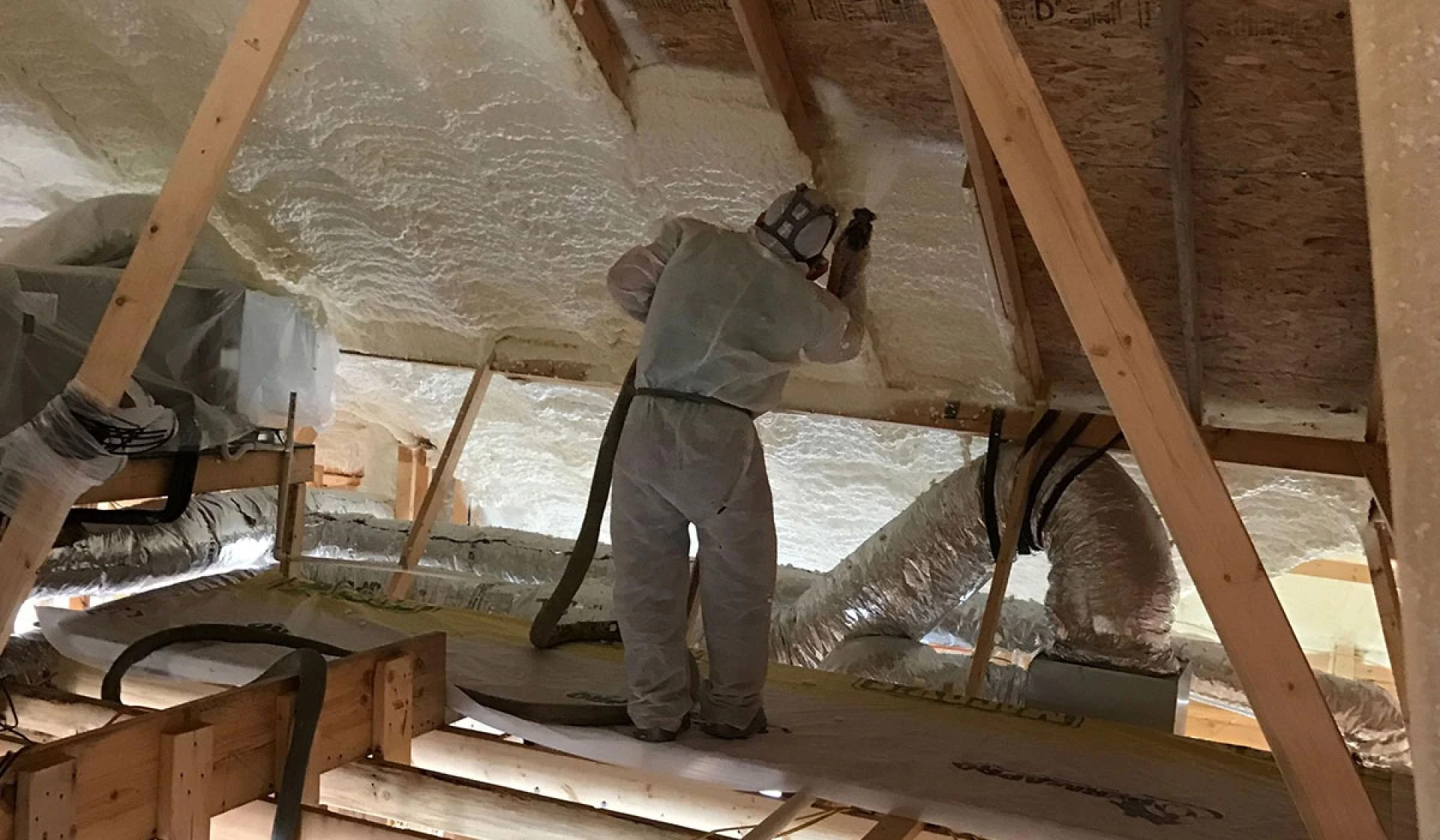
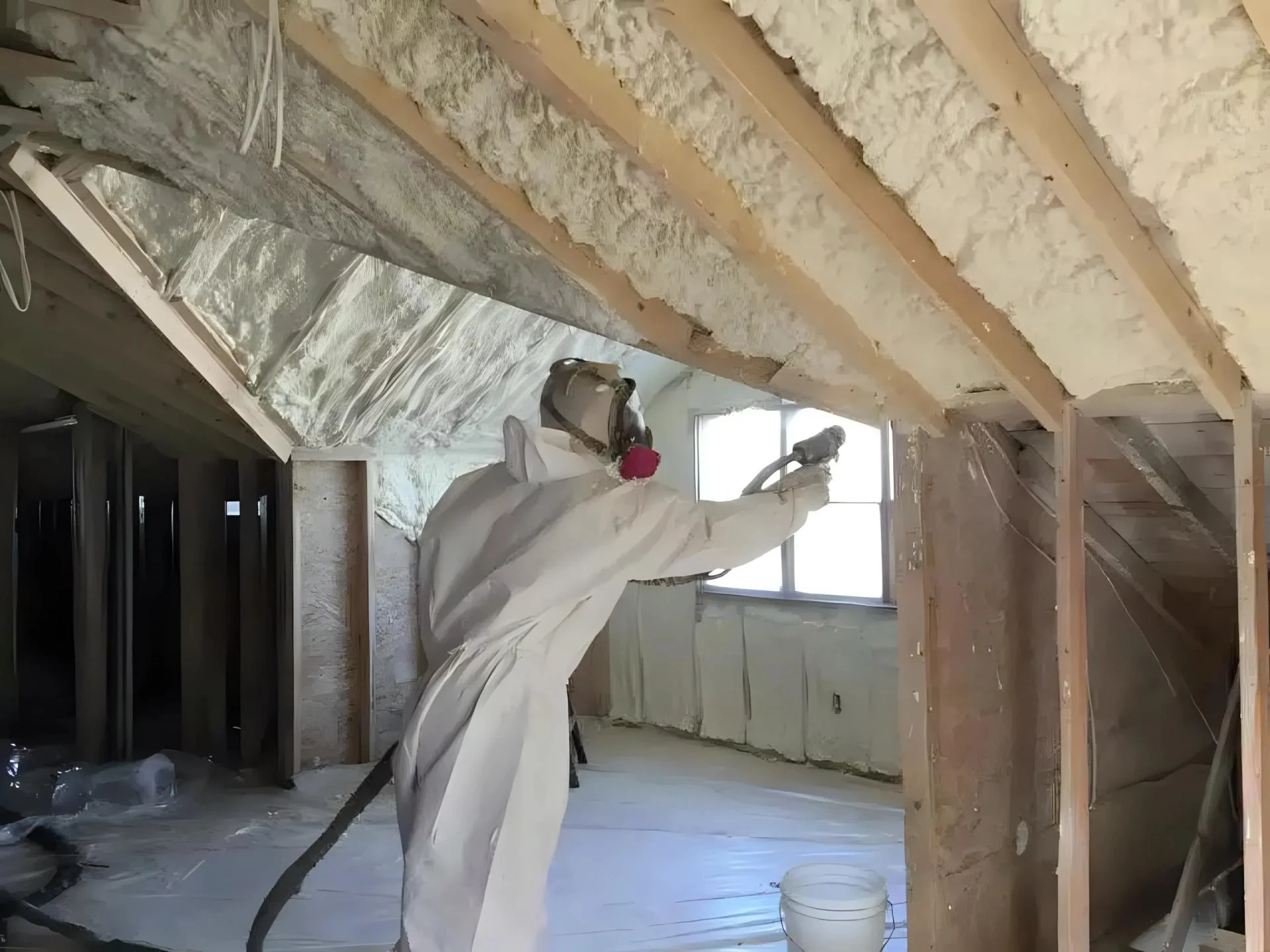
A significant trend in modern construction is the move toward unvented attic assemblies using spray foam. By sealing the underside of the roof deck, the attic becomes a semi-conditioned space. This prevents the massive heat buildup that typically occurs in vented attics, which can reach 150 degrees Fahrenheit. Keeping the attic cool protects storage items and prevents heat from radiating down into the living areas.
Comparing Insulation Standards
The expectations for insulation performance have changed. The following table illustrates the difference between the old standard and what homeowners expect in 2025.
| Feature | Traditional Standard (Fiberglass/Cellulose) | 2025 Standard (Spray Foam) |
|---|---|---|
| Air Sealing | Poor (Requires separate labor) | Excellent (Built-in) |
| Moisture Management | Absorbs moisture (Risk of mold) | Rejects moisture (Water resistant) |
| Lifespan | 10 to 15 years (Sags over time) | 80+ years (Permanent adhesion) |
| Structural Impact | None | Adds rigidity to roof deck |
| Pest Deterrence | Often used as nesting material | Not a food source or nesting material |
Improving Resale Value
Real estate agents report that energy-efficient upgrades are top selling points. Buyers are asking for utility bill history and insulation details before making offers. A certified efficient home commands a higher price in the competitive 2025 market.
Health and Indoor Air Quality
The definition of a comfortable home now includes the quality of the air residents breathe. Traditional fibrous insulation can trap dust, rodent waste, and moisture, eventually becoming a source of indoor pollution.
Blocking Outdoor Pollutants
Modern spray foam creates a monolithic seal that stops air infiltration. This means dust, pollen, and exhaust fumes from outside cannot easily penetrate the home. For individuals with allergies or respiratory issues, this air-sealing capability is a primary motivation for upgrading.
Humidity Control
In humid climates, moisture control is synonymous with mold prevention. When humid air leaks into wall cavities and meets cool surfaces, condensation forms. High-performance insulation prevents this airflow, thereby removing the moisture source that leads to hidden mold growth.
Things to Consider Before Making a Decision
While the benefits are clear, homeowners should approach an insulation upgrade with a plan. Not every product fits every home, and application matters more than the material itself.
Assessing the Current State
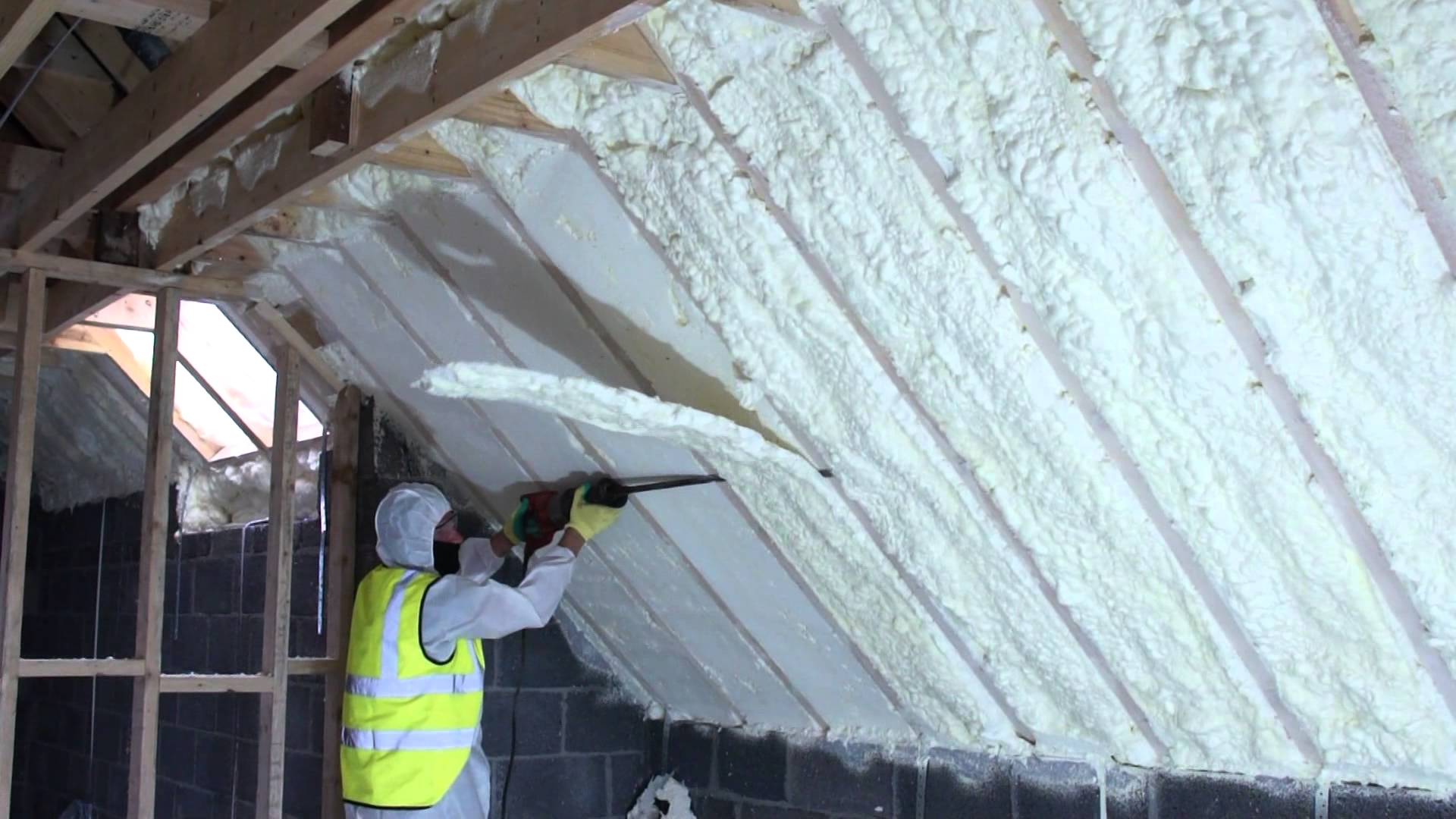
Before spending money, a homeowner should understand what is currently in their attic. If the existing insulation is wet, damaged by pests, or contaminated, it must be removed. simply adding new material over bad insulation can hide problems rather than fix them.
choosing the Right Contractor
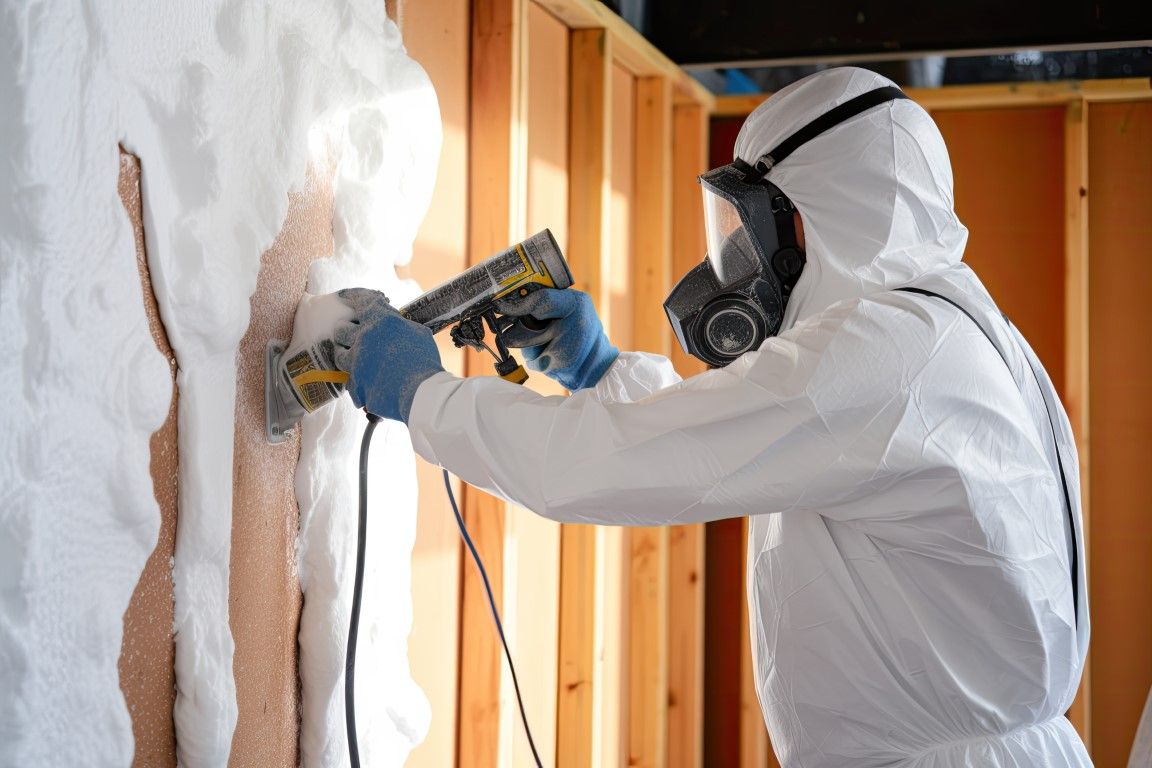
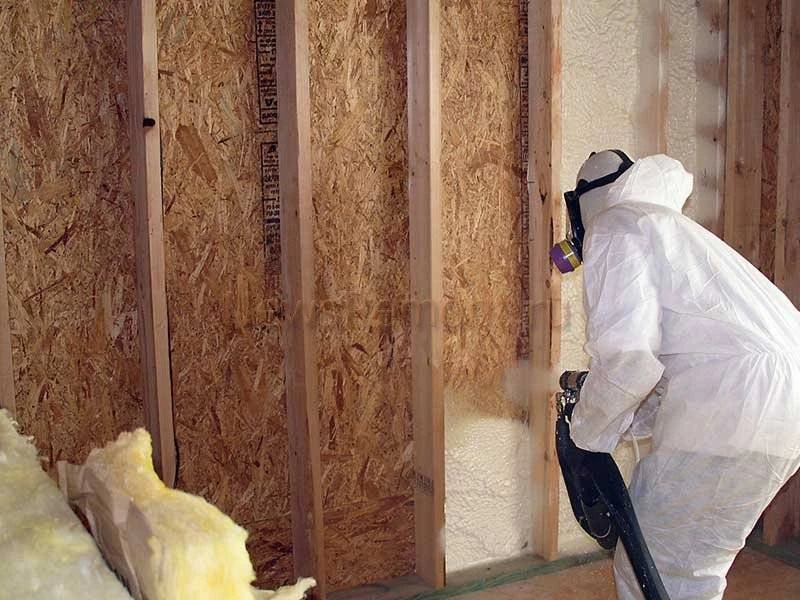
The popularity of insulation in 2025 has brought many new installers to the market. It is vital to verify that the company has a track record of success. Proper mixing of spray foam requires precise equipment and training. An inexperienced crew can result in a job that smells or does not cure correctly.
Understanding the "System" Approach
Insulation does not work in a vacuum. Changing the airtightness of a house affects how it breathes. A professional will evaluate ventilation needs to ensure the home gets enough fresh air exchange once the leaks are sealed.
Common Questions About Modern Insulation
Here are answers to five frequent inquiries regarding insulation upgrades in 2025.
Is spray foam environmentally friendly?
Yes, modern spray foam formulations have improved significantly. Many use blowing agents with low Global Warming Potential (GWP) and contain recycled plastics. By reducing energy consumption over the life of the home, they have a net positive environmental impact.
How long does a retrofit installation take?
For an average-sized home, the process typically takes one to two days. This includes the removal of old material and the application of the new insulation. The disruption to the household is minimal.
Will insulation soundproof my house?
Open-cell spray foam is an excellent sound absorber. It reduces noise transfer from the outside, such as traffic or storms, and creates a quieter interior environment. Closed-cell foam helps, but open-cell is superior for acoustics.
Does insulation help in the summer?
Absolutely. In hot climates, the primary role of insulation is to block radiant heat from entering the home. A well-insulated attic acts as a shield, keeping the living space cool even during the hottest part of the day.
Is it expensive to upgrade?
While the upfront cost is higher than it was a decade ago, the return on investment is faster due to higher energy costs. Many homeowners find that the monthly savings on their electric bill cover a significant portion of the financing cost for the project.
Summary of Key Takeaways
The surge in insulation popularity in 2025 is the result of a convergence of economic necessity, climate adaptation, and health awareness. Homeowners are no longer willing to tolerate energy waste or uncomfortable living conditions. By sealing the thermal envelope, they secure their finances against rising rates and protect their property from the wear and tear of extreme weather.
Whether the goal is to lower the carbon footprint, improve indoor air quality, or simply keep the house cool, high-performance insulation offers a solution. It is a long-term investment that improves the functionality and value of the home for decades.
Taking the Next Step for Your Home
For property owners ready to join the movement toward efficiency, professional guidance ensures the job is done right. All in Overhall provides expert consultation and installation services tailored to the specific needs of the South Florida climate.
They focus on delivering honest assessments and precision workmanship to maximize energy savings. Readers interested in evaluating their home's potential can contact the team at (561) 406-3835 or send an email to [email protected]. Making the switch to modern insulation is a decision that pays off every month.
Author: Richard Hall founded ALL IN OVERHALL, Your Local Spray Foam Insulation Company in Jupiter, FL, on January 3, 2022, to offer honest and reliable insulation services across South Florida. He focuses on clear communication and careful workmanship to improve comfort and reduce energy costs. His team helps homeowners and businesses create spaces that stay cooler and more efficient year-round.
Reviewer: Lucas Mitchell has 6 years of experience in spray foam insulation. He reviewed this article and helped refine the ideas to strengthen the brand's presence and reach homeowners seeking reliable insulation.























Sign in to leave a comment.