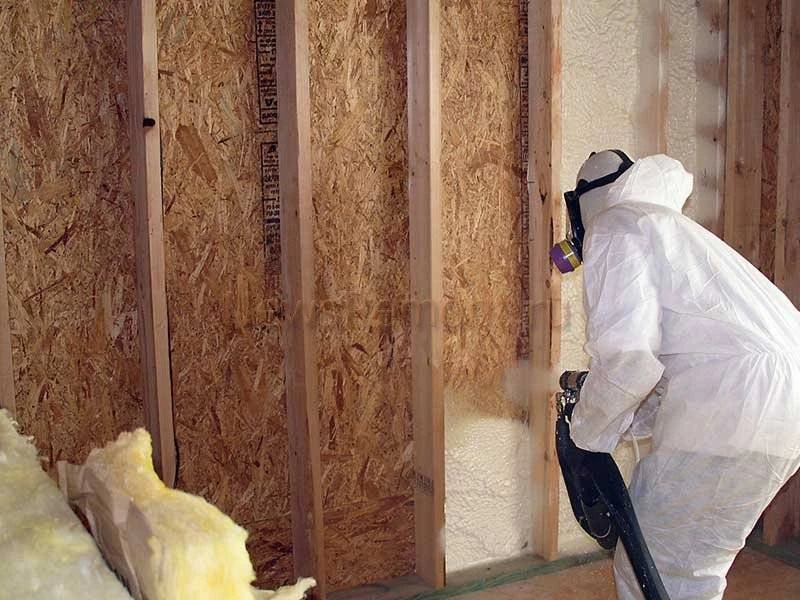

Closed-cell spray foam provides a high thermal resistance and a complete air seal in a single application, making it a standard for modern energy-efficient design. This material serves as both insulation and a vapor barrier, which simplifies the construction process while maximizing a building's thermal performance. Architects and builders increasingly rely on this technology to meet strict building codes and reduce long-term energy consumption for residential and commercial properties.
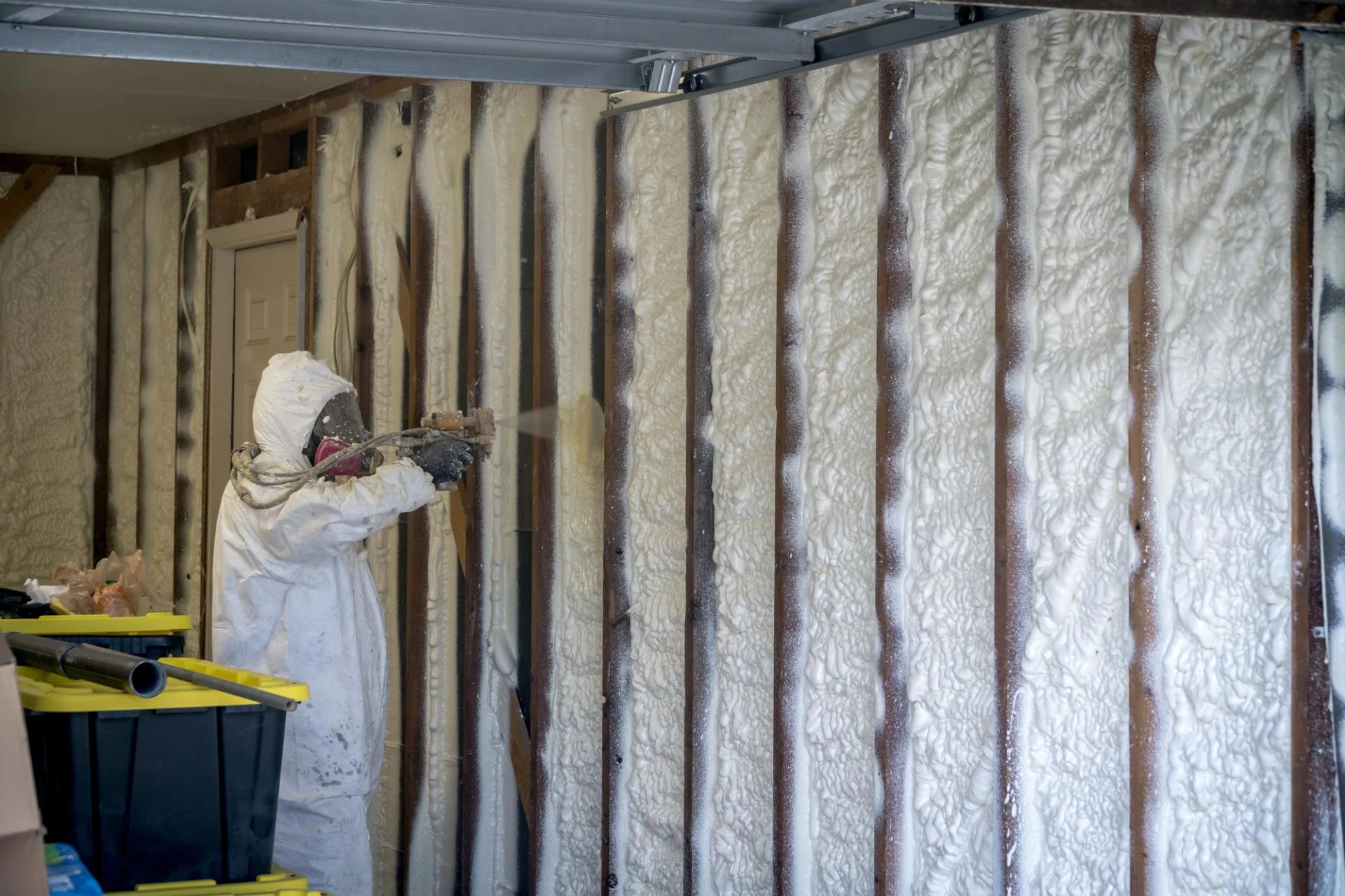
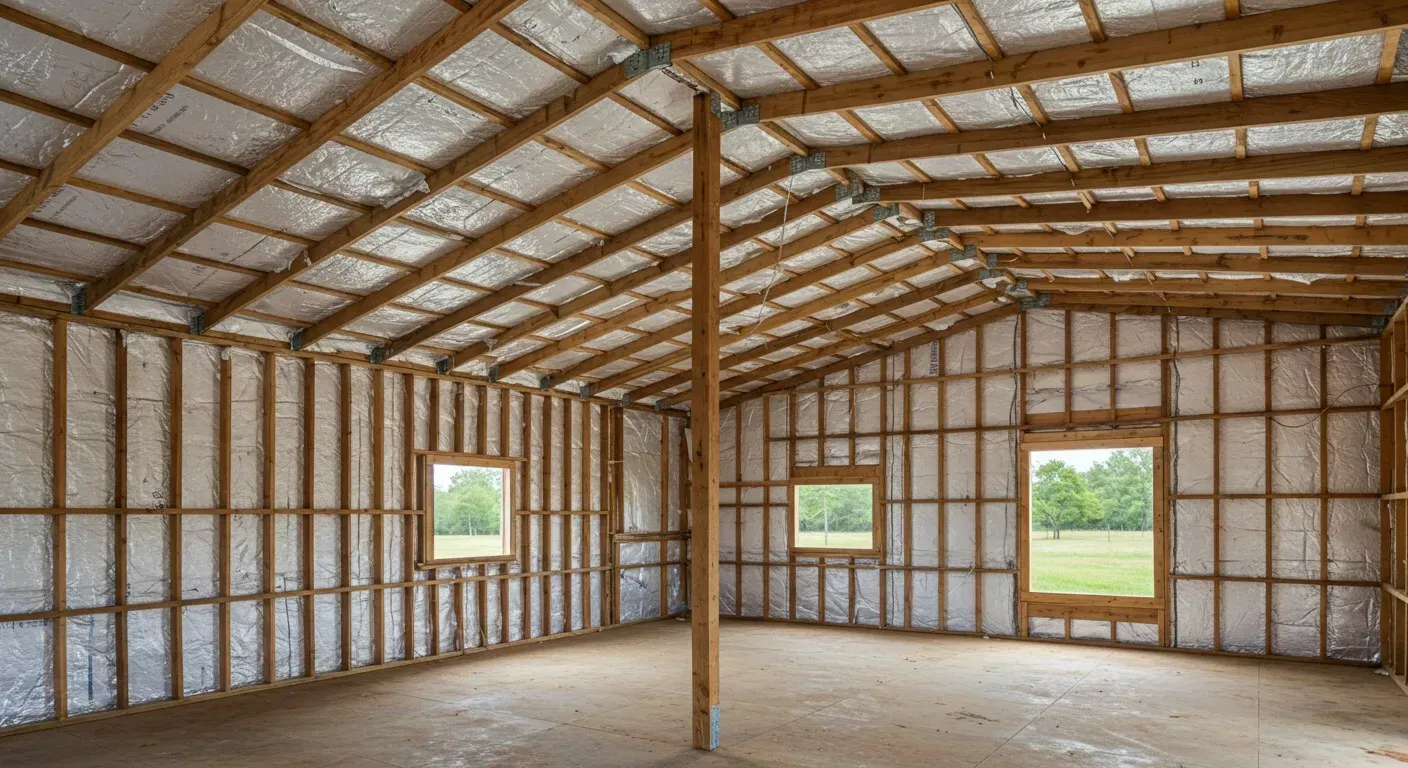
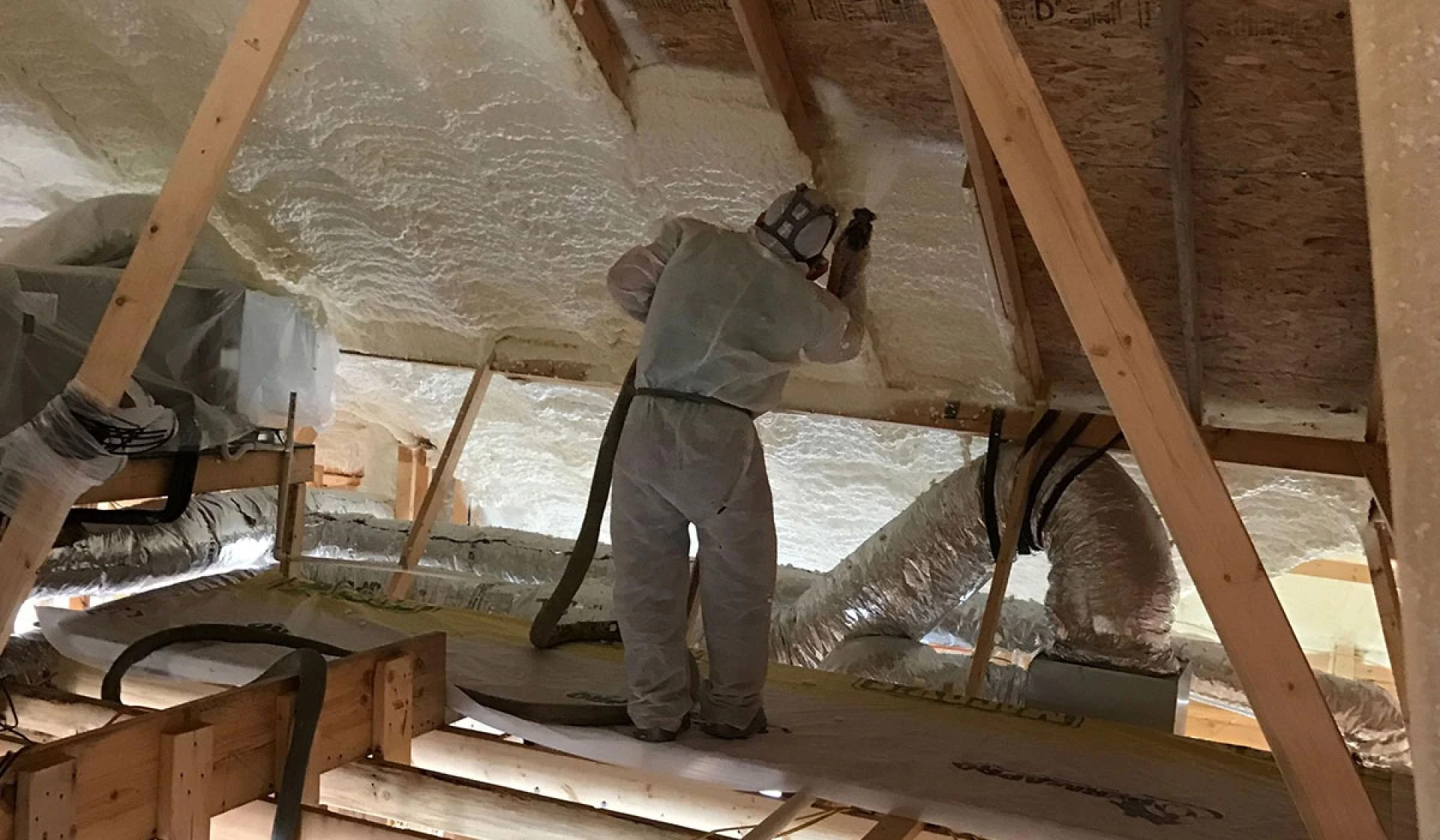
The material expands into a dense, rigid structure with closed-cell spray foam insulation that fills every gap and crack in the building envelope. This expansion stops air leakage, which accounts for a large percentage of energy waste in traditional buildings. By creating a sealed environment, this insulation allows smaller, more efficient HVAC systems to maintain comfortable indoor temperatures with much less effort.
High Performance Characteristics of Closed-Cell Materials
Closed-cell spray foam differs from other insulation types due to its high density and moisture resistance. The cells within the foam are completely sealed and filled with a gas that helps the material resist heat transfer. This structure yields an R-value of nearly 7.0 per inch, which is significantly higher than that of fiberglass or cellulose.

Because the cells are closed, the foam is also waterproof and acts as a barrier against vapor. This is especially useful in regions where humidity levels remain high for most of the year. The material does not absorb water, which prevents mold and mildew from growing in the walls or attic.
- The high density of the foam adds physical strength to the walls and roof of a building.
- It remains in place without sagging or settling for many decades after the initial application.
- The material creates a continuous thermal break, preventing heat from traveling through wooden studs.
- It reduces the entry of outdoor pollutants and allergens by sealing off tiny air pathways.
- The foam's rigidity can increase a roof's wind uplift resistance during severe weather.
Structural Integration and Building Longevity
Modern design often focuses on a building's lifespan and the durability of its components. Closed-cell foam bonds tightly to the surfaces where it is applied, creating a unified structure. This bonding helps to reinforce the building, making it more resistant to the stresses of wind and environmental changes.
Comparing Common Insulation Specifications
Choosing the right insulation requires considering how different materials perform under different conditions. While traditional materials are common, they often fail to provide the same level of air sealing and moisture protection as modern spray foam solutions.
| Insulation Material | R-Value per Inch | Air Barrier | Vapor Barrier | Structural Strength |
|---|---|---|---|---|
| Closed-Cell Spray Foam | 6.5 to 7.0 | Yes | Yes | High |
| Open-Cell Spray Foam | 3.5 to 3.8 | Yes | No | Low |
| Fiberglass Batts | 3.1 to 3.4 | No | No | None |
| Blown-in Cellulose | 3.2 to 3.8 | No | No | None |
Advanced Moisture and Air Management
Energy-efficient design requires a careful balance of air movement and moisture control. Closed-cell foam creates an airtight seal, preventing the exchange of unconditioned outdoor air with conditioned indoor air. This control is essential for avoiding the sticky feeling often caused by high humidity in tropical climates like South Florida.
Long Term Thermal Stability
The thermal resistance of closed-cell foam does not degrade over time. Unlike fiberglass, which can lose its effectiveness if it gets damp or compressed, spray foam maintains its R-value for the life of the building. This stability ensures that the energy savings seen in the first year will continue for many years to come.
Bonus Tip
Using closed-cell foam in crawl spaces provides a superior moisture barrier, protecting floor joists from rot and decay.
Regional Guidance for South Florida Construction
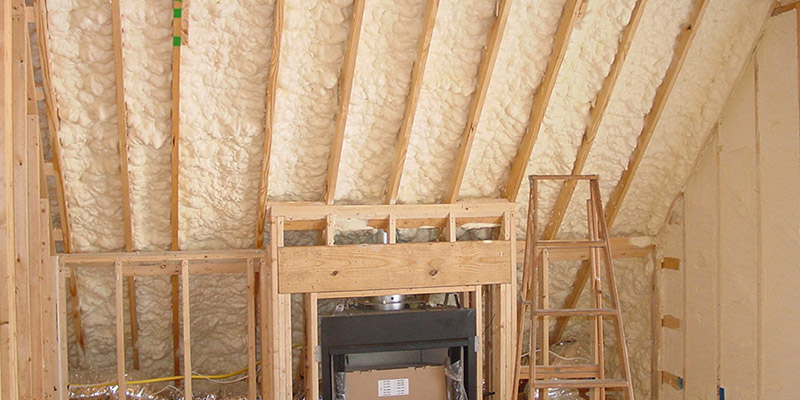
In South Florida, the intense sun and heavy rainfall present specific challenges for home insulation. The need for constant cooling often dominates energy costs. Using closed-cell foam in the attic can lower the attic temperature by as much as 30 degrees during the peak of summer.
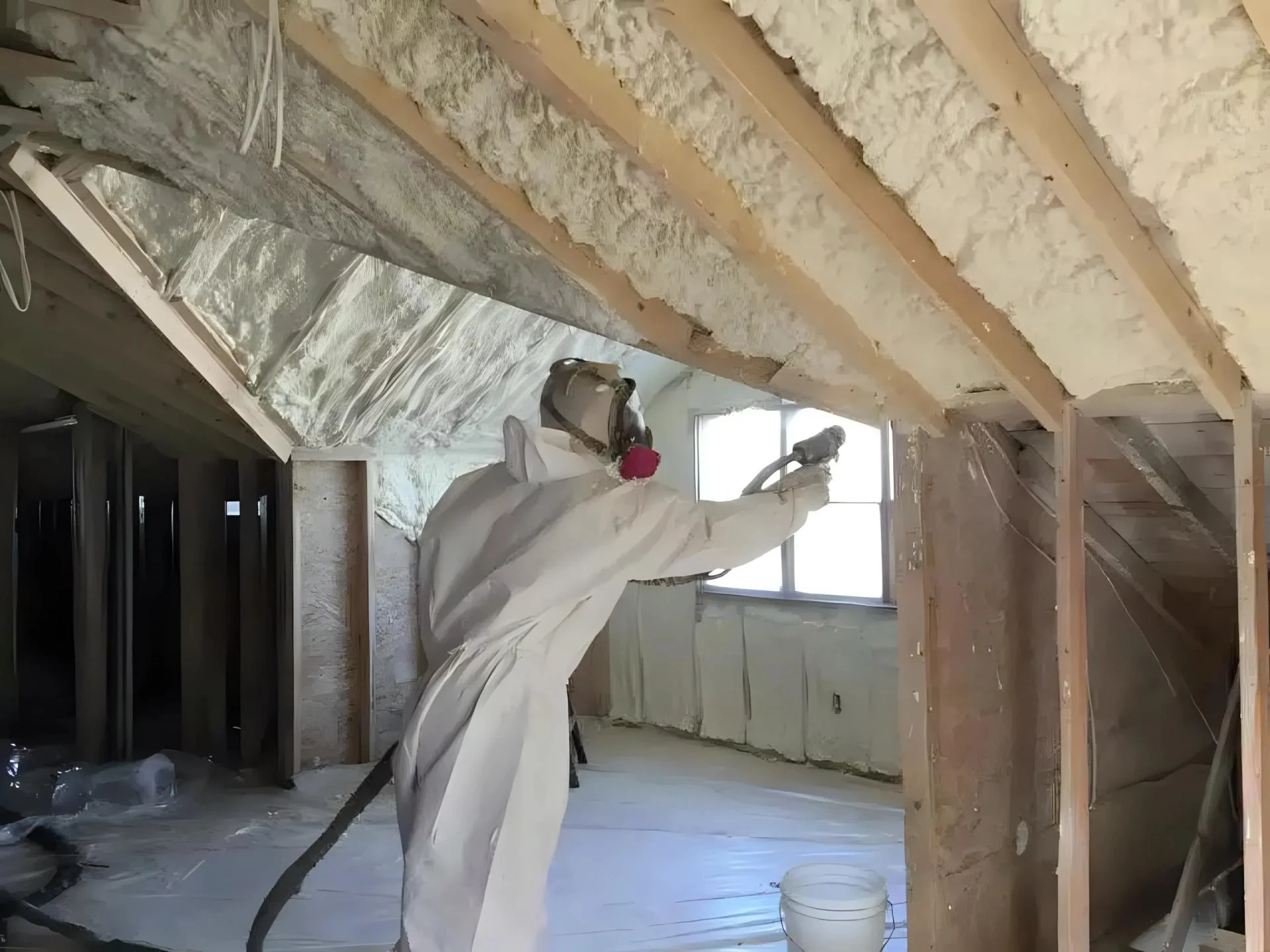
- Applying foam directly to the underside of the roof deck keeps the attic within the conditioned space.
- This method protects attic-mounted air-conditioning ducts from extreme heat.
- The material helps keep out the salt air, which can be corrosive to certain building components.
- It provides an extra layer of protection against water intrusion during heavy tropical storms.
- The foam's soundproofing reduces noise from heavy rain and loud thunder.
Things to Consider Before Making a Decision
Property owners should evaluate their specific goals before selecting an insulation type. While the initial cost of closed-cell foam is higher than traditional materials, the long-term savings and structural benefits often outweigh the upfront expense. It is a decision that affects the property's comfort and value for a long time.
- The age of the building and the condition of the current insulation layers.
- The specific areas of the home that experience the most heat gain or air leakage.
- Whether the building is in a high-wind zone that requires extra structural reinforcement.
- The long-term plans for the property and the desired level of energy efficiency.
- The reputation and technical skill of the installation crew performing the work.
Bonus Tip
Homeowners should ask for a comprehensive inspection to ensure there are no existing roof leaks before the foam is applied.
Common Questions About Closed-Cell Spray Foam
How does closed-cell foam help during a hurricane?
Closed-cell foam is a rigid material that bonds to the roof deck and the rafters. This bond can increase the wind uplift resistance of the roof, helping to keep it attached during high-wind events. It also acts as a secondary water barrier if the primary roofing material is damaged.
Is the material safe for indoor air quality?
Once the foam is fully cured, which usually takes about 24 hours, it becomes an inert material. It does not release particles or harmful chemicals into the home. By sealing out dust and outdoor allergens, it actually helps to improve the overall indoor air quality for the residents.
Does this insulation require any maintenance?
Spray foam is a set-and-forget solution that requires no maintenance after it is installed. It does not settle like cellulose or sag like fiberglass. As long as it is protected from direct sunlight and physical damage, it will continue to provide the same level of insulation for the life of the house.
Can closed-cell foam be used in existing homes?
Yes, it can be applied to existing homes, especially in attics or crawl spaces. If the wall cavities are open during a renovation, it is an excellent time to install it. For closed walls, other methods like injection foam might be more appropriate, but the attic remains the most effective place for an upgrade.
Will it make the home too airtight?
Modern buildings are designed to be airtight to save energy, but they still need fresh air. A well-insulated home often uses a controlled ventilation system to bring in fresh air without losing the cooled air inside. This ensures the air stays fresh while the energy bills remain low.
Final Thoughts on Sustainable Building Practices
Closed-cell spray foam is a major part of the shift toward more sustainable and energy-efficient building practices. Its ability to provide thermal resistance, air sealing, and structural strength makes it a versatile tool for any construction project. Property owners who invest in this technology can expect a more comfortable living environment and significantly lower utility costs. Evaluating a building's specific needs and choosing high-performance materials is the best way to prepare a property for the future of energy design.
Choosing Professional Guidance for Your Home
Selecting the right partner for an insulation project ensures that the material is applied safely and correctly. All in Overhall provides expert services that focus on clear communication and high-quality results for local residents. Property owners can reach out to the team at [email protected] or call (561) 406-3835 for more information about their services. The company helps families across South Florida create spaces that stay cooler and more energy-efficient year-round.
Author: Richard Hall founded ALL IN OVERHALL, Your Local Spray Foam Insulation Company in Jupiter, FL, on January 3, 2022, to offer honest and reliable insulation services across South Florida. He focuses on clear communication and careful workmanship to improve comfort and reduce energy costs.
Reviewer: Lucas Mitchell has 6 years of experience in spray foam insulation. He reviewed this article and helped refine the ideas to strengthen the brand's presence and reach homeowners seeking reliable insulation.

























Sign in to leave a comment.