

For many people, the concept of home comfort is tied directly to the thermostat. However, true indoor comfort involves much more than just the temperature setting on a wall. It is a combination of consistent air movement, humidity levels, air quality, and even acoustic privacy. In today’s building science practices, modern spray foam insulation has emerged as a primary solution for those seeking to stabilize these factors for the long term.
Unlike traditional materials that simply slow down the transfer of heat, spray foam acts as both a thermal barrier and a high-performance air seal. This dual functionality addresses the root causes of discomfort that often plague residential and commercial properties.
The Science of Air Sealing and Comfort
To understand why spray foam is so effective, it is helpful to look at how air moves through a building. Most structures have thousands of tiny pathways—gaps around pipes, electrical wires, recessed lighting, and where the walls meet the foundation or the roof. These gaps allow for a phenomenon known as air infiltration.
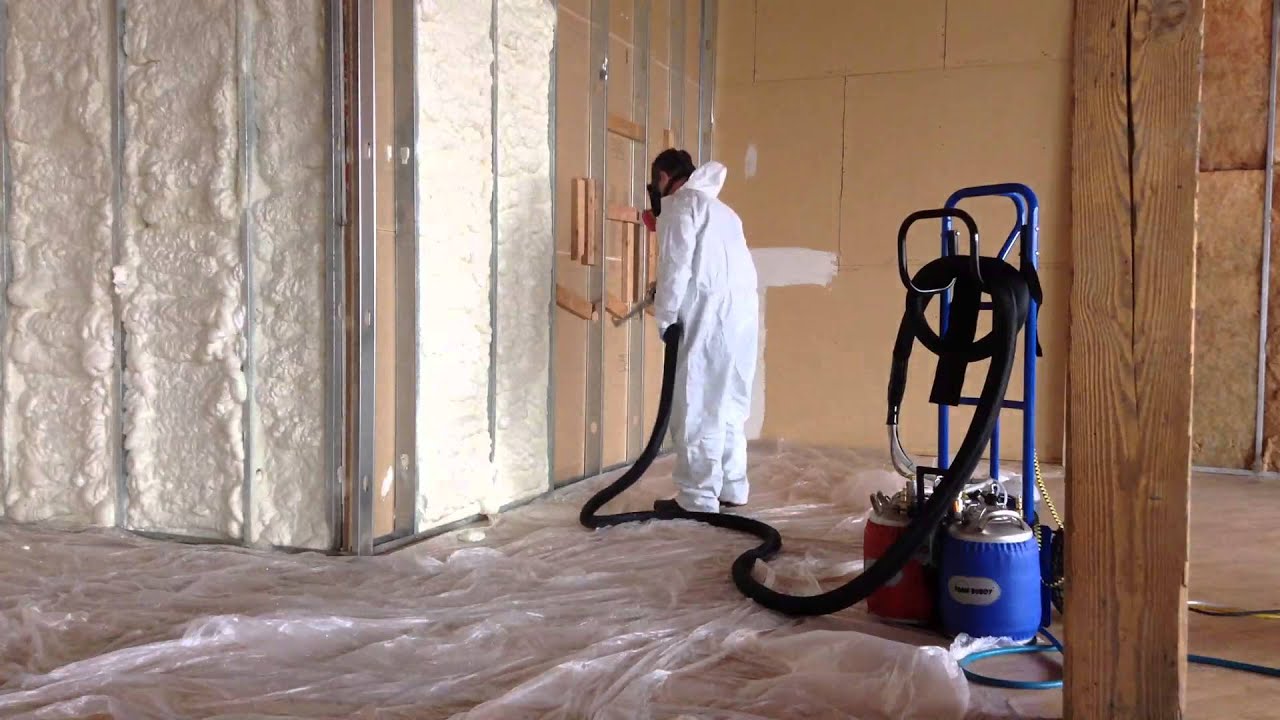
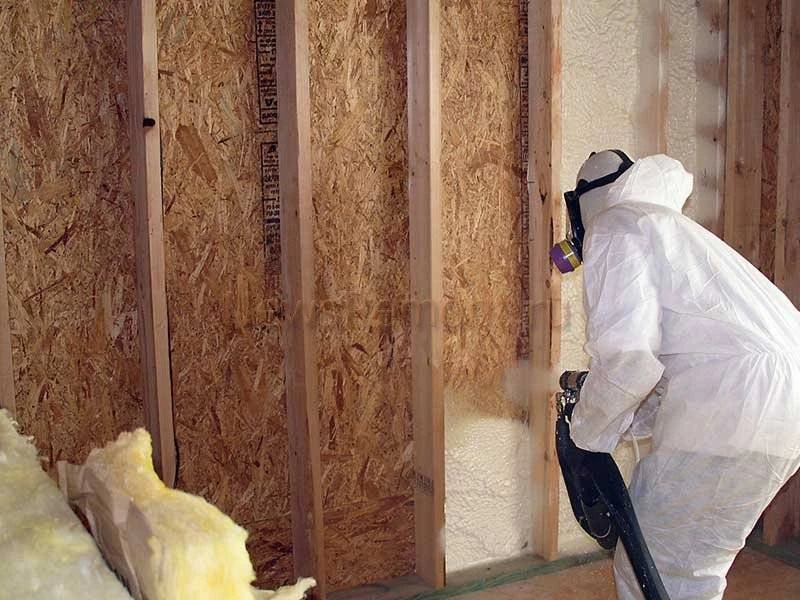
In the winter, cold air is drawn into the lower levels of a home, while warm air escapes through the top (often called the "stack effect"). In the summer, the process reverses, pulling in hot, humid air. This constant exchange makes rooms feel drafty and forces mechanical systems to work harder. Spray foam insulation expands to several times its liquid volume upon application, filling these crevices. By creating a custom-fit seal, it stops the unwanted movement of air, ensuring that the air occupants pay to heat or cool stays inside.
Eliminating Drafts and Hot Spots
One of the most immediate benefits noticed by those living in a foam-insulated building is the disappearance of drafts. Traditional insulation materials, such as fiberglass batts, are often prone to "voids." Because they are pre-cut to standard sizes, they rarely fit perfectly into the unique shapes of a wall cavity. This leaves small pockets where air can circulate freely.
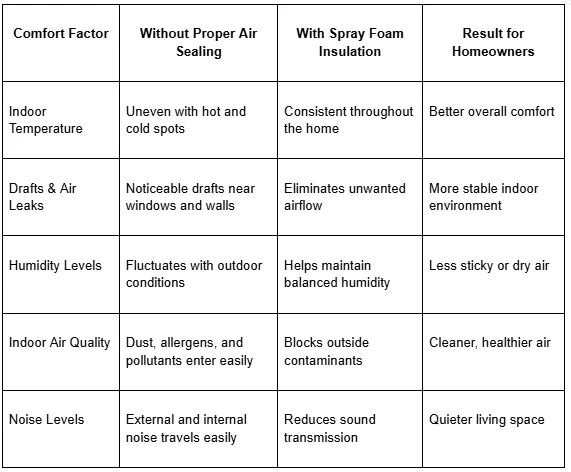
Spray foam eliminates these voids by adhering directly to the framing. This creates a monolithic barrier that prevents wind-driven drafts from entering the living space. Furthermore, because the material covers the "thermal bridges," the wooden or metal studs that typically conduct heat, it helps maintain a uniform temperature across the entire wall surface. This means occupants no longer feel a chill when standing near an exterior wall or a sudden wave of heat when walking into a room with a sun-facing exposure.
Key Comfort Improvements with Spray Foam Insulation
Humidity Control and Moisture Management
Comfort is often a matter of how much moisture is in the air. High humidity can make a room feel "stuffy" or "heavy," while excessively dry air can lead to skin and respiratory irritation. Air sealing plays a vital role in humidity management because outdoor air often carries significant moisture.
When a building is not properly sealed, humid air leaks into the wall cavities. This can lead to condensation, which not only feels uncomfortable but can also cause long-term structural issues. Spray foam insulation provides a barrier that prevents this moisture-laden air from migrating through the building envelope. By keeping the indoor humidity at a stable, controlled level, the living environment remains crisp and comfortable, regardless of the weather conditions outside.
Improving Indoor Air Quality
Indoor air quality (IAQ) is a major component of overall well-being. For many occupants, comfort is defined by the absence of allergens, dust, and outdoor pollutants. Traditional insulation can sometimes act as a filter, trapping dust and pollen within its fibers, which can then be circulated through the home.
Because spray foam creates an airtight seal, it acts as a primary defense against the entry of outdoor pollutants. Pollen, city smog, and dust are physically blocked from entering through the walls and attic. For people with seasonal allergies or respiratory sensitivities, this creates a "sanctuary" effect where the indoor air is significantly cleaner than the air outside. Additionally, since foam does not provide a food source for mold or pests, it further protects the air quality from biological contaminants.
Acoustic Comfort and Noise Reduction
Comfort is not only a physical sensation but also an auditory one. A quiet home feels more private and relaxing. Spray foam insulation, particularly open-cell foam, has excellent sound-dampening properties.

The structure of the foam contains millions of tiny cells that trap and dissipate sound waves. When applied to exterior walls, it helps dull the sound of traffic, sirens, and neighbors. When used in interior walls such as between a bedroom and a laundry room or home office, it provides a significant reduction in sound transmission. This acoustic privacy is a long-term benefit that enhances the livability of a property, making it feel more substantial and peaceful.
Long-Term Performance and Stability
One of the most frustrating aspects of home maintenance is the gradual degradation of building materials. Many types of insulation will settle or sag over five to ten years, leaving the top of wall cavities uninsulated. This leads to a slow decline in comfort that occupants might not notice until their energy bills spike or rooms become noticeably colder.
Spray foam is dimensionally stable. Once it has expanded and cured, it maintains its shape for the life of the building. It does not compress, shift, or lose its R-value over time. This means the level of comfort experienced in the first month after installation will be the same level of comfort experienced twenty years later. For property owners, this permanence offers peace of mind, knowing that the "functional health" of the building is secured.
Supporting Mechanical System Efficiency
While the insulation itself provides comfort, it also allows the home's HVAC system to perform at its best. In a poorly sealed home, the air conditioner or furnace must cycle on and off constantly to keep up with the air leaking out. This creates a "seesaw" effect where the temperature is constantly fluctuating.
In a home with a tight air seal provided by spray foam, the mechanical systems can operate more predictably. They reach the target temperature faster and stay there longer. This reduces the mechanical noise of the system constantly starting up and ensures a more gentle, consistent flow of air, which is much more comfortable for the occupants than the "blast" of air from an overworked system.
Frequently Asked Questions
Does spray foam make a home "too tight" for air quality?
No. Spray foam creates an airtight seal, but modern homes use mechanical ventilation systems (like ERVs or HRVs) to ensure controlled, clean airflow instead of uncontrolled air leaks.
How does spray foam help in the summer, specifically?
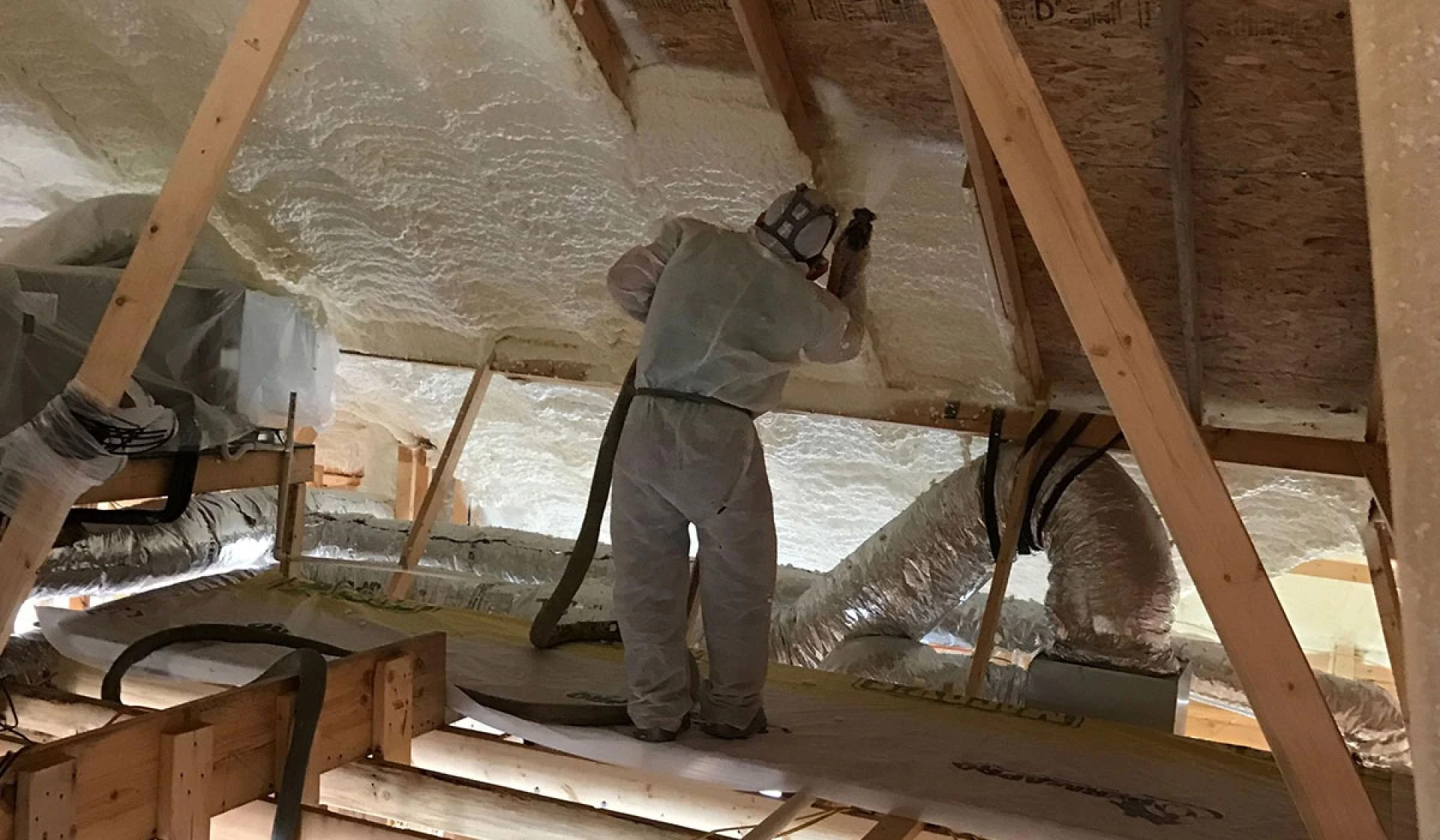
In summer, spray foam on the roof deck keeps the attic cooler, reducing heat transfer into living spaces and improving comfort.
Can spray foam help with street noise?
Yes. The density and air-sealing properties of spray foam are very effective at reducing the transmission of airborne sounds, such as cars driving by or wind whistling through gaps.
Will I notice a difference in comfort immediately?
Most occupants report an immediate change in the "feel" of the air and a lack of drafts as soon as the installation is complete and the material has cured.
Conclusion
Spray foam insulation is more than just a way to save on energy; it is a fundamental upgrade to the living experience. By focusing on the twin goals of thermal resistance and total air sealing, it addresses the physical factors that dictate how a building feels to its inhabitants. From the elimination of cold drafts and hot spots to the management of humidity and the reduction of outdoor noise, the benefits are both immediate and enduring.
Investing in a high-performance building envelope through spray foam ensures that a property remains a stable, healthy, and quiet environment for the long term. For those who prioritize a consistent and high-quality indoor climate, understanding the functional role of spray foam is the first step toward achieving a truly comfortable home.
Ready to experience a more comfortable indoor environment?
Reach out to All in Overhall, a trusted insulation professional, to discover how spray foam can transform your property’s comfort and deliver the permanent air seal your home deserves. For expert guidance and a personalized consultation, call (561) 406-3835 or email: [email protected] today.


























Sign in to leave a comment.