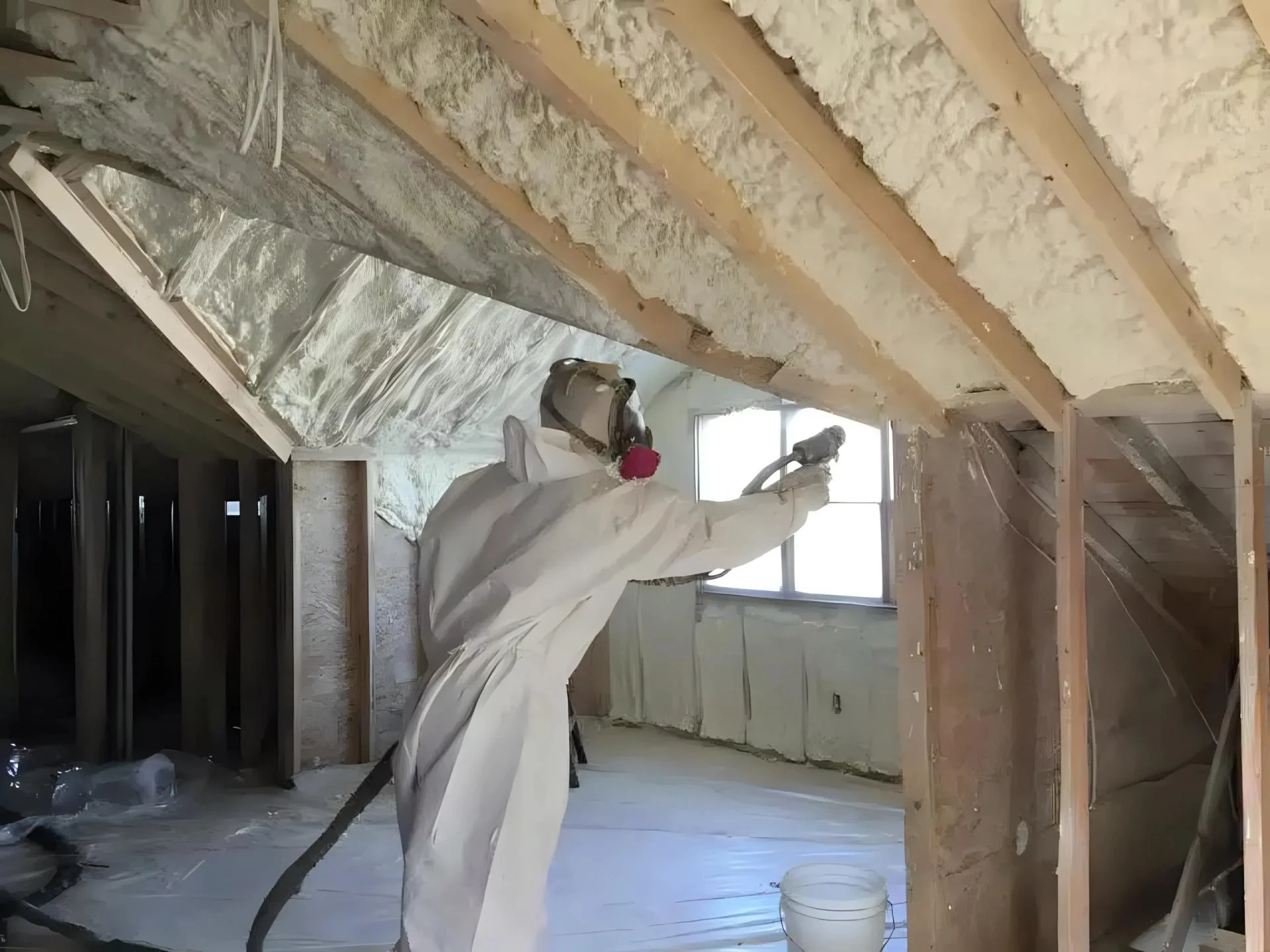

Spray foam insulation reduces energy waste primarily by creating an airtight seal that prevents conditioned air from escaping and hot, humid outdoor air from entering. Unlike traditional materials that only resist heat transfer, spray foam insulation in Wellington, FL, expands to fill cracks and crevices, effectively eliminating the air leaks that account for up to 40% of a home's energy loss. In the intense climate of Wellington, Florida, this thermal envelope significantly lowers the workload on air conditioning systems, resulting in immediate and long-term utility savings.
Establishing a sealed boundary is the most effective method for stabilizing indoor temperatures. When the building envelope is secure, the HVAC system does not need to run constantly to combat infiltrating heat. Industry data indicates that homes with proper spray foam application see a drastic reduction in energy consumption. For homeowners in South Florida, this translates to a cooler living space and a mechanical system that lasts longer due to reduced operational strain.
The Science of Air Sealing and Thermal Resistance
Energy waste in residential buildings often stems from two main physical processes: conduction and convection. Conduction is heat moving through solid materials, while convection is heat moving through air currents. Traditional fiberglass batts resist conduction but do little to stop convection.
Spray foam addresses both issues simultaneously. It provides a high R-value per inch to slow conductive heat flow and creates a physical barrier that stops convective air movement. This dual action is essential in Wellington, where the temperature difference between the attic and the living space can be extreme during summer months.
stopping the Stack Effect
Air naturally moves from the bottom of a house to the top, a phenomenon known as the stack effect. As hot air rises and escapes through the roof, it creates a vacuum that pulls in warm, unconditioned air through gaps in windows, doors, and the foundation.

Eliminating Drafts and Hot Spots
By sealing the attic roof deck with spray foam, installers effectively cap the chimney, stopping this upward flow of air. This keeps the conditioned air where it belongs: inside the rooms where people live.
Reducing Dust and Allergens
Air leaks do not just carry heat; they carry pollen, dust, and outdoor pollutants. A sealed home has better indoor air quality because the air entering the home passes through the HVAC filter rather than through dirty attic insulation.
Bonus Tip: Thermal Imaging Inspections
Homeowners suspicious of energy loss should request a thermal imaging inspection. This technology reveals invisible temperature differences in walls and ceilings, pinpointing exactly where insulation is missing or where air is leaking.
Wellington’s Unique Climate Challenges
The climate in Wellington presents specific challenges that differ from cooler regions. The combination of high ambient temperatures and oppressive humidity levels means that moisture control is just as important as temperature control.
Battling Humidity Infiltration
Standard insulation materials like cellulose or fiberglass are air-permeable. When humid Florida air passes through them, moisture can get trapped against cooler surfaces, leading to condensation. This wet environment reduces the effectiveness of the insulation and promotes mold growth.
Closed-cell spray foam is impermeable to water. It acts as a vapor retarder, preventing moisture from passing through the roof assembly. This protection is vital for preserving the structural integrity of the roof and preventing water damage during heavy storms.
The Benefit of Unvented Attics
In traditional construction, attics are vented to allow heat to escape. However, this brings hot, humid air into the attic where ductwork is often located.

Creating a Semi-Conditioned Space
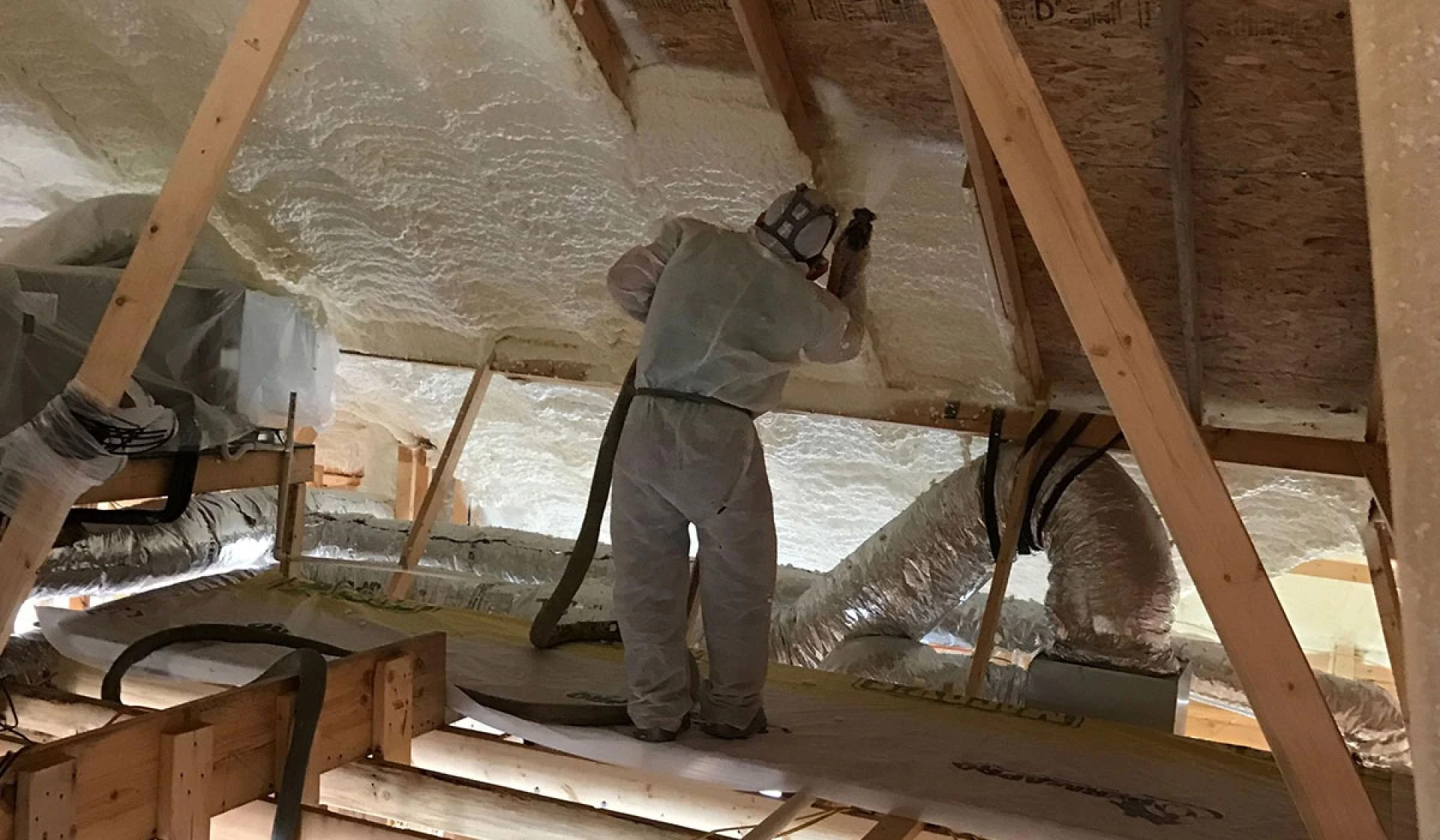
By applying spray foam to the underside of the roof deck and sealing the vents, the attic becomes a semi-conditioned space. The temperature in the attic drops to within a few degrees of the living area. This means the ductwork is no longer baking in 140-degree heat, allowing it to deliver colder air more efficiently.
Comparing Insulation Materials for South Florida
Selecting the right material is a decision that impacts the home for decades. While initial costs vary, the long-term performance differs significantly between product types.
The following table compares common insulation options based on their performance in a hot, humid climate:
| Feature | Closed-Cell Spray Foam | Open-Cell Spray Foam | Fiberglass Batts | Blown-In Cellulose |
|---|---|---|---|---|
| Air Seal | Excellent | Good | Poor | Poor |
| Moisture Barrier | Yes (Waterproof) | No (Breathable) | No | No (Absorbs Water) |
| R-Value (per inch) | 6.0 - 7.0 | 3.5 - 3.8 | 2.9 - 3.8 | 3.2 - 3.8 |
| Wind Uplift Support | Adds Structural Strength | Minimal | None | None |
| Lifespan | 80+ Years | 80+ Years | 10-15 Years | 20-30 Years |
Why Closed-Cell is Preferred in Hurricane Zones
Wellington is in a wind-borne debris region. Closed-cell foam cures into a rigid plastic that glues the roof sheathing to the trusses. This added strength can increase the roof's resistance to uplift forces during a hurricane, providing a layer of safety that soft insulation cannot match.
Things to Consider Before Making a Decision
Upgrading insulation is a significant investment. Before proceeding, property owners should evaluate their specific goals and the current condition of their home.
Existing Insulation Removal
In many retrofit projects, the old, dusty insulation on the attic floor must be removed. This removal allows the team to inspect the drywall ceiling for cracks and seal any penetrations from electrical wires or plumbing. Removing the old material also eliminates odors and potential allergens trapped in the dust.
HVAC System Sizing
When a home becomes highly efficient, the existing air conditioning unit might be too large for the new cooling load. An oversized unit cools the air too quickly and shuts off before it removes enough humidity. Homeowners should consult with an HVAC professional to ensure their system creates a comfortable balance of temperature and dryness.
Bonus Tip: Insurance Premium Discounts
Because closed-cell foam strengthens the roof, some insurance carriers in Florida offer credits for wind mitigation. Homeowners should ask their insurance agent if a spray foam upgrade qualifies them for a reduction in premiums.
Common Questions About Spray Foam Insulation
Here are answers to frequently asked questions regarding spray foam applications in residential properties.
Does spray foam really lower electric bills?
Yes, most homeowners report a reduction in energy costs ranging from 20% to 50% depending on the original condition of the home. The savings come from reduced AC runtime and the elimination of duct leakage in the attic.
Is spray foam safe for my family?
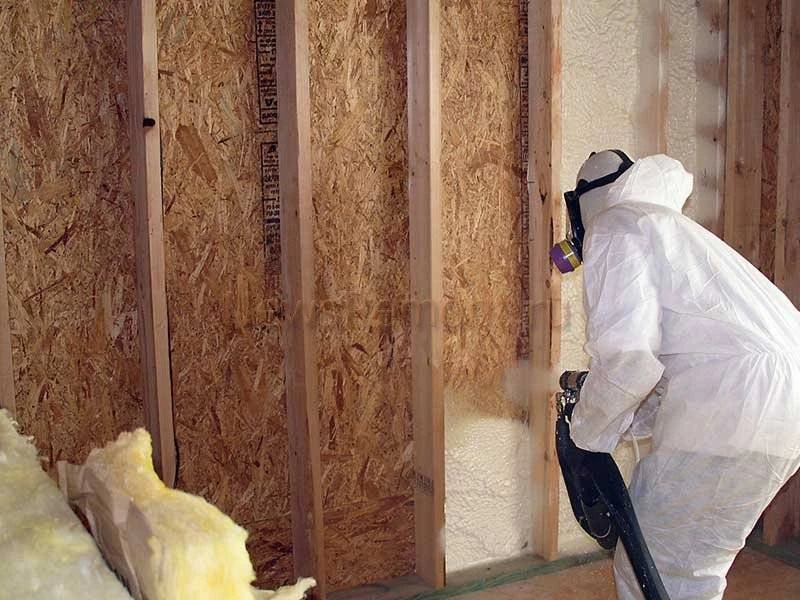
Modern spray foam is safe when applied by trained professionals who follow safety protocols. Once the material cures, typically within 24 to 48 hours, it becomes inert and does not release harmful gases. Ventilation during application ensures safety.
Can I spray foam over my existing insulation?
It is generally not recommended to spray foam over existing fiberglass or cellulose on the attic floor. To get the full benefit of an encapsulated attic, the foam should be applied to the roof deck, and the old floor insulation should be removed to allow for proper air circulation and storage usage.
Will my roof rot if I seal the attic?
This is a common myth. When applied correctly, spray foam prevents moisture from reaching the roof deck from the inside. In hot climates like Florida, an unvented attic assembly works well because it prevents condensation on the underside of the roof sheathing.
How long does the installation take?
For an average-sized home in Wellington, the process usually takes one to two days. This includes the time needed to prep the area, remove old insulation, apply the new foam, and clean up the job site.
Summary of Key Takeaways
Spray foam insulation offers a comprehensive solution to energy waste by addressing the root causes of heat gain and air leakage. For Wellington residents, the transition to a sealed, unvented attic assembly protects the home from humidity, reduces the strain on mechanical systems, and creates a more consistent indoor climate. The ability of closed-cell foam to reject moisture and strengthen the roof structure adds value beyond simple energy savings.
Evaluating the condition of the current insulation and understanding the specific demands of the South Florida climate allows homeowners to make an informed choice. By prioritizing air sealing and moisture control, property owners secure a more efficient, durable, and comfortable living environment.
Taking the Next Step for Your Home
For those ready to stop energy waste and improve home comfort, consulting with a local expert is the practical next step. All in Overhall provides detailed assessments for homes in Wellington and the surrounding areas, helping residents identify exactly where they are losing money.
They offer honest evaluations and precise installation services designed to meet the specific needs of the local climate. Readers interested in scheduling a consultation or learning more about their options can contact the company at (561) 406-3835 or via email at [email protected]. Professional guidance ensures the investment delivers maximum returns for years to come.
Author: Richard Hall founded ALL IN OVERHALL, Your Local Spray Foam Insulation Company in Jupiter, FL, on January 3, 2022, to offer honest and reliable insulation services across South Florida. He focuses on clear communication and careful workmanship to improve comfort and reduce energy costs. His team helps homeowners and businesses create spaces that stay cooler and more efficient year-round.
Reviewer: Lucas Mitchell has 6 years of experience in spray foam insulation. He reviewed this article and helped refine the ideas to strengthen the brand's presence and reach homeowners seeking reliable insulation.

























Sign in to leave a comment.