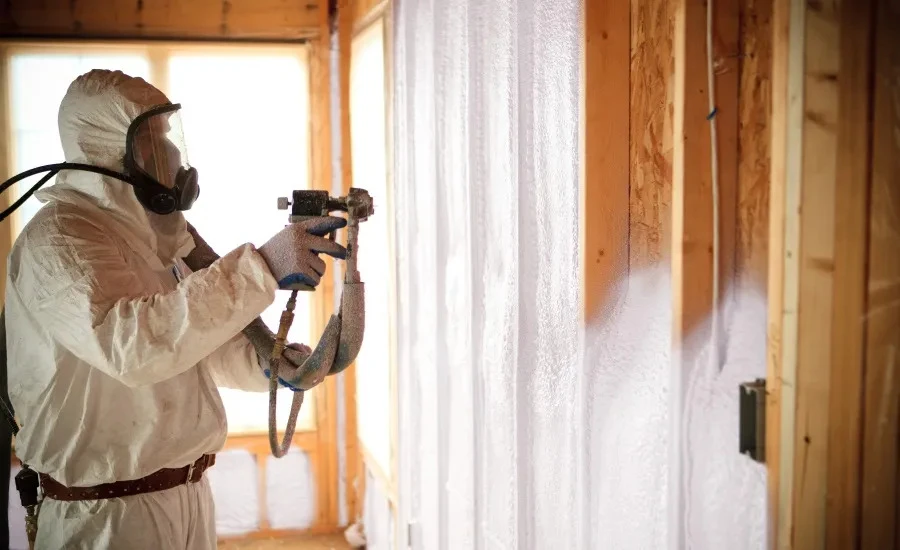

Spray foam insulation creates an immediate, tangible shift in a building's comfort level by forming a continuous air barrier that traditional materials cannot match. While fiberglass or cellulose slows down heat transfer, spray foam insulation expands to fill cracks, gaps, and crevices, effectively stopping air leakage. This results in consistent indoor temperatures, significant reductions in monthly energy bills, and a noticeable decrease in outside noise and humidity infiltration.
Homeowners often search for solutions that offer more than just thermal resistance on paper. They want to feel the difference in their living rooms and see the difference in their bank accounts. Industry experts understand that insulation effectiveness relies heavily on the quality of installation and the type of material used. Proper application turns a standard attic or wall into a sealed envelope, protecting the interior environment from harsh external weather conditions regardless of the season.
Tangible Comfort and Temperature Control
The most immediate benefit occupants notice after installation is the elimination of temperature fluctuation. In many homes, certain rooms feel hotter or colder than others due to poor air sealing. Spray foam expands up to 100 times its original volume, sealing the building envelope. This prevents conditioned air from escaping and stops outdoor air from intruding, maintaining a steady thermostat reading throughout the structure.
Eliminating Hot and Cold Spots
Uneven temperatures often force HVAC systems to run longer as they attempt to equalize the climate across different rooms. By sealing the perimeter, spray foam ensures that the air residents pay to cool or heat stays where it belongs. This creates a uniform temperature from the ground floor to the upper levels, removing the need for space heaters or extra fans in specific rooms.
The Air Seal Difference
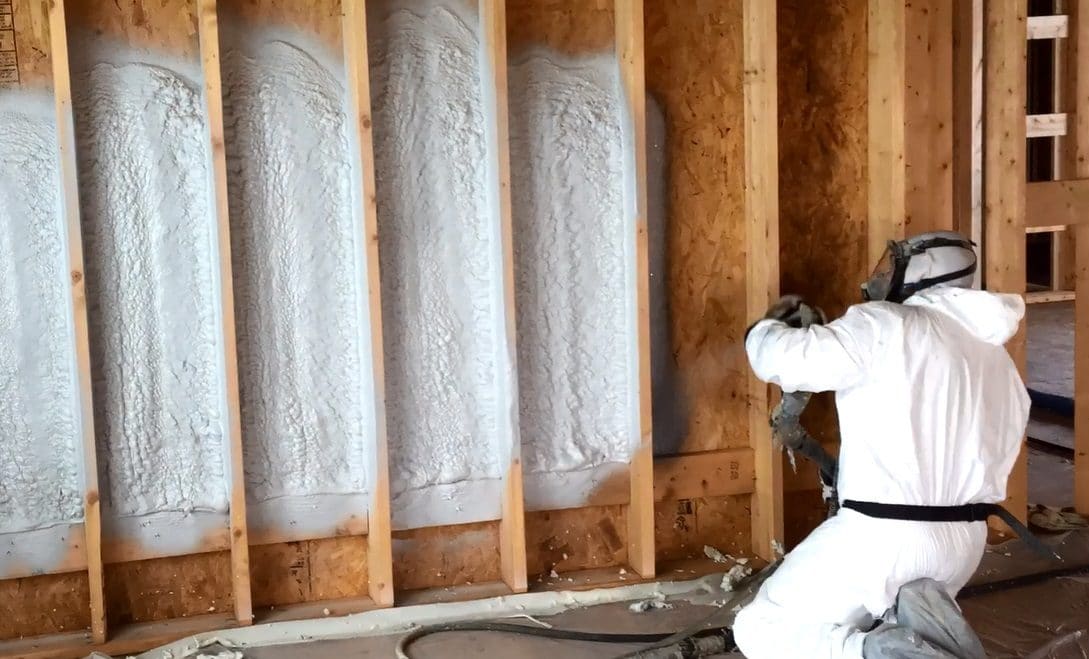
Air leakage accounts for a massive portion of energy waste in residential buildings. Unlike fiberglass batts that can sag or leave gaps around electrical outlets and pipes, spray foam adheres directly to the substrate. This adhesion creates a tight seal that blocks drafts entirely.
Noise Reduction Capabilities
Beyond temperature, spray foam serves as an effective sound barrier. Open-cell foam, in particular, possesses sound-dampening qualities that reduce noise transmission from outside traffic, neighbors, or weather events. It also minimizes sound transfer between rooms within the house, creating a quieter, more peaceful living environment.
Financial Impact and Energy Efficiency
Investing in spray foam insulation yields a high return on investment through monthly utility savings. Because the HVAC system does not have to fight against constant air leakage, it operates less frequently and with less intensity. Over time, this efficiency extends the lifespan of heating and cooling equipment while drastically lowering operational costs.
Comparison of Insulation Types
Understanding the technical differences helps property owners see why spray foam often outperforms other options. The table below outlines key performance metrics between common insulation materials.
| Feature | Open-Cell Spray Foam | Closed-Cell Spray Foam | Fiberglass Batts |
|---|---|---|---|
| R-Value (per inch) | R-3.5 to R-3.8 | R-6.0 to R-7.0 | R-2.2 to R-2.7 |
| Air Barrier | Yes | Yes | No |
| Moisture Barrier | No (permeable) | Yes (impermeable) | No |
| Structural Strength | Low | High (adds rigidity) | None |
| Lifespan | 80+ years | 80+ years | 10-25 years |
Reduction in HVAC Workload
Data indicates that heating and cooling account for approximately 50% to 70% of the energy used in the average American home. By tightening the building envelope with spray foam, homeowners can significantly reduce this consumption. Market observations suggest that homes insulated with spray foam can achieve energy savings of 15% to 50% compared to those with traditional insulation, depending on the severity of the local climate.
Indoor Air Quality and Health
A sealed home does more than save money; it improves the air residents breathe. Traditional insulation can trap dust, pollen, and pests, which eventually circulate through the air ducts. Spray foam creates a solid barrier that keeps these external pollutants out. This is particularly beneficial for individuals suffering from allergies or respiratory issues.

Moisture and Mold Prevention
In humid climates like South Florida, moisture control is a primary concern. When warm, moist air meets cool interior surfaces, condensation occurs, creating a breeding ground for mold and mildew. Closed-cell spray foam acts as a vapor barrier, preventing moisture from passing through walls and roofs. This inhibits mold growth and protects the structural integrity of the wood framing.
Bonus Tip: Managing Humidity
When installing spray foam in an attic, the space becomes "unvented." This often requires an adjustment to the HVAC system to include a fresh-air intake or a dehumidifier, keeping indoor humidity at optimal levels for comfort and health.
Things to Consider Before Making a Decision
Before scheduling an installation, property owners must evaluate their specific needs and the structure of their building. Not all foam is created equal, and the choice between open-cell and closed-cell variants depends on the application area and budget.
Open-Cell vs. Closed-Cell
Open-cell foam is lighter, less expensive, and excellent for soundproofing, making it ideal for interior walls and standard residential attics. Closed-cell foam is dense, rigid, and water-resistant, making it the better choice for areas prone to flooding, exterior walls, and buildings requiring additional structural strength.
Application Areas
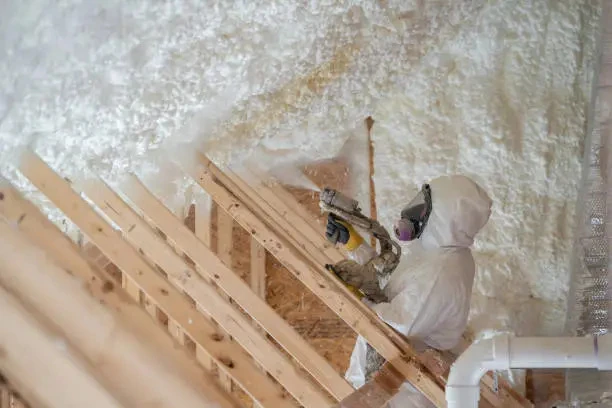
Different areas of a home require specific approaches. For example, insulating the underside of a roof deck differs from insulating a crawl space. Homeowners should consult with professionals to determine which product suits the roofline versus the subfloor to maximize efficiency and durability.
Questions People Ask About Spray Foam Insulation
Is spray foam insulation safe for my family?
Yes, once the material has cured and the home has been adequately ventilated, it is inert and safe. Professional installers monitor the off-gassing process to ensure the air quality returns to safe levels before residents re-enter the home, usually within 24 to 48 hours.
How long does spray foam insulation last?
Spray foam is an indefinite solution. Unlike fiberglass, which can settle, compress, or degrade over time, spray foam maintains its shape and performance for the life of the building, often exceeding 80 years without needing replacement.
Can spray foam be applied to an existing home?
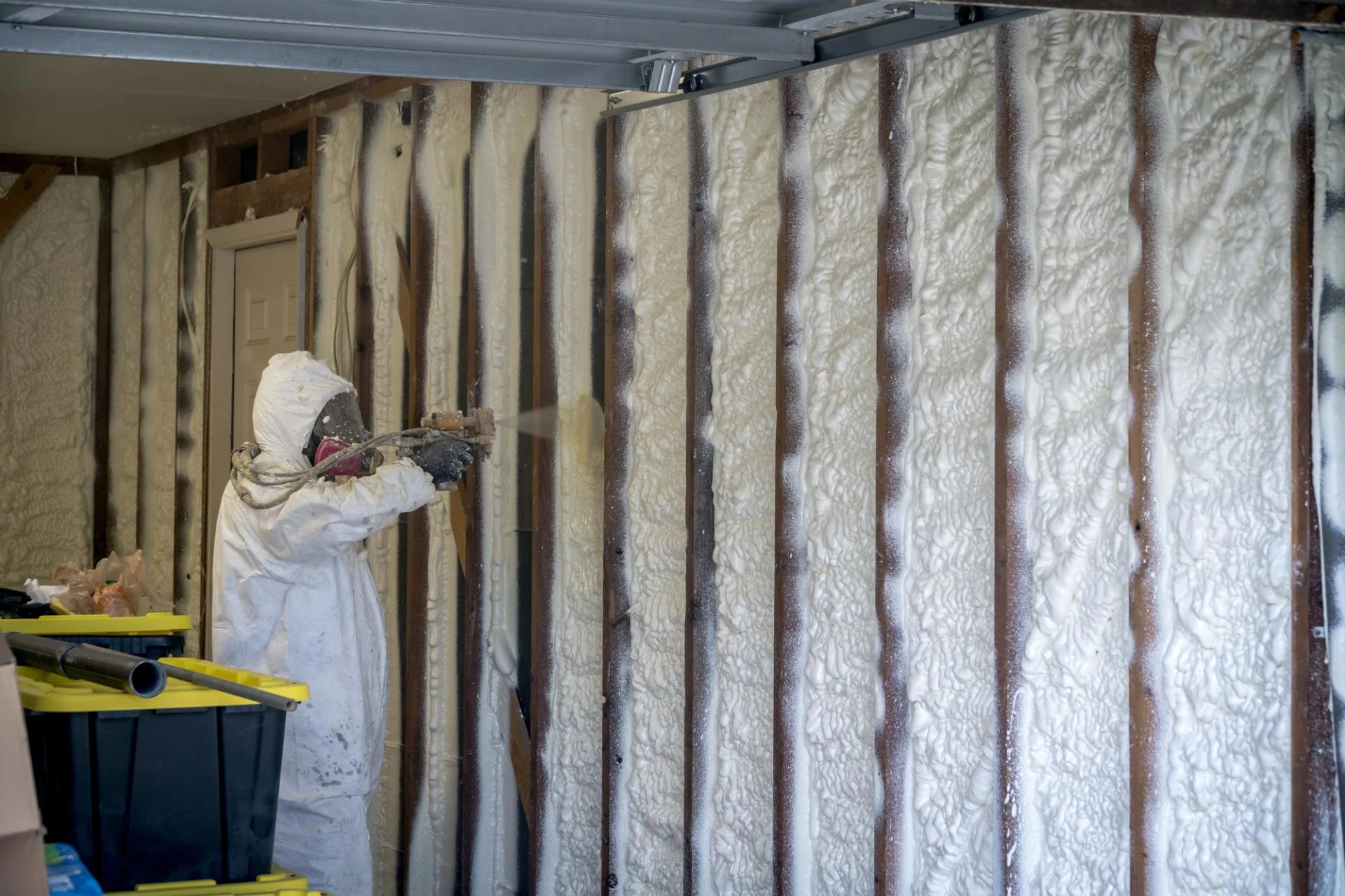
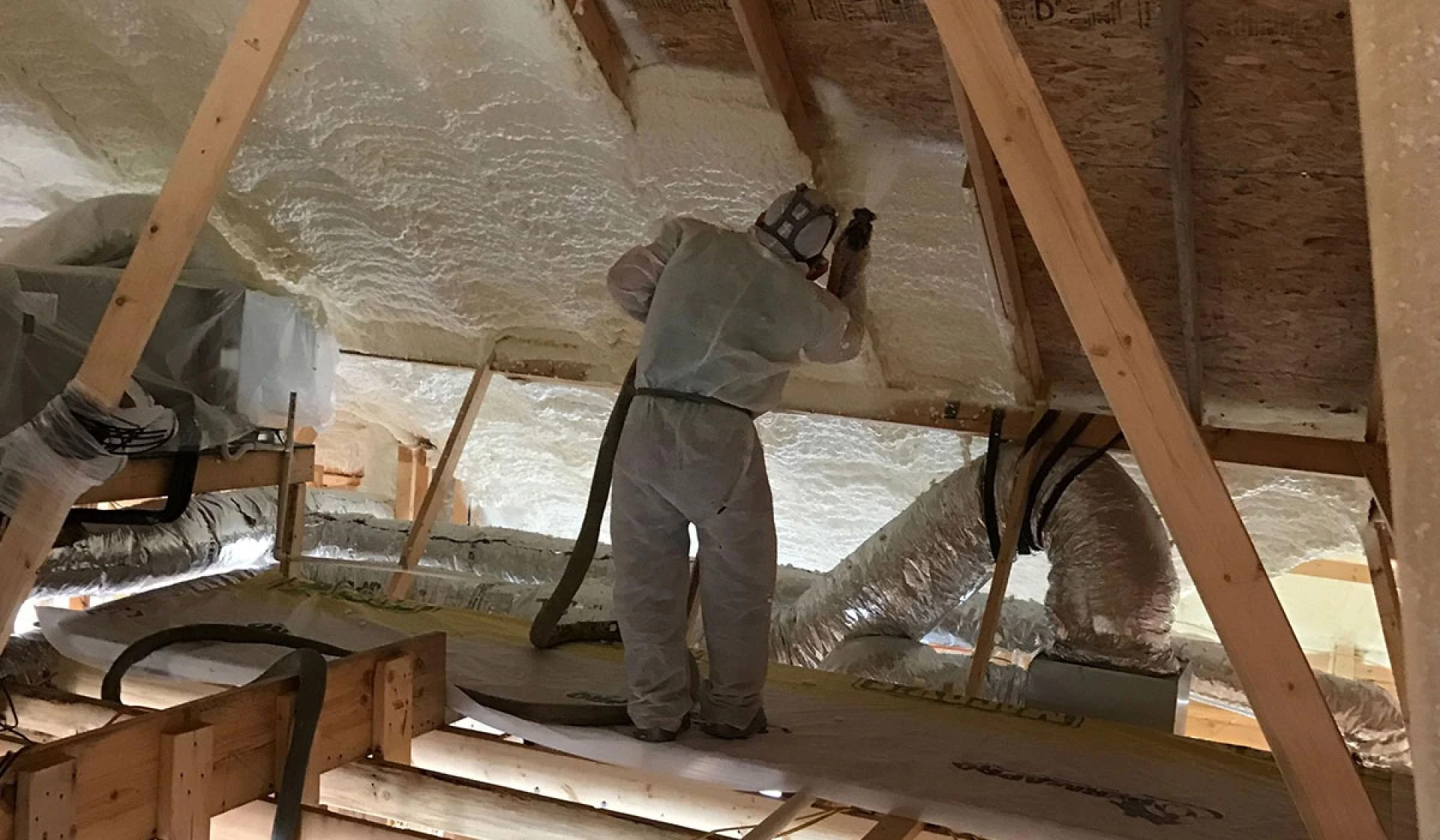
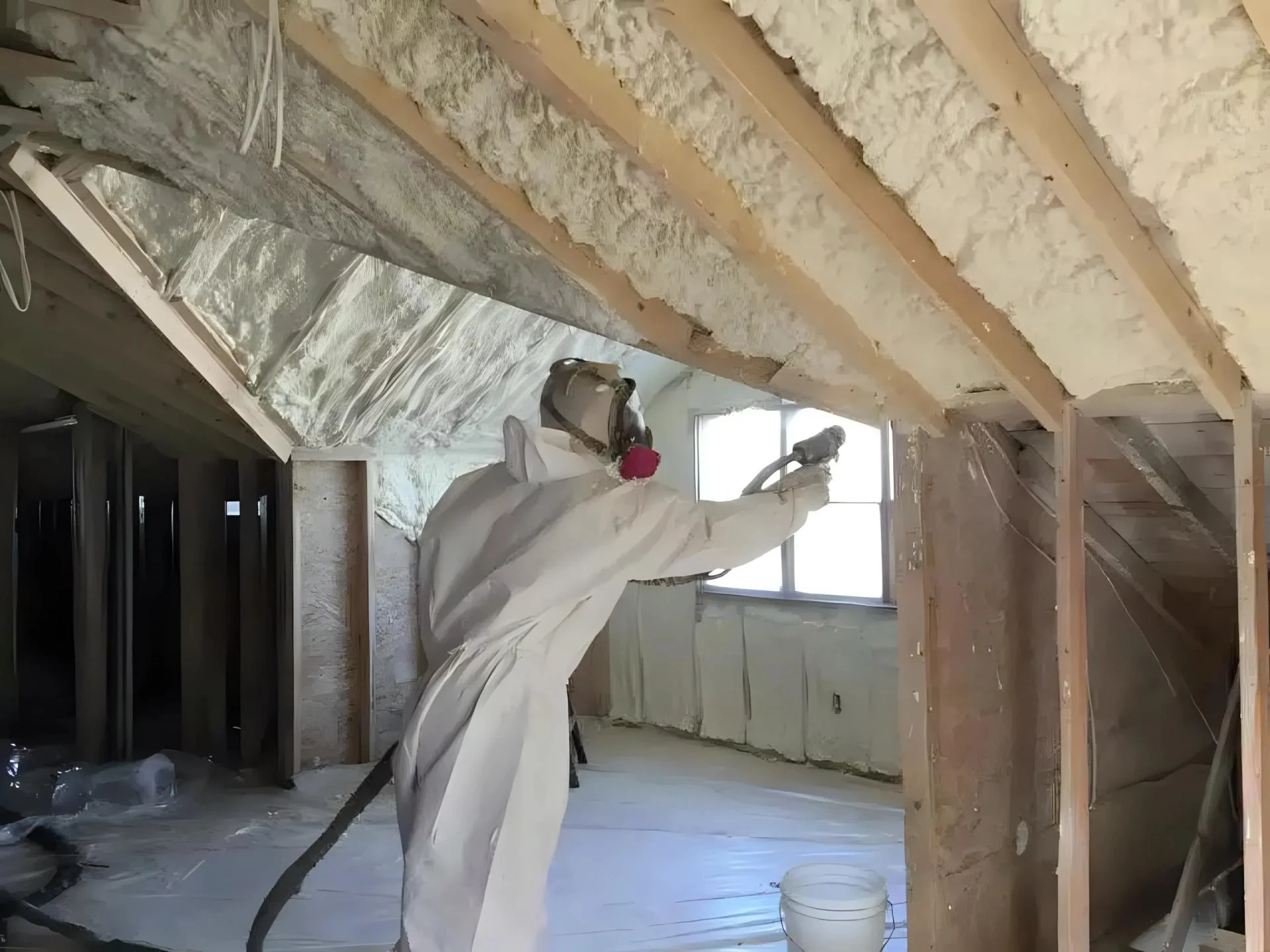
Yes, it can be retrofitted into existing homes. Professionals typically inject foam into wall cavities or spray it into attics and crawl spaces. However, the process requires access to these areas, so some drywall removal or drilling might be necessary for wall applications.
Does spray foam attract pests?
No, spray foam does not provide a food source for pests. While it is not a pesticide, its ability to seal small cracks and gaps blocks the entry points that rodents and insects typically use to gain access to a home.
Will spray foam make my house too airtight?
Building science recommends "build tight, ventilate right." While spray foam effectively seals the house, modern HVAC systems are designed to exchange stale indoor air with fresh outdoor air. This controlled ventilation is far superior to relying on random leaks and drafts for fresh air.
Summary
Spray foam insulation offers a comprehensive solution for temperature regulation, energy efficiency, and structural protection. It eliminates drafts, reduces noise, and lowers the workload on HVAC systems, leading to substantial financial savings over time. By acting as an air and moisture barrier, it also contributes to a healthier indoor environment by reducing allergens and mold risks. Property owners should evaluate their specific climate and structural needs to choose between open and closed-cell options for the best results.
Taking the Next Step
For residents in South Florida looking to upgrade their property's efficiency, professional guidance ensures the job is done correctly. All in Overhall specializes in high-performance insulation solutions tailored to the local climate. They provide detailed assessments to help homeowners understand which product will deliver the best return on investment.
Those interested in reducing their energy bills and improving home comfort can reach out to the team for a consultation. They are available to answer technical questions and schedule site visits.
Contact Information:
- Company: All in Overhall
- Phone: (561) 406-3835
- Email: [email protected]
Author: Richard Hall founded ALL IN OVERHALL, Your Local Spray Foam Insulation Company in Jupiter, FL, on January 3, 2022, to offer honest and reliable insulation services across South Florida. He focuses on clear communication and careful workmanship to improve comfort and reduce energy costs.
Reviewer: Lucas Mitchell has 6 years of experience in spray foam insulation. He reviewed this article and helped refine the ideas to strengthen the brand's presence and reach homeowners seeking reliable insulation.

























Sign in to leave a comment.