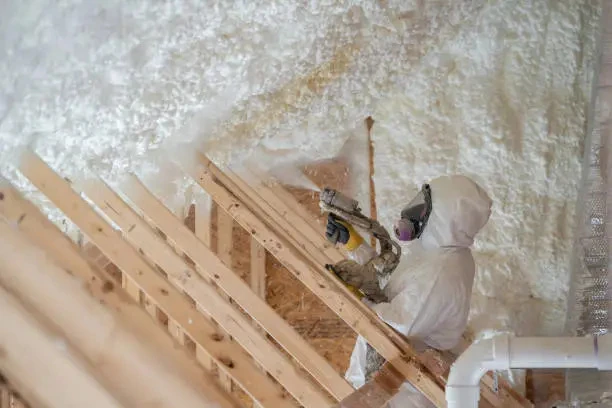

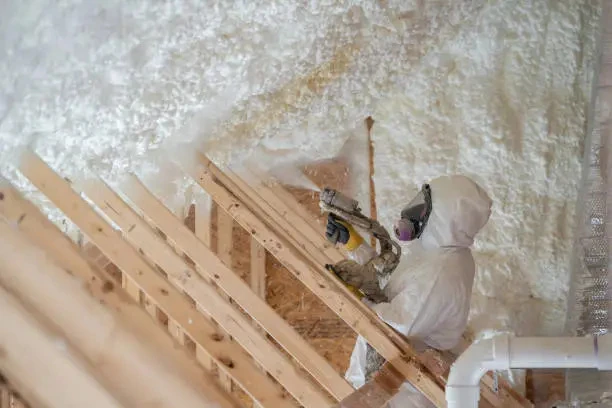
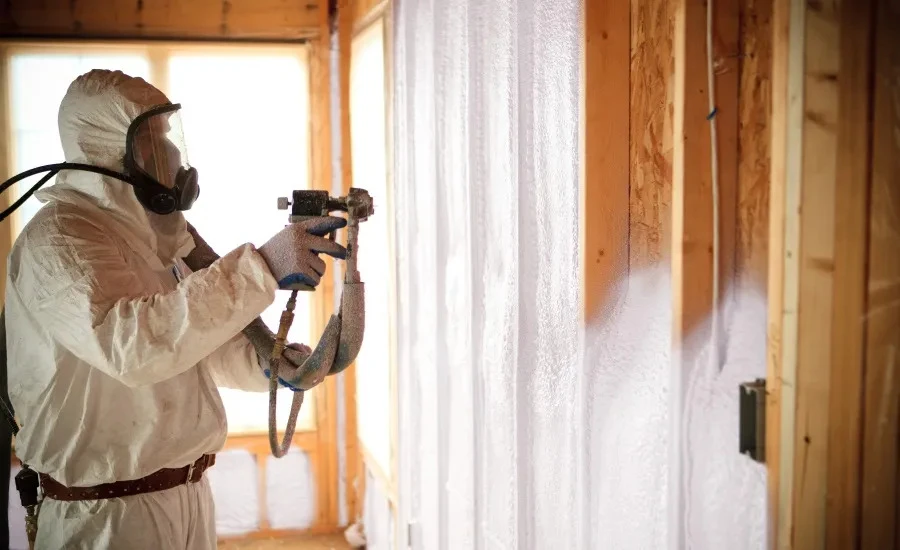
Spray foam insulation improves indoor air quality by creating a sealed building envelope that prevents outdoor pollutants, allergens, and moisture from infiltrating the living space. Unlike traditional fibrous insulation materials that allow air to pass through gaps and seams, spray foam expands to fill cavities completely, forming an airtight barrier. This physical block ensures that the air circulating within the home remains clean, filtered, and free from the dust, pollen, and exhaust fumes that commonly enter through structural leaks.
Improving indoor air quality requires a strategy of exclusion and control. By stopping uncontrolled air leakage, spray foam allows the home's heating, ventilation, and air conditioning (HVAC) system to filter the air effectively without being overwhelmed by a constant influx of dirty outdoor air. Industry professionals recognize that a "tight" home is the foundation of a healthy indoor environment, as it grants homeowners precise control over ventilation rather than relying on random drafts that carry contaminants.
The Barrier Against Outdoor Pollutants
Most residential structures suffer from air infiltration, which is the unintentional introduction of outside air into the home. This air enters through tiny cracks around windows, doors, electrical outlets, and the attic. Along with this air comes a variety of particulates including pollen, road dust, smoke, and industrial pollutants.
Spray foam insulation acts as a shield against these microscopic invaders. When applied to the building shell, it seals the thousands of small holes that standard fiberglass insulation leaves open. This creates a separation between the controlled indoor environment and the unpredictable outdoor atmosphere. For individuals suffering from seasonal allergies or respiratory sensitivities, this seal significantly reduces the presence of triggers inside the home.
Eliminating the Stack Effect
A primary driver of poor indoor air quality is the "stack effect." In this phenomenon, warm air rises and escapes through leaks in the attic ceiling. This escaping air creates a negative pressure at the bottom of the house, which sucks air in from the crawl space, basement, or garage.
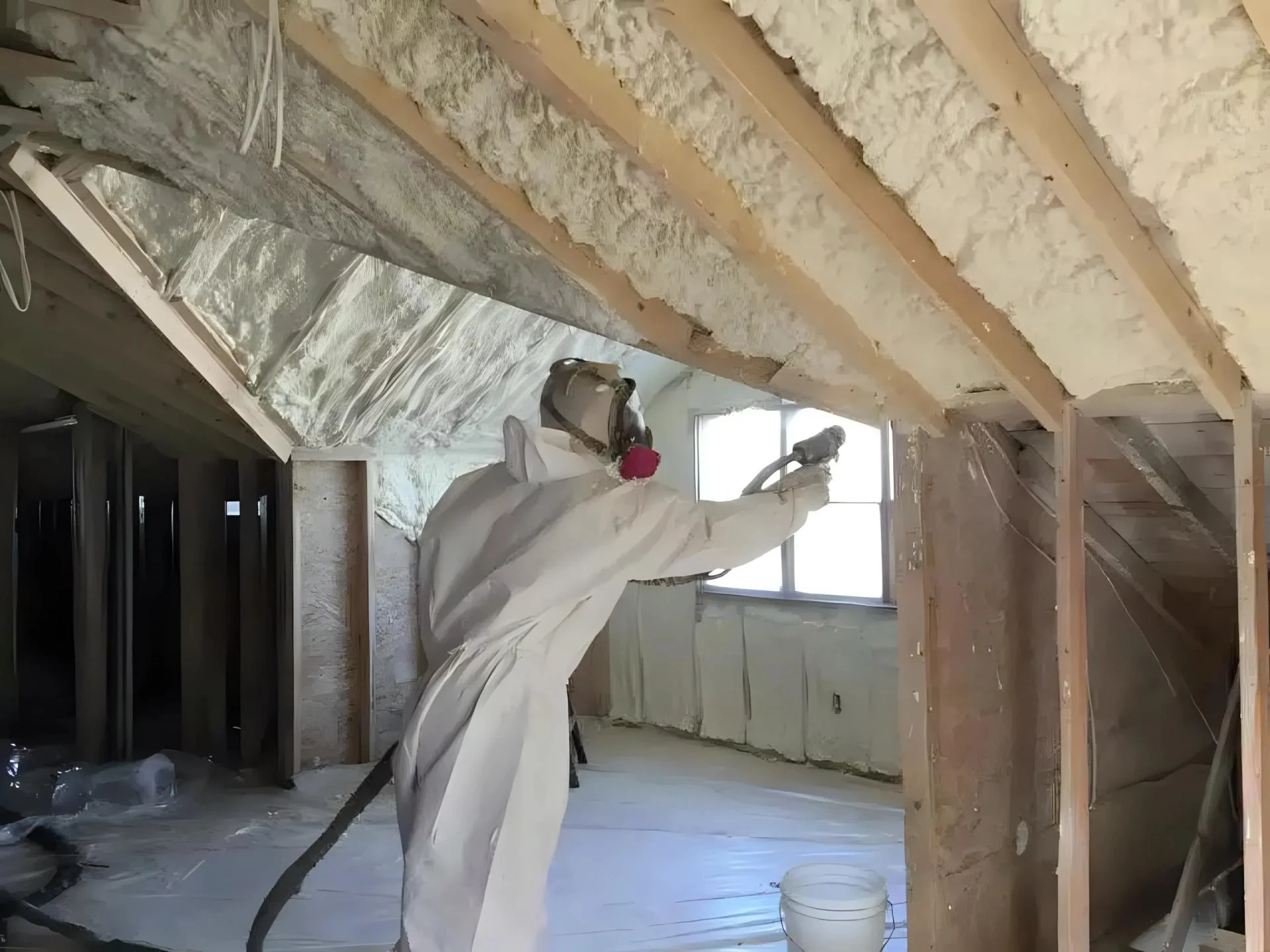
Air drawn from these areas is often of the poorest quality, containing soil gases, mold spores, and fumes from stored chemicals or vehicles. Spray foam applied to the attic floor or roof deck stops the upward flow of air. By neutralizing the stack effect, the home stops pulling dirty air from the lowest points of the structure, ensuring that the air families breathe is not sourced from the crawl space or garage.
Reducing Dust Accumulation
Homeowners often notice that shortly after dusting, surfaces become covered in a fine layer of grit again. This rapid accumulation is a symptom of high air exchange rates with the outdoors. By sealing the entry points with spray foam, the amount of dust entering the home drops dramatically. This leads to a cleaner living environment and reduces the frequency of cleaning required to maintain a fresh home.
Moisture Management and Mold Prevention
Mold requires moisture to grow, and mold spores are a leading cause of indoor air quality complaints. In humid climates, moisture enters the home through air leakage. When humid outdoor air meets cool interior surfaces, condensation forms inside wall cavities, creating an ideal breeding ground for mold.
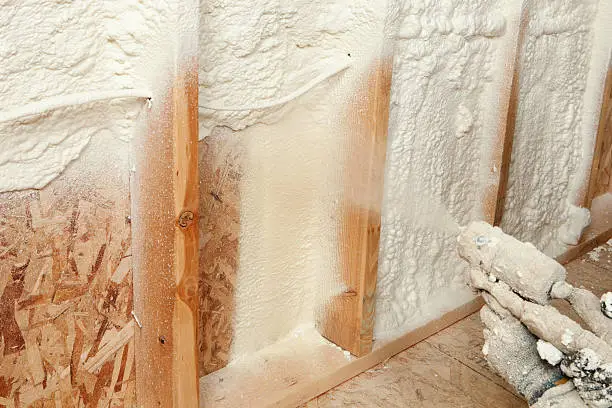
Spray foam insulation, particularly closed-cell foam, acts as a vapor barrier that stops humid air from penetrating the walls. By keeping the wall cavities dry, the insulation prevents the growth of mold and mildew that can release toxic spores into the air.
Regional Guidance: Humidity Control
For homes in South Florida, controlling humidity is essential for maintaining fresh air. The heavy outdoor moisture load can easily overwhelm an HVAC system if the house is leaky. Spray foam prevents this moisture intrusion, allowing the air conditioner to dehumidify the space effectively. This results in crisp, fresh-smelling air rather than the heavy, musty odor associated with damp buildings.
Bonus Tip: Monitor Indoor Humidity
Residents should aim to keep indoor relative humidity between 40% and 50%. Using a simple hygrometer can help track these levels. If humidity remains high despite air sealing, a whole-home dehumidifier may be a necessary addition.
Pest Exclusion and Biological Contaminants
Pests are significant contributors to poor indoor air quality. Rodents and insects leave behind droppings, urine, and dander that can circulate through the HVAC system and cause allergic reactions. Traditional fiberglass insulation often serves as nesting material for mice and rats, exacerbating the problem.
Spray foam hardens into a dense material that pests cannot eat and do not like to nest in. Furthermore, by sealing the tiny cracks and holes in the building envelope, spray foam physically blocks the entry points pests use to get inside. Keeping pests out eliminates a major source of biological contaminants, keeping the air cleaner and safer.
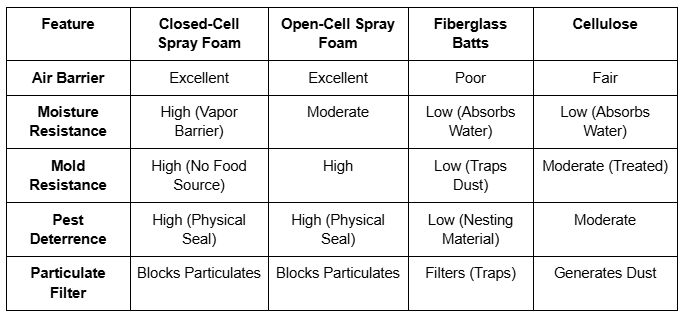
Comparison of Insulation Materials
The choice of insulation material has a direct impact on air quality. The following table compares how different materials perform regarding allergen and pollutant control.
The Role of HVAC and Ductwork
The HVAC system is the lungs of the home, circulating air through every room. If the ductwork runs through an unconditioned attic insulated with fiberglass, it often sucks in fiberglass particles, dust, and attic heat through small leaks in the ducts.
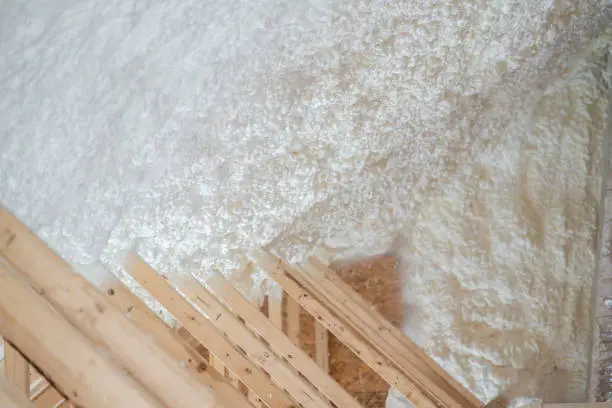
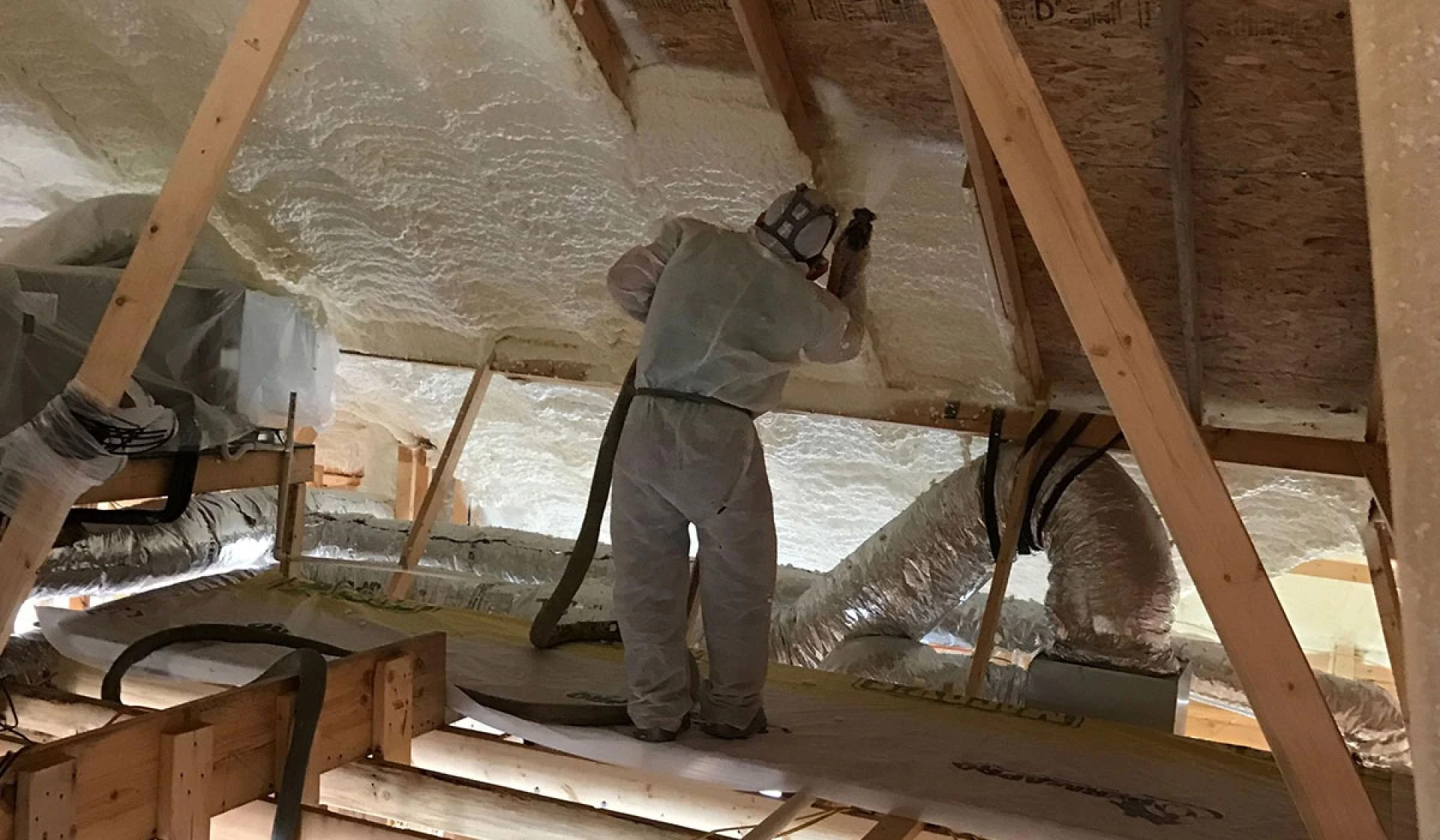
Applying spray foam to the underside of the roof deck brings the attic into the conditioned space. This means the ducts are no longer exposed to dirty, hot attic air. Sealing the attic prevents the HVAC system from distributing pollutants from the attic into the living areas.
Filter Life Extension
Because spray foam stops the influx of large dust particles and debris, the HVAC air filters do not clog as quickly. This allows the filters to work more efficiently at capturing smaller particles, further refining the indoor air quality.
Things to Consider Before Making a Decision
While the long-term benefits of spray foam for air quality are substantial, the installation process requires careful management. Spray foam is a chemical product that releases gases during application and curing. Residents must vacate the home during installation and for a safe reentry period, typically 24 to 48 hours, to avoid exposure to these temporary fumes.
Proper ventilation is also a critical consideration. A home sealed with spray foam no longer "breathes" through random leaks. This is good for energy efficiency but means that fresh air must be introduced intentionally.
Ventilation Requirements
To maintain high air quality in a sealed home, mechanical ventilation is often required. Systems such as Energy Recovery Ventilators (ERVs) bring in fresh, filtered outdoor air while exhausting stale indoor air. This balanced approach ensures that oxygen levels remain high and indoor pollutants from cooking or cleaning are removed, without bringing in the humidity and dirt associated with open windows or leaks.
Questions People Ask About Spray Foam and Air Quality
Does spray foam insulation off-gas forever?
No, properly installed spray foam does not off-gas indefinitely. Once the chemical reaction is complete and the foam has cured (usually within 24 to 48 hours), it becomes inert. It does not release harmful chemicals into the home after this curing period.
Will spray foam reduce dust in my house?
Yes, by sealing the air leaks that bring outdoor dust into the home, spray foam significantly reduces the amount of dust accumulating on surfaces and circulating in the air.
Can spray foam help with asthma?
Many homeowners with asthma report improved symptoms after installing spray foam. By blocking outdoor allergens like pollen and mold spores, and preventing the growth of indoor mold, the air contains fewer triggers for respiratory issues.
Is spray foam better than fiberglass for allergies?
Yes, fiberglass relies on trapping air in fibers, which can also trap dust and allergens. Over time, these particles can be released back into the air. Spray foam seals out the allergens completely and does not harbor dust.
Does spray foam trap indoor pollutants?
Because spray foam seals the house tightly, internal pollutants (like cooking odors or VOCs from furniture) can accumulate if the house is not ventilated. This is why mechanical ventilation is recommended to exchange stale air for fresh, filtered air.
Conclusion
Spray foam insulation offers a powerful solution for homeowners seeking to "freshen" their indoor air by eliminating the sources of contamination. By creating a continuous seal against outdoor pollutants, controlling moisture to prevent mold, and deterring pests, it establishes a cleaner baseline for the indoor environment. While it requires a thoughtful approach to mechanical ventilation, the result is a home where the air is healthier, cleaner, and more comfortable for all occupants.
Contact for Professional Assistance
For homeowners interested in improving their indoor air quality through advanced insulation solutions, All in OverHall provides expert assessments and installation services. Their team specializes in diagnosing building envelope leaks and implementing spray foam strategies that create healthier living spaces.
Interested individuals can contact the company at (561) 406-3835 to schedule a consultation. Further inquiries regarding services and air quality benefits can be sent via email to [email protected].
Author: Richard Hall founded ALL IN OVERHALL, Your Local Spray Foam Insulation Company in Jupiter, FL, on January 3, 2022, to offer honest and reliable insulation services across South Florida. He focuses on clear communication and careful workmanship to improve comfort and reduce energy costs. His team helps homeowners and businesses create spaces that stay cooler and more efficient year-round.
Reviewer: Lucas Mitchell has 6 years of experience in spray foam insulation. He reviewed this article and helped refine the ideas to strengthen the brand's presence and reach homeowners seeking reliable insulation.



























Sign in to leave a comment.