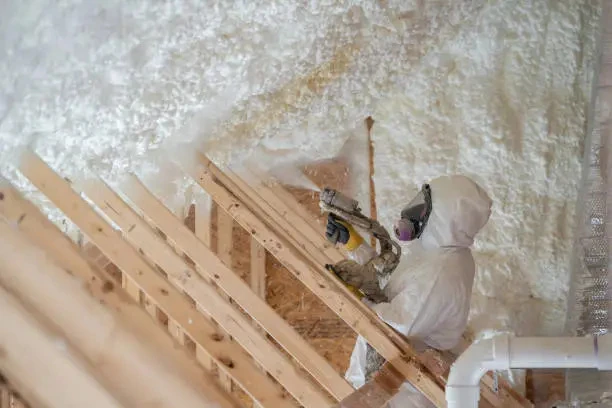

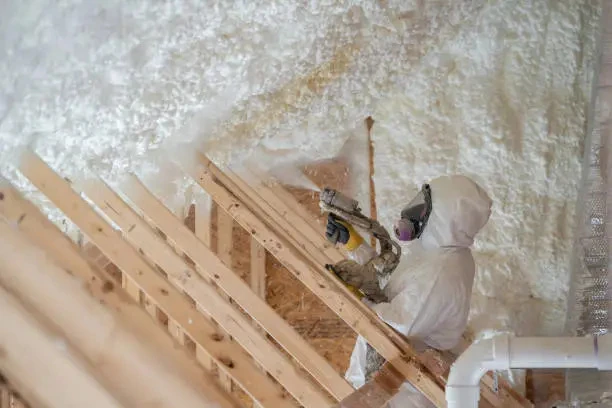
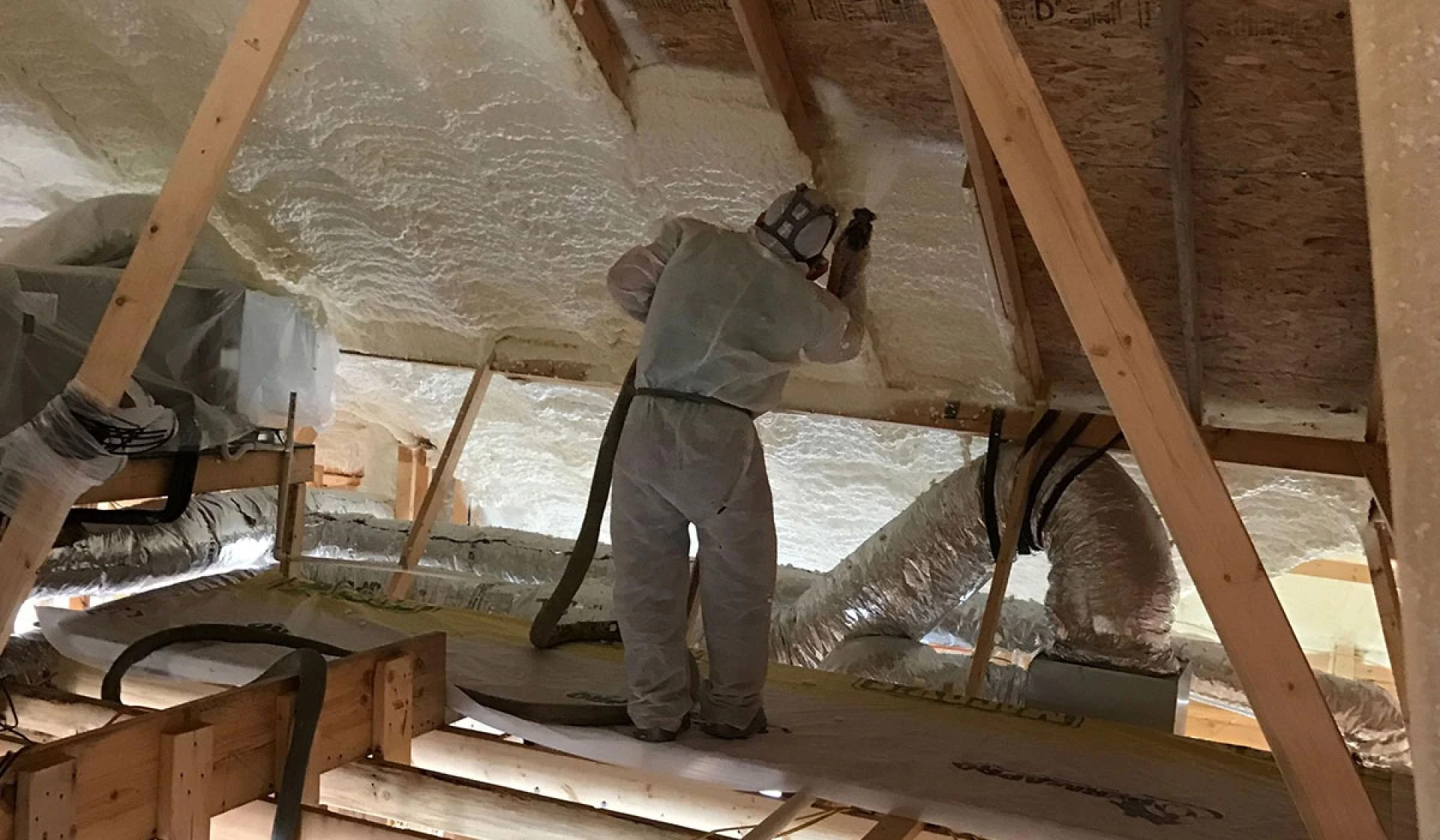
Spray foam insulation significantly reduces outside noise by creating a seamless, airtight barrier that blocks the physical pathways sound waves use to enter a home. Unlike traditional fibrous insulation that leaves gaps and allows air, and therefore sound, to pass through, spray foam expands to fill every crack and crevice in the building envelope. This sealing capability, combined with the sound-absorbing properties of the material itself, is particularly effective at dampening airborne noises such as heavy traffic, passing trains, and intense thunderstorms common in Stuart.
Reducing noise pollution requires addressing two types of sound transfer: airborne noise and structure-borne vibration. Spray foam insulation in Stuart excels at stopping airborne noise because it eliminates the air leaks that serve as highways for sound. When applied to exterior walls and roof decks, it essentially thickens the density of the barrier between the living space and the outdoors. Industry testing shows that a well-sealed building envelope can reduce exterior noise penetration by varying degrees, making the interior environment noticeably quieter and more peaceful.
The Mechanics of Sound Attenuation
Sound travels in waves, and these waves need a medium to move through. In most homes, air is the primary medium for noise transfer. Even small cracks around windows, outlets, and wall joints allow sound to bypass the solid parts of the wall. This is why a closed window with a bad seal still lets in street noise.
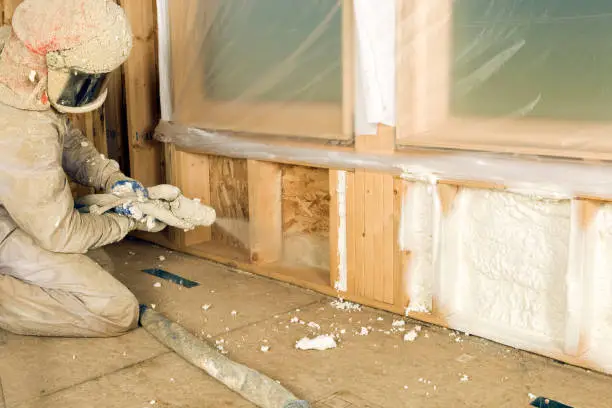
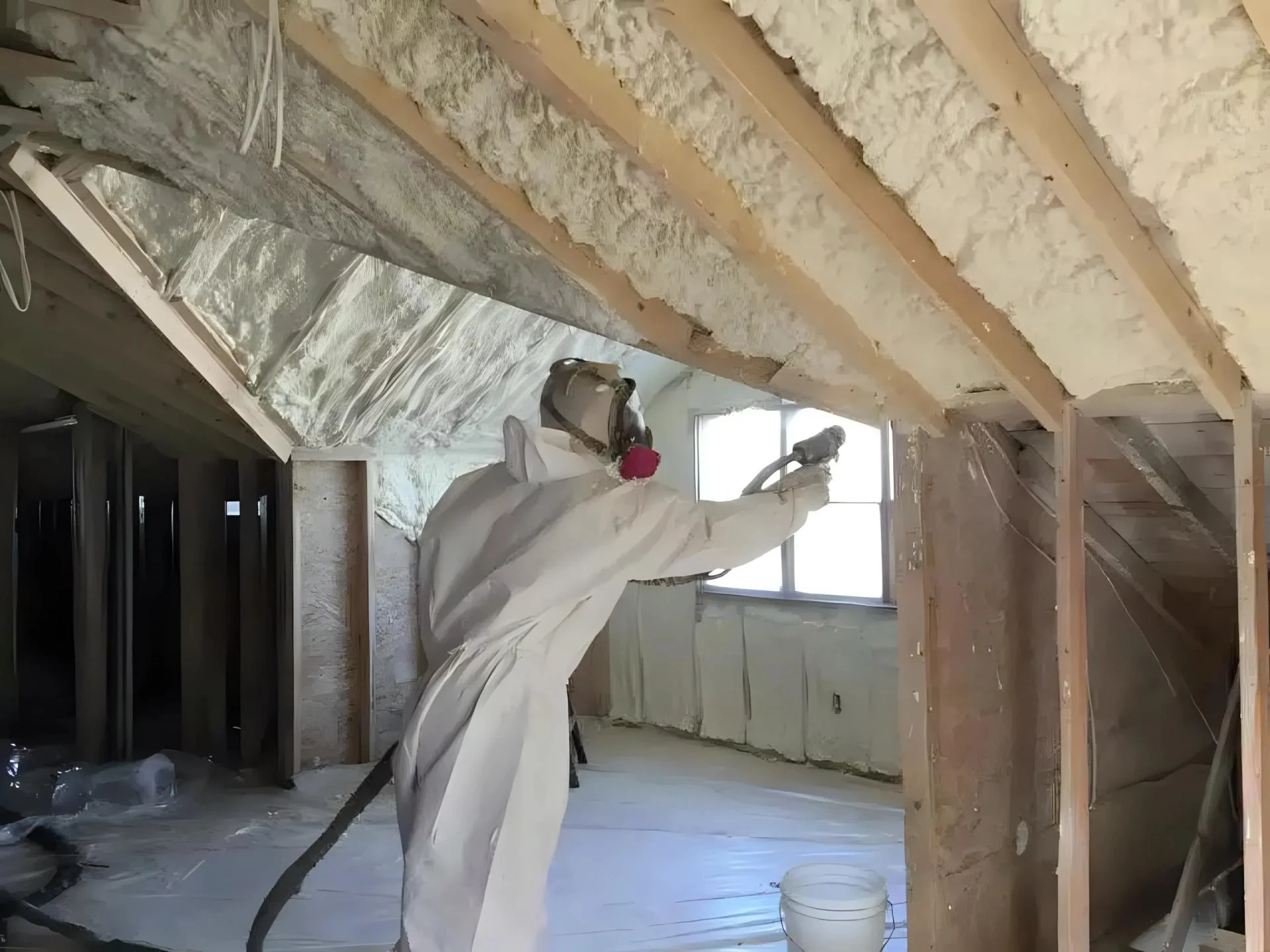
Spray foam insulation addresses this by sealing the "flanking paths" that other insulation materials miss. By expanding 30 to 100 times its liquid volume, the foam creates a custom fit against the framing studs and sheathing. This eliminates the tiny gaps that compromise the soundproofing of a wall assembly. Without these air gaps, sound waves hit a solid barrier and are either reflected or absorbed, depending on the type of foam used.
Open-Cell vs. Closed-Cell for Noise
Not all spray foams perform equally when it comes to sound control. Homeowners in Stuart should understand the difference between open-cell and closed-cell options regarding acoustics.
Open-cell foam is softer and less dense. Its sponge-like structure is filled with tiny air pockets that are excellent at trapping and dissipating sound energy. This makes it the superior choice for sound dampening. It creates a "dead air" space that absorbs mid-to-high frequency sounds, such as voices or television noise.
Closed-cell foam is much denser and rigid. While it is an exceptional thermal insulator and water barrier, its rigidity can sometimes transmit structural vibrations. However, its high density is very effective at blocking low-frequency noise, such as the rumble of heavy trucks or engines, provided it is part of a complete wall assembly.
Sound Performance Comparison
To help property owners visualize the difference, the following table compares how these materials function regarding sound control.
| Feature | Open-Cell Spray Foam | Closed-Cell Spray Foam | Fiberglass Batts |
|---|---|---|---|
| Primary Sound Benefit | High Sound Absorption | High Mass / Blocking | Moderate Absorption |
| Air Sealing | Excellent | Excellent | Poor |
| Best Frequency Blocked | Mid-High (Voices, Rain) | Low (Engines, Bass) | Mid (General) |
| STC Improvement | Significant | Moderate | Low to Moderate |
| Ideal Application | Interior/Exterior Walls | Exterior Walls/Subfloors | Interior Walls |
Combatting Stuart’s Specific Noise Challenges
Stuart presents a unique acoustic environment due to its mix of coastal weather patterns and transportation infrastructure. Residents often contend with specific noise sources that require a targeted approach.
Traffic and Transit Noise
Homes near US-1, Kanner Highway, or the paths of the Brightline trains experience consistent noise pollution. The high-pitched whine of tires on pavement and the intermittent, loud horn blasts from trains are distinct issues. Open-cell spray foam applied to the attic floor or roof deck helps muffle these airborne sounds before they penetrate the ceiling. For walls facing these noise sources, a combination of dense exterior sheathing and interior open-cell foam offers a robust defense.
Weather-Related Noise
During Florida’s rainy season, heavy downpours on roof decks can create a deafening roar inside the house. This is especially true for homes with metal roofs, which are popular in the area for their durability.
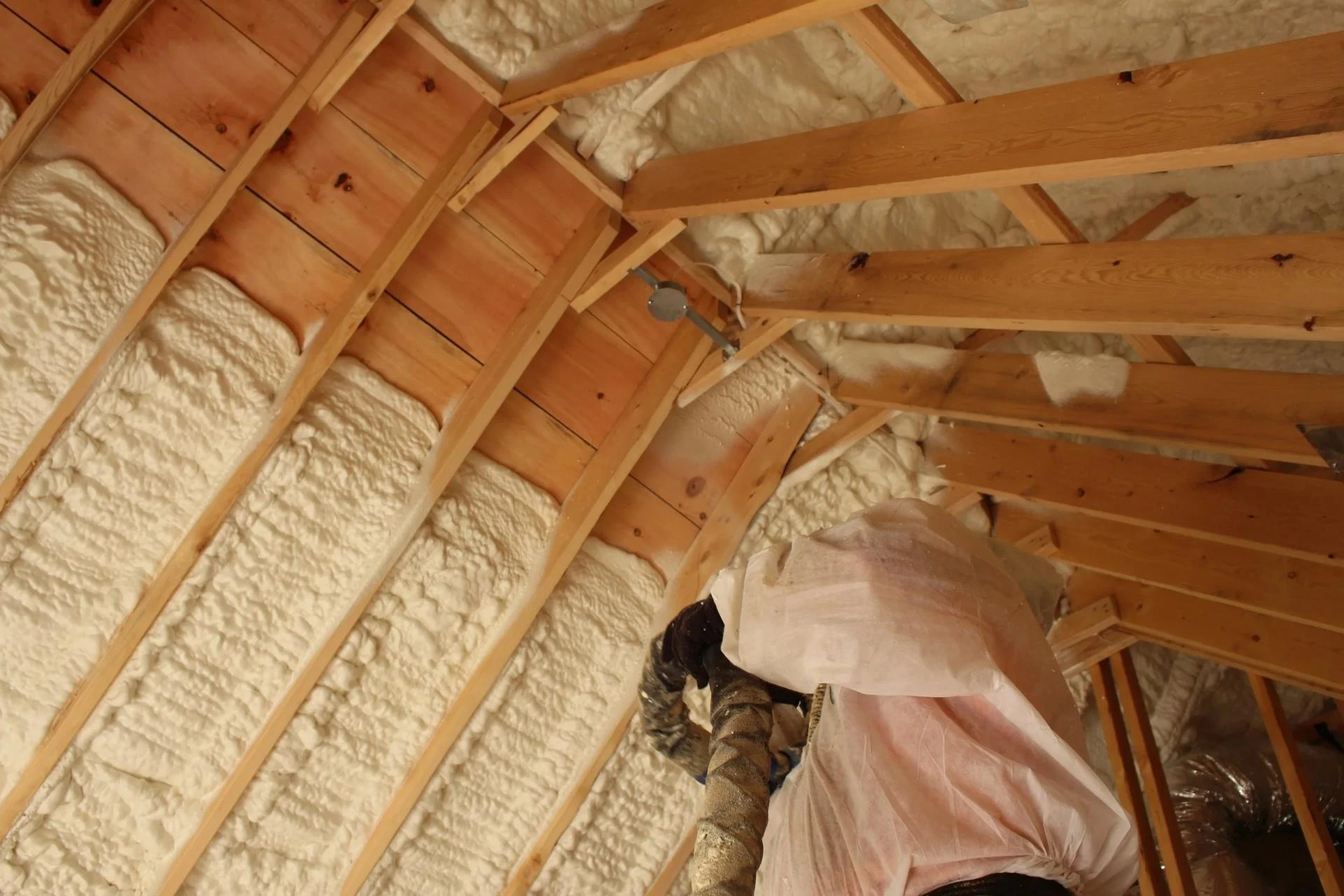
Insulating the underside of the roof deck with spray foam changes the acoustic properties of the roof. The foam acts as a damper, stopping the metal or plywood from vibrating as intensely when rain hits it. This transforms a loud, ringing clamor into a dull thud, allowing conversation and sleep to continue undisturbed even during severe thunderstorms.
Bonus Tip: Check Your Windows
While spray foam seals the walls, windows remain a weak point for sound. Installing double-pane impact windows complements the insulation upgrade, creating a comprehensive sound barrier.
Strategic Application Areas for Maximum Quiet
Applying insulation to the entire house provides the best results, but focusing on specific zones can also yield significant improvements.
Exterior Walls and Facades
The walls facing the street or noisy neighbors are the first line of defense. Retrofitting these walls with injection foam (if removing drywall is not an option) or spray foam during a renovation adds mass and air sealing. This stops street noise from washing through the living room or front bedrooms.
Interior Walls for Privacy
Sound control is not just about keeping outside noise out; it is also about privacy within the home. Installing open-cell spray foam in the interior walls between bathrooms, bedrooms, and laundry rooms prevents sound transmission between spaces. This is particularly valuable for home offices or media rooms where sound isolation is necessary.
The Role of the Rim Joist
The rim joist is the perimeter of the floor framing found in homes with crawl spaces or second stories. This area is often overlooked and uninsulated, allowing noise to flank through the floor assembly. Sealing the rim joist with spray foam stops noise from traveling from the basement or crawl space up into the main living area.
Bonus Tip: Seal Penetrations First
Before spraying, ensure that all pipe and wire penetrations through the wall plates are caulked. Spray foam will cover them, but a mechanical seal adds redundancy against sound leaks.
Things to Consider Before Making a Decision
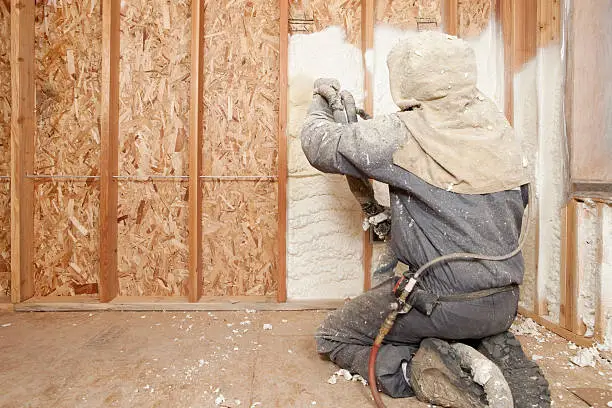
Homeowners must weigh the logistical challenges of installing spray foam for soundproofing, especially in existing homes. Unlike new construction where walls are open, existing walls require drywall removal to apply standard spray foam. "Injection foam" is an alternative for retrofits, but it does not expand with the same force to seal every crack as effectively as pressurized spray foam.
The cost is another factor. Acoustic upgrades are an investment. Market data suggests that while soundproofing adds value to the quality of life, the financial return on investment is primarily seen in energy savings rather than acoustic performance alone. However, the dual benefit of lower energy bills and a quieter home makes the expense justifiable for many.
Ventilation and Air Quality
Creating a soundproof, airtight home traps internal pollutants and moisture if not managed correctly. Because the home no longer breathes through leaks, mechanical ventilation is often required. Homeowners should plan for the installation of an energy recovery ventilator (ERV) or fresh air intake to ensure the indoor air remains healthy and fresh.
Questions People Ask About Noise Reduction
How much noise can spray foam actually reduce?
While it varies based on wall construction, open-cell spray foam can typically reduce airborne noise transmission by 35% to 50% compared to uninsulated walls. It dampens the noise, making loud exterior sounds feel distant and muffled rather than immediate and sharp.
Is open-cell or closed-cell better for soundproofing?
Open-cell foam is generally considered better for soundproofing because its softer, porous texture absorbs sound waves more effectively. Closed-cell foam is denser and reflects sound, which is good for blocking low frequencies but less effective for general noise dampening.
Will spray foam completely soundproof my room?
No insulation will make a room 100% soundproof. Sound also travels through studs, floors, and windows (structure-borne noise). Spray foam addresses the airborne component effectively, but true soundproofing requires additional measures like resilient channels and double drywall.
Does spray foam help with the noise from metal roofs?
Yes, applying spray foam to the underside of a metal roof deck significantly deadens the sound of rain and hail. It stops the metal panels from vibrating and transmitting that noise into the attic and living space below.
Can I spray foam existing walls without tearing them down?
Standard spray foam requires open cavities. For existing walls with drywall, you can use "injection foam," which is pumped in through small holes. While effective, it does not provide the exact same level of air sealing as spray foam applied to open studs.
Conclusion
Spray foam insulation offers a dual-purpose solution for Stuart residents, providing superior thermal protection while simultaneously acting as a powerful noise barrier. By sealing air leaks and adding sound-absorbing mass to the building envelope, it effectively mitigates the intrusion of traffic, train, and weather-related noise. Although it requires professional installation and consideration of ventilation needs, the result is a home that is not only more energy-efficient but also a quieter sanctuary. Evaluating the specific noise sources and choosing the appropriate foam type are the first steps toward a more peaceful living environment.
Contact for Professional Assistance
For homeowners in Stuart dealing with unwanted noise and energy inefficiency, All in Overhall provides expert consultation and installation services. They specialize in assessing local properties to design insulation strategies that address both thermal and acoustic challenges.
Interested individuals can contact the team at (561) 406-3835 to schedule a site evaluation. Additionally, questions regarding sound dampening products or service availability can be sent via email to [email protected].
Author: Richard Hall founded ALL IN OVERHALL, Your Local Spray Foam Insulation Company in Jupiter, FL, on January 3, 2022, to offer honest and reliable insulation services across South Florida. He focuses on clear communication and careful workmanship to improve comfort and reduce energy costs. His team helps homeowners and businesses create spaces that stay cooler and more efficient year-round.
Reviewer: Lucas Mitchell has 6 years of experience in spray foam insulation. He reviewed this article and helped refine the ideas to strengthen the brand's presence and reach homeowners seeking reliable insulation.



























Sign in to leave a comment.