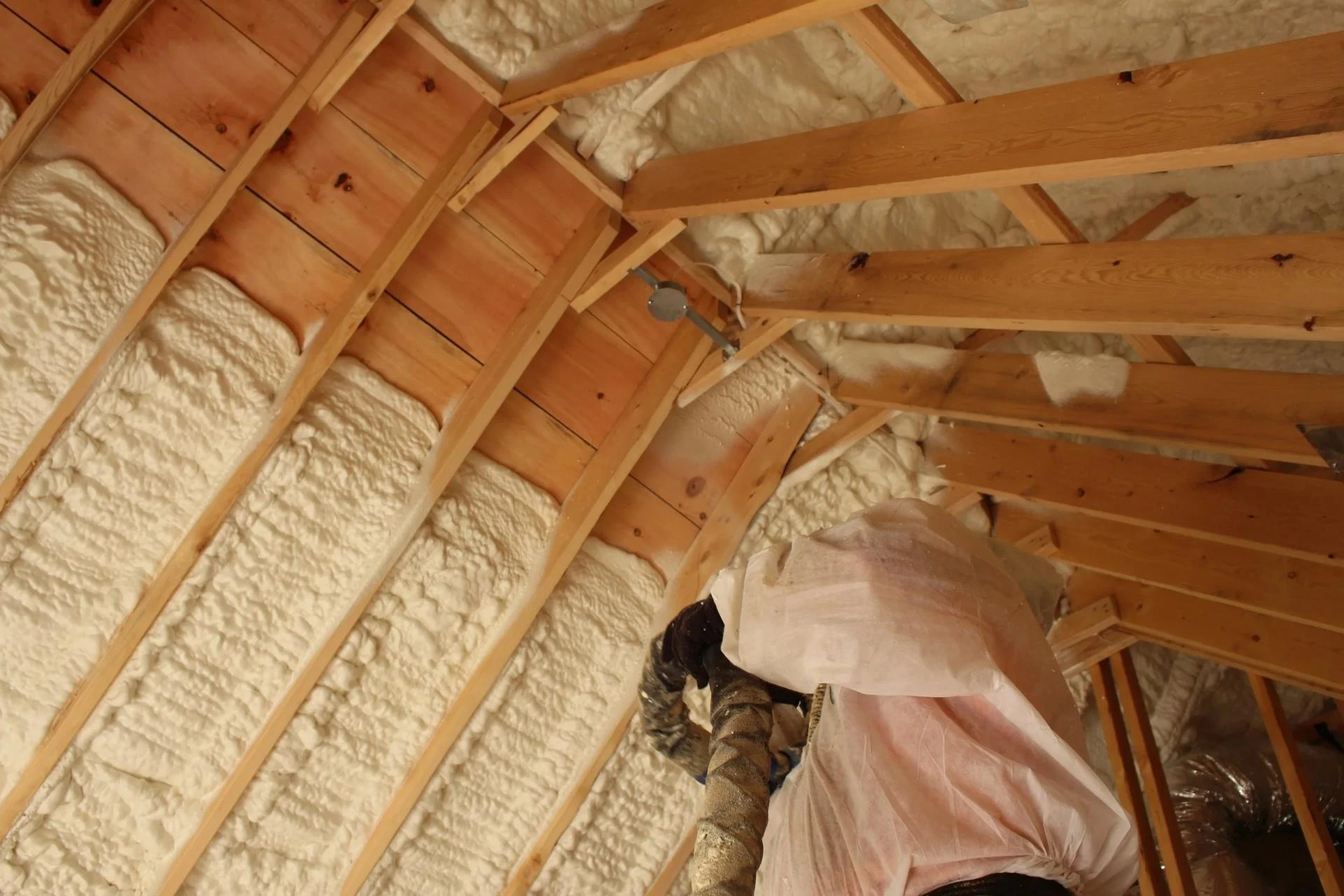
Rapid heat loss in a home indicates a compromised building envelope where thermal barriers fail to retain conditioned air. The most effective method to stop this heat loss is to establish a continuous air barrier that works in tandem with high R-value insulation. While many homeowners simply add more layers of fiberglass to their attics, this approach often fails because it does not address the underlying issue of air leakage. Heat naturally moves from warm areas to cold areas, and without a sealed boundary, it escapes through tiny cracks, gaps, and structural seams.
Industry professionals recommend a "seal then insulate" strategy. This involves identifying the specific pathways where warm air exits the structure, reliable insulation services typically at the top of the house, and blocking those escape routes before worrying about insulation thickness. By prioritizing air sealing, homeowners can stabilize indoor temperatures, reduce the workload on their heating systems, and eliminate the cold drafts that make living spaces uncomfortable during cooler months.
Understanding the Mechanics of Heat Loss
To fix a cold house, one must first understand how heat moves. In most residential structures, heat loss occurs through two primary mechanisms: conduction and convection. Conduction is heat moving through solid materials, like heat radiating out through a window pane. Convection is heat moving through air currents, which is often the more significant problem in older or poorly insulated homes.
The "stack effect" drives convective heat loss. During colder weather, the warm air inside the house becomes buoyant and rises to the highest point, usually the attic. If there are holes in the ceiling, such as around recessed lights, attic hatches, or ductwork, the warm air forces its way into the attic and escapes outside. This escaping air creates a negative pressure at the bottom of the house, sucking cold outdoor air in through the floors, windows, and doors.
The Role of Thermal Bridging
Heat also escapes through the structural framing of the house in a process called thermal bridging. Wood studs and concrete beams conduct heat faster than the insulation between them. If the insulation does not cover these structural elements, they act as a highway for heat to leave the building.
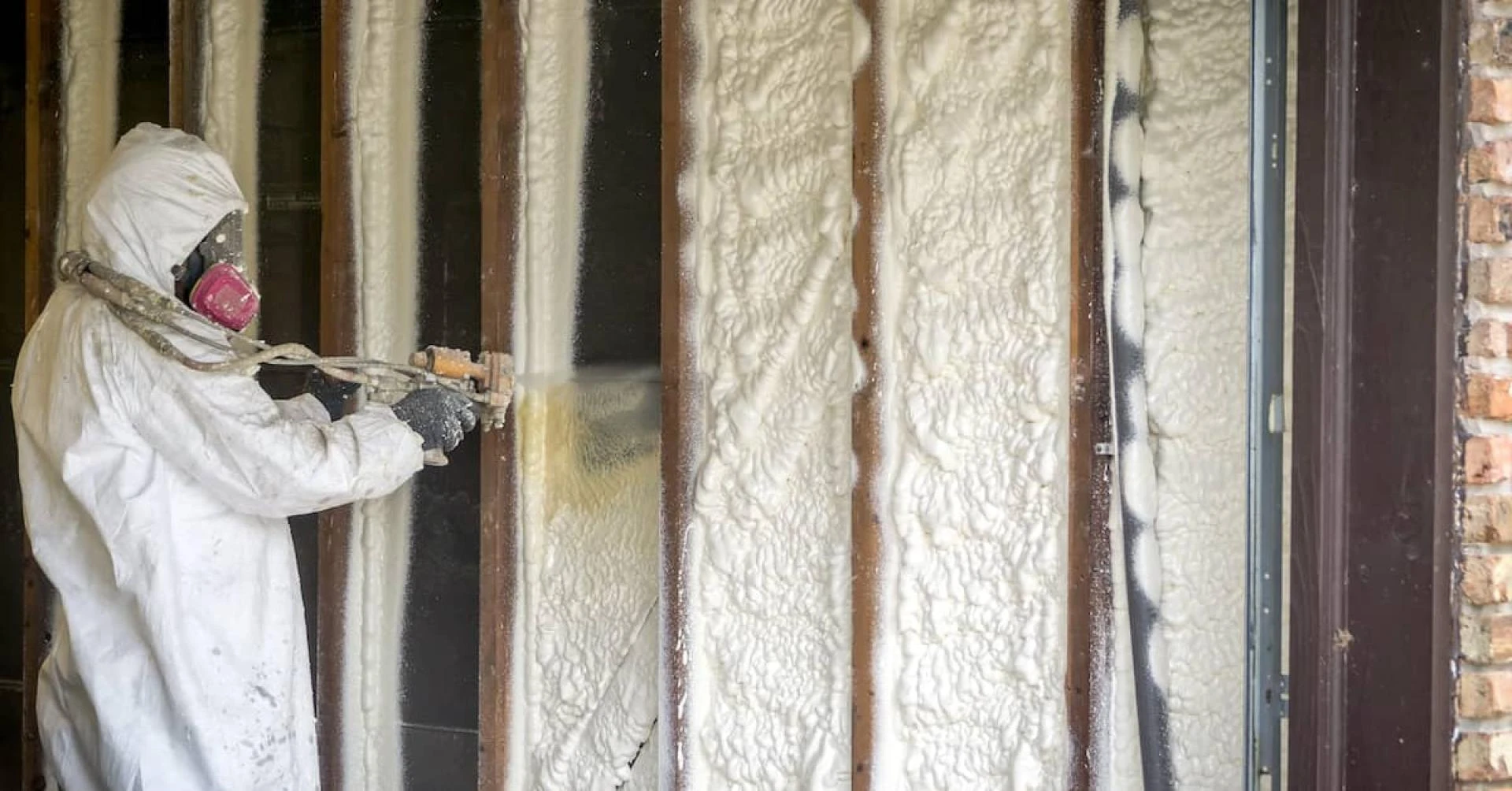
Continuous insulation, such as spray foam applied over the studs or roof deck, breaks these thermal bridges. This creates a thermal break that keeps the structural members warm and prevents them from transferring indoor heat to the outdoors.
Comparing Insulation Materials for Heat Retention
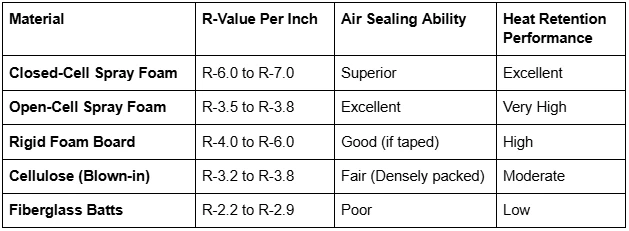
Not all insulation materials perform equally when it comes to stopping heat loss. The ability of a material to resist heat flow is measured by its R-value, but its ability to stop air leaks is equally important. The following table compares common materials based on their effectiveness in retaining heat.
Why Fiberglass Often Fails
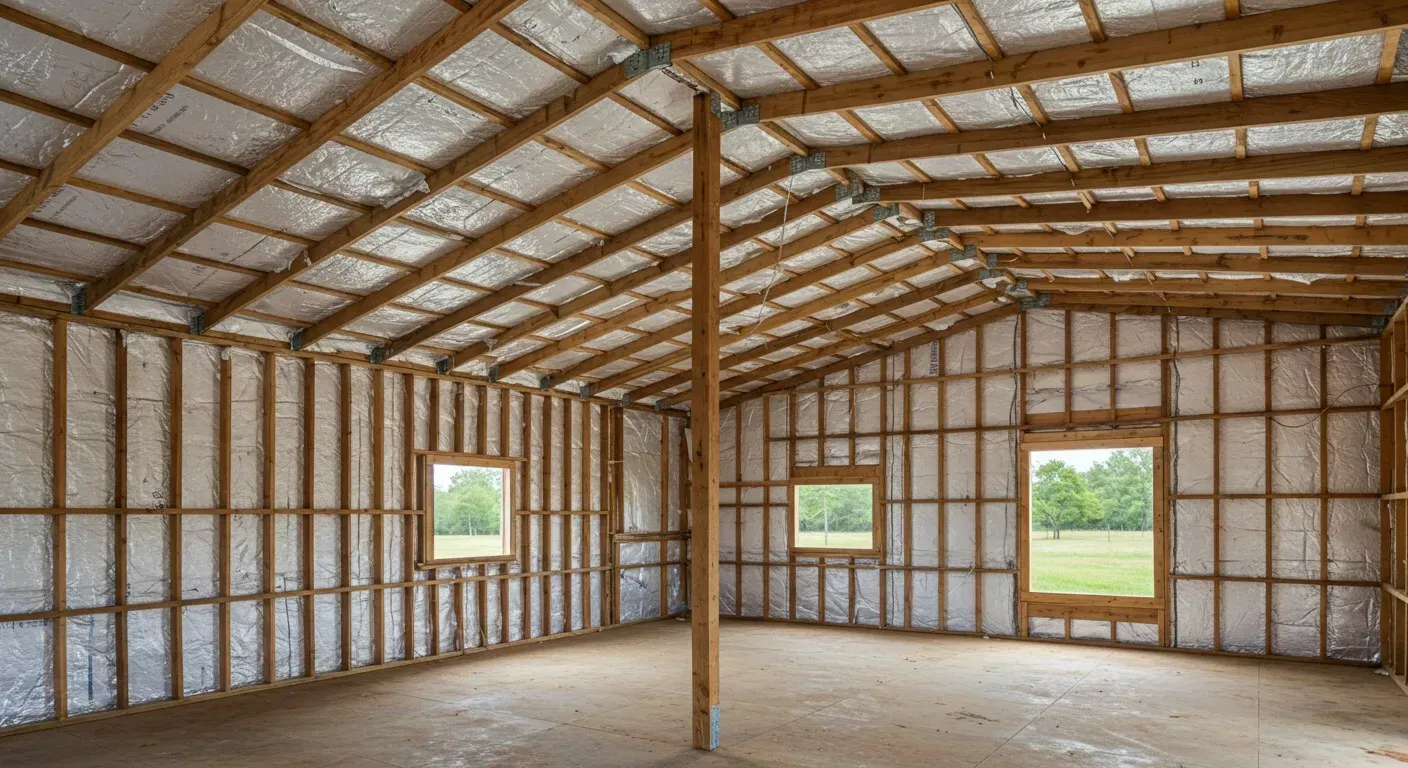
Fiberglass is the most common insulation found in homes, yet these homes often suffer from rapid heat loss. The issue lies in the nature of the material. Fiberglass works like a wool sweater; it traps air to keep you warm, but if a wind blows, the cold air cuts right through it. Since fiberglass is air-permeable, the stack effect pulls warm air right through the batts, rendering their R-value less effective.
The Air Barrier Advantage
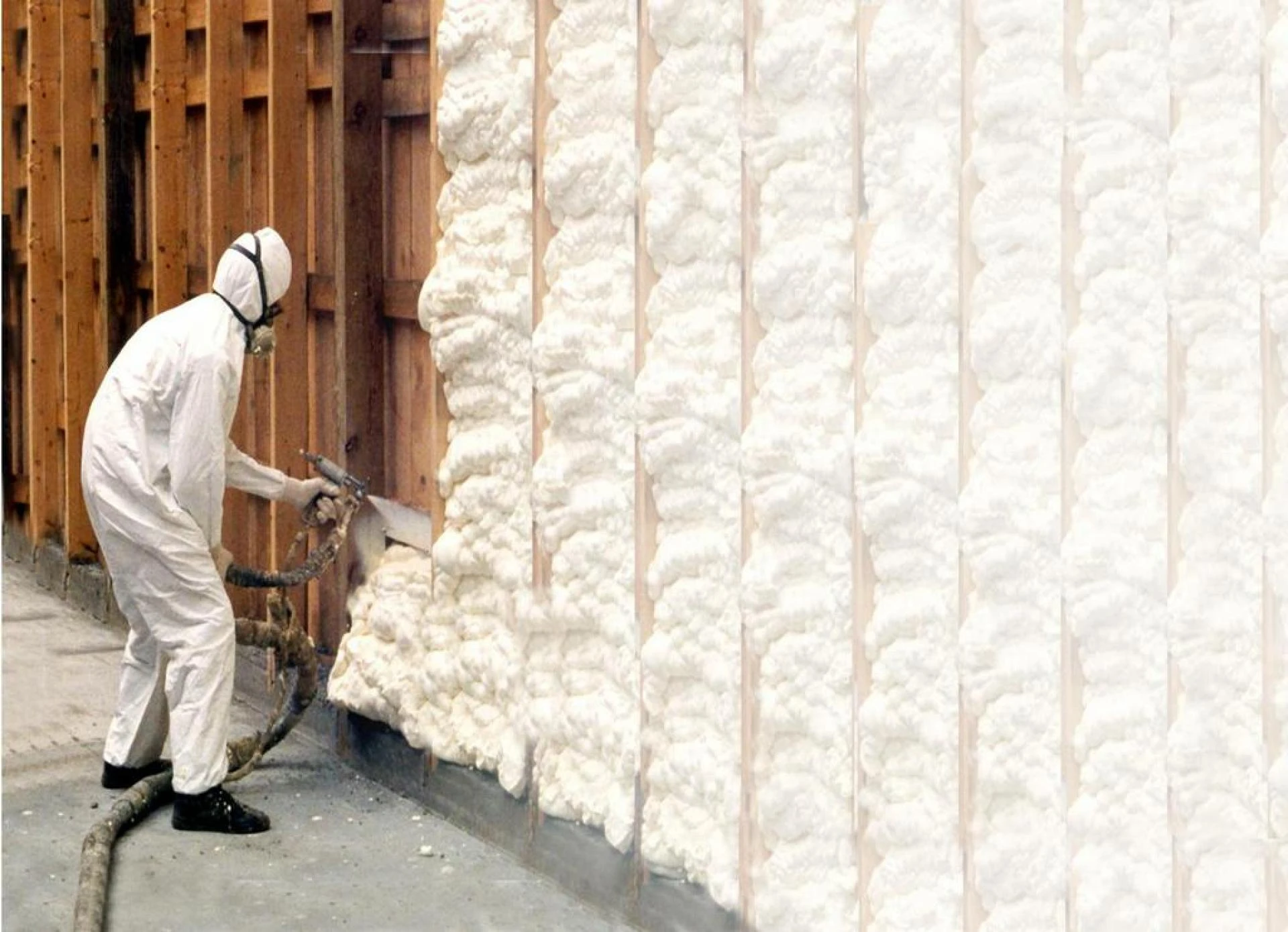
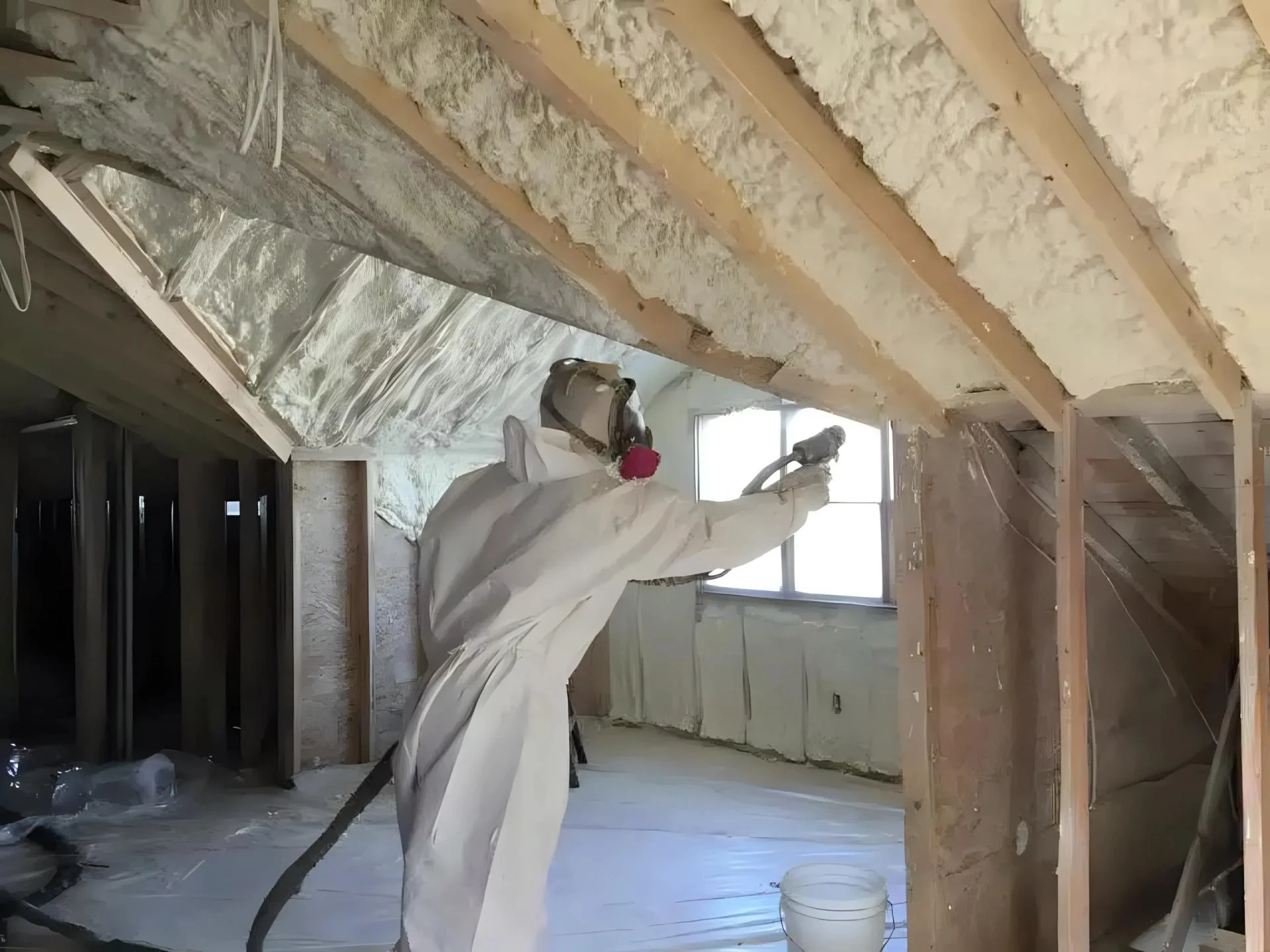
Spray foam insulation acts as a windbreaker. It stops the air movement entirely. When the air cannot move through the insulation, the heat stays trapped inside the living space. This is why a home insulated with spray foam will hold its temperature for hours after the heating system turns off, whereas a fiberglass-insulated home will cool down quickly.
Critical Areas to Seal and Insulate
Addressing specific zones in the house can yield dramatic improvements in comfort. Focusing efforts on the top and bottom of the building envelope usually provides the best return on investment.
The Attic and Roof Deck
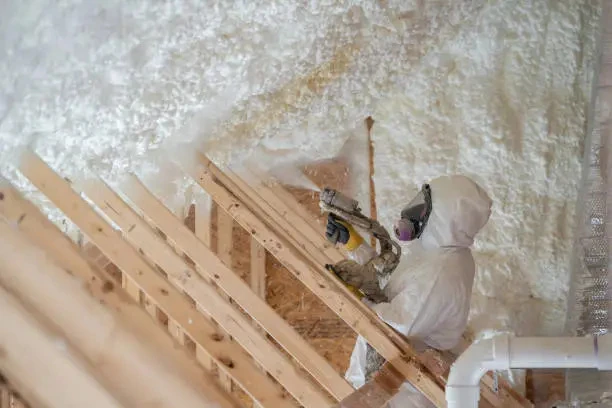
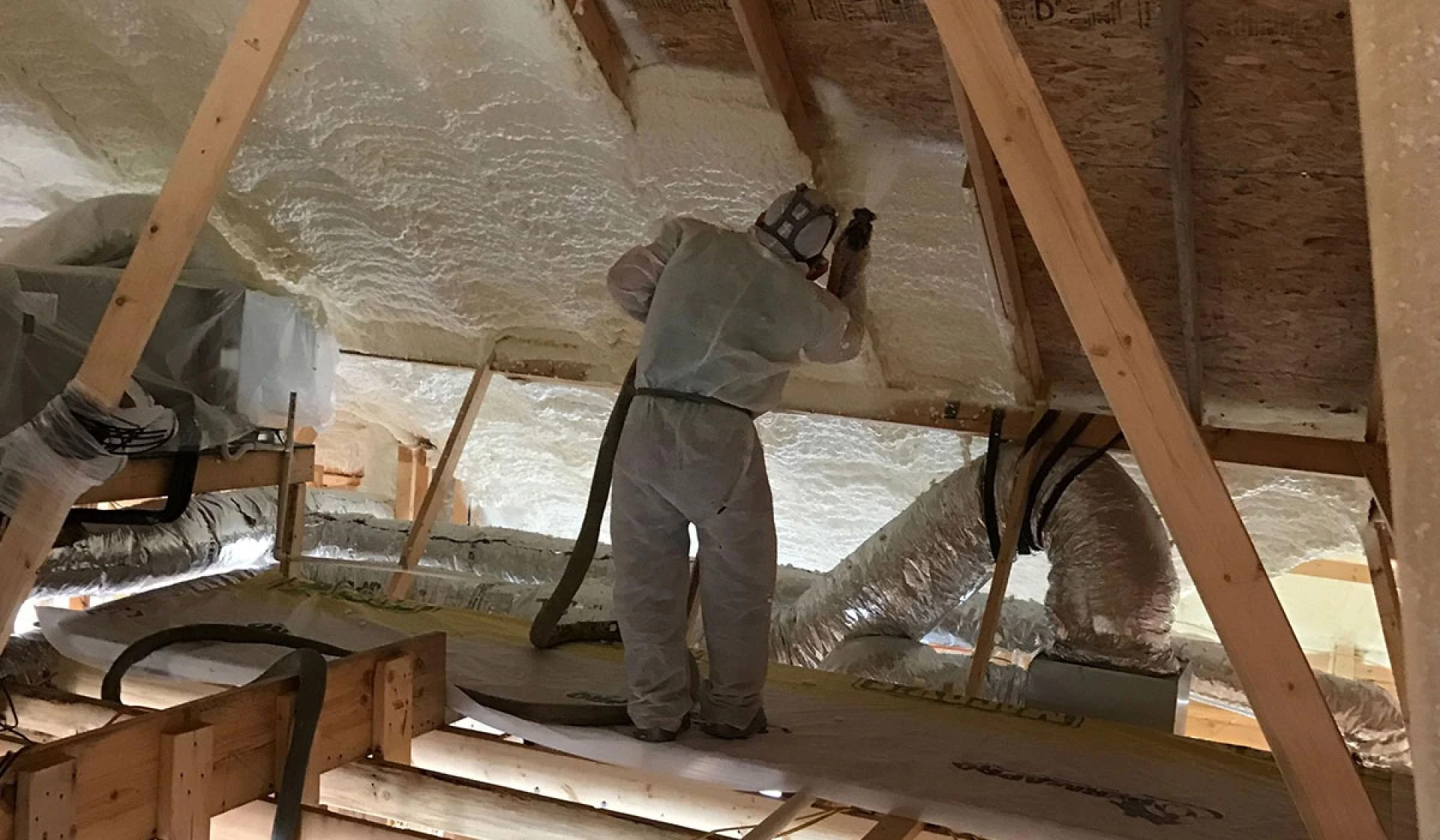
Since heat rises, the attic is the primary exit point for expensive heating energy. Traditional vented attics allow the heat that leaks through the ceiling to be swept away by attic ventilation. A more modern approach involves sealing the underside of the roof deck with spray foam.
This creates an "unvented" attic assembly. It brings the attic space inside the thermal envelope of the house. By stopping the heat from escaping the roof, the entire home stays warmer. This also protects ductwork located in the attic from exposure to cold outdoor temperatures, ensuring that the air blowing from the vents is actually warm.
The Rim Joist
The rim joist is the perimeter of the floor framing where the house sits on the foundation. In many homes, this area is uninsulated or loosely stuffed with fiberglass. It is a major source of cold air infiltration.
Sealing the rim joist with spray foam stops cold air from washing across the floors. This simple upgrade can make floors feel warmer to the touch and reduce the drafts that chill the lower level of the home.
Bonus Tip: Use Thermal Imaging
Homeowners struggling to find the source of drafts can hire a professional to perform a thermal imaging scan. These cameras visualize heat signatures, showing exactly where heat is bleeding out of the walls or ceiling.
Regional Considerations for Southern Climates
While it may seem counterintuitive, homes in warmer climates like South Florida are often more susceptible to rapid heat loss during cold snaps. This is because these homes are built to release heat, not trap it. They often feature concrete block construction and single-pane windows, which have very low R-values.
Concrete Block Walls
Concrete is a dense material that holds temperature, but it has almost no insulating value. When the temperature drops outside, the concrete gets cold and sucks the heat out of the interior rooms. Applying insulation to the exterior block walls, or injecting foam into the hollow cells of the block, can significantly slow this heat transfer.
Window Treatments
For homes with older windows, significant heat is lost through the glass. While replacing windows is expensive, adding cellular shades or heavy drapes can create a temporary air pocket that slows heat loss during the few weeks of cold weather experienced in the region.
Things to Consider Before Making a Decision
Before upgrading insulation service, homeowners should assess the condition of their existing setup. If the current insulation is wet, moldy, or infested with pests, it must be removed completely. covering over bad insulation can trap moisture and lead to structural rot.
Ventilation is another key factor. When a house is sealed tightly to prevent heat loss, it also stops fresh air from entering naturally through cracks. This is good for energy efficiency but may require the installation of a mechanical ventilation system to ensure healthy indoor air quality.
Cost vs. Long-Term Savings
High-performance insulation like spray foam carries a higher upfront cost than fiberglass. However, the reduction in energy usage often pays for the investment over time. A home that retains heat efficiently requires the heater to run for shorter cycles, extending the life of the HVAC equipment and lowering monthly utility bills.
Questions People Ask About Heat Loss
Why does my house get cold so fast when the heat turns off?
This usually indicates a lack of thermal mass and high air leakage. The heat generated by your furnace is escaping through gaps in the ceiling and walls almost as fast as it is produced.
Will adding more insulation on top of old insulation help?
It might help slightly, but if you do not seal the air leaks first, the warm air will still bypass the new insulation. It is always better to air seal the attic floor before adding more material.
Is it better to insulate the attic floor or the roof?
Insulating the roof deck is generally superior because it brings the attic space and any ductwork into the conditioned envelope. This prevents heat loss from the ducts and stops the stack effect at the highest point.
Do windows lose more heat than walls?
Per square foot, windows lose much more heat than walls. However, because walls make up a much larger surface area of the home, total heat loss through uninsulated walls can be greater than that through windows.
Can spray foam stop cold floors?
Yes, cold floors are often caused by cold air being pulled in through the rim joist or crawl space. Sealing these areas with spray foam stops the influx of cold air, keeping the floors warmer.
Conclusion
Preventing rapid heat loss requires a comprehensive approach that prioritizes air sealing alongside thermal resistance. By addressing the stack effect and reinforcing the building envelope with materials like spray foam, homeowners can maintain a stable and comfortable indoor environment regardless of outdoor temperature drops. The investment in a tighter, well-insulated home results in lower energy costs, reduced drafts, and a more durable structure. Evaluating the attic, rim joists, and wall assemblies offers the most direct path to solving heat loss issues.
Contact for Professional Assistance
For residents seeking to improve their home's ability to retain heat, All in Overhall offers expert diagnostic and installation services. Their team specializes in identifying thermal weaknesses and applying advanced spray foam solutions to seal the building envelope effectively.
To schedule an assessment or discuss specific insulation needs, individuals can contact the company at (561) 406-3835. Further inquiries regarding services and quotes can be directed to their email at [email protected].
Author: Richard Hall founded ALL IN OVERHALL, Your Local Spray Foam Insulation Company in Jupiter, FL, on January 3, 2022, to offer honest and reliable insulation services across South Florida. He focuses on clear communication and careful workmanship to improve comfort and reduce energy costs. His team helps homeowners and businesses create spaces that stay cooler and more efficient year-round.
Reviewer: Lucas Mitchell has 6 years of experience in spray foam insulation. He reviewed this article and helped refine the ideas to strengthen the brand's presence and reach homeowners seeking reliable insulation.
























Sign in to leave a comment.