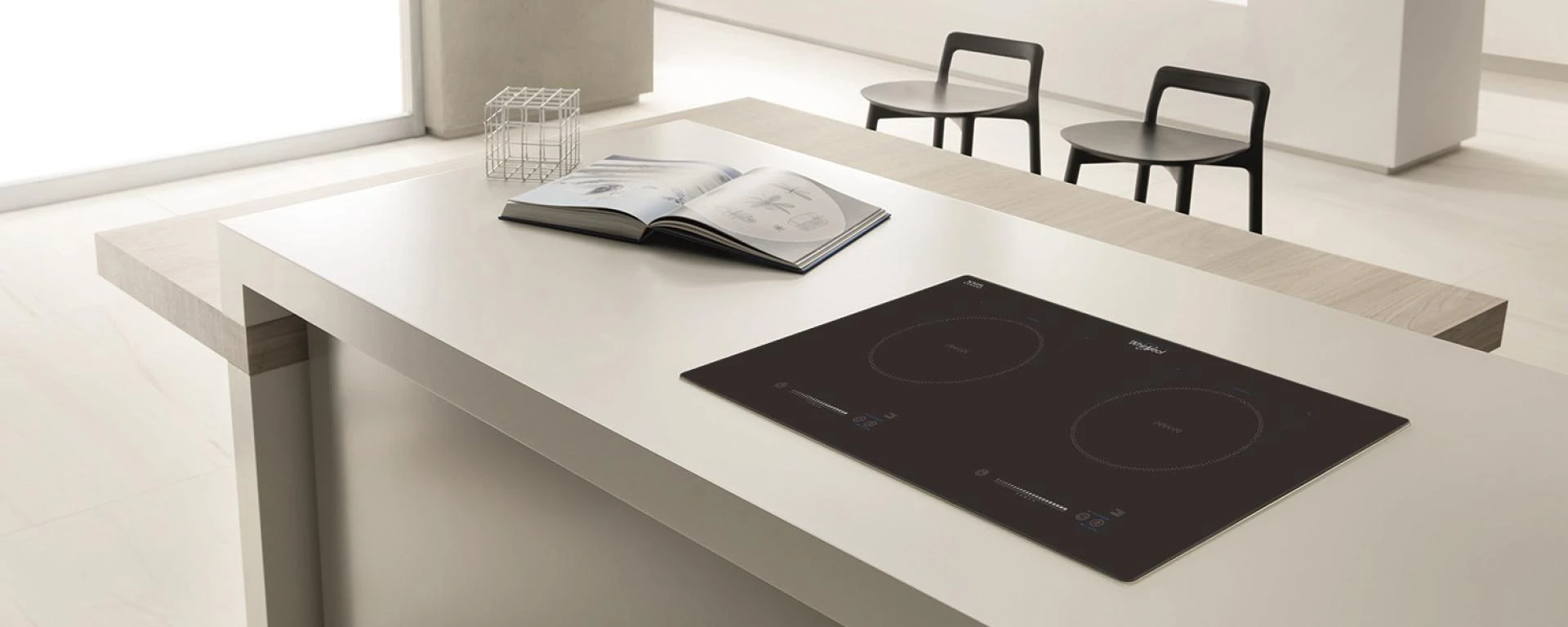

Built-in induction hobs are increasingly becoming a preferred choice in modern kitchens, valued for their seamless integration, efficient performance, and precise cooking control. Unlike a portable induction hob, built-in induction hobs are designed to sit flush within the countertop, making them a long-term kitchen decision rather than a temporary cooking solution. With a wide range of models now available, choosing the right option requires a clear understanding of how these appliances fit into everyday kitchen use. From installation planning to long-term usability, each aspect can influence overall performance and satisfaction. This article helps you understand what to consider before buying a built-in induction hob, ensuring your final choice supports daily cooking needs and overall kitchen design.
Kitchen Layout and Built-In Compatibility
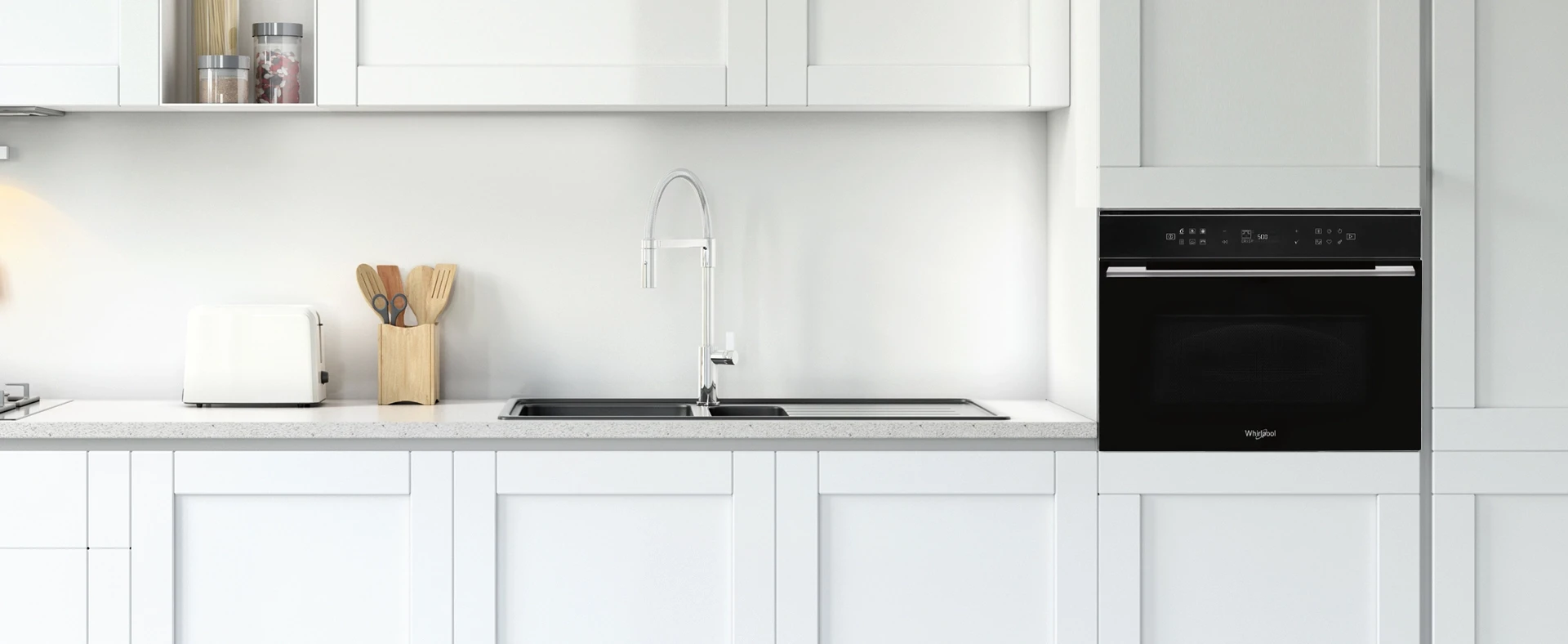
Kitchen layout plays a crucial role when selecting built-in induction hobs, as these appliances are designed to integrate precisely into the countertop rather than sit on the surface. Accurate cut-out dimensions are essential to ensure a secure fit and a seamless finish, particularly in modern kitchens where clean lines matter.
Cabinet depth, countertop thickness, and ventilation clearance beneath the hob should also be evaluated during planning. Many contemporary models are designed to support easier installation with reduced ventilation space, allowing them to sit flush without additional frontal gaps. Some advanced designs also offer flexible cut-out compatibility, which can be especially useful in renovation projects or kitchens with pre-existing countertop dimensions.
Power Requirements and Electrical Readiness
Electrical readiness is a critical factor when installing built-in induction hobs, as these appliances require a dedicated power connection rather than a standard socket. Proper voltage and amperage ratings must be assessed to support consistent performance and avoid overloading the household circuit. Higher-capacity models often operate at elevated power levels, making it essential to confirm that the kitchen’s electrical infrastructure can handle the load. Some advanced designs allow users to manage power output by setting lower consumption limits, offering greater flexibility for homes with varying electrical capacities. Reviewing these requirements in advance helps ensure safe operation and long-term reliability.
Cooking Zones and Pan Flexibility
The number and layout of cooking zones play a key role in how comfortably an induction hob fits into everyday cooking routines. Smaller kitchens may benefit from compact two-zone layouts, while larger households often prefer three or four zones to handle multiple dishes at once. Choosing the right configuration helps balance available counter space with practical cooking needs, especially during busy meal preparation.
Some advanced designs found in the best induction hob categories offer flexible cooking zones that adapt to different cookware sizes and shapes. These continuous-zone layouts automatically detect pan placement, allowing larger pots or irregular cookware to be used without being limited to fixed heating areas. This flexibility adds convenience and improves overall cooking efficiency.
Heat Control and Cooking Precision
Before buying an induction hob, it is important to assess how precisely heat levels can be controlled during everyday cooking. Induction technology responds instantly to adjustments, which helps prevent overcooking and allows better control over delicate tasks. Some models offer preset cooking modes that support common functions such as melting, simmering, or keeping food warm, reducing the need for constant monitoring. Buyers should also check how temperature adjustments are made, as continuous slider controls allow finer control compared to step-based settings. These elements directly influence cooking consistency and ease of use over time.
Energy Efficiency and Consumption Patterns
When evaluating built-in induction hobs before purchase, it is important to understand how efficiently they use energy during everyday cooking. Induction technology transfers heat directly to the cookware instead of heating the surface, which reduces energy loss and improves cooking efficiency. This targeted heat delivery allows meals to be prepared faster while consuming less power over time. Some advanced models also feature rapid heating or booster functions that shorten cooking durations for tasks like boiling, helping optimise energy use. Considering these efficiency-driven aspects can give buyers a clearer picture of long-term consumption patterns and operating costs.
Safety Features for Everyday Use
Safety is a key reason many households prefer built-in induction hobs, particularly when compared to traditional gas or electric alternatives. Because heat is generated directly within the cookware, the surrounding surface remains relatively cool, reducing the risk of accidental burns. There is also no open flame, making induction a safer option for enclosed kitchens and family homes.
Key safety features to look for before buying include:
- Residual heat indicators that show when the surface remains warm
- Automatic pan detection, which prevents heating when cookware is absent
- Control panel lock functions, especially useful in homes with children
Ease of Cleaning and Maintenance
Ease of cleaning is an important factor to consider when choosing built-in induction hobs, particularly in active household kitchens. The flat glass surface allows spills and splashes to be wiped away easily, as food is less likely to burn onto the surface due to the absence of direct heat. This makes routine cleaning quicker and less effort-intensive compared to traditional hobs.
Many modern designs also use high-quality, heat-resistant glass that offers better durability and scratch resistance over time. Sleek finishes with minimal gaps further help reduce areas where grease and grime can accumulate, supporting cleaner surfaces and lower maintenance in the long run.
Material Quality and Build Reliability
The quality of materials used in built-in induction hobs directly influences how well the appliance performs over time. Strong construction helps the hob maintain consistent heat delivery, structural stability, and surface integrity even after years of regular use. When planning to buy induction cooktop models, assessing build quality is essential, as it plays a major role in long-term durability and value.
Premium models feature high-grade glass surfaces engineered to resist impact, thermal stress, and surface wear. A focus on reliable construction also supports dependable internal components, reducing performance issues and ensuring the hob continues to function smoothly well beyond the initial years of installation.
Control Interface and Usability
The control interface plays a key role in how comfortable built-in induction hobs are to use on a daily basis. Before buying, it is worth assessing whether the controls feel intuitive or overly complex, especially for households with multiple users. Many contemporary designs rely on touch-based slider controls that allow quick and precise heat adjustments with minimal effort. Clear visual mapping between cooking zones and their corresponding controls further improves usability, reducing confusion when preparing multiple dishes at the same time. A thoughtfully designed interface enhances ease of use and contributes to a smoother overall cooking experience.
Installation, Service, and Long-Term Support
Installation and after-sales support are important considerations when choosing built-in induction hobs, as these factors influence both safety and long-term performance. Professional installation helps ensure accurate fitting, correct electrical connections, and proper ventilation within the kitchen setup. It is advisable to purchase from established, reputed home appliance brands that offer structured installation support and dependable service access. Reliable warranty coverage and an established service network become especially valuable over time, reducing downtime and ensuring assistance is available if technical issues arise. Strong long-term support adds confidence to the purchase and contributes to a more dependable ownership experience.
Conclusion
Choosing the right induction hob is a long-term kitchen decision that benefits from thoughtful evaluation rather than impulse buying. Prioritising quality, reliability, and support can make a meaningful difference to everyday use over time. Opting for built-in induction hobs from established, reputed home appliance brands helps ensure dependable performance, reliable service access, and long-term peace of mind.


























Sign in to leave a comment.