
The demand for clean, reliable energy is climbing. But what happens when the sun sets or the grid fails? That’s where battery storage enters the equation. More businesses are now exploring solar-plus-storage setups as a way to boost energy control and cost savings.
So, is adding battery storage to your solar installation worth the expense? Let’s break it down.
Understanding Solar + Storage Systems
When businesses invest in solar, they reduce reliance on utility power during daylight. However, solar energy production stops after sunset. This is where battery storage becomes valuable. It saves extra solar power generated during the day so it can be used later at night or during power outages.
Incorporating storage into your system means:
- More control over energy use
- Backup power during outages
- Avoiding high demand charges during peak hours
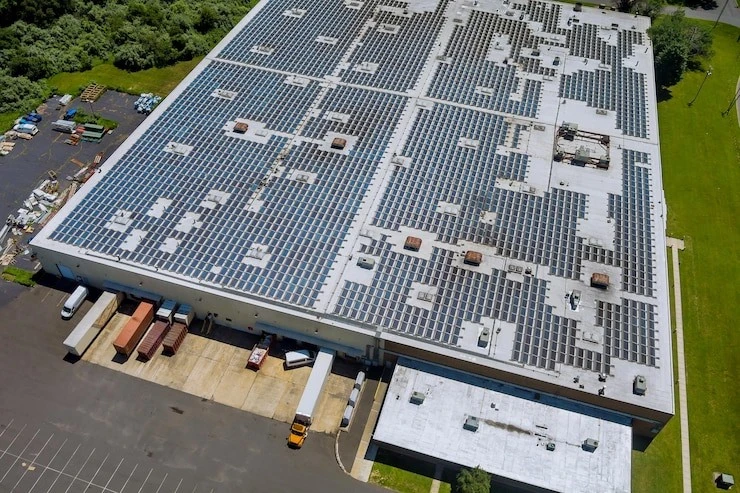
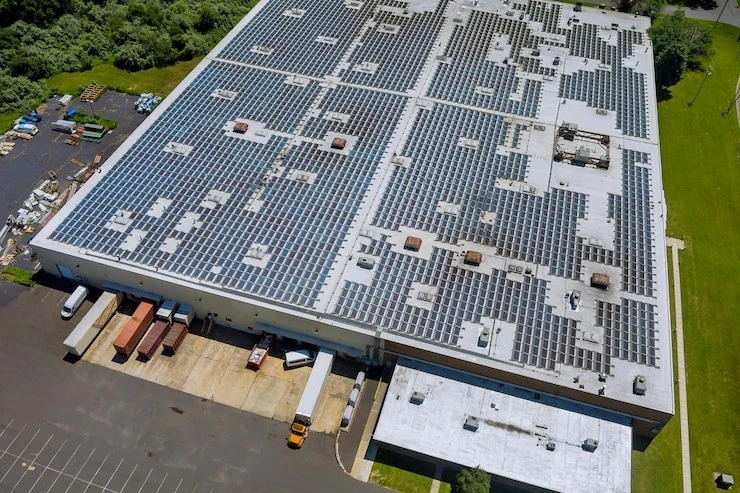
The cost of commercial solar panel installation can vary based on location, energy needs, and system size. Adding battery storage raises the upfront cost, yet the long-term benefits often surpass the initial investment.
Why Businesses Are Pairing Solar with Battery Storage
Energy costs continue to rise, particularly during high-demand periods. Stored energy helps offset these peak charges by supplying power when utility rates are highest.
For example:
- A restaurant can keep refrigeration and lighting running during outages.
- A warehouse can avoid operational pauses with battery-supported systems.
- Offices can reduce grid demand during expensive peak billing periods.
In most cases, battery storage complements commercial solar panel installation for businesses by offering added protection and improved energy management.
Key Financial Considerations
Bundling batteries increases the system’s upfront cost, but various incentives can help offset it. Here’s what to consider:
- Federal Investment Tax Credit (ITC): Applies to solar and may extend to storage if batteries are charged primarily with solar power.
- MACRS Accelerated Depreciation: Enables businesses to recover installation costs at a faster rate through tax savings.
- State-level programs: Some states offer rebates or grants for battery installations.
Adding battery storage also helps lower operating costs over time, especially in areas with demand charges or time-of-use rates.
Energy Resilience and Grid Independence
Power outages can lead to lost revenue and damaged inventory. Battery storage helps keep essential systems running when the grid goes down.
Here’s how solar-plus-storage benefits business operations:
- Maintains lighting, refrigeration, and IT systems
- Reduces downtime during utility disruptions
- Supports critical functions without the need for generators
This independence is a strong reason why many businesses are shifting to integrated solar and battery systems.
Is the Investment Worth It?
If your location experiences regular blackouts, high utility rates, or peak demand charges, the answer leans toward yes. Battery storage increases your return on solar by giving you access to more of your own energy—even when the sun isn’t shining.
The total cost of commercial solar panel installation with storage depends on system size and energy needs, but the savings can be significant over time. In many cases, businesses see payback within 5 to 8 years, with long-term gains in reliability and reduced costs.
Final Takeaway
For businesses that value operational stability, cost control, and cleaner energy, pairing batteries with solar is becoming a smart move. Storage transforms solar into a round-the-clock energy solution, not just a daytime benefit.
A full commercial solar panel installation for businesses with battery storage may carry a higher upfront cost, but it also delivers long-term savings, security, and environmental value.





























Sign in to leave a comment.