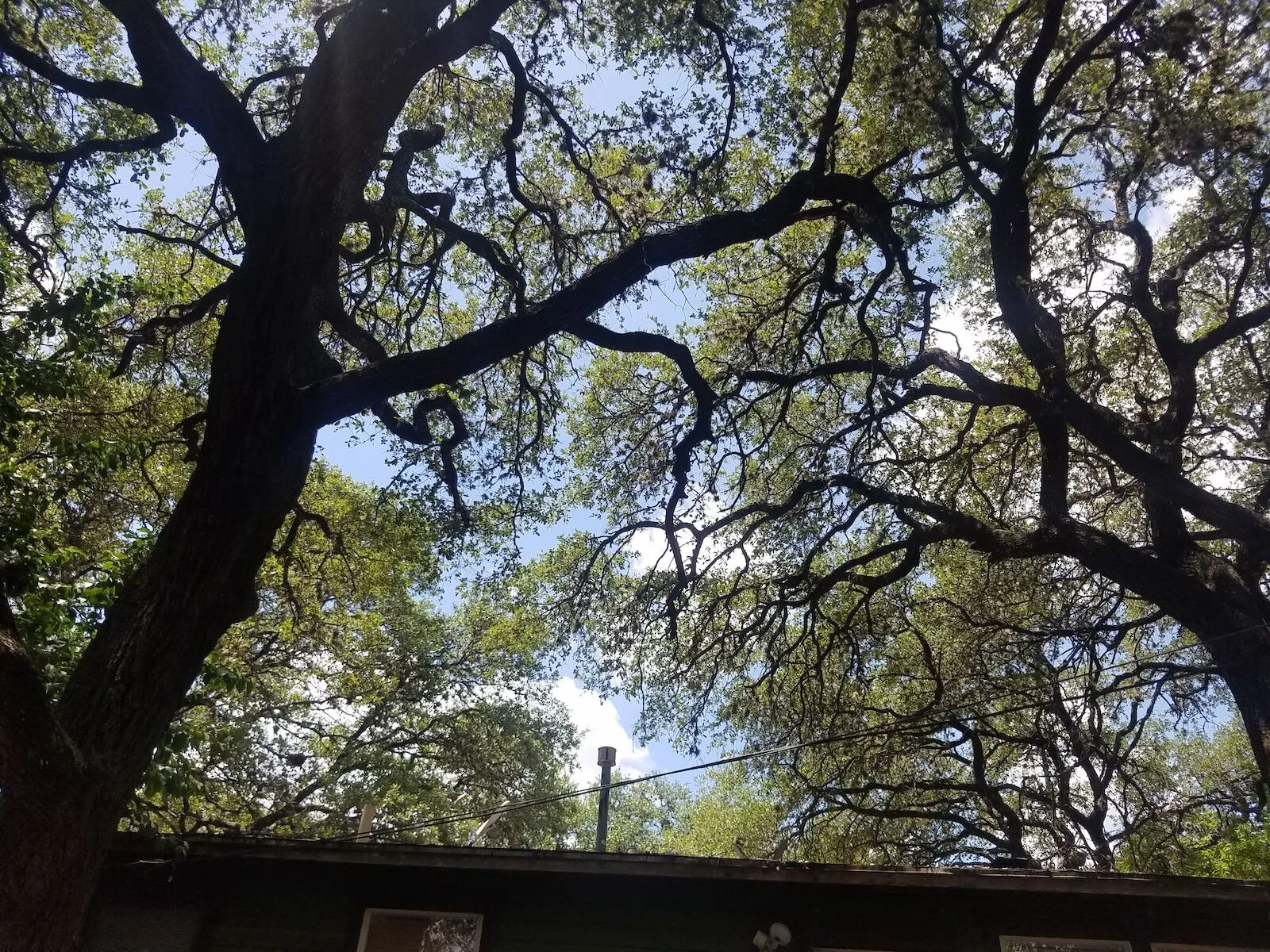

Living in Central Texas, you already know how unpredictable the weather can get, and your trees feel it even more than you do. Within the first few weeks of summer, issues like wood-boring beetle treatment and finding reliable tree service in Cedar Park, TX, become real concerns for homeowners trying to protect their landscapes. The climate here doesn’t just influence tree growth—it directly shapes how pests behave and how effective your treatment strategies will be.
Why Central Texas Climate Sets the Stage for Tree Stress
Before you even think about pests, you’ve got to understand stress. Around Cedar Park, trees constantly battle alkaline soil, extreme heat, and that wild swing between drought and sudden heavy rain. One week your soil feels like dust, the next it’s soaked and compacted.
That kind of inconsistency weakens your trees from the inside out. Roots struggle to absorb nutrients. Leaves lose moisture faster than they should. And when July hits? The canopy starts thinning, even if the tree looks “fine” from a distance.
This stress becomes the perfect entry point for pests. You might not notice it right away, but once your tree’s defenses drop, beetles don’t hesitate.
How Stress Attracts Wood Boring Beetles
Here’s the thing—wood boring beetles don’t usually go after healthy trees first. They’re opportunistic. When your tree starts sending out stress signals (like reduced sap flow or weakened bark), that’s basically an open invitation.
In Cedar Park, I’ve seen this happen a lot. A homeowner ignores early drought stress, maybe skips deep watering, and suddenly they’re dealing with an infestation. That’s where wood boring beetles treatment becomes critical, but timing matters more than most people realize.
If you jump in too late, the larvae already sit deep inside the wood, feeding and tunneling. At that point, surface-level solutions won’t cut it.
Common Misdiagnosis That Makes Things Worse
One of the biggest mistakes you can make? Misreading the symptoms.
You might think your tree just looks dry or assume it needs fertilizer. But those tiny holes in the bark or sawdust-like residue (called frass) tell a different story. That’s beetle activity.
I’ve seen people try random chemical sprays they picked up at a local store. Honestly, that usually makes things worse. Wrong chemicals, wrong timing, or overuse can damage the tree further and kill beneficial organisms in the soil.
Instead of solving the issue, it delays proper wood boring beetles treatment, giving the infestation more time to spread.
Why Climate Makes Treatment Tricky
Now here’s where Central Texas really complicates things.
Heat speeds up beetle life cycles. That means more generations in a single season. Combine that with drought-stressed trees, and you’ve got a fast-moving problem.
Also, treatments behave differently in extreme weather. Chemicals can evaporate faster in high heat or fail to penetrate dry bark properly. On the flip side, sudden rain can wash treatments away before they even work.
That’s why relying on guesswork doesn’t work here. You need strategies that actually account for local conditions.
Tree Care Practices That Actually Work in Cedar Park
You don’t need to overcomplicate things, but you do need consistency.
Start with watering. Deep, infrequent watering helps roots grow stronger and access nutrients better. Avoid shallow watering—it just makes roots lazy and more vulnerable.
Next, pay attention to soil health. Central Texas soil tends to be compact and alkaline, so aeration can make a huge difference. When roots breathe better, trees recover faster from stress.
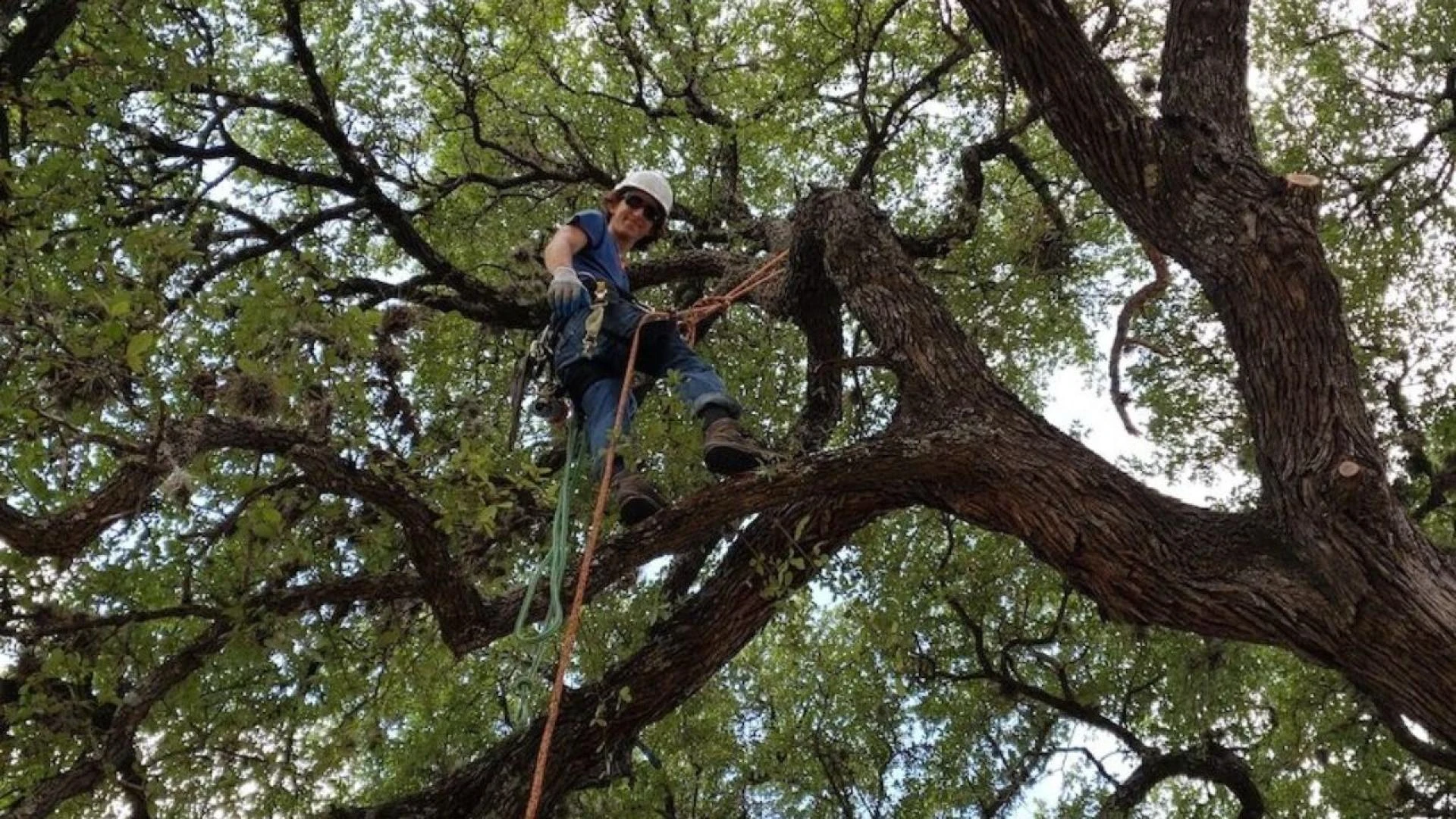
Pruning also plays a role. Removing dead or weak branches reduces the chances of beetles settling in. But don’t overdo it—too much pruning during peak heat can stress the tree even more.
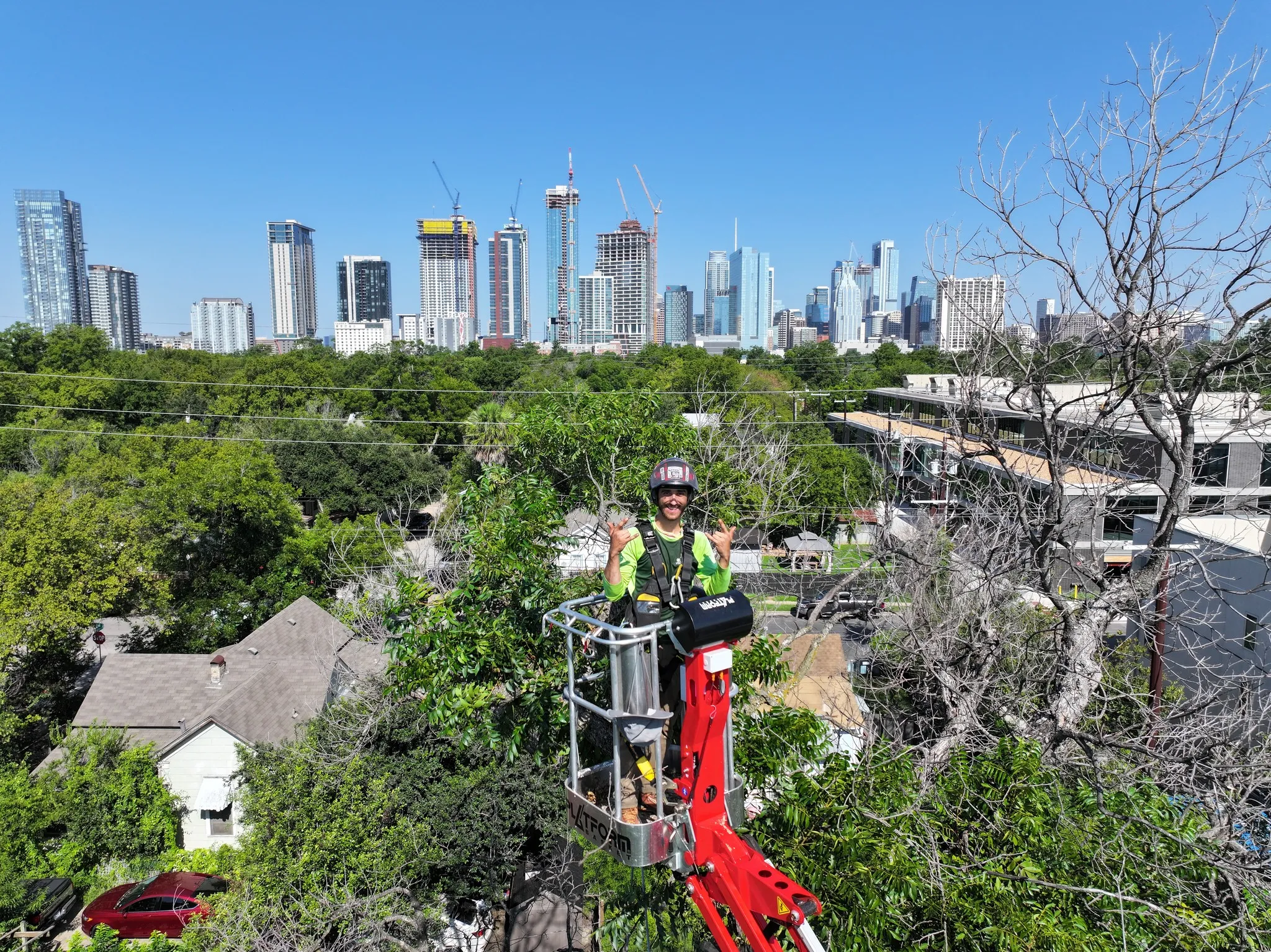
This is where working with a knowledgeable tree service cedar park tx provider becomes valuable. You get guidance that actually fits your environment, not generic advice.
Delayed Action: The Silent Killer
A lot of homeowners wait too long. Maybe you think the problem will resolve itself, or you’re unsure if it’s serious.
But with beetles, time isn’t on your side.
Once larvae dig deeper into the tree, treatment gets harder and more expensive. In severe cases, removal becomes the only option.
Acting early changes everything. Even simple inspections during peak seasons can help you catch early signs before they spiral.
Balancing Treatment and Tree Health
You can’t just throw chemicals at the problem and call it a day. Real success comes from balance.
Effective wood boring beetles treatment works best when you also improve overall tree health. Think of it as strengthening the tree while targeting the pest.
That might include:
- Soil conditioning
- Proper watering schedules
- Strategic pruning
- Monitoring seasonal stress patterns
When you combine these steps, your trees don’t just survive—they become more resilient over time.
Why Local Expertise Matters More Than Ever
Cedar Park isn’t like other regions. What works in cooler climates or different soil types won’t necessarily work here.
Local professionals understand how heat waves, soil composition, and urban development impact your trees. They don’t just treat symptoms—they address root causes.
And honestly, that’s what saves you money and stress in the long run.
Conclusion: Staying Ahead of Climate and Pest Challenges
If you live in Cedar Park, you can’t ignore how the climate shapes every aspect of tree care. Heat, drought, and soil conditions weaken trees long before pests show up, which makes early action essential. By understanding how stress leads to infestations, you can approach wood boring beetle treatment with better timing and smarter decisions. At the same time, working with a reliable tree service in Cedar Park, TX ensures your trees receive care that actually matches local conditions. When you stay proactive and informed, you protect not just your trees—but your entire landscape investment.



























Sign in to leave a comment.