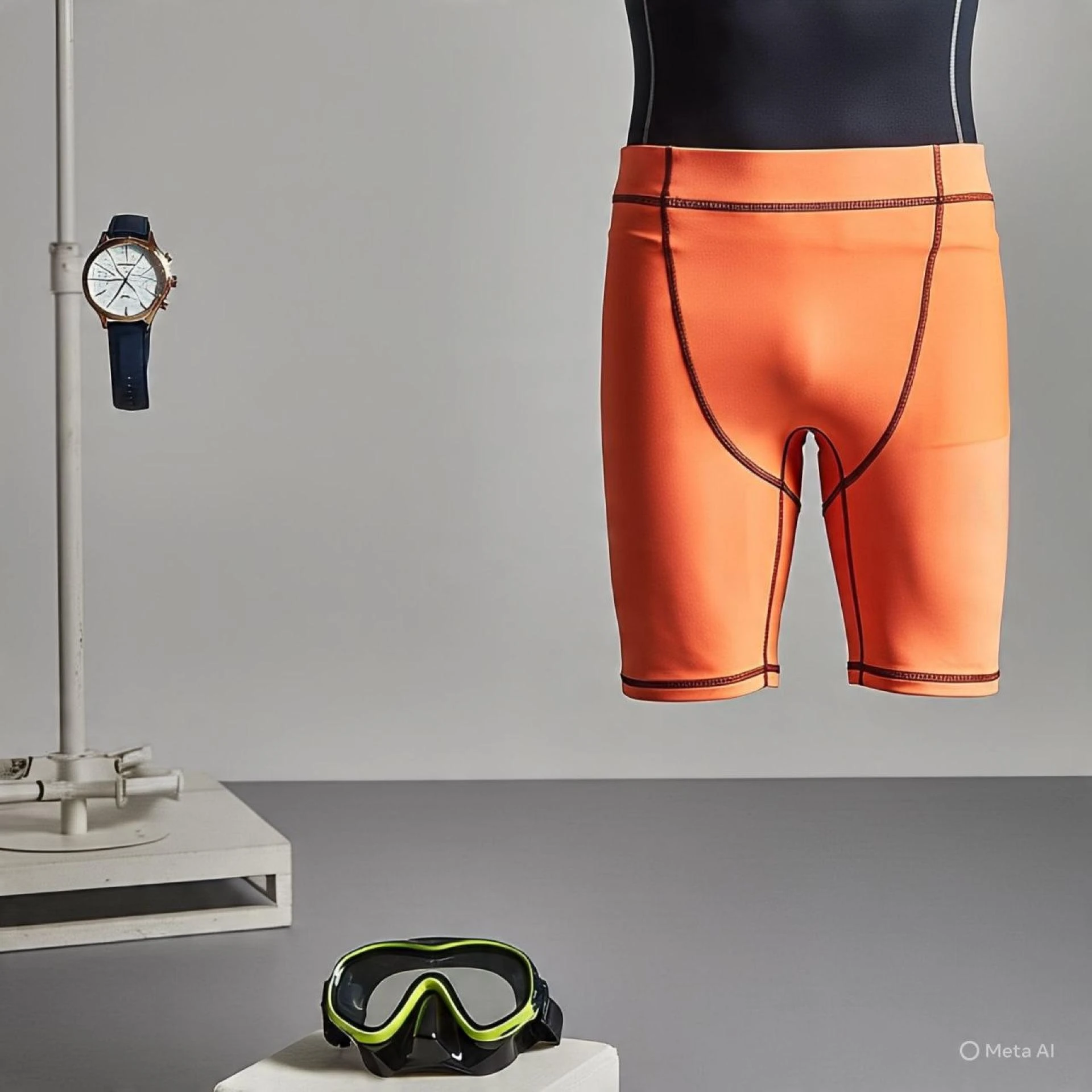
Swimming is a great way to stay fit, but it also requires proper technique. One of the biggest challenges swimmers face is keeping their body in the correct position. When your hips or legs sink, your body creates more resistance, making it harder to swim efficiently. That's where buoyancy shorts come into play. Buoyancy shorts are swim training tools made of neoprene, the same material used in wetsuits. They help lift your hips and legs to keep your body in a more horizontal position.
Buoyancy shorts are popular among triathletes and swimmers of all levels. They simulate the feeling of wearing a wetsuit, helping swimmers train with better posture and less effort. These shorts are especially useful during drills, recovery swims, or for those who struggle with body position in the water. By using buoyancy shorts regularly, you can build better swimming habits and become more confident in the pool.
In this article, we will explore six important topics about buoyancy shorts, including their benefits, how they work, who should use them, how to choose the right pair, and common mistakes to avoid. Whether you are a beginner or an experienced swimmer, this guide will help you understand everything you need to know about buoyancy shorts.
What Are Buoyancy Shorts Made Of?
Buoyancy shorts are designed with one main goal: to help swimmers stay afloat and maintain proper body position. They are usually made from neoprene, a soft, flexible material that also provides insulation. Neoprene has natural buoyant properties, which means it helps lift parts of the body that tend to sink, especially the hips and thighs.
The thickness of buoyancy shorts usually ranges from 3mm to 5mm. A 5mm short offers more lift and is ideal for beginners who struggle with sinking hips. A 3mm short provides a more natural swimming feel and is better suited for advanced swimmers. Some brands even use different thicknesses in the front and back to help tilt the body slightly forward for better swimming posture.
These shorts typically feature flatlock or glued seams to prevent water from entering and to make them more durable. They come with adjustable waistbands or drawstrings to ensure a snug and comfortable fit. It's important that the shorts fit well, as loose-fitting shorts can let in water, reducing their effectiveness.
In summary, buoyancy shorts are made of neoprene, are available in different thickness levels, and come with strong stitching to last long. They are engineered to provide support, comfort, and performance improvement for swimmers.
How Do Buoyancy Shorts Work?
Buoyancy shorts work by lifting the hips and upper legs, which helps swimmers maintain a horizontal position in the water. When you're swimming, staying flat and streamlined reduces drag and helps you move more efficiently. Sinking hips and legs can slow you down and cause poor technique. Buoyancy shorts correct this by offering extra lift.
Think of buoyancy shorts like training wheels for swimming. They support your lower body so you can focus on improving your stroke, breathing, and arm movements without worrying about body position. Over time, this helps build muscle memory. Even when you take off the shorts, your body remembers the right way to swim.
Another benefit is that buoyancy shorts reduce the effort needed to stay afloat. This means you can swim longer and concentrate on technique, endurance, or recovery. Many triathletes use them to mimic wetsuit conditions during pool training. This way, they can prepare for open water races without overheating or wearing a full wetsuit in the pool.
So, in short, buoyancy shorts help you swim better by lifting your body, improving alignment, and reducing the energy you need to stay afloat. This makes training more productive and enjoyable.
Who Should Use Buoyancy Shorts?
Buoyancy shorts are suitable for a wide range of swimmers. Whether you are new to swimming or an experienced athlete, these shorts can help you improve your skills and confidence in the water.
Beginners: New swimmers often struggle with staying horizontal in the water. Their hips and legs tend to drop, which makes swimming harder. Buoyancy shorts offer instant support, making it easier for them to learn proper technique without feeling frustrated.
Triathletes: For triathletes, buoyancy shorts are especially helpful. Since wetsuits are allowed in most races, it's important to train in a similar condition. Buoyancy shorts help simulate the wetsuit feeling in the pool, making training more race-like.
Injured Swimmers: If you're recovering from an injury, buoyancy shorts can reduce stress on your body while allowing you to stay active. They offer support to your core and lower body, making rehab workouts safer.
Coaches and Trainers: Swimming coaches often use buoyancy shorts as a training tool. They help swimmers focus on drills and stroke improvement without worrying about body alignment.
In short, anyone who wants to improve swim posture, reduce drag, or build endurance can benefit from using buoyancy shorts.
How to Choose the Right Pair
Choosing the right buoyancy shorts depends on your swimming goals, experience level, and body type. Here are some simple tips to help you make the best choice:
1. Thickness: Beginners should choose thicker shorts (5mm) for more support. Advanced swimmers might prefer 3mm shorts for a more natural feel.
2. Size and Fit: Always check the size chart provided by the brand. The shorts should fit snugly without being too tight. A poor fit can let water in or cause discomfort.
3. Material Quality: Look for high-quality neoprene that is soft, flexible, and durable. Premium brands usually offer better performance and longer lifespan.
4. Stitching: Strong stitching like flatlock or glued seams makes the shorts more comfortable and less likely to tear.
5. Waist Design: Some shorts have drawstrings, while others have elastic bands. Choose the one that feels best for you.
6. Brand Reputation: Brands like ROKA, Blueseventy, and Zone3 are well-known for making good buoyancy shorts. Reading customer reviews can also help.
By keeping these tips in mind, you can find the perfect pair of buoyancy shorts that will help you swim better and train more effectively.
Key Benefits of Using Buoyancy Shorts
There are many reasons why swimmers love using buoyancy shorts. Here are some of the main benefits:
1. Improved Body Position: Buoyancy shorts help lift your hips and legs, keeping your body straight and flat. This improves your form and reduces drag in the water.
2. Easier Technique Practice: When you don't have to fight to stay afloat, you can focus on improving your stroke, breathing, and rhythm.
3. Better Endurance: With less resistance, you can swim longer without getting tired. This is helpful for long training sessions or building stamina.
4. Injury Recovery: Swimmers recovering from injuries can use buoyancy shorts to stay active without putting too much stress on their joints.
5. Confidence Building: New swimmers often feel nervous about sinking. Buoyancy shorts give them the support they need to feel comfortable and safe.
6. Muscle Memory Training: As you get used to the correct position, your muscles learn it too. This means you'll swim better even when you're not wearing the shorts.
Overall, buoyancy shorts are a powerful tool that help swimmers improve technique, build confidence, and train more effectively.
Common Mistakes to Avoid
While buoyancy shorts are easy to use, there are some common mistakes swimmers should avoid:
1. Using Them All the Time: Buoyancy shorts are a training aid, not a replacement for skill. Use them in moderation to avoid becoming too dependent.
2. Choosing the Wrong Size: A size too big or too small can affect how well the shorts work. Always refer to the brand’s size chart.
3. Not Practicing Without Them: It’s important to swim without the shorts regularly so you can build natural strength and technique.
4. Poor Care and Maintenance: Rinse your shorts with fresh water after each use and let them dry in the shade. Avoid heat or sunlight, which can damage neoprene.
5. Ignoring Core Training: Buoyancy shorts help with body position, but strong core muscles are still important. Don’t skip dryland workouts.
6. Expecting Instant Results: Improvement takes time. Buoyancy shorts help, but you also need to stay consistent and focused during practice.
Avoiding these mistakes will help you get the most out of your buoyancy shorts and continue to grow as a swimmer.
Conclusion: A Smart Addition to Swim Gear
Buoyancy shorts are more than just a training tool. They are a simple but effective way to improve swimming posture, reduce drag, and build confidence in the water. Whether you're new to swimming or training for a race, these shorts can help you get better results with less effort. By choosing the right pair and using them correctly, you can swim longer, train smarter, and feel stronger in the water.
Frequently Asked Questions (FAQs)
Q1: Are buoyancy shorts allowed in races?
No, buoyancy shorts are not allowed in official swim competitions. They are only used for training purposes.
Q2: Can I use buoyancy shorts in open water?
Yes, buoyancy shorts work well in both pools and open water. Just remember to rinse them after use.
Q3: How often should I wear buoyancy shorts?
Use them 1-3 times a week. It's important to also swim without them to develop balanced skills.





























Sign in to leave a comment.