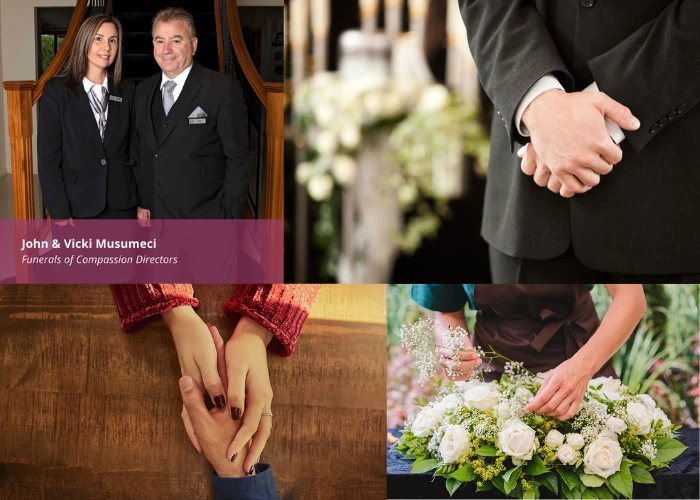

When a loved one passes away, most families turn towards funeral homes and funeral parlours, as they have no idea of what to do from here and where to start. They even have confusion related to selecting the right method for body disposal between burial and cremation. Grief is there, and a temporary mental imbalance to make decision-making really complex. This question is very obvious: whether to go with burial or cremation, and what happens when a funeral parlour is involved in the process. Let us try to find out the answers to these questions in this post.
WHAT HAPPENS FIRST AT A FUNERAL PARLOUR?
When death occurs, the family's responsibility is to contact the nearest funeral parlour or funeral home. The funeral director then arranges transfer into care, and particularly in Sydney and NSW, strict guidelines apply under NSW health regulations. All the procedures related to this process, including identification, documentation and respectful handling, are followed by the chosen funeral director. Now, the main question is: what happens inside the funeral parlour? The answer is provided below.
- The deceased is formally identified
- Care and preparation begin
- Personal effects are recorded
- Family meetings are scheduled
This is the stage at which the funeral director outlines the options and describes the details of burial and cremation.
SELECTING BURIAL: WHAT IS THE PROCESS?
Burial is a common process used for body disposal after death, and communities that use this option the most are Catholics, Orthodox, and some cultural communities. Once preparation and viewing are complete, the burial process proceeds as follows.
- Booking a cemetery plot
- Coordinating a church or chapel service
- Arranging transport and pallbearers
- Managing cemetery documentation
The burial option is ideal for families who value a permanent gravesite or visitation. Cemetery availability and cost are two options that influence the final decision.
SELECTING CREMATION: WHAT CHANGES?
According to funeral parlours, cremation is now the choice of more than 70% families across Australia, and this data comes from the Australian Bureau of Statistics. The cost is a major factor here as families search for an affordable funeral parlour in Sydney, and then the flexibility also comes into play. At a funeral parlour, the process of cremation involves the following steps.
- Medical certificates and cremation permits
- Scheduling with a licensed crematorium
- Identification checks before cremation
- Return of ashes to the family
Families have the liberty to hold a chapel service beforehand and a memorial event later, or they can choose direct cremation without any formal ceremony.
COST DIFFERENCES: BURIAL Vs. CREMATION IN SYDNEY
Cost conversations often feel uncomfortable, even when you are in contact with the most affordable funeral parlour in Sydney. Burial expenses and cremation expenses vary a lot, and it is only after understanding the inclusions that you will realise the cost differences.
BURIAL EXPENSES TYPICALLY INCLUDE:
- Cemetery plot purchase
- Interment fees
- Coffin selection
- Chapel or church hire
Cremation usually excludes cemetery plot costs, but still includes:
- Coffin
- Crematorium fee
- Chapel service (if held)
The cost of funeral burial services is always high due to the expenditure related to land purchase. The responsibility of a funeral parlour is to itemise every charge clearly and maintain as much transparency as possible.
WHAT FAMILIES OFTEN OVERLOOK?
When comparing, families focus only on choosing between burial and cremation. They overlook numerous factors like –
- Venue capacity during peak seasons
- Cultural timing requirements
- Death certificate processing delays
- Personalisation options
Sydney is known for its multicultural community, and this is why the funeral parlour services offered to this city are full of diversity. They can accommodate specific rites such as Hindu cremation, orthodox burial, Buddhist rituals, and the secular celebration of life. A funeral director's responsibility is to arrange logistics and guide families through the local requirements for the selected option. They also provide bereavement support to family members who are emotionally broken due to the loss.
FAQs
IS CREMATION CHEAPER IN SYDNEY?
- Generally yes.
- Burial includes cemetery plot costs.
- This significantly increases overall expenses in metropolitan Sydney.
HOW LONG DOES A FUNERAL TAKE TO ARRANGE IN NSW?
- Most services occur within 3–7 days, depending on documentation, cultural needs and venue availability.
CAN WE HOLD A SERVICE WITHOUT BURIAL OR CREMATION?
- Yes.
- Families may choose a memorial service without the deceased present.
WHO REGISTERS THE DEATH IN NSW?
- The funeral director usually registers the death with the NSW Registry of Births, Deaths, and Marriages.
ARE PREPAID FUNERALS REGULATED IN NSW?
- Yes.
- NSW Fair Trading oversees prepaid funeral funds and contracts.

























Sign in to leave a comment.