They boarded for a pilgrimage. They never returned.
Their names were not famous. Their stories barely made the news cycle. But they died in fire, mid-air, with prayers on their lips and trust in a system that let them fall.
This isn’t just about helicopters. It’s about human lives reduced to flight numbers. About silence that follows a scream the nation has heard too many times.
The Morning That Never Ended
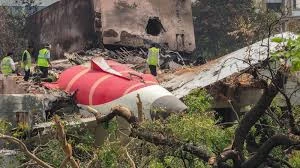
June 14. Kedarnath. A helicopter lifts off. Ten minutes later, it’s a funeral.
Seven people — six pilgrims, one pilot. Gone. No survivors. No warning.
The forest where the aircraft crashed lit up in flames. Bodies couldn’t be identified. The news anchors read it coldly, already preparing for the next bulletin.
But in a home somewhere in Jaipur, a daughter clutched her father’s last selfie from the helipad. It was the only thing that made it back.
How Many Must Die Before Someone Takes Blame?
Five crashes. Six weeks.
- Gangotri. Kedarnath. Ahmedabad.
- Pilgrims, civilians, defense personnel.
- 248 lives in 43 days.
No resignations. No apologies. Just weather reports.
One crash is tragedy. Five is betrayal.
Not Mechanical Failure — Moral Failure
Officials say it’s "fog." That it was "unexpected wind." That "mountains are dangerous."
But truth whispers darker things:
- Technicians hired through bribes.
- Pilots without mountain training.
- Maintenance skipped to save costs.
- Safety reports shelved to protect reputations.
A senior pilot anonymously told a journalist, “We know which choppers are dangerous. But we’re told to fly anyway. Just keep smiling for the tourists.”
What Happens After the Crash?
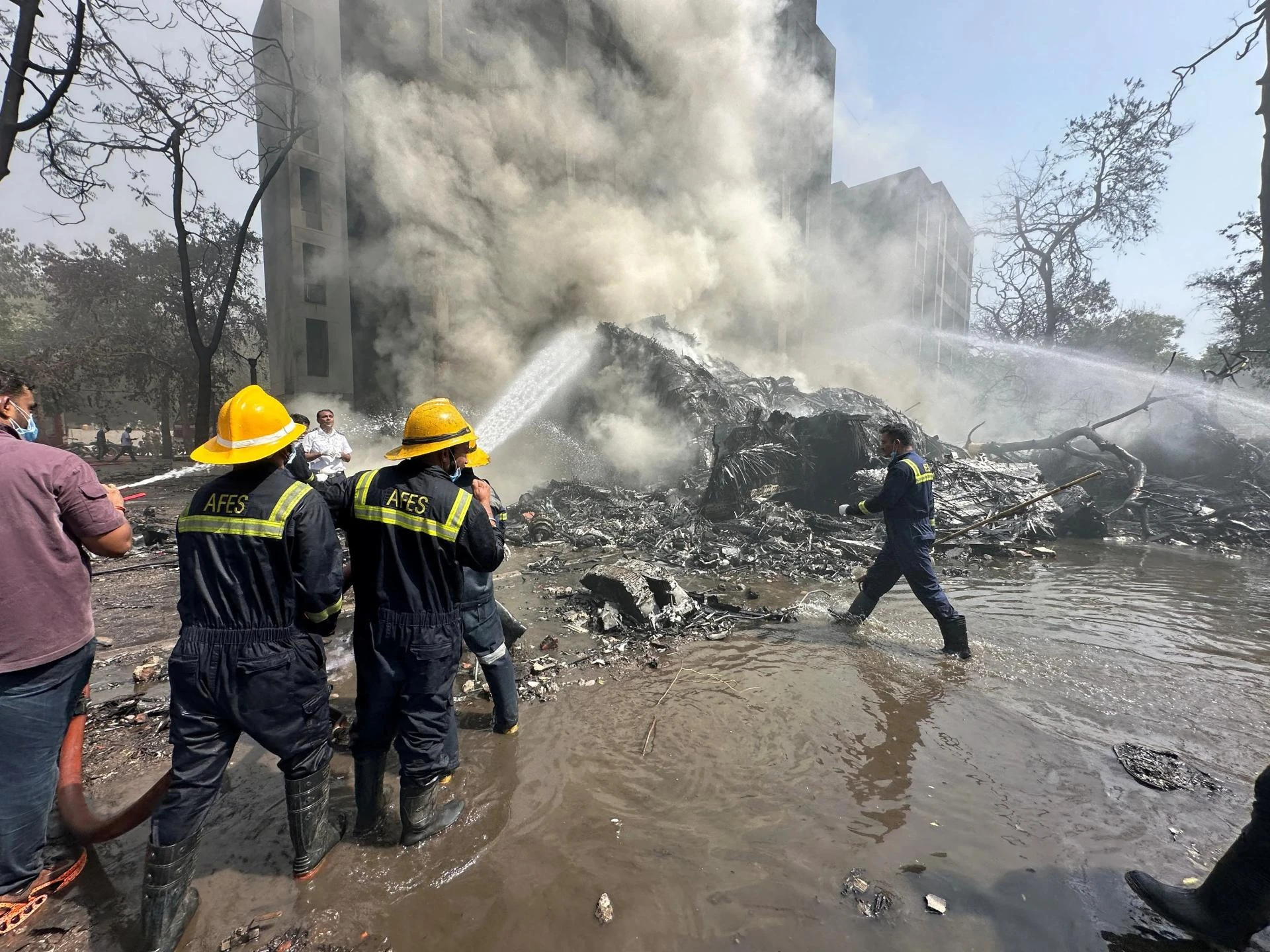
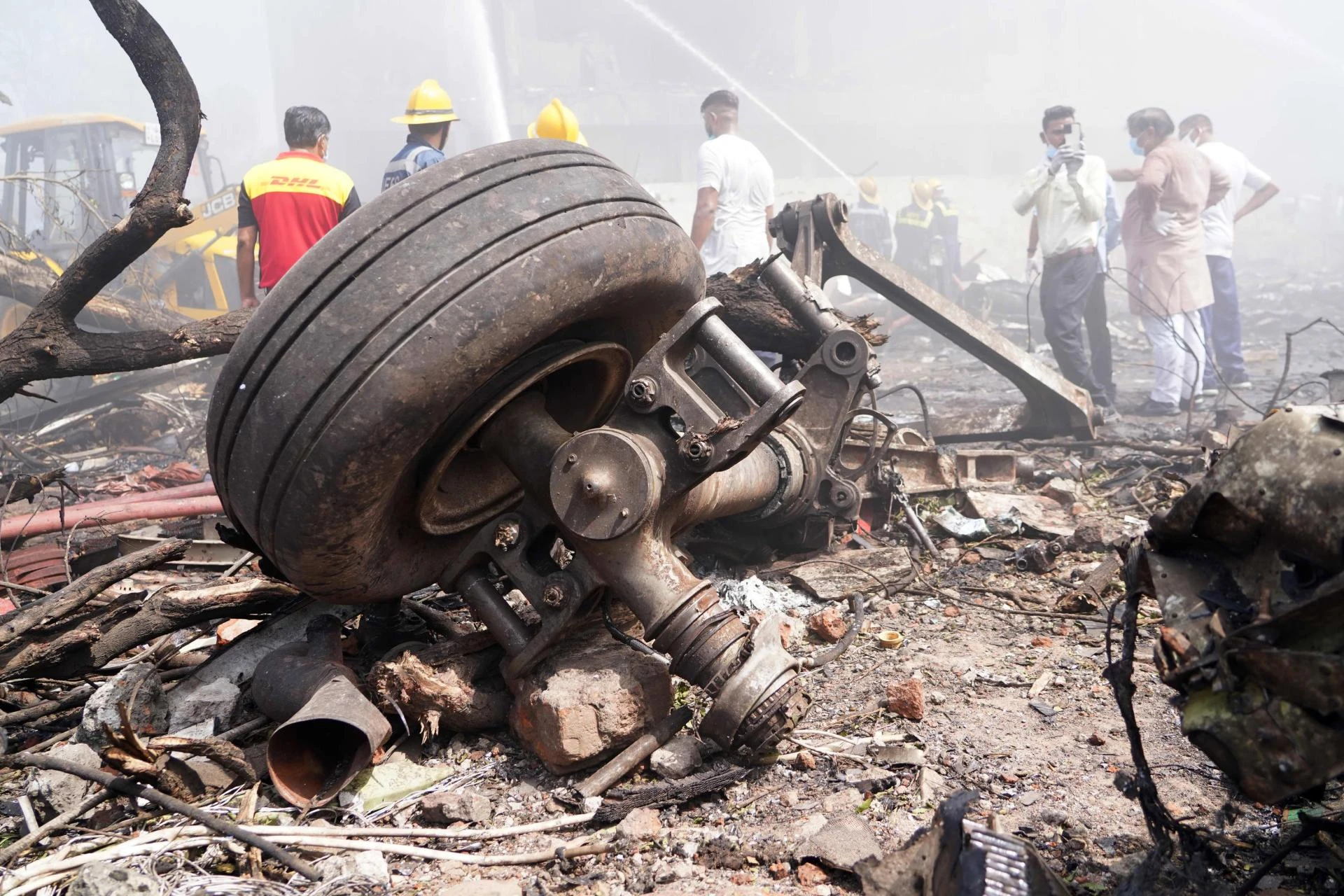
In Air India’s June 12 tragedy, 241 people died. It took seven hours for a full rescue to begin.
The black box? Still not recovered. The public inquiry? Not even announced.
Families held framed photographs outside hospitals. Some waited days to get a call, any call. Others received ashes in plastic packets with names scribbled in haste.
The Indian Sky Has Become a Mass Grave
This isn’t infrastructure decay. It’s emotional abandonment.
- The Kedarnath flight wasn’t supposed to be a gamble.
- The Air India plane wasn’t supposed to vanish without a trace.
But every failed audit, every ignored complaint, every political appointment in aviation control rooms pushes us closer to more grief.
This isn’t flying. It’s free-falling in slow motion.
A Mother’s Question
One mother, whose son died in the Uttarkashi crash, told reporters:
“Modiji tweets condolences. But will he eat with the families who now eat alone?”
No one answered her.
Because in India today, mourning is private. Failure is public. And justice is outsourced to time.
We Need More Than Reforms — We Need Remembrance
Every chopper that crashes isn’t just a broken rotor. It’s a broken promise.
We don’t just need:
- Better training
- Better aircraft
- Better policies
We need names remembered. We need accountability delivered. We need leaders who speak after a crash — not just when planes land safely.
Before the Next Crash
If this felt like mourning, it’s because it is.
Not just for the dead, but for a country that’s forgotten how to grieve them.
Share this. For the passengers who never landed. For the pilots who were told to fly broken machines. For the families still waiting for truth.
Let them not be another number in another report.
Let their story stay in the sky longer than the wreckage did.














Sign in to leave a comment.