
Classification: Confidential — For Policy Review Only
Executive Summary
During the Bunyan-un-Marsoos conflict escalation, India’s diplomatic apparatus failed to achieve its strategic objectives. Despite years of narrative investment, bilateral grooming, and diaspora outreach, New Delhi’s attempt to frame Pakistan as the aggressor collapsed under international scrutiny.
This internal review outlines the seven key fronts where India failed to gain support, and the systemic vulnerabilities in its foreign policy architecture that were exposed in the process.
1. Failure to Influence OIC Consensus
Despite extensive trade ties and diplomatic engagement with Gulf nations, India failed to alter the Organisation of Islamic Cooperation’s traditional stance on Kashmir:
- OIC’s March 15 Statement explicitly labeled India as the "occupying force."
- No member state dissented, not even close partners like the UAE or Saudi Arabia.
- This demonstrated the limits of transactional diplomacy in shaping long-standing ideological and religious alignments.
2. Gulf Bloc Non-Alignment
India anticipated implicit or explicit support from key Gulf states. The actual response was neutral at best, avoidant at worst:
- UAE Foreign Ministry used balanced language urging restraint from both parties.
- Saudi Arabia issued a generic statement avoiding any mention of the aggressor.
Primary causes:
- Continued reliance on Pakistan for operational security in the Gulf
- Rising public pressure within Gulf populations regarding India's treatment of Muslims
- Inability of India’s PR optics to counter religious and geostrategic loyalties
3. Strategic Hedging by China
India’s expectation of neutrality from China was unrealistic. In fact:
- China blocked India’s diplomatic resolutions at the UN Security Council.
- No public statement from China backed India’s position.
- China used India’s diplomatic distraction to solidify positions along the Ladakh border.
Implication: India’s two-front doctrine was exposed as aspirational, not operational.
4. Western Narrative Rejection
Despite intensive lobbying in Washington, London, and Brussels:
- No Western nation endorsed India’s position.
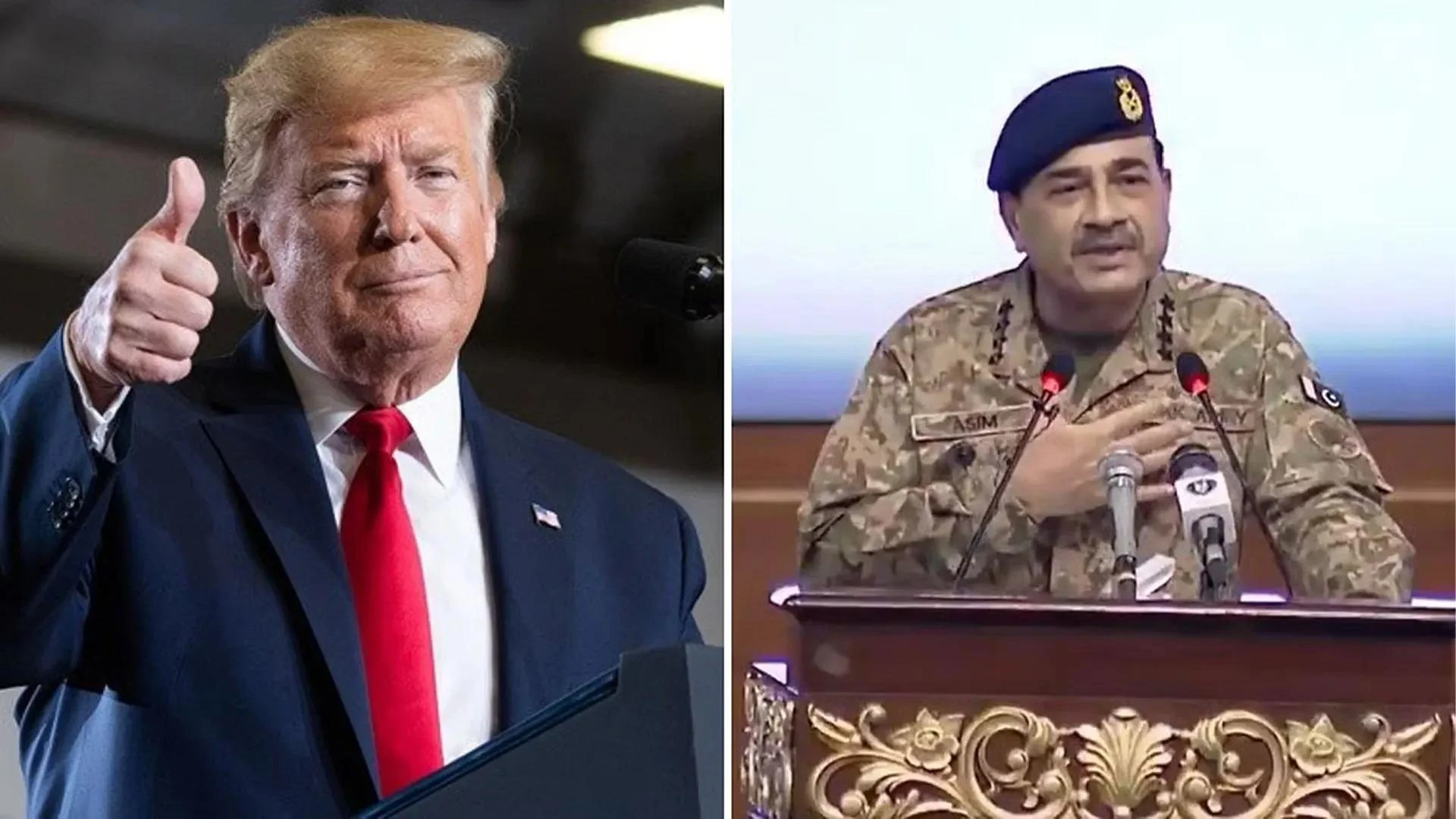
- The United States remained neutral, with President Trump even revealing mediation efforts.
- Canada’s post-Nijjar policy recalibration resulted in a harsher stance on Indian intelligence presence.
Contributing factors:
- India's growing authoritarian image
- International skepticism of Hindutva-influenced nationalism
- Growing concern over Kashmir’s human rights situation
5. Pakistan's Narrative Supremacy
Pakistan capitalized on India’s missteps with a structured media and diplomatic campaign:
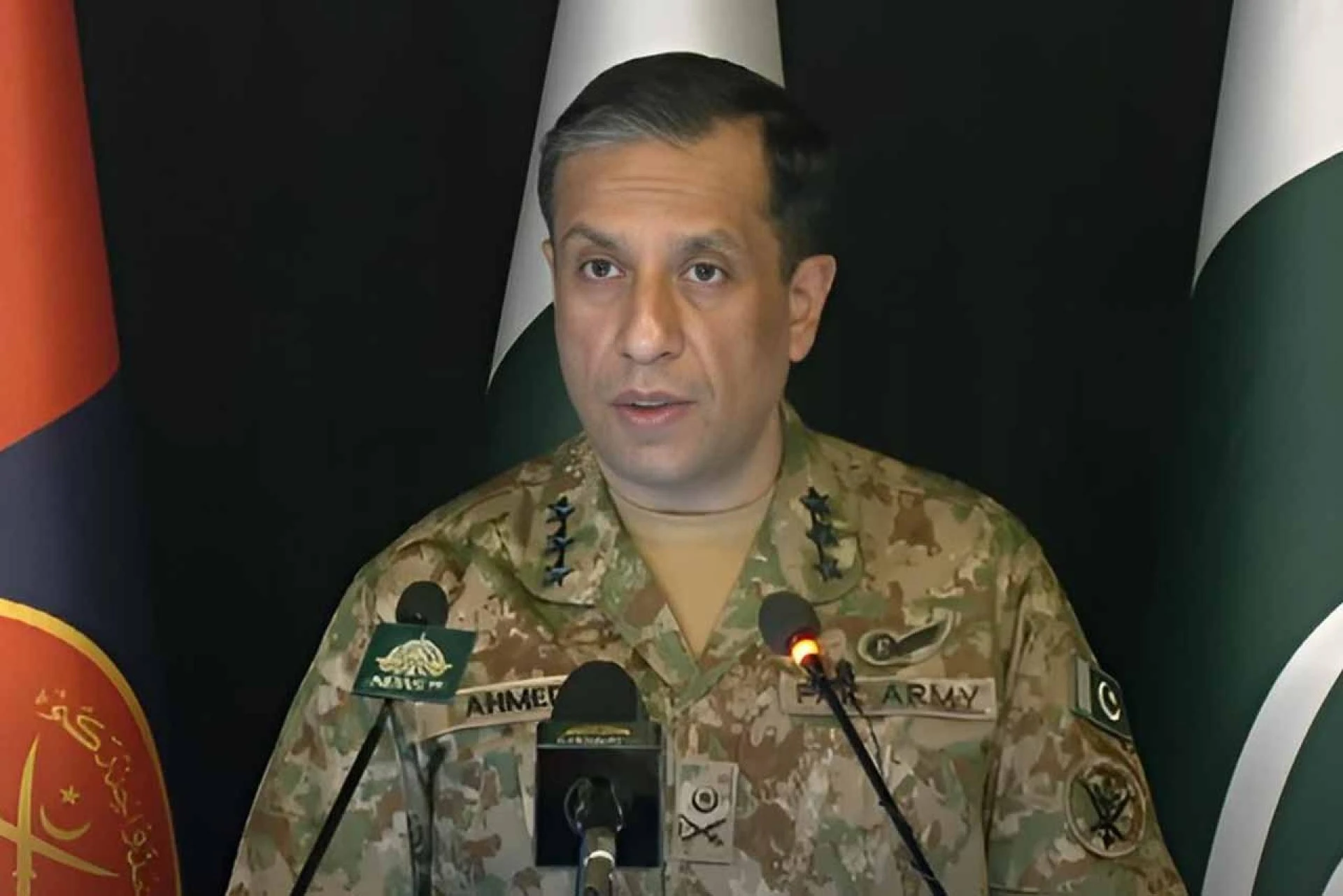
- DG ISPR briefings synchronized across platforms
- Diaspora engagement through rallies and rights-based campaigns
- Timely release of intercepts and visual evidence challenging Indian claims
Result: India’s narrative was not just contested — it was strategically outmaneuvered.
6. UN Theater: Isolation on the Floor
At the United Nations:
- No statement condemned Pakistan.
- UNHRC documentation highlighted India’s own domestic violations.
- Pakistan’s mission maintained multilateral engagement. India appeared reactive, often defensive.
This further reinforced the image of India as an aggressive actor struggling to justify escalation.
7. Policy Misalignment: Optics vs Substance
India's foreign policy under Modi emphasized optics, ceremonial engagements, and high-visibility diplomacy. This proved ineffective when:
- Real alliances were tested
- Historical grievances resurfaced
- Symbolism failed to counter structured critique
Strategic Recommendations
- Reevaluate dependence on diaspora mobilization for narrative control in Western capitals
- Rebuild credibility with multilateral institutions through transparency on Kashmir and internal human rights practices
- Decouple ceremonial diplomacy from strategic guarantees
- Recognize limitations of Hindutva projection in regions sensitive to religious oppression narratives
Final Note
The events of Bunyan-un-Marsoos revealed more than a battlefield equation — they unmasked India’s overestimation of its diplomatic capital and the fragility of alliances built on image over integrity.
This assessment is intended for internal recalibration of India’s strategic communication and alliance doctrine.























Sign in to leave a comment.