

Business loans provide essential financial support for companies looking to expand operations, purchase equipment, increase inventory, or strengthen working capital. While obtaining financing is an important milestone, understanding how Equated Monthly Installments (EMIs) affect business cash flow is equally important. Every loan repayment directly influences the amount of money available for daily operations, future investments, and unexpected expenses.
Businesses that understand EMI obligations before borrowing are better positioned to manage finances responsibly and maintain long-term stability. Proper planning helps ensure that loan repayments remain sustainable without disrupting operational activities.
What Is a Business Loan EMI?
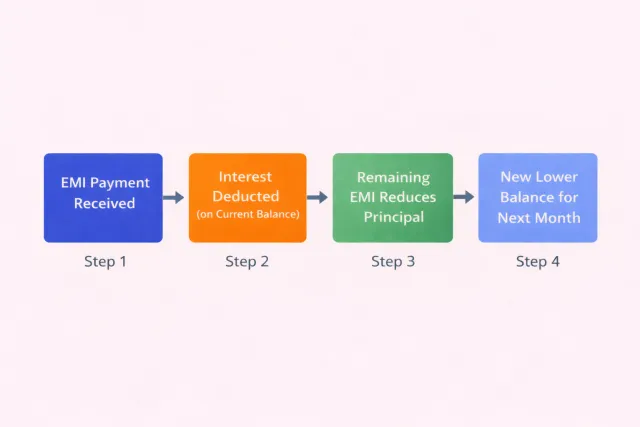
An Equated Monthly Installment (EMI) is the fixed monthly amount a borrower pays to repay a business loan. Each EMI typically includes two components: the principal amount borrowed and the interest charged by the lender.
The EMI amount depends on several factors, including the total loan amount, interest rate, and repayment tenure. A higher loan amount or interest rate generally results in larger monthly payments, while a longer repayment period may reduce monthly EMIs but increase the total interest paid over the life of the loan.
Many businesses also seek guidance from the Best Loan Agency to better understand repayment structures and compare financing options before making borrowing decisions.
Why EMI Planning Is Important
Business loan repayments become recurring financial commitments that continue throughout the loan tenure. Since EMIs must be paid regardless of monthly business performance, companies need to ensure they have sufficient cash flow to meet these obligations consistently.
Poor repayment planning can create financial pressure by reducing funds available for inventory purchases, employee salaries, supplier payments, operational expenses, and business development activities.
Careful EMI planning helps businesses balance debt repayment with daily operating requirements while maintaining financial flexibility.
Understanding Cash Flow
Cash flow represents the movement of money into and out of a business. Positive cash flow occurs when incoming revenue exceeds outgoing expenses, while negative cash flow occurs when expenses are greater than available income.
Business loan EMIs form part of monthly cash outflows. Therefore, businesses should evaluate how these fixed repayments fit within projected cash flow before accepting any financing arrangement.
A healthy cash flow allows businesses to meet EMI obligations without compromising routine business operations.
How EMI Size Affects Business Operations
The size of the monthly EMI directly impacts financial flexibility. Higher EMIs reduce the amount of available working capital that businesses can use for operational activities.
If repayment obligations become too large, businesses may struggle to maintain adequate inventory, invest in marketing, recruit employees, or respond to unexpected expenses.
On the other hand, selecting a repayment structure that aligns with business income helps maintain liquidity while supporting sustainable financial management.
Choosing an affordable EMI is often more important than simply securing the largest possible loan amount.
Balancing Loan Tenure and Repayments
Loan tenure significantly influences monthly EMI amounts. Shorter repayment periods generally result in higher monthly installments but reduce total interest costs.
Longer repayment tenures lower monthly EMIs, making repayments easier to manage from a cash flow perspective. However, businesses usually pay more interest over the full repayment period.
Selecting an appropriate loan tenure requires balancing monthly affordability with total borrowing costs. Businesses should evaluate both short-term cash flow needs and long-term financial objectives before making a decision.
Planning for Seasonal Income Variations
Many businesses experience seasonal fluctuations in revenue. Retail businesses, manufacturers, tourism companies, and agricultural enterprises often generate varying levels of income throughout the year.
When cash flow changes seasonally, EMI planning becomes especially important. Businesses should estimate expected income patterns and determine whether monthly repayments remain manageable during slower business periods.
Maintaining emergency financial reserves can also help businesses continue meeting EMI obligations during temporary revenue declines.
Monitoring Financial Performance
Obtaining a business loan should be followed by regular financial monitoring. Businesses should review monthly revenue, operating expenses, profit margins, and cash flow statements to ensure repayment obligations remain sustainable.
Tracking financial performance allows companies to identify potential cash flow challenges early and make necessary operational adjustments before repayment difficulties arise.
Businesses considering structured financing options, including a Business Loan in Faridabad, should also review repayment schedules alongside projected business income to maintain financial stability throughout the loan tenure.
Building Responsible Borrowing Habits
Responsible borrowing involves selecting loan amounts based on actual business requirements rather than maximum eligibility. Borrowing only what is necessary reduces monthly EMI obligations and helps preserve financial flexibility.
Businesses should also compare interest rates, repayment schedules, processing fees, and overall financing costs before selecting a loan product. Careful evaluation supports informed borrowing decisions and reduces long-term financial risk.
Strong budgeting practices, disciplined repayment habits, and continuous financial planning contribute to successful loan management.
Conclusion
Business loan EMIs play a significant role in determining how financing affects business cash flow. Every monthly repayment influences available working capital, operational flexibility, and future investment capacity. By understanding how EMI amounts are calculated, evaluating repayment affordability, selecting appropriate loan tenures, and monitoring financial performance regularly, businesses can manage loan obligations more effectively. Careful planning before borrowing allows companies to maintain healthy cash flow while using business loans as valuable tools for expansion, operational improvement, and long-term financial growth without placing unnecessary strain on everyday business activities.




























Sign in to leave a comment.