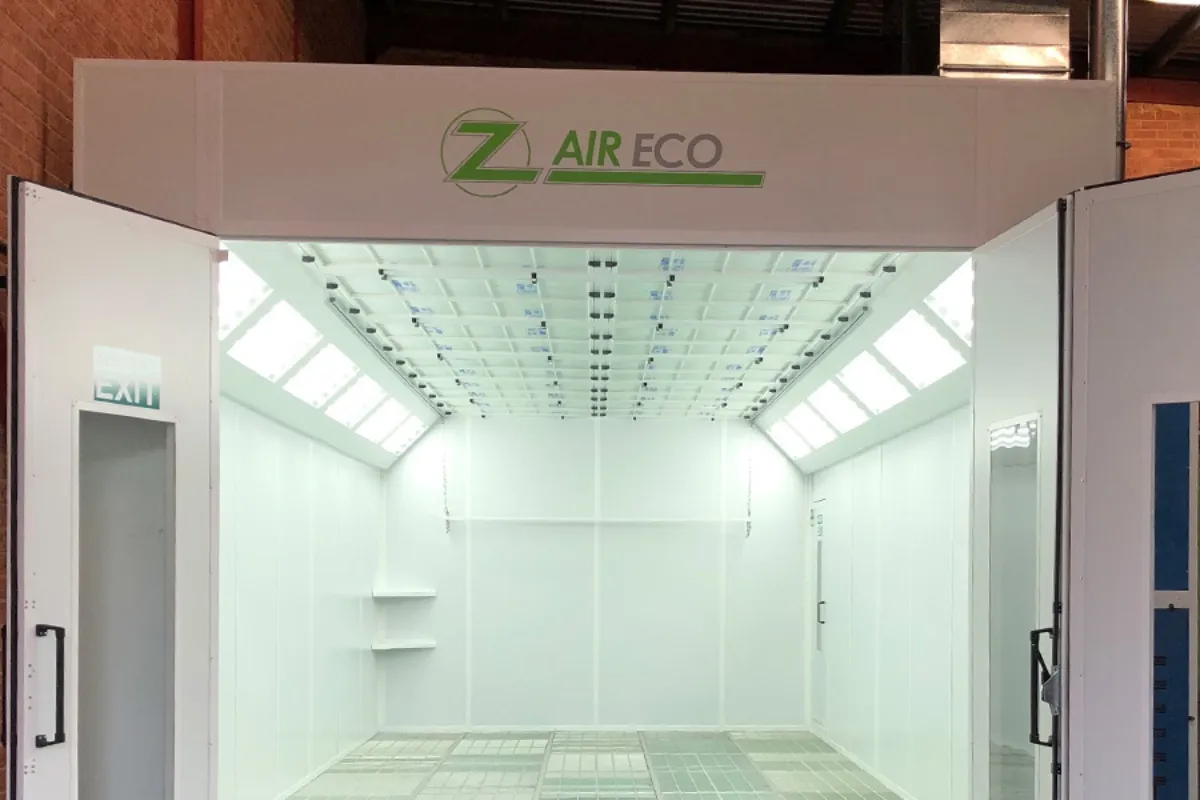

Choosing the right spray booth is an important decision for any Australian business involved in painting, coating, finishing, or surface treatment work. A suitable booth does more than provide a controlled area for spraying; it improves workplace safety, enhances finish quality, supports compliance requirements, and helps businesses operate more efficiently. Whether you run an automotive workshop, industrial facility, manufacturing unit, or specialised finishing service, selecting the correct equipment can have a major impact on your daily operations and long-term results.
With different sizes, designs, airflow systems, and configurations available, finding the ideal solution can feel challenging. Every business has different requirements based on the type of materials being sprayed, production volume, available workspace, and desired finish quality. This complete buyer’s guide explains the key factors Australian businesses should consider when choosing spray booths to ensure they invest in a reliable and effective solution.
Understanding the Purpose of a Spray Booth
A spray booth is a controlled environment designed to safely apply paint, coatings, finishes, or other sprayed materials while managing airflow, contaminants, and overspray. Instead of spraying in an open workspace, a booth creates a dedicated area where air movement and filtration can be controlled.
The main purpose of a spray booth is to protect both the operator and the surrounding environment. During spraying activities, airborne particles, fumes, and paint mist can affect air quality and create safety concerns. A properly designed booth captures these particles and directs them through filtration systems, helping maintain a cleaner workplace.
For businesses, a quality spray booth also contributes to better finishing results. Dust, dirt, and unwanted particles can affect the final appearance of painted surfaces. A controlled spraying environment reduces these risks and allows operators to achieve smoother, more consistent finishes.
Assess Your Business Requirements Before Buying
Before selecting a spray booth, it is essential to understand your specific business needs. Buying a booth based only on price or appearance can lead to problems if it does not match your operational requirements.
Start by considering the type of work your business performs. A workshop handling smaller projects may require a different setup compared to a facility completing large industrial components. Think about the size of the items being sprayed, how frequently spraying occurs, and the materials involved.
The available installation area is another important consideration. Measure your workspace carefully and consider the required clearance around the booth for safe operation and maintenance access. A booth should fit comfortably within your facility without creating workflow limitations.
Your expected production volume also matters. Businesses with frequent spraying tasks may benefit from a more advanced system designed for continuous operation, while smaller operations may require a simpler configuration that still provides reliable performance.
Choosing the Right Spray Booth Size
Size is one of the most important factors when selecting spray booths. A booth that is too small can restrict movement, reduce efficiency, and make it difficult to achieve consistent results. A booth that is unnecessarily large may increase installation and operating costs.
When determining the correct size, consider both the dimensions of the items you spray and the working space needed by operators. Adequate room allows painters or technicians to move comfortably around the item while maintaining proper spraying techniques.
Businesses should also consider future growth. If you expect your operations to expand, choosing a slightly larger booth may provide flexibility and prevent the need for replacement later. Planning for future requirements can make your investment more valuable over time.
Understanding Airflow and Filtration Systems
Airflow is a critical component of any spray booth because it controls how contaminants move through the workspace. A well-designed airflow system helps remove overspray, fumes, and airborne particles while providing a cleaner environment for operators.
Different booth designs use different airflow methods depending on the application. Some systems move air from the ceiling downward, while others use horizontal airflow patterns. The best choice depends on the type of work being performed and the required finish quality.
Filtration is equally important. Effective filters capture unwanted particles and help maintain cleaner air inside and around the workplace. Regular filter maintenance is necessary to keep the booth operating efficiently and to support consistent performance.
Australian businesses should also consider energy efficiency when reviewing airflow options. A system that balances strong performance with efficient operation can help reduce ongoing operating expenses.
Consider Workplace Safety and Compliance
Safety should always be a priority when choosing spray booths for a business environment. Spraying activities involve materials that may produce fumes or airborne particles, so proper containment and ventilation are essential.
A suitable booth helps create a safer workspace by controlling exposure risks and reducing the spread of contaminants. Businesses should ensure their chosen equipment is designed for safe operation and suitable for their specific applications.
Regular maintenance is also a key part of workplace safety. Cleaning surfaces, replacing filters, checking ventilation components, and inspecting equipment regularly help maintain reliable performance.
For Australian businesses, it is important to consider local workplace requirements and ensure the selected solution supports responsible operation. Investing in safety-focused equipment protects employees, improves workflow, and contributes to a more professional working environment.
Material Quality and Construction
The durability of a spray booth depends greatly on its construction quality. Businesses should look for solutions made from strong, reliable materials that can handle regular use and demanding working conditions.
A well-built booth provides long-term value because it is less likely to experience performance issues caused by wear and environmental factors. Quality construction also makes cleaning and maintenance easier, helping businesses keep the equipment in good condition.
When evaluating options, consider the overall design, accessibility of components, and ease of servicing. A practical design allows operators to work efficiently while making routine maintenance simpler.
Energy Efficiency and Operating Costs
The purchase price of a spray booth is only one part of the total investment. Businesses should also consider ongoing operating costs, including energy use, maintenance requirements, and replacement components.
An energy-efficient system can help reduce long-term expenses without affecting performance. Features such as efficient airflow management and well-designed ventilation systems can contribute to better resource usage.
Maintenance costs should also be considered before making a decision. A booth that is easy to clean and service may save time and reduce interruptions to business operations.
A careful evaluation of both initial costs and ongoing expenses helps businesses choose equipment that provides better overall value.
Installation and Maintenance Considerations
Proper installation plays a major role in spray booth performance. The equipment should be installed in a suitable location with appropriate access, ventilation considerations, and enough surrounding space for safe operation.
Before installation, businesses should plan how the booth will fit into their existing workflow. Consider how materials move through the workspace, where preparation takes place, and how finished products are handled.
Maintenance should be part of the purchasing decision from the beginning. Regular inspections, cleaning, and replacement of filters help maintain performance and extend the life of the equipment.
A reliable maintenance routine also reduces the chance of unexpected downtime, allowing businesses to continue their operations with fewer interruptions.
Selecting a Spray Booth Supplier
Choosing the right supplier is just as important as selecting the booth itself. Businesses should look for a provider that understands their requirements and can offer solutions suited to Australian working conditions.
A good supplier should provide clear information about available options, installation requirements, and ongoing support. They should help businesses understand which features are necessary for their application rather than recommending unnecessary additions.
Communication, product knowledge, and service quality are valuable factors when making a long-term investment. A supplier that supports customers throughout the buying process can make installation and ownership much easier.
Common Mistakes to Avoid When Buying a Spray Booth
Many businesses make mistakes when choosing a spray booth because they focus only on the immediate purchase cost. While budget is important, selecting the cheapest option may create higher expenses later through maintenance issues, reduced efficiency, or limited performance.
Another common mistake is choosing a booth without considering future needs. Business requirements can change, and a system that works today may become unsuitable as operations expand.
Ignoring airflow, filtration, and safety considerations can also create operational challenges. These features directly affect working conditions and final product quality, so they should be carefully evaluated before purchase.
Taking the time to research requirements and compare suitable options helps businesses avoid costly decisions.
Benefits of Investing in the Right Spray Booth
The right spray booth can provide many advantages for Australian businesses. Improved finish quality, safer working conditions, better efficiency, and reduced contamination are some of the key benefits.
A controlled spraying environment allows operators to work with greater confidence and consistency. This can improve customer satisfaction by delivering professional-quality results.
A suitable booth can also support business growth by creating a more organised and efficient workflow. When equipment matches operational needs, employees can complete tasks more effectively and maintain higher productivity.
Over time, the right investment can contribute to better performance, improved workplace standards, and stronger business outcomes.
Conclusion
Selecting the right spray booths for your business requires careful consideration of your workspace, application requirements, safety needs, airflow preferences, and long-term goals. Australian businesses should focus on choosing a solution that delivers reliable performance, supports efficient operations, and provides value throughout its working life.
A well-selected spray booth is more than just equipment; it is an investment in quality, safety, and productivity. By understanding your requirements and working with an experienced supplier, you can choose a system that supports your business now and in the future.
For businesses looking for reliable spray booth solutions and professional guidance, visit R&I Zambesi to explore options designed to meet industry requirements.
























Sign in to leave a comment.