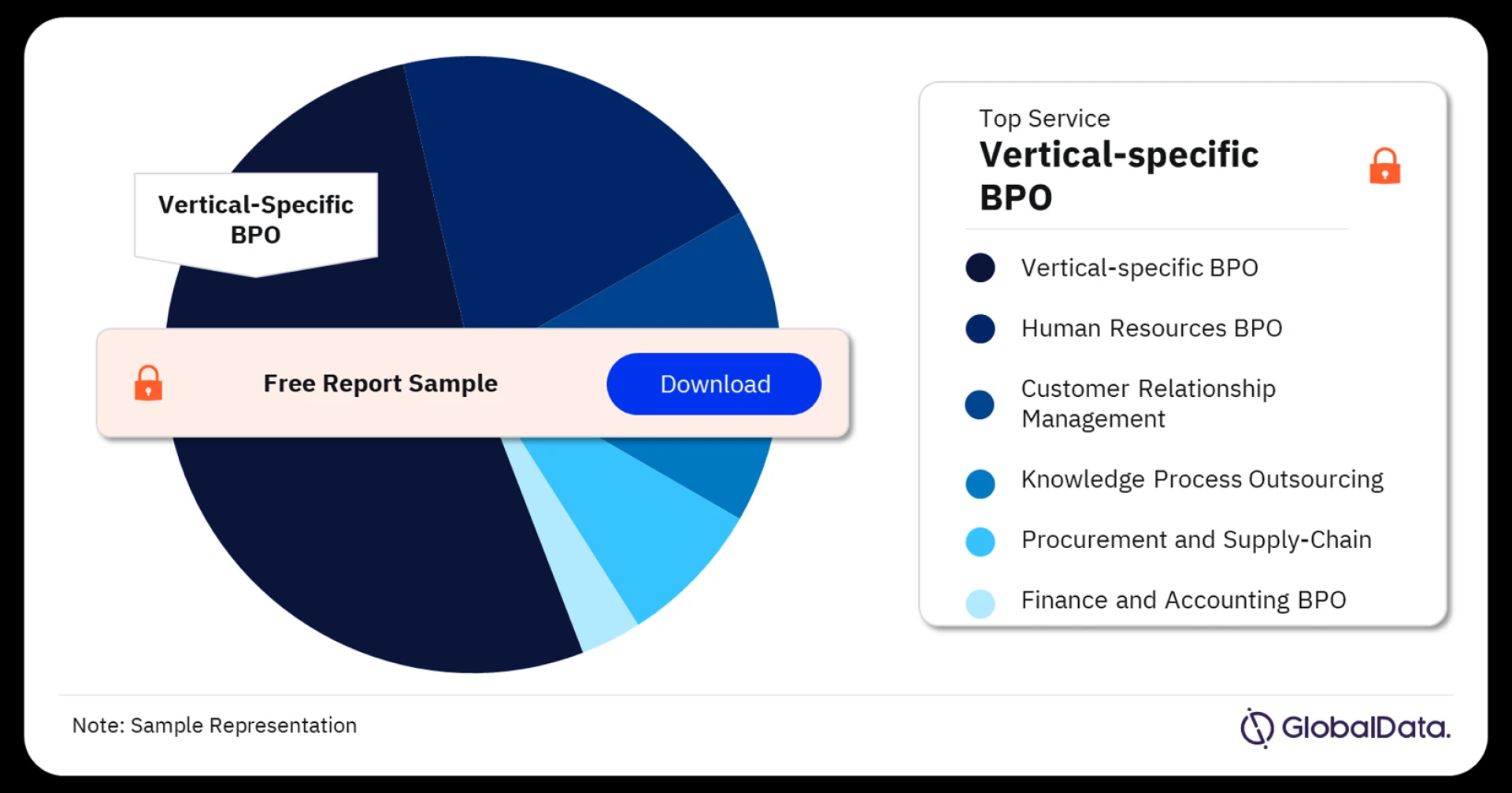

Business Process Outsourcing (BPO) has emerged as a strategic business practice aimed at delegating non-core tasks to external service providers. This global phenomenon has transformed the way organizations operate, offering cost-effective solutions and access to specialized skills. In this article, we delve into the intricacies of the BPO market, exploring its types, benefits, challenges, trends, key players, impact of COVID-19, and future outlook.
Introduction to Business Process Outsourcing (BPO)
Definition and Overview
Business Process Outsourcing involves contracting third-party service providers to handle specific business functions. These functions can range from customer support and payroll processing to IT services and digital marketing.
Evolution of BPO Industry
The BPO industry has evolved significantly over the years, transitioning from basic tasks to more complex processes. Initially focused on cost reduction, BPO now emphasizes value addition and innovation.
Types of Business Process Outsourcing
Back Office Outsourcing
Back office outsourcing encompasses administrative and support functions such as data entry, human resources, and accounting. It streamlines internal operations, allowing companies to concentrate on core activities.
Front Office Outsourcing
Front office outsourcing involves customer-facing activities like sales, marketing, and customer service. By outsourcing these functions, organizations can enhance customer experience and expand their market reach.
Knowledge Process Outsourcing (KPO)
Knowledge Process Outsourcing entails outsourcing high-level tasks that require specialized knowledge and expertise. This includes research and development, data analytics, and legal services.
Benefits of Business Process Outsourcing
Cost Savings
One of the primary advantages of BPO is cost savings. Outsourcing enables companies to access skilled labor at lower wages, reducing operational expenses and improving profit margins.
Access to Specialized Skills
BPO allows businesses to tap into a global talent pool and leverage specialized skills that may not be available in-house. This access to expertise enhances productivity and innovation within organizations.
Focus on Core Competencies
By outsourcing non-core functions, companies can focus their resources and energy on core competencies. This strategic allocation of resources improves efficiency and competitiveness in the market.
Challenges in Business Process Outsourcing
Communication Barriers
Effective communication is crucial in BPO engagements, especially in offshore outsourcing arrangements. Language barriers, cultural differences, and time zone disparities can hinder collaboration and workflow.
Data Security Concerns
Outsourcing sensitive data poses risks related to data privacy and security. Companies must implement robust security measures and compliance protocols to safeguard confidential information.
Quality Control Issues
Maintaining quality standards across geographically dispersed teams can be challenging. Companies must establish clear metrics, performance benchmarks, and monitoring mechanisms to ensure consistent quality in BPO services.
Trends in the Business Process Outsourcing Market
Automation and AI Integration
Automation technologies such as robotic process automation (RPA) and artificial intelligence (AI) are revolutionizing the BPO landscape. These technologies streamline processes, enhance efficiency, and enable service providers to deliver more value-added services.
Rise of Nearshore and Onshore Outsourcing
With the increasing focus on data security and regulatory compliance, there is a growing preference for nearshore and onshore outsourcing models. Proximity to the client’s location facilitates better communication, collaboration, and risk management.
Industry-Specific Outsourcing Solutions
BPO providers are offering industry-specific solutions tailored to the unique needs of different sectors. Whether it’s healthcare, finance, or retail, specialized BPO services help organizations optimize operations and achieve strategic objectives.
Key Players in the Business Process Outsourcing Industry
Leading BPO Companies Globally
Companies like Accenture, IBM, and Tata Consultancy Services (TCS) are among the top players in the global BPO market. These multinational corporations offer a wide range of services across various industries.
Regional Players and Emerging Markets
In addition to global giants, there are numerous regional players and emerging markets making significant strides in the BPO industry. Countries like the Philippines, India, and Poland are becoming preferred outsourcing destinations due to their skilled workforce and competitive labor costs.
Impact of COVID-19 on the BPO Industry
Shift Towards Remote Work
The COVID-19 pandemic has accelerated the adoption of remote work models in the BPO industry. Virtual collaboration tools and cloud-based technologies have enabled seamless remote operations, ensuring business continuity amidst disruption.
Increased Demand for Digital Solutions
As businesses navigate the challenges posed by the pandemic, there is a growing demand for digital solutions in BPO. From e-commerce support to digital marketing services, BPO providers are offering innovative solutions to meet evolving client needs.
Challenges and Opportunities Post-Pandemic
While the pandemic has brought about numerous challenges, it has also presented opportunities for growth and innovation in the BPO industry. Companies that embrace digital transformation and agility will emerge stronger in the post-pandemic landscape.
Future Outlook of the Business Process Outsourcing Market
Growth Projections and Forecasts
Despite challenges, the BPO market is poised for significant growth in the coming years. Market analysts project continued expansion driven by technological advancements, globalization, and evolving customer expectations.
Emerging Technologies Shaping the Industry
Emerging technologies such as blockchain, machine learning, and quantum computing will shape the future of BPO. These technologies have the potential to revolutionize processes, enhance security, and unlock new opportunities for value creation.
Strategies for Sustainable Growth
To thrive in a competitive landscape, BPO providers must focus on innovation, agility, and customer-centricity. Adopting a proactive approach to technology adoption, talent development, and market differentiation will be key to sustainable growth.
Conclusion
In conclusion, the Business Process Outsourcing market continues to evolve, driven by technological advancements, shifting consumer preferences, and global economic trends. While challenges persist, the industry’s resilience and adaptability position it for continued growth and innovation in the years to come.
Buy the Full Report for Additional Service-type Insights on the Business Process Outsourcing (BPO) Market, Download a Free Sample





Sign in to leave a comment.