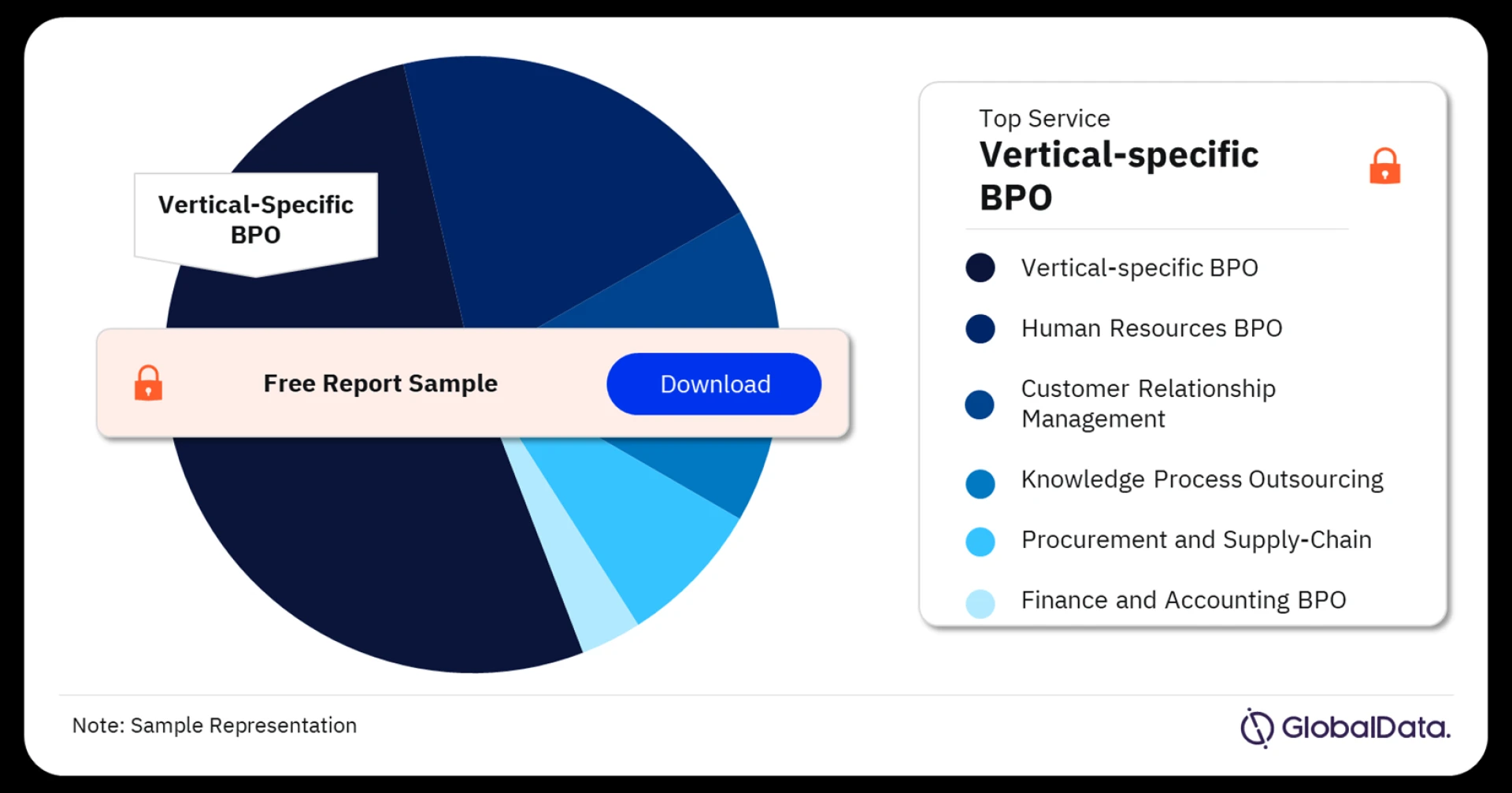

Business Process Outsourcing (BPO) has become an integral part of the global economy, revolutionizing the way businesses operate and manage their operations. From its early beginnings to its current state, the BPO market has undergone significant evolution, driven by technological advancements, globalization, and the constant pursuit of efficiency and cost-effectiveness.
Introduction to Business Process Outsourcing (BPO)
Business Process Outsourcing, commonly known as BPO, refers to the practice of contracting specific business processes or operations to external service providers. These processes can range from customer support and human resources to accounting and IT services. By outsourcing non-core functions, companies can focus on their core competencies while benefiting from cost savings and improved efficiency.
Evolution of the BPO Market
Early Beginnings
The roots of BPO can be traced back to the 18th century when companies began outsourcing certain tasks to external agents. However, it wasn’t until the late 20th century that BPO gained momentum, primarily driven by advancements in telecommunications and the internet.
Growth and Globalization
The late 1990s witnessed a rapid expansion of the BPO market, with companies outsourcing a wide range of processes to offshore destinations such as India, the Philippines, and Eastern Europe. This globalization of BPO services led to a significant reduction in labor costs and spurred the growth of the outsourcing industry.
Types of Business Process Outsourcing
Back Office Outsourcing
Back office outsourcing involves contracting internal business functions such as payroll processing, data entry, and accounting to external service providers. This allows companies to streamline their administrative processes and focus on core business activities.
Front Office Outsourcing
Front office outsourcing, on the other hand, encompasses customer-facing processes such as customer support, sales, and marketing. Outsourcing these functions enables companies to enhance customer service, expand their market reach, and drive revenue growth.
Major Players in the BPO Market
Companies Overview
The BPO market is dominated by a handful of major players, including multinational corporations such as Accenture, IBM, and Genpact. These companies offer a wide range of BPO services across various industries, catering to the diverse needs of their clients.
Market Share Analysis
According to industry reports, the BPO market is highly competitive, with several players vying for market share. Factors such as service quality, pricing, and technological capabilities play a crucial role in determining the competitive landscape of the BPO industry.
Key Trends and Drivers in the BPO Market
Technological Advancements
Advancements in technology, particularly in areas such as artificial intelligence (AI), robotics, and automation, are reshaping the BPO landscape. These technologies enable BPO providers to deliver more efficient and innovative solutions to their clients, driving productivity and cost savings.
Cost-effectiveness
One of the primary drivers of outsourcing is cost-effectiveness. By outsourcing non-core functions to low-cost destinations, companies can achieve significant cost savings without compromising on quality. This cost arbitrage has been a key factor driving the growth of the BPO market.
Focus on Core Competencies
In an increasingly competitive business environment, companies are focusing on their core competencies to gain a competitive edge. Outsourcing non-core functions allows companies to leverage the expertise of specialist service providers, enabling them to focus their resources on strategic initiatives and value-added activities.
Challenges in Business Process Outsourcing
Data Security Concerns
One of the major challenges of outsourcing is data security. Entrusting sensitive business data to third-party service providers can pose risks such as data breaches and cyber-attacks. Ensuring robust data security measures and compliance with regulatory requirements is crucial for mitigating these risks.
Quality Control Issues
Maintaining consistent service quality across geographically dispersed teams can be challenging for BPO providers. Variations in language proficiency, cultural differences, and communication barriers can impact the quality of service delivery. Implementing robust quality control processes and training programs is essential for ensuring consistent service quality.
Cultural Differences
Cultural differences between outsourcing providers and clients can pose challenges in terms of communication, collaboration, and understanding of business objectives. Building cultural awareness and fostering cross-cultural communication are essential for overcoming these challenges and fostering productive working relationships.
Impact of COVID-19 on the BPO Industry
Shift to Remote Work
The COVID-19 pandemic has accelerated the adoption of remote work models in the BPO industry. With social distancing measures and travel restrictions in place, BPO providers have transitioned to remote work setups to ensure business continuity and employee safety.
Increased Demand for Digital Solutions
The pandemic has also fueled the demand for digital solutions such as cloud computing, cybersecurity, and digital transformation services. BPO providers are increasingly focusing on offering digital-centric solutions to help clients navigate the challenges posed by the pandemic and capitalize on emerging opportunities.
Future Outlook of the Business Process Outsourcing Market
Automation and AI Integration
The future of the BPO market lies in automation and AI integration. Advances in technology will enable BPO providers to automate repetitive tasks, enhance decision-making processes, and deliver more personalized and efficient services to their clients.
Expansion of Services
As businesses continue to adapt to evolving market dynamics, the demand for specialized BPO services is expected to grow. BPO providers will need to diversify their service offerings and expand into new industry verticals to stay competitive and meet the changing needs of their clients.
Conclusion
In conclusion, the Business Process Outsourcing market continues to evolve rapidly, driven by technological advancements, globalization, and the pursuit of efficiency and cost-effectiveness. While the industry faces challenges such as data security concerns and quality control issues, the opportunities for growth and innovation are abundant. By embracing digital transformation, fostering cross-cultural collaboration, and staying abreast of emerging trends, BPO providers can position themselves for long-term success in the dynamic and competitive outsourcing landscape.
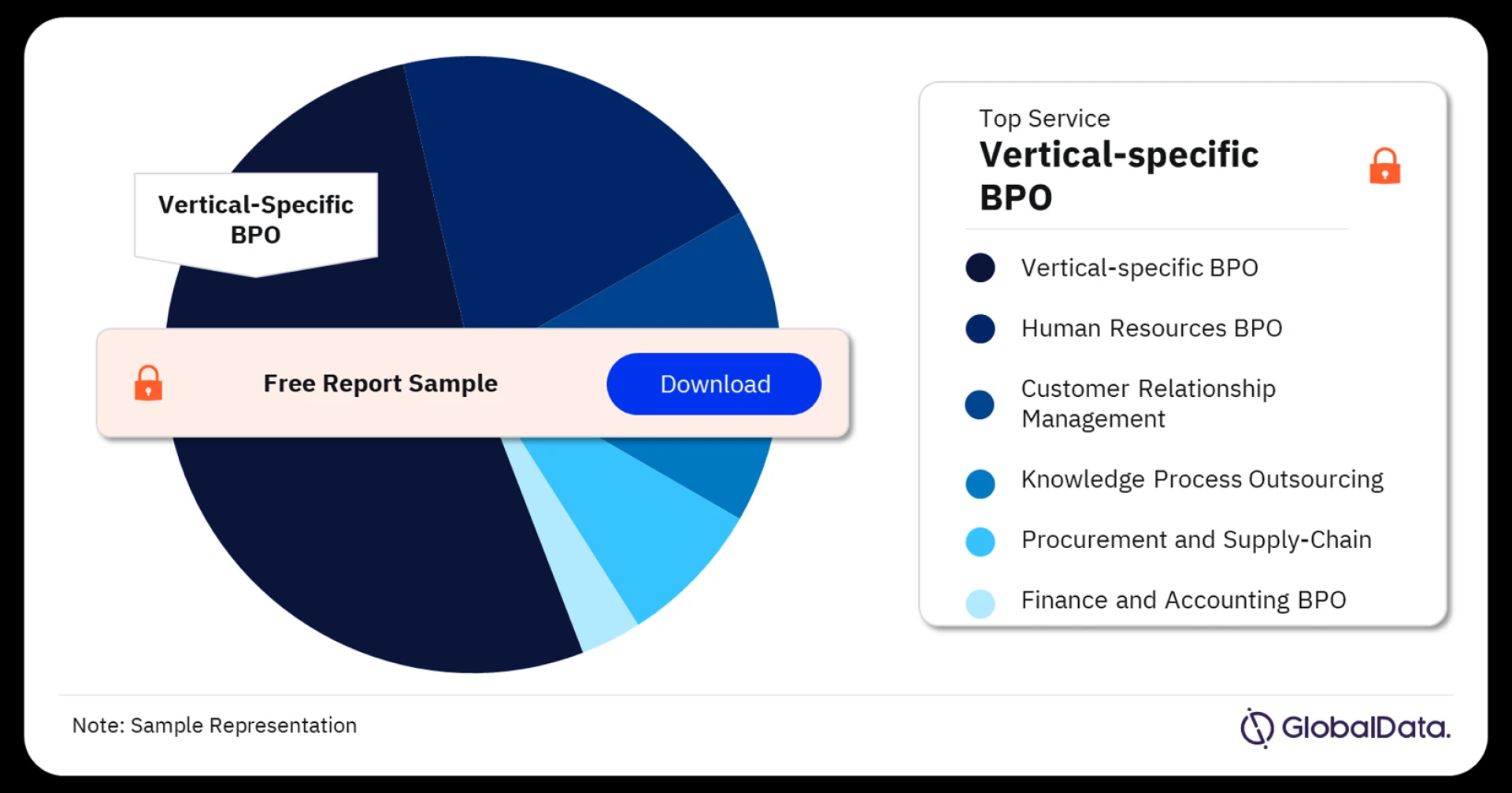
Buy the Full Report for Additional Service-type Insights on the Business Process Outsourcing (BPO) Market, Download a Free Sample





Sign in to leave a comment.