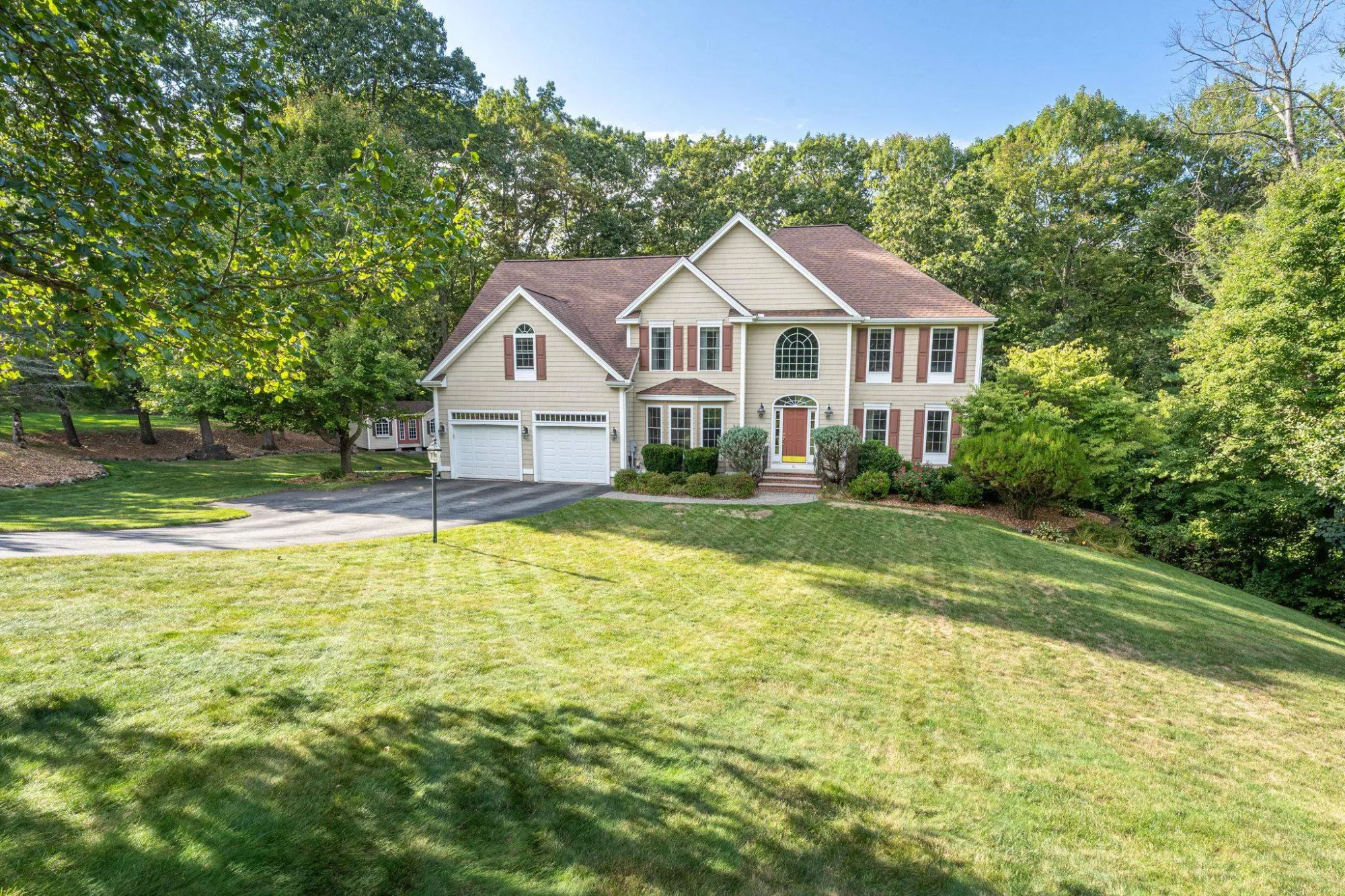

Owning a getaway in the Granite State is a dream for many buyers. From peaceful lakefront retreats to cozy mountain cabins, Vacation Homes New Hampshire offers a place to relax, create family memories, and even generate rental income. However, purchasing a second home comes with different considerations than buying a primary residence.
Before you start touring properties, it's important to understand the financial, legal, and lifestyle factors that can affect your investment. This vacation home checklist will help you make a confident and informed decision.
1. Define Your Purpose for the Property
The first question to ask yourself is simple: Why are you buying a vacation home?
Your answer will influence nearly every decision that follows. Consider whether you plan to:
- Use it primarily for family vacations
- Rent it out as a short-term vacation rental
- Split time between personal use and rental income
- Eventually retire there
Clarifying your goals helps narrow down the ideal location, property type, and budget.
2. Choose the Right New Hampshire Location
New Hampshire offers diverse destinations, each with its own appeal. Popular areas include:
- The Lakes Region for boating and waterfront living
- The White Mountains for hiking, skiing, and year-round recreation
- Southern New Hampshire for easy access from Massachusetts
- The Seacoast for ocean views and coastal charm
Think beyond scenery. Consider travel time, nearby amenities, healthcare access, grocery stores, and seasonal road conditions. The right location should fit both your lifestyle and your long-term plans.
3. Understand the Total Cost of Ownership
Many buyers focus only on the purchase price, but owning a vacation property involves ongoing expenses. Your vacation home checklist should include:
- Property taxes
- Homeowners insurance
- Utilities
- Internet service
- Maintenance and repairs
- Landscaping or snow removal
- HOA fees, if applicable
Seasonal homes may also require winterization and additional upkeep during months when the property is vacant. Planning for these costs can help you avoid unexpected financial surprises.
4. Learn About Financing Options
Financing a second home differs from financing a primary residence. Lenders often require:
- A higher credit score
- Larger down payment
- Lower debt-to-income ratio
- Proof of financial reserves
Interest rates on second homes may also be slightly higher. Speaking with a lender early in the process allows you to establish a realistic budget before beginning your NH real estate search.
5. Research Local Rental Regulations
If you plan to rent your vacation property, understand local rules before making an offer.
Depending on the municipality, there may be:
- Short-term rental registration requirements
- Occupancy limits
- Permit requirements
- Noise ordinances
- Parking restrictions
HOA communities may also prohibit or limit short-term rentals. Reviewing these regulations beforehand helps ensure your investment aligns with your rental goals.
6. Consider Seasonal Accessibility
Some vacation homes look perfect during the summer but present challenges during the winter. Ask questions such as:
- Are roads maintained year-round?
- Is the driveway difficult to clear after snowstorms?
- Are utilities protected from freezing temperatures?
- Can emergency services easily reach the property?
If you plan to visit during all seasons, year-round accessibility should be a priority.
7. Schedule a Thorough Home Inspection
A professional inspection is especially important for vacation properties, particularly older cabins or waterfront homes. Inspectors should evaluate:
- Roof condition
- Foundation
- Plumbing
- Heating systems
- Electrical systems
- Water quality (if using a private well)
- Septic system
Properties near lakes or in wooded areas may also require additional inspections for moisture, drainage, or pest issues. A comprehensive inspection can reveal costly repairs before closing.
8. Think About Future Resale Value
Even if you intend to keep the property for years, resale potential matters. Homes often retain stronger value when they offer:
- Easy access to recreation
- Desirable waterfront or mountain locations
- Modern updates
- Flexible floor plans
- Strong year-round appeal
Buying in a location with consistent demand can help protect your investment over time.
9. Build a Reliable Local Support Team
Managing a vacation home from another city—or another state—can be challenging. You'll likely benefit from trusted local professionals, including:
- Property managers
- Contractors
- Plumbers
- Electricians
- Snow removal services
- Housekeeping providers
Working with experienced local real estate professionals can simplify ownership and reduce stress when you're away. Many buyers also find it helpful to work with a knowledgeable local real estate professional who understands New Hampshire's seasonal markets, neighborhood trends, and second-home opportunities. Expert guidance can make the buying process smoother from property search to closing.
10. Understand the Local Real Estate Market
The NH real estate market can vary significantly by region and season. Inventory around lakes, ski areas, and popular vacation destinations may become highly competitive during peak buying periods. Research factors such as:
- Average home prices
- Seasonal demand
- Days on market
- Local development plans
- Comparable property values
Understanding market conditions helps you make competitive offers while avoiding overpaying.
Final Thoughts
Buying one of the many beautiful Vacation Homes New Hampshire has to offer can be both a lifestyle upgrade and a long-term investment. Whether you're looking for a peaceful lake house, a mountain retreat, or a family getaway, careful planning is essential.
By following this vacation home checklist, researching the NH real estate market, and surrounding yourself with experienced local professionals, you'll be better prepared to choose a property that fits your goals and budget.
If you're considering purchasing a vacation home in New Hampshire, taking the time to understand the local market and working with a knowledgeable real estate expert can make the process more efficient and rewarding.
























Sign in to leave a comment.