

Modern workspaces depend on multiple cables for computers, networking equipment, power connections, communication devices, displays, and other technology. When these cables are left unmanaged, they can quickly create clutter, make maintenance difficult, and affect the overall appearance of the workplace. A well-planned Cable Management System helps organize these connections while making the workspace easier to maintain and use.
Cable management is not simply about hiding wires. It involves planning how cables are routed, grouped, protected, labeled, and accessed. Whether it is an office, commercial facility, server room, retail space, or other technology-enabled environment, proper cable organization can support a cleaner and more structured infrastructure.
Why Is Cable Management Important in a Workspace?
As the number of devices increases, workspaces often require power cables, Ethernet cables, display cables, telephone connections, and other wiring. Without proper organization, these cables can become tangled or spread across desks, floors, and equipment areas.
A structured approach makes it easier to identify individual connections when equipment needs to be installed, replaced, or repaired. It can also help reduce unnecessary cable movement and keep walkways and working areas more organized.
Cable management is particularly important in areas where networking equipment and multiple devices operate together. Organized routing allows technicians to trace connections more easily instead of spending unnecessary time sorting through bundles of unidentified cables.
What Does a Cable Management System Include?
A Cable Management System can include different components depending on the workspace, equipment, and cabling requirements. The objective is to create a practical route for cables while keeping connections accessible.
Common cable management components include cable trays, trunking, raceways, cable ducts, sleeves, clips, ties, and routing channels. In technology and networking environments, racks and patch panels can also play an important role in maintaining organized connections.
The right combination depends on factors such as the number of cables, installation location, equipment layout, future expansion, and accessibility requirements. Planning these elements before installation can help prevent unnecessary cable congestion later.
How Does Cable Management Improve Workplace Organization?
An organized cabling layout can make a noticeable difference in the way a workspace operates. Instead of having cables running randomly between desks and equipment, each connection can follow a planned route.
This makes routine maintenance more straightforward because cables can be traced and identified more easily. Proper labeling can further simplify troubleshooting by helping technicians determine where a particular cable starts and ends.
Good cable organization can also support workspace safety. Loose cables across floors or walkways can create avoidable trip hazards, while properly routed cables can keep these areas clearer.
For offices with frequent technology changes, organized cabling also makes it easier to add or relocate equipment without disturbing the entire setup.
Cable Management for Networking and IT Infrastructure
Networking environments typically contain a large number of connections, including Ethernet cables, patch cords, switches, routers, access points, and other network equipment. Without proper cable routing, these connections can quickly become difficult to manage.
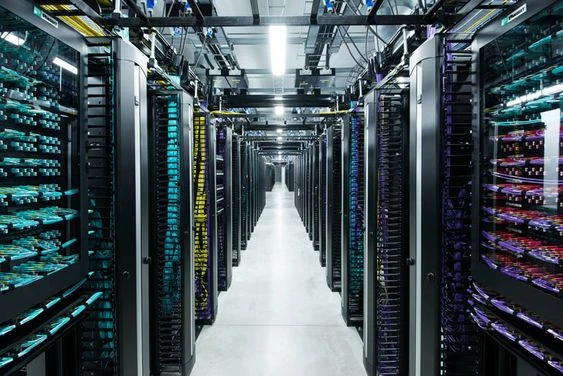
A structured Cable Management System helps keep network cables grouped and routed according to the infrastructure layout. In server rooms and network racks, horizontal and vertical cable managers can help maintain cleaner connections between patch panels and networking equipment.
Cable labeling is another important part of the process. Clearly identified connections can help technicians locate the required cable during troubleshooting, upgrades, or equipment replacement.
Cable management can also work alongside structured cabling and networking infrastructure to create a more organized technology environment.
What Should You Consider Before Installing Cable Management?
Cable management should be planned according to the actual requirements of the workspace rather than simply hiding existing wires. The location of desks, equipment, power outlets, networking points, racks, and other technology should be considered before deciding how cables will be routed.
Future expansion is another important factor. A system designed with no room for additional connections may become difficult to manage when new devices are introduced. Leaving appropriate space for future cabling can make later modifications easier.
Other considerations include cable type, routing distance, accessibility, protection, labeling, and the environment where the cables will be installed. For larger commercial or technology-intensive spaces, professional planning can help ensure that the management system works with the wider IT infrastructure.
Cable Management for Different Workspaces
Cable requirements can vary significantly between a small office and a larger commercial facility. In offices, cable management may focus on workstations, meeting rooms, printers, networking points, and shared equipment. Desk-level routing can help keep employee work areas clear while maintaining access to necessary connections.
Server rooms and network areas generally require more detailed organization because numerous connections may converge in a limited space. Proper rack management, patch panel organization, and labeling become particularly important in these environments.
Retail spaces, educational facilities, healthcare environments, warehouses, and other commercial areas may also require cable routing based on their equipment and operational needs. The system should suit the layout while keeping cables protected and accessible for maintenance.
Building a More Organized Technology Environment with TechU Solutions
A well-organized cabling infrastructure can support cleaner workspaces and simplify ongoing maintenance. TechU Solutions provides cable management solutions designed around the layout, equipment, and connectivity requirements of different environments.
From cable routing and organization to networking infrastructure, proper planning helps create a technology setup that remains easier to access and manage as the workspace develops.
Instead of treating cable management as an afterthought, businesses can include it as part of their overall infrastructure planning. A carefully organized Cable Management System can make everyday technology environments cleaner, more accessible, and easier to maintain.
Frequently Asked Questions
What is a Cable Management System?
A Cable Management System is a combination of methods and components used to route, organize, protect, label, and manage cables within a workspace or technology environment.
Why is cable management important for offices?
It helps keep cables organized, improves accessibility for maintenance, reduces clutter, and can help keep walkways and work areas clearer.
Can cable management be used with networking systems?
Yes. Cable management can be integrated with structured cabling, network racks, patch panels, switches, and other networking infrastructure.
Does cable management help with future upgrades?
A properly planned system can leave room for additional connections and make it easier to add, remove, or relocate equipment later.
Where can cable management systems be installed?
They can be used in offices, server rooms, commercial buildings, retail spaces, warehouses, meeting rooms, and other environments that require organized cabling.



















Sign in to leave a comment.