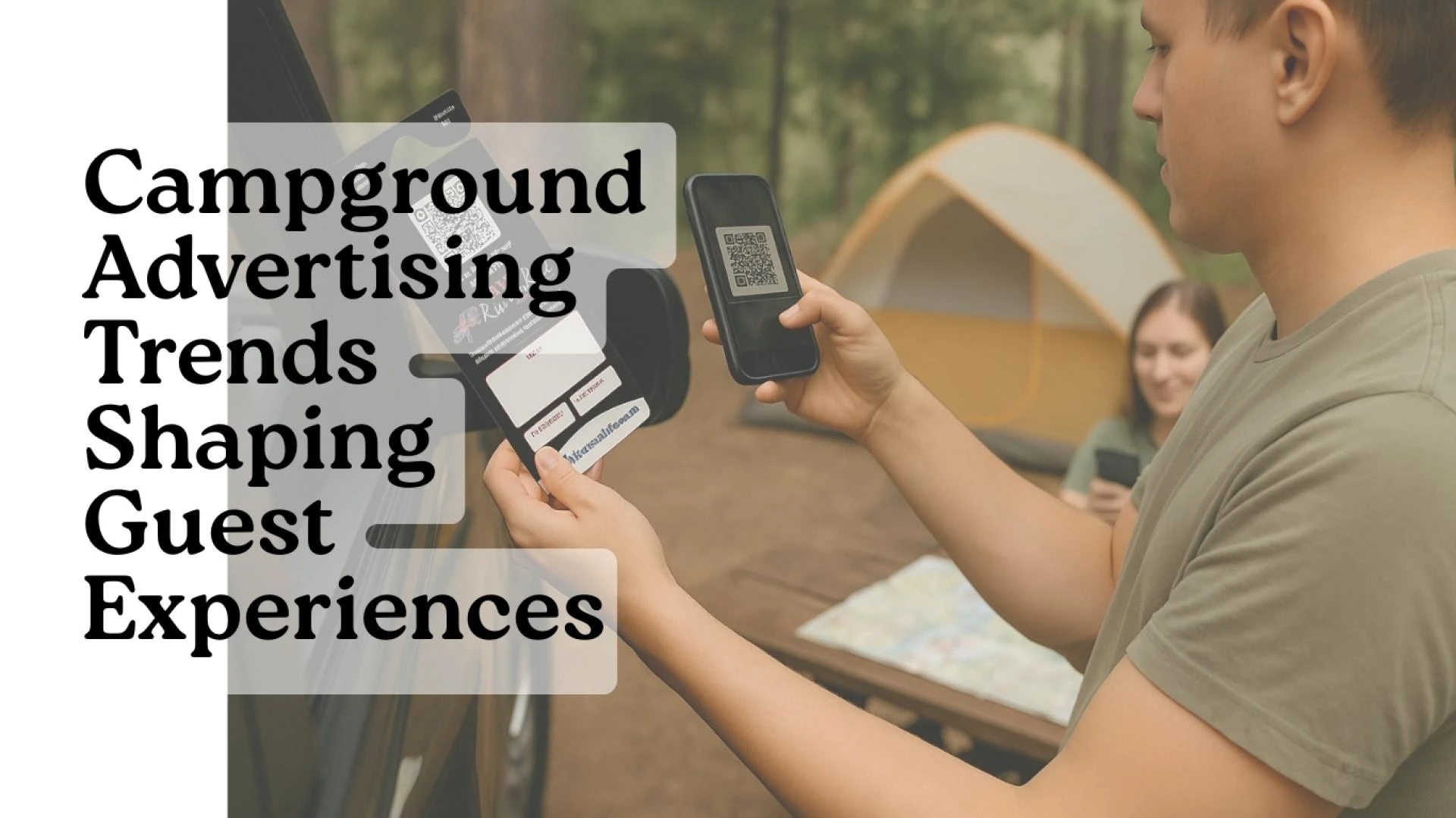
Camping has never really been about just pitching a tent and calling it a night—it’s about the little community that springs up around the fire. Families swapping food, kids finding new playmates, and travelers trading road stories with whoever’s sitting nearby. And because campgrounds are so alive with connection, the way businesses reach people here has always mattered. What started with hand-drawn signs and stacks of brochures has evolved into QR tags, digital guides, and clever tools designed to be helpful instead of pushy. The result? Advertising that feels less like an interruption and more like part of the camping experience itself.
For campground owners and nearby businesses, this evolution is more than a marketing trend. It’s a chance to provide timely information that feels useful. By choosing a modern, reliable way of advertising in campgrounds, businesses can meet guests at the right moment—helping them find food, activities, or services that enhance the trip. Done right, advertising can feel like an added layer of hospitality rather than a sales pitch.
How is campground advertising evolving with traveler behavior?
Campground advertising has been shifting right alongside the way people actually travel. If you think back a generation, trips were slower, less connected, and maybe a bit heavier on paper maps and flyers. Now the vibe is different. Campers lean on their phones for just about everything, from finding the campsite to figuring out where to grab dinner. That change shows up in how ads are delivered too.
- People rely on smartphones for navigation, bookings, and even downtime entertainment
- QR codes give quick access to maps, local eats, or activities without carrying a stack of papers
- Eco-friendly approaches catch attention since many travelers want less waste, not more
- Ads that feel “in the moment” work better than generic ones that just take up space
- Old-school print tools still matter, but they’re paired with digital options that match how campers live on the road today
In short, advertising inside campgrounds isn’t about pushing harder. It’s about keeping pace with how travelers move, connect, and make choices while they’re out exploring.
What role does history play in shaping campground advertising?
Campground advertising has shifted in step with cultural and technological change. Looking at the history of campgrounds in the United States, it’s clear that promotions have always mirrored camper expectations.
- In the early years, word of mouth and community connections guided travelers
- The RV boom sparked more roadside signage and campground-specific promotions
- By the late 20th century, printed guides and rack cards became common
- Today, interactive platforms and digital-first tools are leading the way
The progression shows how methods change, but the goal—helping campers discover resources—remains consistent.
How does technology make campground advertising more effective?
Technology has pushed campground advertising beyond the old flyers and bulletin boards. Instead of static displays, campgrounds now lean on tools that adjust in real time and actually make life easier for guests.
- QR tags give quick access to dining spots, campground maps, or daily activity schedules
- Digital directories update instantly so no one gets stuck with outdated info
- Location-based messaging reaches travelers right when they need it most
- Analytics let owners see what works and what falls flat
Picture a family rolling in late at night after hours on the road. They’re hungry, they’re tired. Instead of shuffling through a pile of papers, they scan a simple tag hanging on the mirror and—bam—restaurants still open nearby pop up. That little bit of convenience becomes part of the trip’s story.
Why is connecting campers with local businesses so valuable?
Campers rarely come just for a patch of ground and a fire ring. They’re curious about the local flavor, and the right kind of advertising helps build that bridge.
- Guests get reliable recommendations they can use on the spot
- Local businesses gain fresh customers who often come back season after season
- Campgrounds earn trust by sharing helpful, well-curated info
- The town benefits because visitor spending stays in the community
Think about a small rental shop highlighted in a campground guide. A guest might stumble into a spontaneous afternoon kayaking trip—and suddenly, that campground is tied to a memorable experience they’ll want to repeat.
How do companies like BlueSpot Connect enhance the guest experience?
Some companies are showing how advertising can step away from the hard sell and feel more like a service. BlueSpot Connect is one example, partnering with campgrounds, marinas, hotels, and even schools across the U.S. to put guest convenience front and center.
- iConnectTags work as rearview mirror tags with QR codes linking directly to resources
- The digital campground directory showcases local dining, attractions, and services
- Branded print tools give campgrounds a polished, cohesive look
- Each solution is designed with the guest first, cutting down on clutter and confusion
The balance here matters. Guests who love tech have digital tools at their fingertips, while those who prefer something tangible still get clear, printed resources. Either way, they find the information they need without the hassle.
What can first-time campers learn from digital advertising tools?
For newcomers, camping can feel overwhelming. From understanding rules to planning activities, there’s a lot to manage. When designed with care, advertising tools become a form of guidance. A digital campground guide for first-time campers demonstrates this well.
- Interactive maps prevent confusion about layouts and amenities
- Ready-made itineraries give structure and ideas for exploring
- Safety reminders reduce stress for those unfamiliar with outdoor routines
- Promotions spark interest in local dining or guided activities
Here, advertising shifts into a supportive role, helping people feel more confident in their camping journey.
What trends will shape the future of campground advertising?
Several emerging directions suggest what a campground ad may look like in the near future.
- Augmented reality could add interactive features to maps and guides
- Mobile-first platforms will continue to improve usability for campers on the move
- Eco-friendly approaches will become standard as sustainability expectations rise
- Data-driven personalization will make ads feel more like curated suggestions
These trends point toward advertising that works with the camping experience rather than interrupting it.
Conclusion
From handwritten notices to interactive directories, campground advertising has always evolved to match the times. Today, the best strategies don’t simply promote—they provide value, convenience, and a connection to local culture.
Guests enjoy smoother trips, businesses find new audiences, and communities benefit from stronger ties with visitors. Companies like BlueSpot Connect highlight how advertising, when designed with the guest in mind, can elevate both the camping experience and the local economy.


























Sign in to leave a comment.