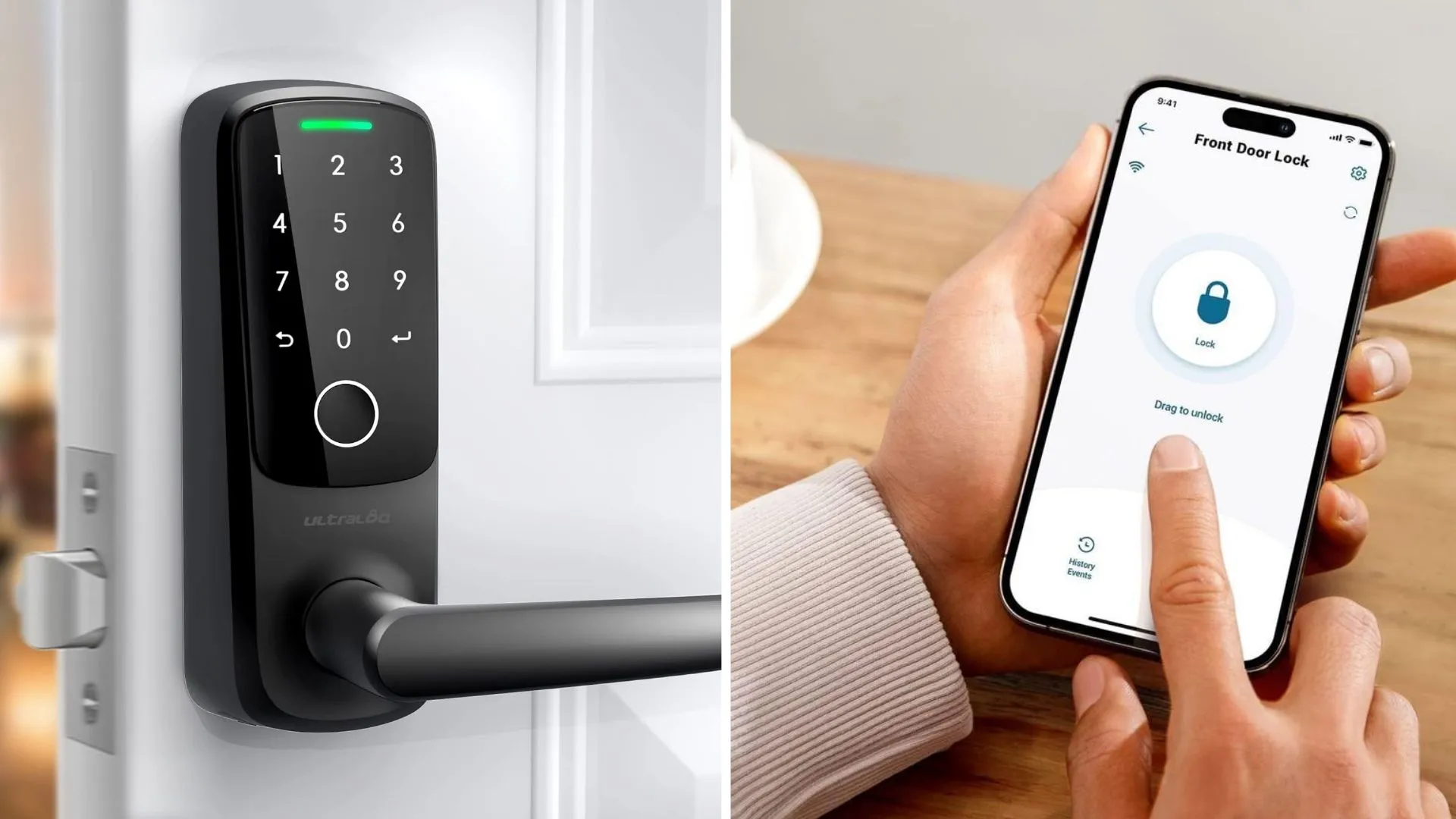

Smart locks are becoming a popular choice for apartments, villas, offices, Airbnb properties, and holiday homes. They offer convenient access through fingerprints, PIN codes, mobile applications, access cards, Bluetooth, or Wi-Fi. However, one of the most common questions property owners ask is whether a smart lock can be installed on any entrance door.
The answer is not always. Smart lock compatibility depends on the door material, thickness, existing locking mechanism, mortise dimensions, handle position, opening direction, frame alignment, and available installation space. Some smart locks can replace an existing lock with only minor adjustments, while others require drilling, carpentry, mortise enlargement, or a different lock model.
A proper compatibility assessment before purchasing a digital lock can prevent door damage, incorrect fitting, unnecessary expenses, and product returns.
Why Smart Lock Compatibility Matters
A smart lock must fit the physical structure of the door and operate smoothly with the frame. Even a premium digital lock can become unreliable when installed on an unsuitable or misaligned entrance.
Incorrect compatibility may cause:
- Difficulty opening or closing the door
- Incomplete bolt movement
- Loose handles or lock bodies
- Battery drainage caused by motor resistance
- Fingerprint or keypad errors
- Visible gaps around the lock
- Damage from incorrect drilling
- Failure of the auto-lock function
- Repeated lock or alignment warnings
The smart lock’s exterior and interior units must align correctly through the door. The mortise, spindle, wiring, handle, latch, bolt, and strike plate must also work together without unnecessary pressure.
Before installation, the complete entrance system should be checked rather than focusing only on the appearance or electronic features of the lock.
Door Thickness Requirements
Every smart lock supports a particular range of door thicknesses. A lock designed for a standard residential door may not fit a very thin aluminium door or an unusually thick wooden entrance.
Door thickness affects:
- The length of connecting screws
- Spindle size
- Cable reach
- Cylinder length
- Position of the interior and exterior lock bodies
- Stability of the fitted hardware
If the door is too thin, the lock may not sit securely. If it is too thick, the supplied screws, spindle, or cable may not reach correctly.
Some smart-lock manufacturers provide extension kits for thicker doors, but these components are not available for every model. Door thickness should therefore be measured before the lock is purchased.
Planning a digital access upgrade?
Contact us for professional smart lock installation in Dubai and a door compatibility assessment.
Can Smart Locks Be Installed on Wooden Doors?
Wooden doors are generally suitable for smart locks because they can be drilled and prepared more easily than many other materials. However, compatibility still depends on the door’s thickness, strength, existing openings, and internal construction.
Before installing a smart lock on a wooden door, check:
- Whether the door is solid or hollow
- Existing mortise dimensions
- Previous drilling or repair work
- Condition of the wood around the lock
- Door and frame alignment
- Available space for the interior unit
- Handle and decorative panel position
Solid wooden entrance doors can usually support mortise, fingerprint, keypad, and push-pull smart locks when properly prepared.
A hollow or lightweight interior door may not provide enough structural support for a large, heavy digital lock. Installing oversized hardware on weak material can cause movement, cracking, or loose fittings over time.
Decorative wooden doors also require careful preparation. Incorrect drilling can damage veneers, carved panels, or expensive finishes.
Smart Locks on Metal Doors
Smart locks can be installed on many steel and aluminium entrance doors, but the installation process may require specialist tools and accurate measurements.
Metal doors present different challenges from wooden doors. Cutting, drilling, or enlarging openings in metal must be completed carefully because mistakes are more difficult to repair.
Important considerations include:
- Metal thickness
- Internal reinforcement
- Existing cut-outs
- Wiring inside the door
- Lock-body dimensions
- Position of structural channels
- Compatibility with the door frame
- Risk of sharp or unfinished edges
Some metal doors contain internal sections that restrict the space available for a large mortise. Others may have factory-prepared openings designed for a specific lock type.
Before ordering a smart lock, the installer should confirm whether the required mortise and fixing points can be created without weakening the door or interfering with internal components.
Smart Locks on Glass Doors
Standard smart locks cannot normally be installed directly on frameless glass doors because drilling into the glass may damage or shatter the panel.
Glass entrances require specially designed digital locks that clamp onto the glass or work with compatible brackets and strike components.
A glass-door smart lock may use:
- PIN access
- Fingerprint recognition
- Access cards
- Bluetooth
- Mobile applications
- Remote-control systems
Compatibility depends on:
- Glass thickness
- Single or double glass panels
- Door opening direction
- Frame design
- Gap between the panels
- Existing handle position
- Lock and strike arrangement
A lock designed for wood or metal should not be adapted to a glass door without manufacturer-approved hardware.
UPVC and Composite Entrance Doors
UPVC and composite doors often use multipoint locking systems. When the handle is lifted, several locking points engage along the edge of the door.
Installing a smart lock on this type of entrance can be more complicated than replacing a basic deadbolt or cylinder.
The installer must check:
- Multipoint mechanism compatibility
- Handle centres
- Spindle position
- Cylinder profile
- Backset measurement
- Lock case dimensions
- Whether the smart lock can operate the existing system
Some smart locks are designed to work with compatible euro cylinders or multipoint mechanisms. Others cannot lift the handle or engage every locking point.
Replacing the original system with an incompatible product may reduce security or prevent the door from locking correctly.
Existing Mortise Size and Lock Type
The mortise is the internal locking body fitted into the edge of the door. Different smart locks require different mortise widths, depths, backsets, latch positions, and bolt arrangements.
Before installation, compare:
- Existing mortise height
- Existing mortise depth
- Backset
- Spindle position
- Handle distance
- Latch direction
- Bolt location
- Faceplate dimensions
A new lock with similar dimensions may fit with limited modification. A larger smart lock may require the existing opening to be widened or deepened.
Excessive cutting can weaken the door or leave visible gaps. In some cases, choosing another smart lock model is safer than heavily modifying the entrance.
Door Opening Direction
Smart locks may be designed for left-hand, right-hand, inward-opening, or outward-opening doors.
Some models can be adjusted during installation, while others must be ordered in the correct configuration.
To determine the opening direction, check:
- Which side the hinges are on
- Whether the door opens inward or outward
- Which direction the handle turns
- Position of the latch bevel
- Placement of the interior and exterior units
Installing a lock in the wrong orientation can cause reversed handles, incorrect latch movement, or difficulty using the internal controls.
Always confirm whether the selected model is reversible before purchase.
Door and Frame Alignment
Even when the smart lock fits the door correctly, it may not work reliably if the entrance is misaligned.
A door may drop or shift because of:
- Loose hinges
- Frame movement
- Repeated impact
- Humidity
- Door swelling
- Poor previous installation
- Wear from heavy daily use
Signs of misalignment include:
- The door must be pushed before locking
- The handle needs to be lifted
- The latch rubs against the frame
- The bolt does not extend fully
- The door works differently when open and closed
- Auto-locking repeatedly fails
Smart-lock motors are designed to move the bolt under normal resistance. When the bolt is forced against a misaligned strike plate, the motor must work harder, which may cause errors and quicker battery consumption.
Alignment problems should be corrected before or during installation.
Space for the Interior Smart-Lock Unit
The inside portion of a smart lock may be larger than a traditional handle or thumb turn. It can contain batteries, a motor, electronics, wireless components, and manual controls.
The installer should confirm that there is sufficient space around the interior lock body.
Possible obstructions include:
- Decorative moulding
- Raised door panels
- Nearby walls
- Security chains
- Door closers
- Existing handles
- Glass panels
- Sliding-door frames
If the lock body touches another surface or cannot sit flat, the fitting may be unstable.
Photographs of both sides of the door should be reviewed before confirming compatibility.
Outdoor and Weather-Exposed Doors
A smart lock suitable for an indoor apartment corridor may not be appropriate for an exposed villa entrance or outdoor gate.
Outdoor smart locks may face:
- Direct sunlight
- High temperatures
- Dust and sand
- Humidity
- Rain
- Cleaning water
- Coastal air
- Rapid temperature changes
Property owners should check the manufacturer’s operating-temperature range, weather-resistance rating, installation instructions, and warranty conditions.
A weather-resistant exterior keypad does not necessarily mean that the complete lock can be installed in every outdoor location. The interior unit may still require protection from water and direct environmental exposure.
For villa gates and fully exposed entrances, choose a model specifically designed for outdoor use.
Wi-Fi, Bluetooth, and Hub Requirements
Physical compatibility is only part of the installation. The property must also support the lock’s connectivity requirements.
Some smart locks use Bluetooth and can only be controlled when the user is near the door. Others require:
- Built-in Wi-Fi
- A separate Wi-Fi bridge
- Zigbee hub
- Smart-home gateway
- Matter controller
- Strong router coverage
Before selecting a lock, confirm whether remote access, notifications, guest codes, or mobile unlocking require extra equipment.
A smart lock may still operate through fingerprints, PINs, or access cards without Wi-Fi, but remote features may remain unavailable.
Fire-Rated and Building-Controlled Doors
Apartment entrance doors and commercial doors may be fire-rated or subject to building-management rules.
Permanent drilling, mortise enlargement, or hardware modification could affect the door’s certification or violate property regulations.
Before making changes, tenants and owners should check:
- Building-management approval
- Landlord permission
- Fire-door requirements
- Approved lock types
- Master-key arrangements
- Emergency-access policies
- Existing access-control systems
A smart lock should not interfere with safe emergency exit from inside the property.
Can a Traditional Lock Be Upgraded to a Smart Lock?
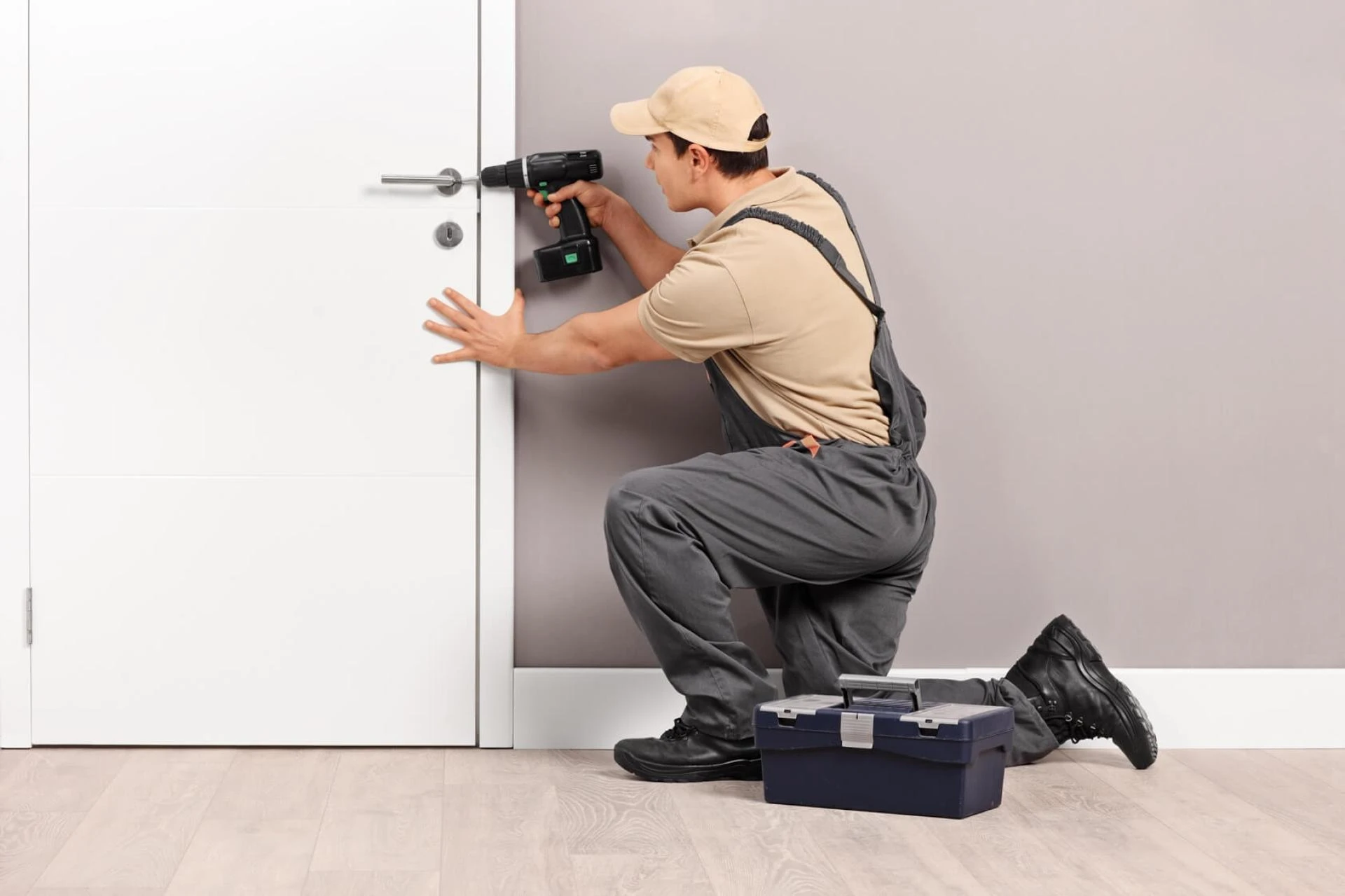
Many traditional locks can be upgraded, but the amount of work depends on the existing hardware.
The process may involve:
- Removing the old handle and lock body
- Preparing a larger mortise
- Filling unused openings
- Drilling new fixing holes
- Adjusting the strike plate
- Installing the smart-lock units
- Configuring access methods
- Testing the latch and bolt
Some retrofit smart locks attach to the interior side of an existing deadbolt and require little modification. Full mortise smart locks usually require more detailed door preparation.
The best option depends on whether the owner wants a simple electronic upgrade or a complete digital entrance system.
What to Send Before Booking Installation
To receive an initial compatibility assessment, send:
- A front photo of the door
- A rear photo of the door
- A photo of the door edge
- A close-up of the existing lock
- Door thickness
- Smart-lock brand and model
- Property type
- Dubai location
- Information about direct sun or outdoor exposure
- A short video showing any alignment issue
Clear information allows the installer to identify obvious compatibility concerns before arriving.
Final Thoughts
A smart lock cannot be installed on every entrance door without assessment or modification. Wooden, metal, glass, composite, UPVC, fire-rated, and outdoor doors all have different requirements.
The selected smart lock must match the door thickness, mortise dimensions, opening direction, handle position, structural condition, and frame alignment. Connectivity, weather exposure, building rules, and available installation space should also be considered.
Buying a smart lock before checking these details can lead to product returns, expensive door modifications, unreliable operation, or permanent surface damage.
A professional compatibility check helps property owners select a model that fits correctly and supports the access features they actually need. Proper installation, configuration, alignment, and testing are essential for secure and dependable daily operation.
Frequently Asked Questions
Can a smart lock be fitted to a wooden door?
Yes, most solid wooden entrance doors can support compatible smart locks. Door thickness, mortise dimensions, condition, and alignment must still be checked.
Can smart locks be installed on metal doors?
Yes, but metal doors may require specialist drilling and cutting tools. Internal reinforcement and available mortise space should be assessed first.
Can a standard smart lock be installed on a glass door?
Usually not. Glass doors require digital locks specifically designed for glass panels and compatible clamp or bracket systems.
Can a smart lock work with a multipoint door?
Some models can work with compatible multipoint systems, but not every smart lock can operate the handle and multiple locking points.
Does the door opening direction matter?
Yes. The installer must confirm whether the door is left-hand, right-hand, inward-opening, or outward-opening and whether the smart lock is reversible.
Why must the door be aligned before installation?
A misaligned door puts pressure on the bolt and motor. This may cause locking errors, unreliable operation, and faster battery drainage.
Are all smart locks suitable for outdoor entrances?
No. Outdoor doors require models designed for heat, humidity, dust, and water exposure. Check the product’s weather rating and operating-temperature range.
Do smart locks require Wi-Fi?
Not always. Fingerprint, PIN, card, and Bluetooth access may work without Wi-Fi. Remote control and notifications may require built-in Wi-Fi or a separate hub.
Can tenants install a smart lock on an apartment door?
Tenants should check the tenancy agreement and obtain approval from the landlord or building management before making permanent changes.
Should I buy the smart lock before contacting an installer?
It is safer to confirm door compatibility first. Share the lock model, door photographs, measurements, and property details before purchasing.


























Sign in to leave a comment.