
Owning a luxury vehicle in Dubai represents a significant investment in engineering excellence, comfort, and prestige. Whether you drive a Mercedes-Benz S-Class, BMW 7 Series, or Audi A8, your vehicle incorporates cutting-edge technology that extends far beyond the engine and chassis—including some of the world's most sophisticated key and security systems. When you lose a luxury car key or need a replacement, the solution requires specialized expertise that goes well beyond basic automotive locksmithing.
Understanding the complexity of luxury vehicle key systems, the importance of working with manufacturer-trained specialists, and what to expect during the replacement process helps you navigate this situation with confidence and minimal disruption to your daily routine.
The Evolution of Luxury Car Key Technology
Luxury automotive manufacturers have continuously advanced key technology to enhance both convenience and security. What began as simple metal keys has evolved into sophisticated electronic devices that communicate with multiple vehicle systems.
Traditional Metal Keys (Pre-1995)
Older luxury vehicles used high-security metal keys with complex cutting patterns designed to resist picking and unauthorized duplication. Mercedes-Benz, BMW, and Audi each developed proprietary key designs with unique profiles that couldn't be duplicated at standard key shops without specialized blanks.
Even these "simple" keys presented challenges. The precision required for cutting meant that poorly made copies would damage delicate lock cylinders worth thousands of dirhams to replace. The key blanks themselves were restricted, requiring authorization from dealerships or certified locksmiths to obtain.
Transponder Keys (1995-2005)
The mid-1990s brought transponder chip technology to luxury vehicles. These keys contain small radio frequency identification (RFID) chips embedded in the plastic head. When inserted in the ignition, the chip transmits a unique code to the vehicle's Engine Control Unit (ECU). Only when the ECU recognizes the correct code will it allow the engine to start.
This innovation dramatically reduced vehicle theft. Even if someone made a perfect physical copy of your key, without the correctly programmed transponder chip, the vehicle wouldn't start. The engine might turn over briefly but would immediately shut down due to immobilizer activation.
For Mercedes, BMW, and Audi, transponder systems became increasingly sophisticated. Early systems used simple fixed codes, but luxury manufacturers quickly adopted rolling code technology where the transponder and vehicle exchange different codes with each use, preventing code-grabbing theft attempts.
Remote Key Fobs (2000-2010)
As transponder technology matured, luxury manufacturers integrated remote control functions into key designs. These combination devices allowed drivers to lock, unlock, open trunks, and sometimes control windows or sunroofs from a distance.
The physical key blade often became secondary, with many drivers rarely using it except in emergencies. Some designs incorporated flip-out or slide-out key blades hidden within the fob body, creating sleeker profiles that matched the vehicles' modern aesthetics.
Programming these keys became more complex, requiring specialized equipment to synchronize both the transponder immobilizer function and the remote control functions with the vehicle's body control module and ECU.
Smart Keys and Keyless Entry (2005-Present)
The latest generation of luxury vehicle keys eliminates traditional key usage almost entirely. Smart key systems, also called proximity keys or comfort access keys, allow drivers to unlock and start their vehicles without ever removing the key from their pocket or bag.
Mercedes-Benz Keyless-Go, BMW Comfort Access, and Audi Advanced Key systems use sophisticated proximity sensing. When you approach your vehicle with the smart key, sensors detect its presence and unlock the doors. Inside the vehicle, pressing the start button with the key nearby starts the engine.
These systems incorporate multiple technologies:
Ultra-Wideband (UWB) Communication: Newer systems use UWB technology for precise distance measurement, preventing relay attacks where thieves amplify signals to unlock vehicles from a distance.
Encrypted Rolling Codes: Communication between key and vehicle uses encryption algorithms that change with each interaction, making code interception virtually impossible.
Multi-Function Integration: Modern luxury keys control numerous functions beyond basic access—seat memory positions, climate control presets, vehicle finder functions, and even performance driving mode selections.
Emergency Backup: Despite their sophistication, smart keys include hidden mechanical key blades for emergency access if the battery dies or electronics fail.
Why Luxury Car Keys Require Specialized Replacement Services
Replacing a luxury vehicle key differs fundamentally from replacing keys for mainstream vehicles. Several factors create unique requirements:
Proprietary Technology and Encryption
Mercedes-Benz, BMW, and Audi each employ proprietary encryption algorithms and communication protocols in their key systems. These manufacturers closely guard the technical specifications, providing access only to authorized dealerships and certified independent specialists.
Generic automotive key programming equipment cannot communicate with luxury vehicle security systems. Attempting to use unauthorized equipment may trigger security lockouts requiring dealership intervention to reset, potentially costing thousands of dirhams and days of vehicle downtime.
Specialized equipment investments run into tens of thousands of dirhams per manufacturer. A locksmith serving all three brands needs separate programming systems for Mercedes, BMW, and Audi, plus regular software subscription updates as manufacturers release new models and security updates.
VIN-Based Key Coding
Luxury manufacturers maintain secure databases linking Vehicle Identification Numbers (VIN) to specific key codes and security data. Accessing these databases requires dealer authorization or certified locksmith credentials.
When you lose all keys to your Mercedes, BMW, or Audi, replacement requires pulling key code data from manufacturer databases using your VIN. This process involves verification protocols ensuring the person requesting key data actually owns the vehicle, protecting against theft attempts.
Independent specialists must maintain active dealer relationships or security clearances with manufacturers to access this critical data. Not all automotive locksmiths have these authorizations, making many unable to provide all-keys-lost services for luxury vehicles.
Complex Programming Procedures
Programming luxury vehicle keys often involves multi-step procedures addressing different vehicle systems:
Immobilizer System Programming: Synchronizing the transponder chip with the Engine Control Unit so it recognizes the new key as authorized.
Remote Control Programming: Registering the key fob with the Body Control Module to enable lock, unlock, trunk, and panic functions.
Comfort Access Programming: For proximity key systems, programming the key into the vehicle's comfort access module and potentially configuring multiple antennas throughout the vehicle that detect key presence.
Key Memory Programming: Linking the key to driver memory settings including seat positions, mirror angles, steering wheel position, and climate preferences.
Security Gateway Adaptation: Newer vehicles with security gateways require additional authentication steps to access programming functions, often involving online manufacturer server verification.
Each step requires specific knowledge of that manufacturer's procedures. BMW programming differs from Mercedes procedures, which differ from Audi protocols. Experience with one brand doesn't automatically translate to others.
Quality Component Requirements
Luxury vehicle owners expect replacement keys that match original equipment quality. Cheap aftermarket key fobs with flimsy plastic housings, poorly functioning buttons, or weak batteries create negative ownership experiences inconsistent with premium vehicles.
Professional luxury car key specialists source OEM (Original Equipment Manufacturer) quality components or premium aftermarket alternatives that match original specifications. Key shells use durable materials, buttons provide proper tactile feedback, and internal components meet manufacturer tolerances.
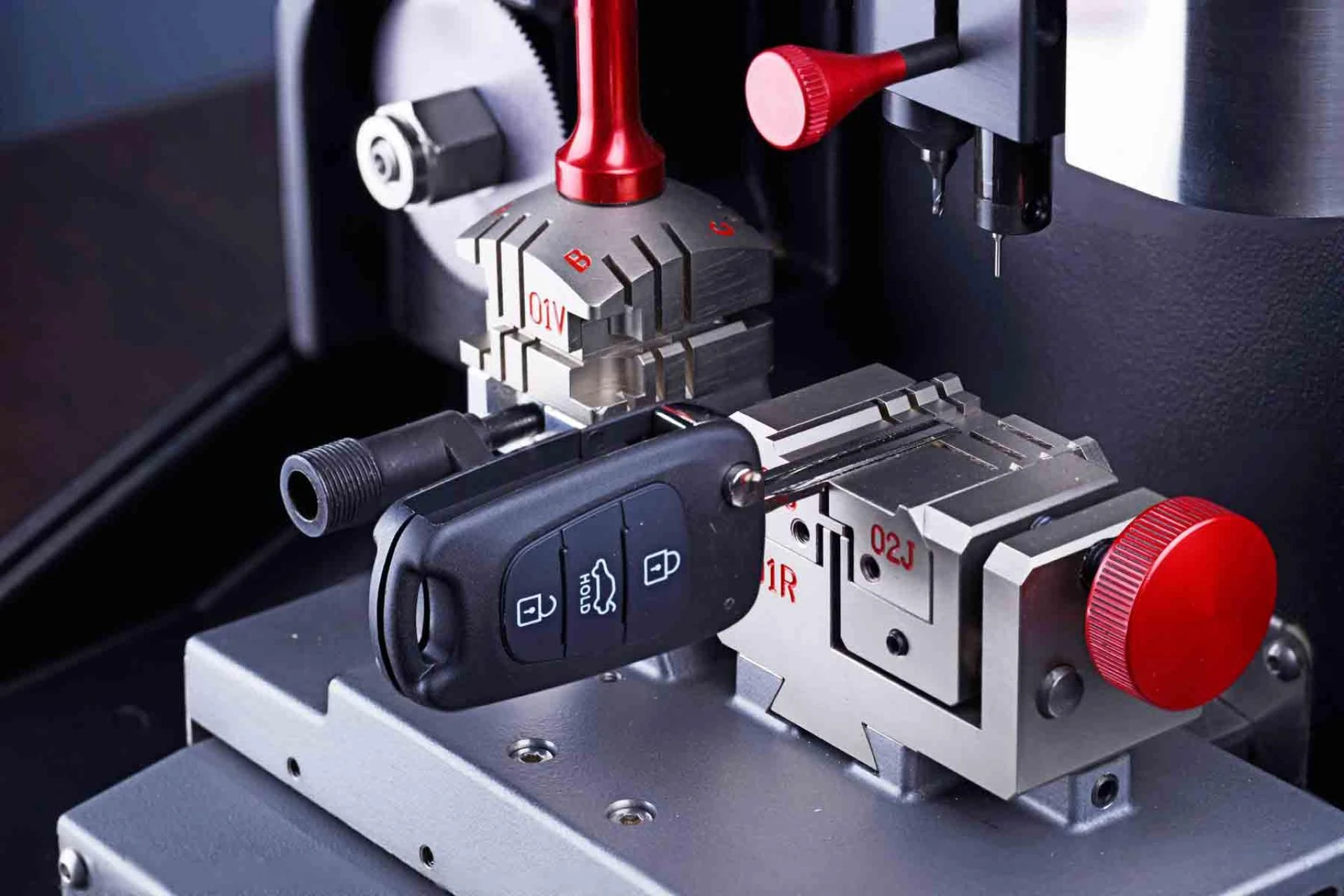
The key blade itself requires precision cutting on laser equipment for sidewinder keys common in luxury vehicles. These blades feature intricate patterns cut into both sides requiring specialized laser cutting machines costing significantly more than standard mechanical key cutters.
Mercedes-Benz Key Replacement Specifics
Mercedes-Benz has pioneered numerous automotive innovations, and their key systems reflect this technological leadership. Understanding Mercedes-specific requirements helps when you need key replacement services.
Mercedes Key Types by Era
Traditional Keys (Pre-1998): Older Mercedes vehicles used high-security metal keys with unique profile cuts. These require Mercedes-specific blanks and precise cutting to avoid damaging delicate lock cylinders.
Infrared Keys (1998-2005): Mercedes introduced infrared remote systems where the key fob communicates with the vehicle through infrared signals. These systems had limited range and required line-of-sight to the vehicle's sensors, typically located in the door handles.
SmartKey (2000-Present): The Mercedes SmartKey system combines transponder, remote, and proximity functions. Early versions used 315 MHz or 433 MHz radio frequencies. Current systems incorporate advanced encryption and anti-relay attack protection.
Keyless-Go (2003-Present): This proximity-based system allows complete keyless operation. Newer implementations include NFC (Near Field Communication) for enhanced security and smartphone integration capabilities.
Mercedes Programming Requirements
Mercedes-Benz key programming requires brand-specific equipment and current software versions. The process involves:
Online SCN Coding: Many Mercedes models require Secure Coding Network (SCN) coding where the programming tool connects to Mercedes-Benz servers to obtain vehicle-specific coding data. This online verification prevents unauthorized key additions.
EIS Programming: The Electronic Ignition Switch (EIS) module stores authorized key data. Programming involves accessing the EIS and adding the new key's identification information.
Key Number Memory: Mercedes systems often limit the total number of keys that can be programmed. Attempting to exceed this limit requires dealership intervention to reset the system.
Special Functions: Premium Mercedes models may require additional programming for specific features like Easy-Entry memory seats, AIRMATIC suspension settings, or AMG performance parameters linked to individual keys.
Common Mercedes Key Issues
Battery Depletion: Smart keys use batteries that typically last 2-4 years. Low battery symptoms include reduced operating range, intermittent function, or complete failure. Professional key services include battery replacement using correct battery types.
Key Fob Damage: Dropped keys may suffer internal damage even without visible external cracks. Water exposure from rain or car washes can corrode internal circuits. Key specialists can often repair or replace internal components.
Lost All Keys: When all Mercedes keys are lost, replacement requires pulling key data from Mercedes databases using your VIN, ordering key blanks from Mercedes suppliers, and performing virgin key programming to the EIS module—a process requiring specialized expertise.
BMW Key Replacement Specifics
BMW's commitment to driving dynamics extends to their key systems, which have evolved to become some of the most sophisticated in the automotive industry.
BMW Key Evolution
Diamond Keys (1990s-2000s): Early BMW remote keys featured distinctive diamond-shaped fobs. These combined basic transponder technology with 315/433 MHz remote functions.
Comfort Access Keys (2002-Present): BMW's proximity key system allows hands-free operation. The key remains in your pocket while you open doors and start the vehicle. Display keys in some models include LCD screens showing vehicle information.
BMW Digital Key (2020-Present): Recent BMW models support smartphone-based digital keys using NFC and UWB technology, allowing iPhone or Android devices to unlock and start the vehicle.
BMW-Specific Programming Challenges
CAS (Car Access System) Programming: BMW's CAS modules store key authorization data. Programming new keys requires accessing and modifying CAS data, often requiring specialized BMW programming equipment like Autohex, CGDI, or original BMW diagnostic systems.
ISN (Individual Security Number) Recovery: When all BMW keys are lost, programming requires extracting the ISN from the CAS module or DME (Digital Motor Electronics). This cryptographic code synchronizes the engine management system with the CAS, allowing new key programming.
FEM/BDC Systems: Newer BMWs use FEM (Front Electronic Module) or BDC (Body Domain Controller) systems instead of CAS. These newer modules require different programming procedures and equipment.
Key Learning Limits: BMW systems typically support 10 programmed keys maximum. Once this limit is reached, adding new keys requires deleting old key data—important if you've owned the vehicle for years and had multiple keys programmed.
BMW Display Key Considerations
High-end BMW models offer Display Keys with LCD screens showing vehicle status, fuel level, service requirements, and remote control functions. These sophisticated keys present unique challenges:
Higher Replacement Costs: Display keys cost significantly more to replace than standard comfort access keys due to the LCD screen and additional electronics.
Battery Life: Display functions drain batteries faster than standard keys. Battery replacement for display keys requires more complex disassembly.
Fragility: LCD screens and touch-sensitive surfaces are more vulnerable to damage from drops or impacts. Protective cases are recommended for display key owners.
Audi Key Replacement Specifics
Audi's "Vorsprung durch Technik" (Progress through Technology) philosophy is evident in their advanced key systems combining security, convenience, and integration with Audi's virtual cockpit and MMI systems.
Audi Key System Evolution
Basic Transponder Keys (Pre-2005): Early Audi keys used Philips Crypto transponder systems with basic immobilizer functionality.
Advanced Key (2005-Present): Audi's proximity-based system operates similarly to Mercedes Keyless-Go and BMW Comfort Access, allowing hands-free vehicle access and starting.
Audi Connect Key (2020-Present): Recent Audi models support smartphone-based keys using NFC technology, particularly in e-tron electric models.
Audi Programming Requirements
Component Protection: Audi employs component protection on ECU modules preventing unauthorized modifications. Key programming sometimes requires online authentication with Audi servers through ODIS (Offboard Diagnostic Information System).
BCM2 Systems: Newer Audi vehicles use BCM2 (Body Control Module 2) managing key authorization. Programming requires compatible equipment recognizing BCM2 protocols.
Keyless Entry Authorization Code: Some Audi models require special authorization codes obtained from Audi databases to enable keyless entry programming, preventing unauthorized key additions.
Multi-Function Programming: Audi keys may require separate programming for immobilizer, remote functions, and advanced key proximity functions across different control modules.
Audi Key Considerations
Key Position Detection: Advanced Key systems in Audi use multiple antennas throughout the vehicle detecting key position. Programming must ensure all antennas properly recognize the key for reliable operation.
Convenience Features: Audi keys can control numerous convenience features including power tailgates, comfort closing of windows, and climate pre-conditioning. Full programming ensures these functions work correctly.
Battery Type Specificity: Audi keys use specific battery types (typically CR2032 or CR2025). Using incorrect batteries can cause malfunction or damage.
The Luxury Car Key Replacement Process
Understanding the professional key replacement process helps set expectations when you need services:
Step 1: Vehicle Verification
Reputable specialists verify vehicle ownership before providing key services. This protects against theft and ensures legal compliance. Expect to provide:
- Vehicle registration (Mulkiya) showing your name
- Emirates ID matching the registration
- The vehicle itself for VIN verification
This verification protects both you and the service provider.
Step 2: Key Assessment
The technician assesses your situation:
- Do you have working keys or have you lost all keys?
- What key type does your vehicle use (traditional, transponder, smart key)?
- What year, model, and specific variant is your vehicle?
- Are there any special features requiring programming (memory seats, performance settings)?
This assessment determines the replacement approach and required equipment.
Step 3: Key Procurement
For luxury vehicles, key blanks must be obtained from authorized sources:
OEM Keys: Original equipment from Mercedes, BMW, or Audi dealers. These guarantee compatibility but typically cost more and may require ordering with several days lead time.
OEM-Quality Aftermarket: Premium aftermarket suppliers produce high-quality key blanks meeting original specifications at lower costs. Professional locksmiths maintain relationships with reputable suppliers.
Key Components: Some situations allow using existing key components. If your key fob housing is damaged but the electronics work, a shell replacement may suffice. If buttons are worn but the circuit board is intact, button pad replacement saves costs.
Step 4: Key Cutting
The physical key blade requires precise cutting:
Laser Cutting: Most luxury vehicles use laser-cut (sidewinder) keys requiring specialized laser cutting equipment. The blade features cuts on both sides with precise depth and positioning requirements.
Code Cutting: When possible, cutting by manufacturer key code ensures perfect accuracy rather than duplicating potentially worn original keys.
Quality Control: Professional technicians test cut keys in lock cylinders before proceeding to programming, ensuring smooth operation.
Step 5: Programming
This critical step synchronizes the new key with vehicle systems:
Immobilizer Programming: The transponder chip must be registered with the engine control unit so it recognizes the key as authorized.
Remote Programming: Lock, unlock, trunk, and panic functions require programming to the body control module.
Proximity System Programming: Smart key systems require programming to comfort access modules and configuring detection antennas.
Feature Programming: Memory seats, mirrors, steering wheel positions, and other personal settings may need linking to the new key.
Programming typically takes 30-90 minutes depending on vehicle complexity and system architecture.
Step 6: Testing
Comprehensive testing ensures everything functions correctly:
- Physical key operation in door locks
- Transponder recognition and engine starting
- Remote lock/unlock function from various distances
- Trunk/tailgate operation
- Panic alarm function
- Proximity detection (for smart keys)
- Memory feature recall (seats, mirrors, etc.)
Only after successful testing across all functions should you accept the completed key.
Step 7: Key Handover
Professional services conclude with:
- Instruction on proper key operation and care
- Battery replacement guidance and timeline
- Emergency procedures if the key fails
- Warranty information covering parts and programming
- Invoice documentation for insurance or records
Cost Considerations for Luxury Car Key Replacement
Luxury Car Key Replacement in dubai costs vary based on several factors:
Key Type Pricing
Basic Transponder Keys: AED 800-1,500 for older luxury vehicles with simpler transponder systems.
Remote Key Fobs: AED 1,200-2,000 for combination transponder and remote keys.
Smart Keys/Proximity Keys: AED 1,500-3,500 for current-generation keyless entry systems with advanced features.
Display Keys (BMW): AED 3,000-5,000 for LCD display keys with touch-screen functionality.
Additional Cost Factors
All Keys Lost Situations: When you've lost all keys, expect 30-50% higher costs due to additional programming requirements, database access fees, and virgin key initialization procedures.
Emergency Services: After-hours or mobile services at your location typically include premiums of AED 200-500 for convenience and immediate availability.
Rare Models or Limited Production Vehicles: Exotic variants, limited editions, or rare models may require special ordering of components, increasing costs and lead times.
Component Damage: If your vehicle's immobilizer, EIS/CAS module, or body control module has been damaged (from attempted theft or electrical issues), repairs may be necessary before new keys can be programmed, adding significant costs.
Dealership vs. Independent Specialist Comparison
Authorized dealerships typically charge 40-60% more than qualified independent specialists for identical key replacement services. This premium pays for:
- Guaranteed OEM parts
- Factory-trained technician labor rates
- Dealership overhead costs
- Warranty considerations on newer vehicles
Independent specialists offer advantages including:
- Lower overall costs while maintaining quality
- Often faster service without dealership appointment backlogs
- Mobile services coming to your location
- More flexible scheduling including weekends
For vehicles outside warranty periods, qualified independent specialists provide excellent value without compromising quality.
Preventing Luxury Car Key Loss and Damage
Proactive measures reduce the likelihood of needing emergency key replacement:
Maintain Spare Keys
Always have at least one spare key programmed and stored securely. Don't keep spare keys in the vehicle or nearby—a common mistake that defeats their purpose. Consider storing spare keys with trusted family members or in secure home locations.
Use Key Protection
Invest in quality key cases or covers protecting against drops and impacts. These accessories preserve key fob appearance and prevent damage from normal handling.
Battery Maintenance
Replace key batteries proactively every 2-3 years rather than waiting for failure. Low batteries stress internal components and may cause unexpected failures at inconvenient times.
Avoid Water Exposure
Despite modern design, key fobs aren't fully waterproof. Avoid leaving keys in pockets during swimming, exposing them to car washes, or placing them near spilled liquids. If a key gets wet, remove the battery immediately and allow complete drying before use.
Secure Storage at Home
Luxury vehicles are increasingly targeted by relay attacks where thieves amplify key fob signals to unlock and start vehicles. Store keys in signal-blocking pouches or at least 10 meters from your parked vehicle to prevent this theft method.
Document Key Information
Keep records of:
- Key numbers or codes (found in owner's manual or on original key tags)
- VIN (Vehicle Identification Number)
- Contact information for your preferred key specialist
Having this information readily available streamlines the replacement process if needed.
Dex Key Maker: Your Luxury Car Key Replacement Specialists
When you need luxury car key replacement in Dubai, Dex Key Maker provides specialized expertise in Mercedes-Benz, BMW, and Audi key systems. Our technicians receive manufacturer-specific training and maintain current programming equipment for all luxury brands.
We understand the precision and security requirements these sophisticated systems demand and deliver professional results matching your vehicle's premium standards.
Frequently Asked Questions
How long does luxury car key replacement take?
Standard replacement with at least one working key typically takes 45-90 minutes. All-keys-lost situations may require 2-4 hours depending on key code availability and vehicle security system complexity.
Can any automotive locksmith replace luxury car keys?
No. Luxury vehicle keys require specialized equipment, manufacturer-specific software, and technical knowledge that general automotive locksmiths don't possess. Always verify the locksmith has specific experience with your vehicle brand.
Will a replacement key void my vehicle warranty?
Replacement keys from qualified independent specialists using proper procedures won't void warranties. However, improper programming attempts or unauthorized modifications to security systems could create warranty issues. Always use certified specialists.
Can I program luxury car keys myself?
Some older models allow self-programming procedures, but modern Mercedes, BMW, and Audi vehicles require professional equipment and manufacturer database access. DIY attempts may trigger security lockouts requiring expensive dealership resets.
What if my luxury car key stops working suddenly?
First try replacing the battery. If that doesn't help, the key may need reprogramming or internal circuit repair. Professional diagnosis determines whether repair or replacement is necessary.
Are aftermarket luxury car keys reliable? Premium aftermarket keys from reputable suppliers offer reliability matching OEM keys at lower costs. Avoid cheap, unbranded alternatives that may fail prematurely or damage vehicle systems.
Do luxury car keys require special batteries? Yes, each manufacturer specifies particular battery types (typically CR2032 or CR2025). Using incorrect batteries can cause malfunction. Professional key services use correct battery types during replacement.
Can smart keys be repaired if damaged?
Many issues can be repaired including button replacement, shell replacement, and circuit board repair. However, severe water damage or extensive internal damage may require complete key replacement.
What's the difference between OEM and aftermarket luxury car keys?
OEM (Original Equipment Manufacturer) keys come directly from Mercedes, BMW, or Audi. Aftermarket keys are produced by third-party manufacturers. High-quality aftermarket options meet OEM specifications at lower prices, while cheap aftermarket keys may have reliability issues.
How many spare keys should I have for my luxury car?
Maintain at least two working keys—one daily use key and one secure backup. This prevents being stranded if your primary key fails and avoids expensive all-keys-lost replacement scenarios.



























Sign in to leave a comment.