

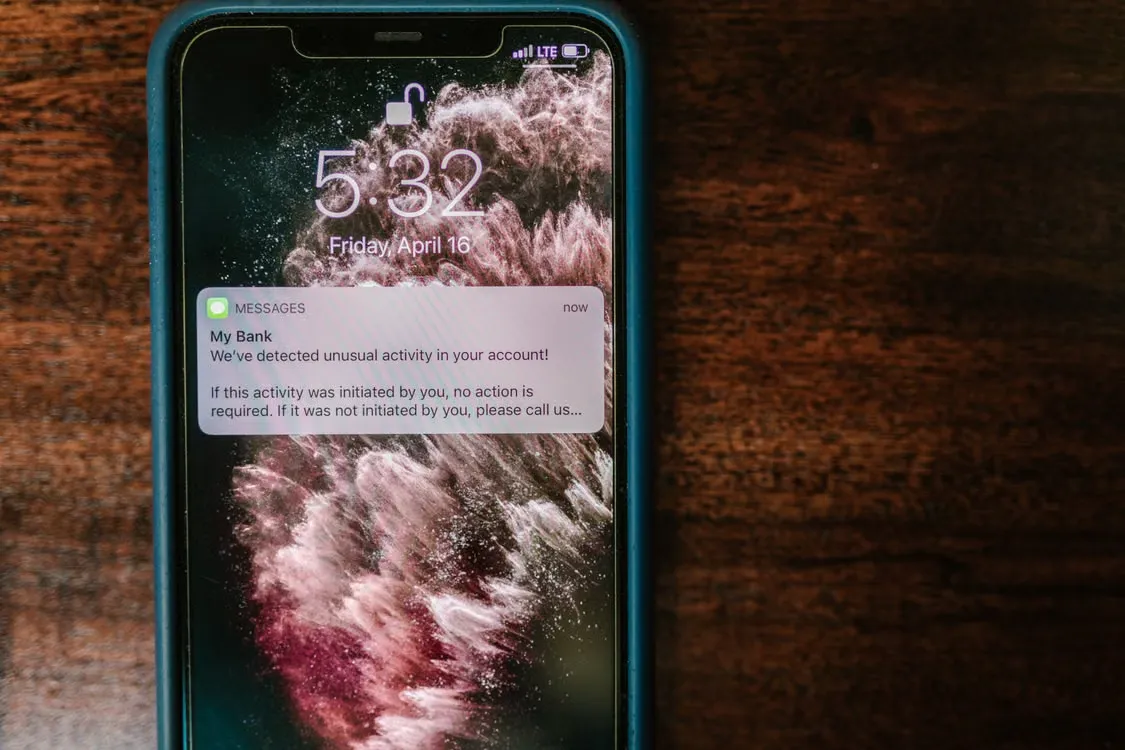
You log into your bank account and notice a transaction you never made. You call the number on the back of your card. They confirm the charge. Then they tell you your account details were part of a breach; one that happened six weeks ago.
Six weeks.
That is six weeks of exposure. Six weeks of your credentials circulating. Six weeks of potential access to every account tied to that email address, and you are only finding out now.
This is not a failure of one bank or one system. It is how most cybersecurity architecture is built. Detection comes after the fact. Response follows damage. And individuals are left catching up to something that already ran its course.
Built to React, Not to Prevent
The foundation of most cybersecurity systems is reactive. They are designed to identify threats that have already crossed a threshold—a known malware signature, a suspicious login pattern, a flagged transaction.
That design made sense when attacks were blunt and obvious. It does not hold up against the way threats move today.
Modern attacks are staged and slow. An attacker does not walk through the front door and trigger every alarm. They find a small opening, establish access quietly, and move laterally over days or weeks before doing anything detectable. By the time a system flags the activity, the initial access point has long been used and abandoned.
The breach is detected. The damage is already done.
Why Alerts Arrive Too Late
Most detection systems work by comparing activity against known patterns. When something crosses a preset threshold, an alert fires.
The problem is that threshold-based detection has a built-in delay:
- The system must first observe enough suspicious activity to classify it
- That activity must match patterns already in the detection database
- The alert must then route through internal processes before reaching anyone who can act
Each of those steps takes time. And during that time, data is moving.
Stolen credentials are tested across platforms. Email accounts are accessed. Password reset links are triggered. By the time a notification reaches the account holder, the chain of access has often already extended well beyond the original breach point.
This is precisely why identity theft protection services online are built around early exposure monitoring rather than waiting for a system alert that arrives after the fact.
The Gap Between Detection and Notification
Even when systems detect a breach quickly on the backend, notification to affected individuals often lags significantly.
Internal review processes, legal consultations, and regulatory requirements all sit between breach discovery and public disclosure. In practice, this gap can stretch from weeks to months.
During that window, individuals have no idea their data is exposed. They are not changing passwords. They are not monitoring accounts. They are not freezing credit. They are going about their lives while their information is already in use.
This is the window that causes the most damage. Not the breach itself—the silence after it.
Single-Layer Systems Cannot Cover Multi-Point Attacks
Many people operate under the assumption that one strong security tool is enough. An antivirus program. A password manager. A bank with fraud alerts. Each of these is useful in isolation. None of them communicate with each other.
That isolation is a structural weakness.
A modern identity attack rarely targets just one system. It moves:
- From a breached database to a credential list
- From that list to an email account
- From the email account to linked financial services
- From financial services to identity documents and tax records
Each step happens in a different system. Each system has its own detection logic. None of them are watching the full path.
Fraud prevention services for individuals are designed to monitor across that full path, not just one point in it. That cross-system visibility is what single-layer tools fundamentally lack.
What "Proactive" Actually Means
The word gets used loosely. Every security vendor claims to be proactive. Most are not.
Genuine proactive protection means:
- Monitoring breach databases continuously, not after a known incident
- Scanning data broker listings where personal information gets sold and resold
- Tracking dark web activity for exposed credentials before they are used
- Alerting individuals at the point of exposure, not the point of misuse
That is a fundamentally different model from waiting for a flagged transaction or a bank notification.
Online fraud protection services built around this model give individuals a detection window that reactive systems cannot. The earlier exposure is identified, the narrower the window for misuse becomes.

The Hospital Problem
Healthcare institutions are among the most breach-prone environments in the world. They hold dense personal data, names, dates of birth, insurance information, Social Security numbers, and many run on legacy infrastructure that was never designed with modern threat models in mind.
When hospital systems are breached, patients are rarely notified quickly. Internal processes slow disclosure. Patients find out through news reports or notification letters that arrive long after the breach date.
The data exposed in a hospital breach does not just affect healthcare access. It feeds into identity fraud, tax fraud, and financial account takeovers. One breach in one system creates exposure across multiple areas of a person's life.
No institution, hospital, government agency, or financial provider, has a perfect record. Assuming any of them will catch a breach before it affects you is a risk most people only recognize after they have already paid the price for it.
Why Individual Action Cannot Depend on Institutional Detection
Institutional cybersecurity systems are built to protect the institution. Compliance, liability management, and internal threat containment are the priorities. Individual notification is a downstream obligation, not the primary function.
That means the gap between when a breach is known internally and when individuals can act on it is, by design, not in the individual's favor.
Digital security services for individuals exist to close that gap. They operate independently of institutional timelines. They monitor exposure on an individual basis, in real time, without waiting for a formal disclosure process to run its course.
Platforms like learntospotscams.com are built around this model, putting detection and early response in the hands of the individual rather than leaving it to systems that report breach activity long after it has already caused damage.

Stop Waiting for an Alert That Arrives Too Late
Reactive systems will keep detecting breaches after the fact. That is not going to change. What can change is how quickly you find out, and how much damage spreads in the meantime.
Most people do not realize their data is exposed until weeks after the fact. By then, accounts have been accessed, credentials have been reused, and the window for containment has closed.
Platforms like learntospotscams.com offer identity theft protection services online that monitor exposure before a formal breach notification ever reaches you.
For individuals who want real coverage across accounts and personal data, digital security services for individuals provide the cross-system visibility that single-layer tools cannot. Earlier detection means a smaller window for damage
Contact learntospotscams.com today and stop relying on systems that were never built to protect you first.
About the Author
The author is a cybersecurity and consumer protection writer with a focus on data breach timelines, institutional security failures, and individual fraud prevention. She writes to help everyday users understand the gap between how security systems work and how they actually protect, or fail to protect, real people.






























Sign in to leave a comment.