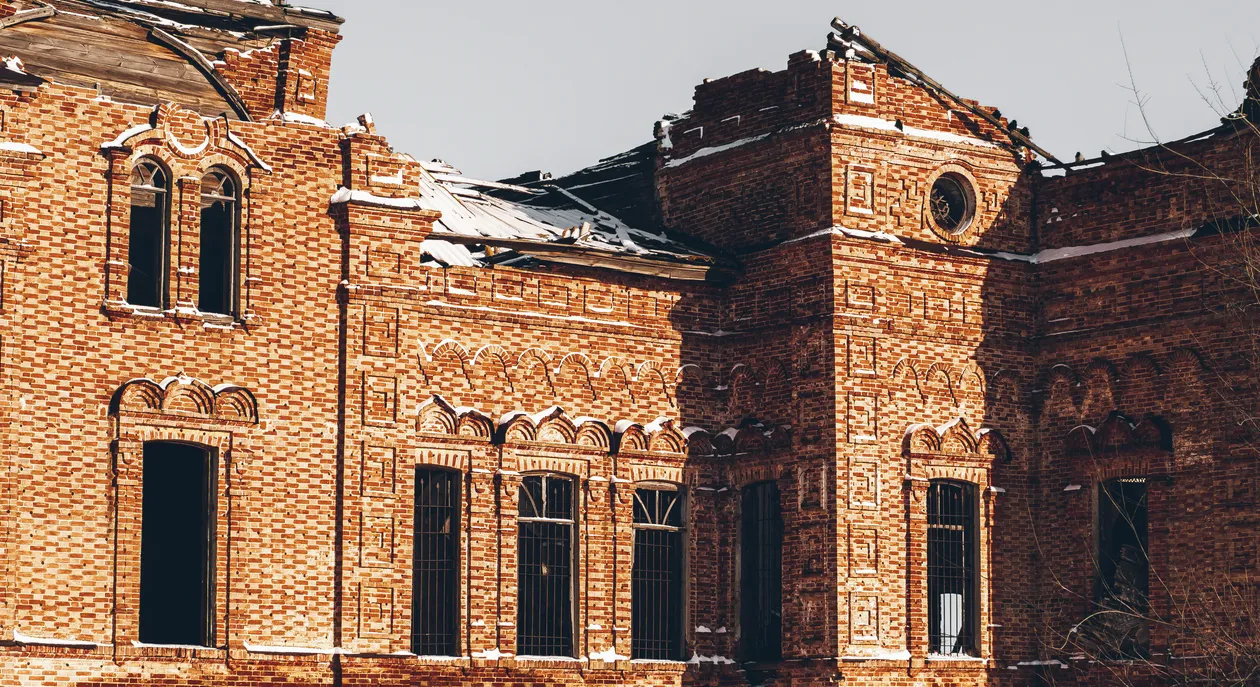

Masonry has a reputation for permanence, yet every brick, stone, and mortar joint is slowly shaped by the weather around it. In a climate with cold winters and wet seasons, that exposure adds up faster than most owners expect. Understanding how the environment attacks a wall is the first step toward protecting it. Soft, porous materials are especially at risk, which is why brownstone restoration in Greater Boston so often traces back to decades of moisture and temperature swings. The encouraging news is that this damage is predictable, and a great deal of it can be prevented with timely brownstone and masonry care.
How Water and Temperature Attack Masonry
Almost every form of masonry damage starts with water. Brick, stone, and mortar are porous, so they absorb rain, snowmelt, and ground moisture into a network of tiny pores. On its own that moisture is manageable, but combined with temperature change it becomes destructive. Salts dissolved in the water also migrate to the surface and crystallize, pushing the masonry apart from within. The Environmental Protection Agency notes that controlling moisture at its source is the key to preventing long-term damage and mold. Once water has a reliable path into a wall, every other weathering process speeds up, from staining and efflorescence to the structural cracking that follows repeated freezing. Even a wall that appears dry on the surface can hold significant moisture deep within its pores, waiting for the next freeze to do its work.
The Freeze-Thaw Cycle
The single most damaging process in a cold climate is the freeze-thaw cycle. Water soaks into the pores of brick and mortar, then freezes and expands by roughly nine percent, forcing the material apart from the inside. When it thaws, the water seeps deeper, and the next freeze pushes harder. A technical bulletin on freeze-thaw damage in masonry explains that this expansion can break apart even sound material over enough cycles. Regions that hover around freezing all winter suffer the most, because the cycle repeats again and again through the season.
Long-Term Effects of Environmental Exposure
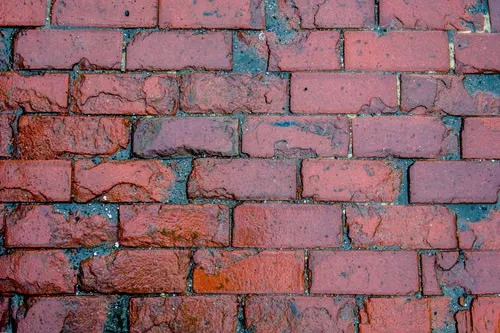
Over years and decades, these forces reshape a building. Mortar joints recede and crumble, brick faces flake away through spalling, and concrete elements crack as embedded steel rusts and expands. A reliable concrete repair service in Boston sees the same pattern again and again, where small surface damage left unaddressed becomes deep structural deterioration. Sun and wind add their own stress, drying and contracting materials that were soaked the day before. Pollution and acidic rain slowly eat at limestone and lime mortar. None of these forces acts quickly on its own, but together, across many seasons, they can compromise a wall that once looked indestructible. The damage is rarely uniform, so one elevation that faces driving rain or constant shade may fail years ahead of the others on the same building.
Why Some Materials Fail First
Not every part of a wall weathers at the same rate. Softer, more porous brick absorbs more water and fails sooner than dense, well-fired units. Lime mortar, by design, gives way before the masonry it protects, which is exactly why it should be maintained. Technical guidance from the Brick Industry Association helps identify which materials are most vulnerable in a given climate. Knowing the weak points lets an owner focus maintenance where the weather will strike first, rather than waiting for visible failure to appear. A quick survey of which units are already spalling usually reveals the pattern the rest of the wall will follow in the years ahead.
How Small Cracks Become Big Problems
A single hairline crack rarely stays harmless for long. Each opening gives water a new route into the wall, and every freeze widens it a little more, in a cycle that feeds on itself. Moisture that reaches the inner masonry or the steel behind it triggers rust, swelling, and further cracking that radiates outward. What began as a cosmetic blemish on one joint can spread across an entire elevation within a few seasons. This compounding effect is why early action matters so much with weather damage. Catching and sealing a small fault is inexpensive, while ignoring it invites the kind of structural repair that disrupts an entire property.
Staying Ahead of the Weather
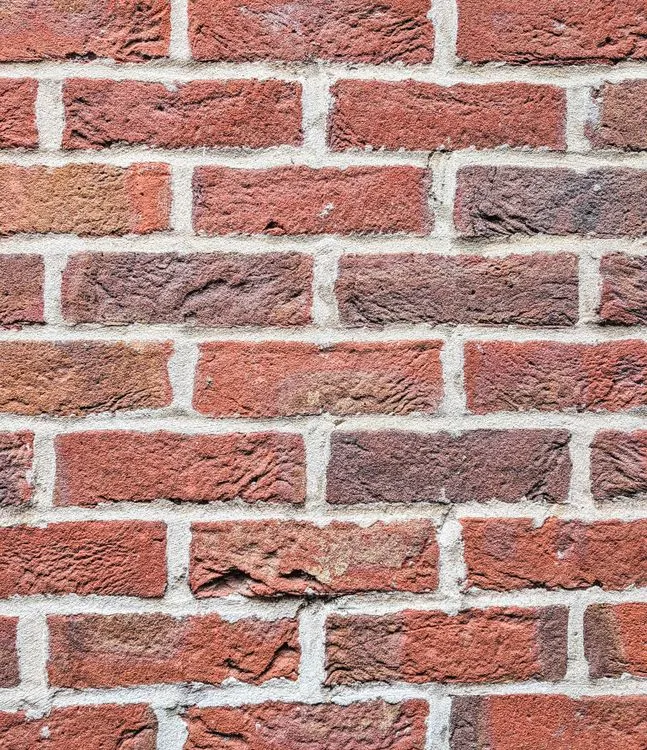
Weather damage is gradual, which means it can be intercepted long before it becomes a crisis. Routine inspection, prompt sealing, and timely repointing brickwork in Greater Boston keep small problems from compounding across seasons. Directing water away from the wall through good drainage and grading does the rest. The full set of restoration services available shows how each of these steps fits into a long-term maintenance plan for a building.
AMN Masonry has provided building restoration services in Boston and the surrounding region for more than thirteen years, helping owners stay ahead of the weather rather than react to it. To protect a masonry property before the next hard winter, engage the AMN Masonry team for an exposure assessment.
About the Author
The author is a masonry and building science consultant who has studied how climate affects building materials for over twenty years. Their work helps property owners understand weathering, plan preventative maintenance, and extend the service life of brick, stone, and concrete structures in demanding northern conditions across many seasons.

































Sign in to leave a comment.