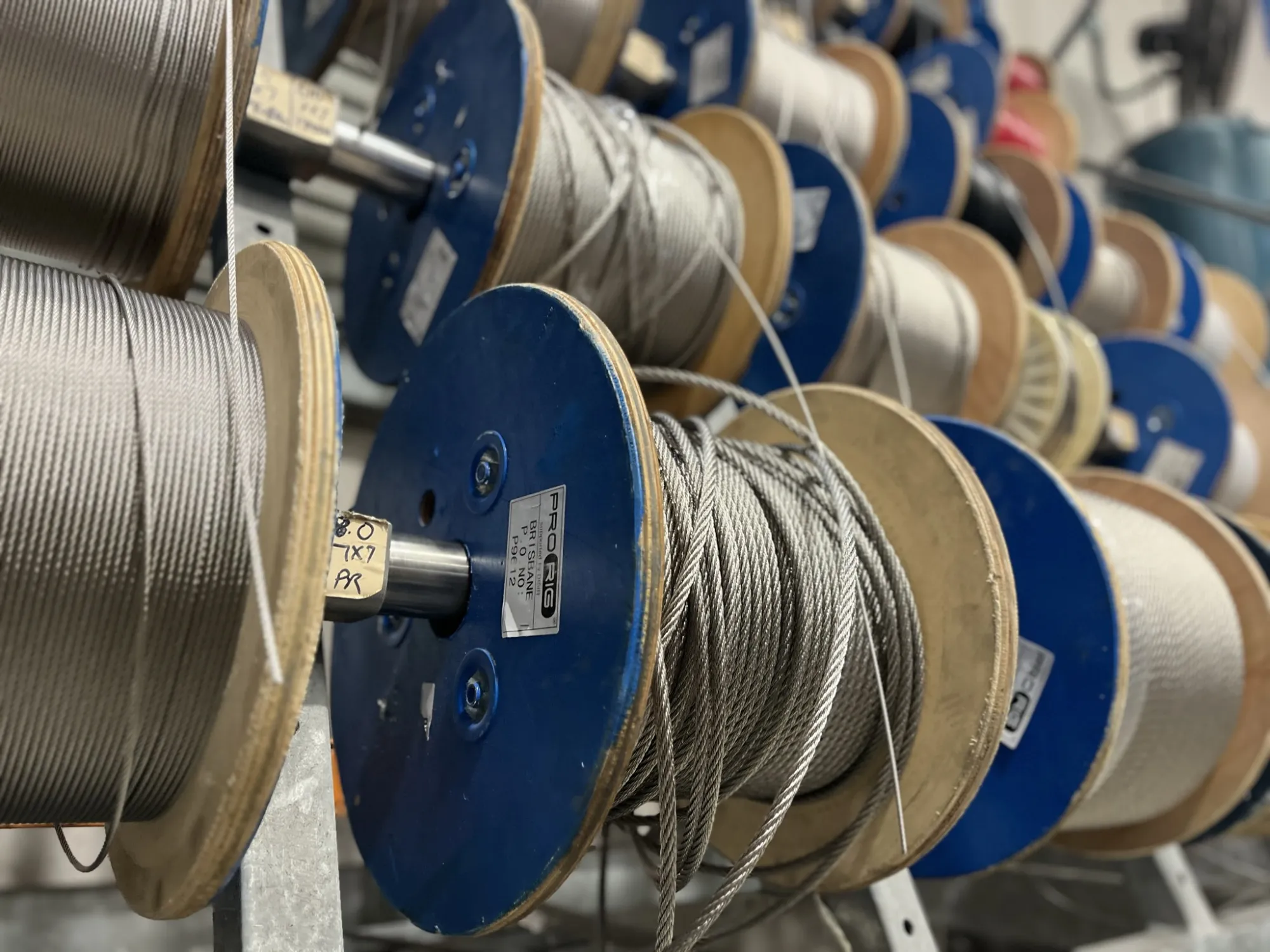

Selecting the right hardware for structural, architectural, or coastal installations requires an understanding of material performance, tension requirements, and environmental resilience. Whether you are building an expansive timber deck balustrade, constructing heavy-duty shade sail frameworks, or setting up vertical green wall trellises, high-tensile stainless steel wire rope serves as the critical backbone for safety and longevity. Beyond standard metal cabling, marine-grade stainless steel wire provides an optimal balance of flexibility, load capacity, and sleek visual appeal that elevates contemporary design. However, achieving long-term success on your residential or commercial project depends heavily on working with an experienced specialist who understands wire strand constructions, breaking strains, and swaging requirements.
Understanding Wire Rope Constructions and Strand Configurations
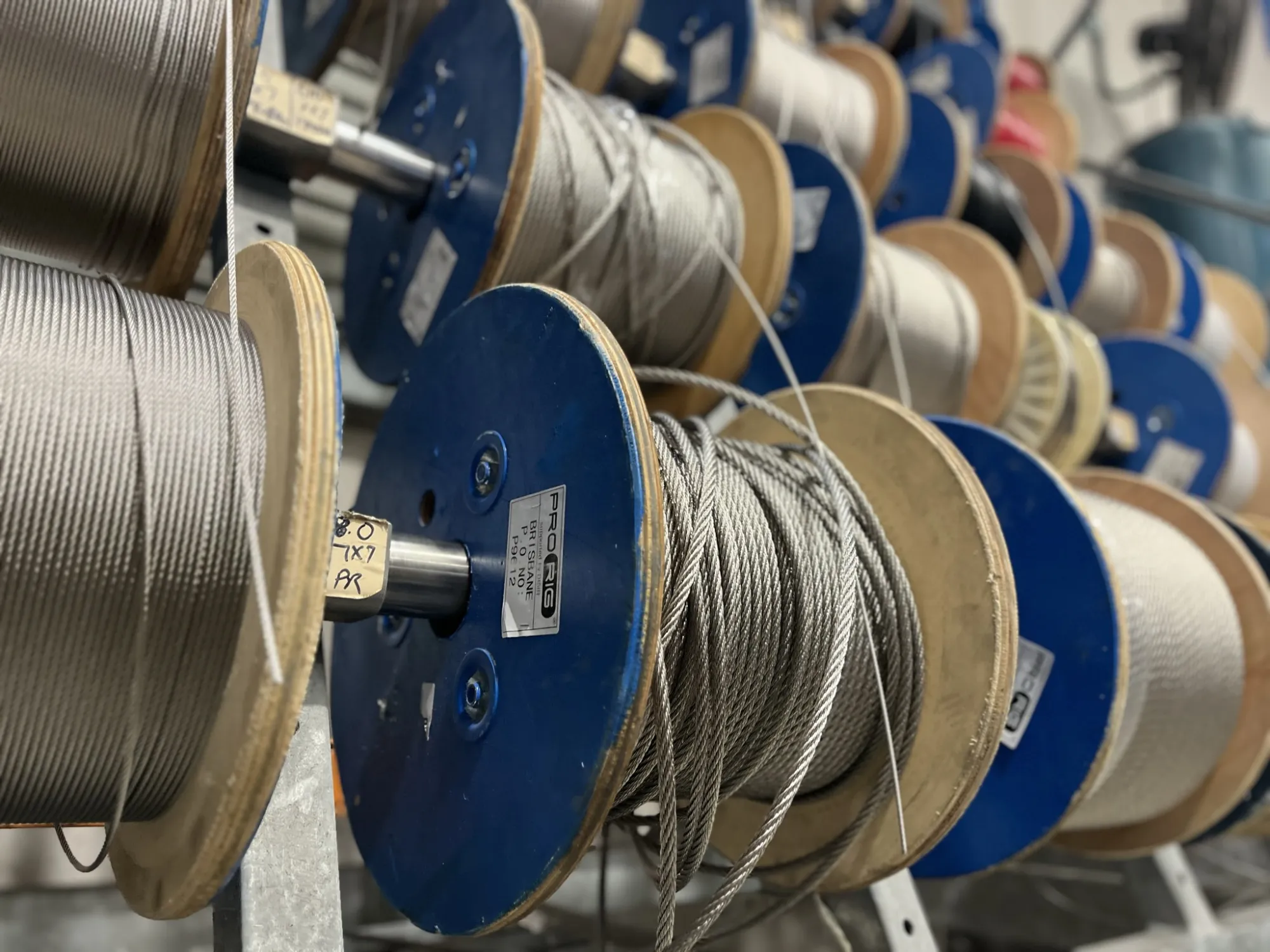
To choose the optimal wire rope for your specific application, you first need to understand how individual wires are twisted into strands and laid around a core. Common configurations such as 1x19, 7x7, and 7x19 each deliver distinct characteristics regarding flexibility, rigidity, and aesthetic surface finish. A 1x19 construction features nineteen single wires twisted together into a firm, rigid cable that exhibits minimal stretch, making it the industry standard for straight balustrade runs, architectural tie-rods, and standing rigging where stiffness is paramount. Conversely, 7x7 and 7x19 constructions utilize multiple finer wire bundles grouped together, delivering far greater flexibility around pulleys, winches, corners, or complex decorative swaging setups.
Why Partnering with a Specialist Stainless Steel Supplier Matters
Navigating structural wire specifications, local building standards, and coastal corrosion hazards can be daunting without expert guidance. Choosing a dedicated stainless steel supplier guarantees access to authentic marine-grade materials manufactured to strict quality control parameters. Professional suppliers provide comprehensive technical assistance, help calculate precise cable tensions, and stock fully compatible hardware fittings like turnbuckles, swage terminals, and thimbles designed for exact cable gauges. Furthermore, an established supplier offers factory custom-cutting, hydraulic pre-swaging services, and trade-level bulk pricing that streamlines installation times while reducing job site waste.
Key Advantages of Grade 316 Marine-Grade Stainless Steel Cables
Upgrading to premium AISI grade 316 stainless steel cable brings significant performance advantages over standard galvanized steel or lower-tier 304 alloy options, particularly in demanding outdoor environments.
- Superior Saltwater Corrosion Resistance: The inclusion of molybdenum in grade 316 stainless steel protects the metal against harsh chloride pitting, ocean spray, and atmospheric pollution.
- High Strength-to-Weight Ratio: Precision-drawn steel wires provide exceptional tensile strength, permitting sleek, low-profile barrier designs that do not sacrifice structural integrity.
- Minimal Maintenance Requirements: Unlike painted or galvanized cables that chip, peel, or rust over time, marine-grade stainless wire requires only occasional freshwater rinsing to maintain its pristine luster.
- Unobstructed Viewlines: The slender profile of stainless steel cabling creates safe, transparent barriers for decks, balconies, and staircases without obscuring surrounding landscapes.
- Exceptional Fire & UV Endurance: Stainless steel remains completely unaffected by intense sun exposure, extreme ambient heat, or harsh fire hazards, outperforming synthetic cordage and wood.
Integrating Wire Systems in Balustrades, Shade Sails, and Green Walls
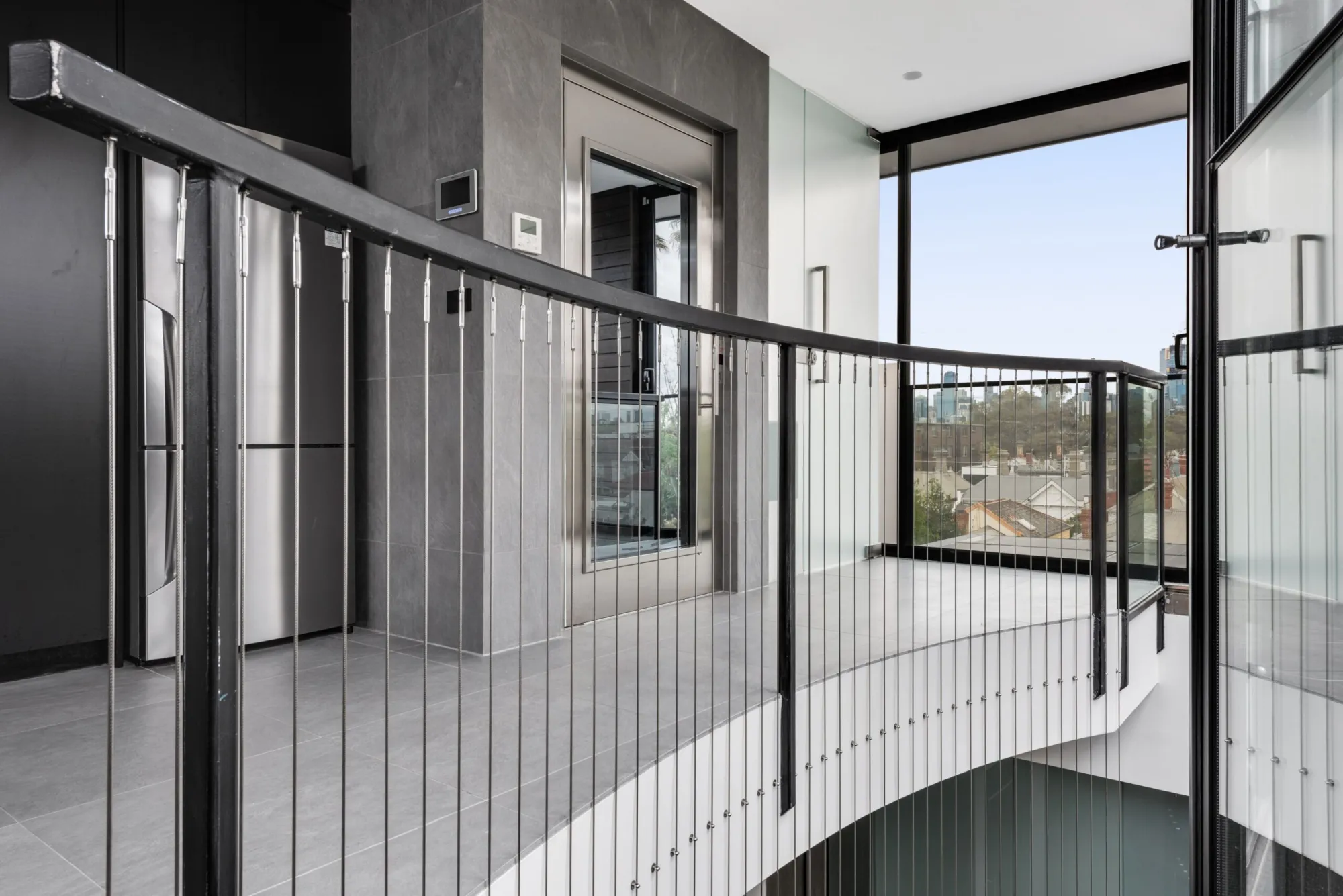
Beyond traditional marine rigging, modern stainless wire applications have transformed residential and commercial architecture across Australia. In timber and steel balustrading systems, tightly tensioned wire runs provide compliant safety barriers while keeping entertaining zones feeling light, spacious, and ventilated. In tensioned fabric structures, heavy-gauge wire cabling sewn into shade sail perimeters absorbs high wind forces and distributes load across corner mounting posts. Additionally, modern green wall wire trellis systems utilize vertical grid cabling to anchor climbing vines, establishing lush plant facades that cool building envelopes naturally.
Crucial Planning Steps for a Long-Lasting Cable Installation
Achieving a flawless, wobble-free cable assembly requires careful planning before drill bits ever touch timber, masonry, or steel framing.
- Accurate Hole Center Measuring: Establish consistent center-to-center spacing across all posts to maintain uniform wire alignment and meet strict regulatory safety standards.
- Substrate & End Post Reinforcement: Ensure end anchor posts possess sufficient cross-sectional strength to resist the cumulative pulling forces exerted by multiple tensioned wire runs.
- Selecting Matching Swage Hardware: Pair your wire diameter with correctly sized hydraulic swage studs, bottle screws, or hand-swage fittings made from matching 316-grade alloy.
- Allowing Turnbuckle Adjustment Room: Set bottle screws and turnbuckles to half-open positions prior to swagging so you have plenty of room to tighten cables fully over time.
- Routine Cleaning & Passivation: Clean post-installation metallic dust immediately with specialized stainless steel cleaner to lock in natural corrosion barriers from day one.
Transforming Outdoor Environments with Precision Hardware
Investing in precision-engineered wire ropes and marine fittings provides long-term peace of mind while dramatically elevating property values. Whether you are a trade contractor executing large commercial developments or a passionate homeowner undertaking a weekend deck renovation, high-quality hardware delivers an unbeatable combination of safety, structural durability, and contemporary style. By choosing high-tensile 316-grade materials and utilizing proper tensioning practices, your outdoor living spaces remain safe, open, and visually striking for decades to come.
Conclusion
Creating strong, safe, and visually stunning architectural projects starts with sourcing components engineered to withstand the test of time. From slim decorative wire runs to heavy-duty structural rigging, selecting premium stainless wire hardware ensures your investment remains rust-free, low-maintenance, and secure year after year.
Ready to elevate your next deck, shade sail, or green wall project with Australia's trusted hardware experts? Explore the extensive range of marine-grade wire rope, balustrade systems, and custom post solutions at Miami Stainless to get your project underway today!
Frequently Asked Questions
1. What is the difference between 1x19, 7x7, and 7x19 stainless steel wire rope constructions?
1x19 wire rope is rigid with low stretch, making it ideal for straight balustrade runs and architectural stays. 7x7 offers medium flexibility suitable for general balustrading and shade sail perimeters. 7x19 is extremely flexible, making it ideal for running over pulleys, winches, or around sharp bends where high cable pliability is required.
2. Why is 316-grade stainless steel recommended over 304-grade for outdoor applications?
316-grade stainless steel contains added molybdenum, which significantly boosts resistance to chlorides, saltwater spray, and industrial pollutants. While 304-grade works well indoors, 316-grade is essential for outdoor, coastal, and marine environments to prevent surface tea-staining and premature rust.
3. How do I maintain stainless steel wire ropes to prevent tea-staining?
Maintenance is simple: periodically wash the wires and end fittings with warm water, mild soap, and a soft cloth to remove airborne salt deposits and dust accumulation. Applying a specialized stainless steel passivating polish once or twice a year adds an invisible protective layer that keeps the metal looking brand new.
4. Can I cut and swage stainless steel wire rope myself at home?
Yes, for smaller DIY projects using flexible 7x7 or 7x19 wire, you can cut cables with dedicated wire cutters and crimp hand-swage fittings using manual tool kits. However, for rigid 1x19 wire or heavy structural applications, factory hydraulic press swagging ensures maximum holding strength and a seamless finish.
5. What post spacing and wire tension are required for a compliant balustrade?
Australian building codes generally require post intermediate spacing to be no more than 1.2 to 1.5 meters apart, with vertical wire spacing typically kept around 80mm to prevent a 120mm sphere from passing through under tension. Exact tensioning guidelines vary based on wire diameter and post construction, so consulting your hardware supplier's guide is always recommended.





















Sign in to leave a comment.