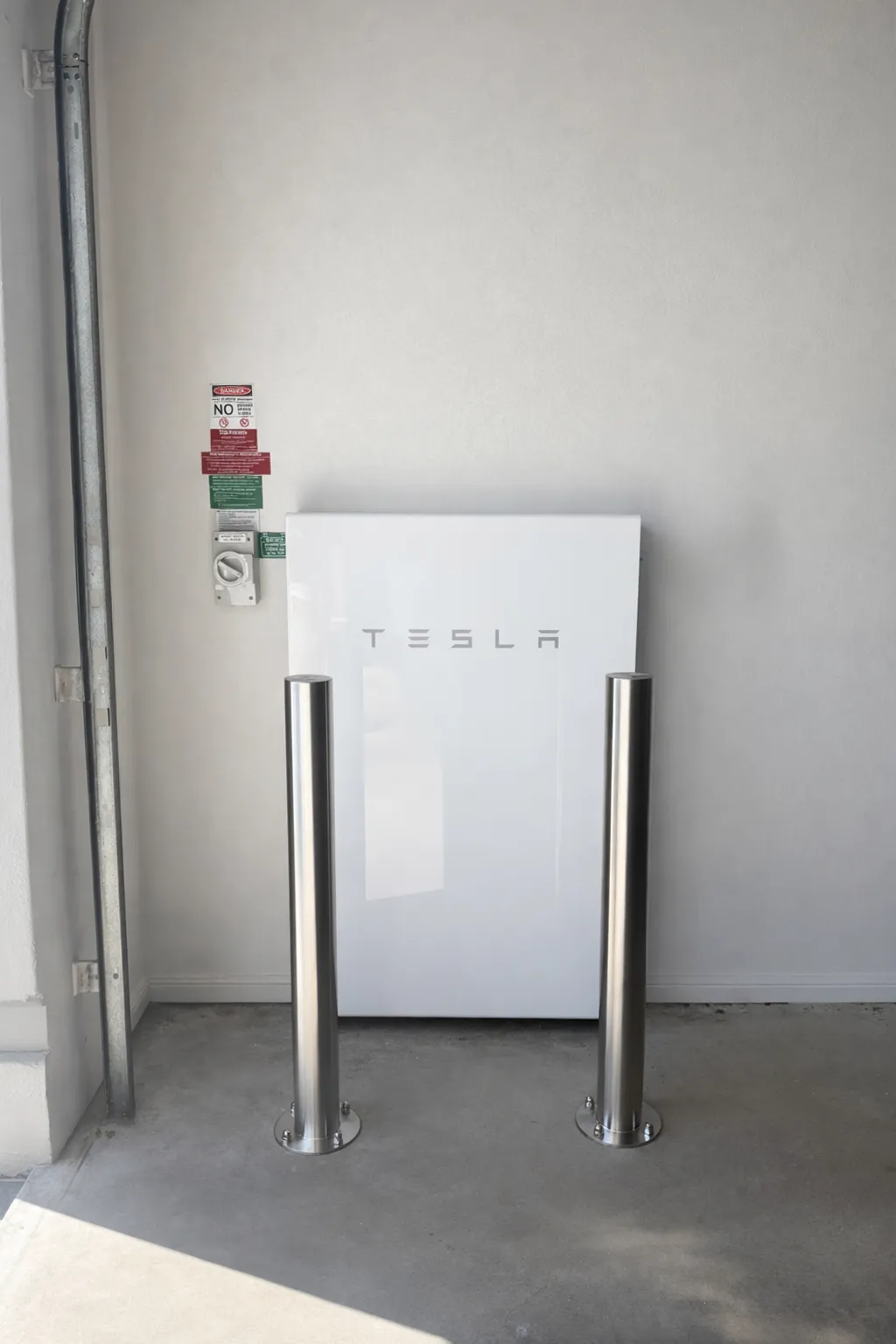

Installing stainless steel bollards requires an unyielding combination of architectural elegance, structural resilience, and heavy-duty masonry fixing to ensure long-term perimeter protection across commercial, industrial, and residential environments. Modern architectural projects throughout Australia rely heavily on surface-mounted 316 marine-grade stainless steel bollards to define traffic boundaries, safeguard storefronts, and establish clear pedestrian pathways without compromising on aesthetic appeal. However, the ultimate structural integrity of any surface-mounted bollard system depends entirely on the mechanical anchors used to secure its base plate into solid concrete substrates. By selecting high-performance fixings such as the Screwbolt 10 x 100mm Galvanised, trade contractors and structural engineers ensure maximum resistance against shear forces, heavy impact loads, and severe coastal weather exposure over decades of service.
Why Modern Architecture Demands High-Grade Stainless Steel Bollards
The integration of premium grade stainless steel bollards into public infrastructure and private developments represents a strategic balance between physical perimeter security and sophisticated urban design. Unlike traditional painted carbon steel or concrete barriers that frequently crack, chip, rust, and require continuous repainting, high-grade 316 stainless steel delivers superior corrosion resistance against salt spray, atmospheric pollutants, and harsh ultraviolet exposure. Beyond their obvious protective capabilities around retail storefronts, carparks, and building entrances, these sleek cylindrical posts serve as essential architectural visual guides that harmoniously blend with contemporary glass, timber, and concrete structures. When paired with heavy-duty mechanical fixings, surface-mounted bollards provide immediate, non-intrusive asset protection that meets stringent Australian building standards while enhancing overall property value.
Understanding the Structural Role of Screwbolt 10 x 100mm Galvanised Fixings
Securing heavy-duty posts to concrete slabs demands an anchoring mechanism engineered to withstand severe dynamic tension and lateral shear stresses without failing or cracking the surrounding masonry. The Screwbolt 10 x 100mm Galvanised anchor operates as a self-tapping heavy-duty concrete screw that cuts its own high-strength thread directly into pre-drilled masonry substrate upon insertion. Featuring a specialized hot-dip galvanised coating, this fastener provides essential sacrificial zinc protection that prevents galvanic corrosion when anchoring base plates in exposed exterior or high-moisture settings. The 100mm depth ensures deep engagement into structural slab concrete, generating immense pull-out resistance that guarantees the bollard remains completely rigid even when subjected to high winds, accidental vehicle bumps, or sustained physical strain.
Essential Criteria for Selecting Bollard Hardware and Substrate Fixings
Selecting the correct combination of bollard post specifications and masonry anchors requires a thorough assessment of site conditions, expected load dynamics, and surrounding environmental factors. To achieve optimal performance and structural longevity, architects and project managers must evaluate several critical technical variables before initiating installation:
- Material Grade Integrity: Ensure bollards utilize 316 marine-grade stainless steel for coastal applications within 5 km of saltwater or 304 grade for internal, sheltered urban installations.
- Base Plate Thickness & Hole Alignment: Verify that the base plate features sufficient plate thickness (typically 8mm to 10mm) and pre-drilled clearance holes engineered to accept 10mm diameter mechanical anchors smoothly.
- Concrete Substrate Depth & Strength: Ensure the foundation slab possesses a minimum strength rating of 20 to 32 MPa and provides sufficient depth to accommodate a 100mm anchor embedment without compromising sub-slab waterproofing or rebar clearance.
- Galvanic & Corrosion Compatibility: Utilize hot-dip galvanised or stainless steel mechanical fixings combined with nylon isolation washers where required to prevent bi-metallic contact corrosion between disparate metals.
- Load Rating & Impact Requirements: Determine whether the installation demands standard traffic guidance and asset delineation or high-impact physical protection capable of absorbing dynamic vehicle momentum.
Step-by-Step Surface Mounting Procedure for Stainless Steel Bollards
Achieving a flawless, plumb installation of surface-mounted stainless steel bollards requires precise layout planning, accurate masonry drilling, and exact torque execution during anchor drive-in. Begin by positioning the bollard base plate on the cured concrete slab, using a spirit level to verify vertical alignment before marking hole centers with a center punch or mason's pencil. Drill pilot holes into the concrete using a 10mm masonry drill bit fitted to a rotary hammer drill, maintaining a perpendicular 90-degree angle to a total depth of at least 115mm to allow clearance for concrete dust and full thread engagement. Thoroughly clean the drilled holes using compressed air or a wire hole brush to remove all loose silica dust, as trapped debris significantly reduces the mechanical thread engagement of the Screwbolt 10 x 100mm Galvanised anchor. Finally, position the bollard over the cleaned holes and drive the galvanised screwbolts home using an impact wrench or torque wrench until the hex head seats flush against the base plate washers, securing the structure permanently.
Technical Advantages of Self-Tapping Galvanised Concrete Screwbolts
Self-tapping concrete screwbolts have largely replaced traditional expansion anchors and drop-in wedge anchors in modern structural applications due to their superior installation efficiency and key mechanical performance benefits. Unlike expansion anchors that exert continuous outward radial pressure on the surrounding concrete often causing severe cracking near slab edges a Screwbolt 10 x 100mm Galvanised anchor creates a clean, mechanically locked thread within the concrete wall without expansion stress. This thread-cutting design allows fixings to be installed much closer to slab edges and adjacent anchor centers without compromising substrate integrity or risk of spalling. Furthermore, screwbolts are completely removable and reusable during structural maintenance or temporary site reconfigurations, offering unprecedented operational flexibility for facilities management teams.
Maintenance and Corrosion Prevention Strategies for Long-Term Performance
While 316-grade stainless steel bollards and galvanised concrete fasteners are inherently built for extreme durability, implementing a routine maintenance schedule extends their pristine visual presentation and structural life indefinitely. Regular washing with warm water and a mild non-abrasive detergent removes airborne salt crystals, industrial grime, and surface contaminants that can cause superficial tea-staining on stainless steel surfaces over time. Inspect the exposed hex head of each Screwbolt 10 x 100mm Galvanised anchor annually to confirm tight clamping force, checking that isolation washers remain intact and that moisture has not accumulated around base plate drainage gaps. Applying a specialized stainless steel passivating polish or protective surface sealant once or twice a year reinforces the natural chromium oxide passive layer, keeping your perimeter installations bright, clean, and structurally sound for decades.
Key Checklist for Quality Control and Site Safety Compliance
Maintaining strict quality control throughout the procurement, drilling, and anchoring phases ensures full compliance with Australian building safety regulations and commercial asset standards. Adhere to these essential quality checks during every perimeter installation project:
- Site Hole Clearance Check: Confirm that drilled hole depths exceed anchor thread lengths by at least 15mm to collect residual dust and guarantee full flush seating.
- Torque Setting Verification: Use calibrated impact tools or manual torque wrenches to prevent over-tightening or stripping the internal concrete threads during final anchor seating.
- Substrate Inspection: Inspect the concrete slab for micro-cracks, spalling, or poor curing prior to drilling to ensure maximum tensile hold for every bolt.
- Leveling Shim Application: Utilize non-compressible horseshoe shims beneath base plates on uneven concrete to achieve perfect vertical alignment before tightening anchors down.
- Safety & Hazard Delineation: Install bright reflective bands or contrasting top caps where required by local council codes to ensure high night-time visibility for drivers and pedestrians.
Conclusion
Mastering the installation of surface-mounted stainless steel bollards comes down to uniting premium material quality with uncompromising mechanical fixings. By combining sleek, weather-resistant 316 marine-grade posts with the heavy-duty pull-out capacity of Screwbolt 10 x 100mm Galvanised concrete anchors, commercial property owners and trade professionals can establish formidable, highly attractive perimeter security boundaries built to withstand the toughest Australian conditions. Whether you are upgrading retail storefront protection, securing commercial parking zones, or executing major municipal infrastructure upgrades, investing in top-tier components ensures long-term peace of mind and minimal maintenance costs.
Explore the complete range of premium marine-grade hardware, structural fixings, and custom architectural solutions available directly through Miami Stainless to elevate your next project today.
Frequently Asked Questions
What is the advantage of using a Screwbolt 10 x 100mm Galvanised over traditional expansion anchors?
The Screwbolt 10 x 100mm Galvanised cuts a mechanical thread directly into the concrete rather than exerting outward radial expansion force. This eliminates concrete stress, allowing anchors to be placed closer to slab edges without cracking the concrete, while offering higher pull-out strength and easier removal if required.
Are surface-mounted stainless steel bollards as strong as in-ground bollards?
Surface-mounted bollards secured with 10 x 100mm heavy-duty screwbolts provide exceptional structural resistance against low-to-medium impacts, pedestrian control, and parking perimeter management. For high-velocity crash protection or ram-raid prevention, core-drilled, in-ground deep concrete embedment bollards are typically specified.
Why is 316-grade stainless steel recommended for outdoor bollards in Australia?
316-grade stainless steel contains added molybdenum, which significantly enhances its resistance to chloride pitting and atmospheric corrosion making it essential for Australia's harsh coastal environments, salt air exposure, and urban pollution compared to standard 304-grade steel.
How deep should I drill for a 10 x 100mm galvanised concrete screwbolt?
You should drill a 10mm hole approximately 115mm deep (at least 15mm deeper than the bolt length). This extra clearance ensures that any residual dust remaining in the hole after cleaning will not block the bolt from seating fully flush against the bollard base plate.
How do I prevent stainless steel tea-staining on newly installed bollards?
Tea-staining (superficial brown discoloration) can be prevented by regularly washing the stainless steel surface with mild soap and warm water to clear away accumulated airborne salts. Applying a passivating cleaner or protective polish shortly after installation helps maintain the steel’s natural protective oxide film.
























Sign in to leave a comment.