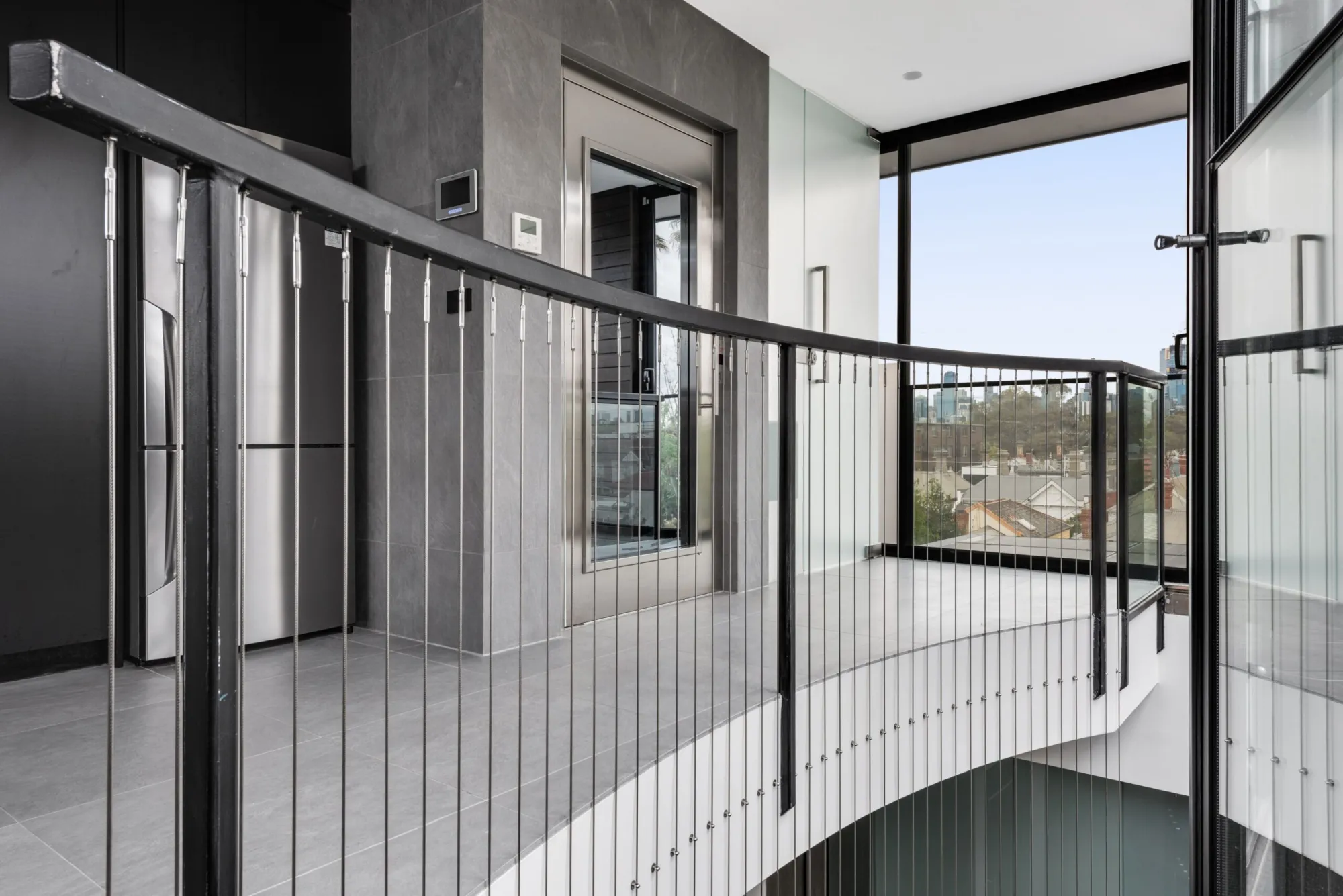

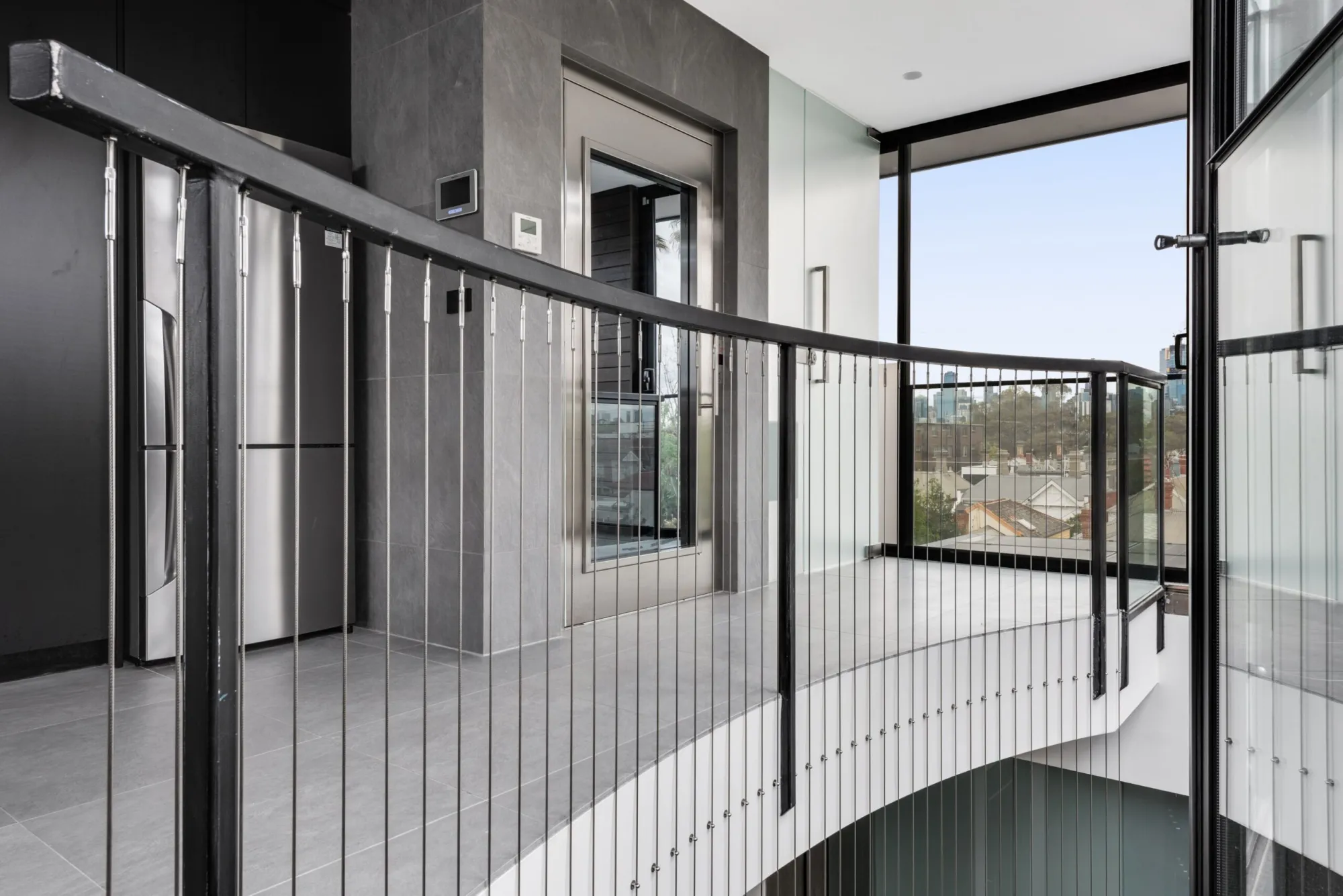
When designing modern commercial or residential spaces, architectural elements must achieve a flawless equilibrium between structural resilience and aesthetic sophistication. Specifying stainless steel handrails provides an optimal solution that offers high tensile strength, exceptional durability, and a sleek, modern profile that enhances any design. However, the success of your installation relies heavily on partnering with a dedicated stainless steel supplier who understands material science, structural engineering standards, and local compliance requirements. Navigating the choices between alloys, finishes, structural configurations, and fastening methods can be complex, making it essential to understand the material's properties before breaking ground on your next balustrade or railing installation project.
Deciphering Stainless Steel Grades: The Science of Corrosion Resistance
The longevity of a handrail installation depends on choosing the correct structural alloy grade for its specific environment. As an established stainless steel supplier, Miami Stainless fields inquiries regarding the practical distinctions between AISI Grade 304 and Grade 316 (commonly designated as marine-grade stainless steel). Grade 304 contains roughly 18% chromium and 8% nickel, making it an excellent, cost-effective choice for indoor settings or dry, inland environments where exposure to corrosive elements remains low. Conversely, Grade 316 incorporates approximately 2% molybdenum, an alloying element that significantly improves resistance to pitting and crevice corrosion caused by chloride ions, salt spray, and industrial pollutants. For coastal applications, high-traffic transit hubs, or outdoor public infrastructure, specifying marine-grade 316 is necessary to prevent surface degradation and ensure long-term structural integrity.
Navigating Compliance: Meeting Australian Standards for Handrail Systems
Beyond raw material selection, handrail systems must comply with strict national building codes and structural design regulations to ensure public safety. Within the Australian construction landscape, installations must adhere to AS/NZS 1170.1 alongside the comprehensive guidelines of the National Construction Code (NCC). These standards dictate precise geometric and performance metrics, including a minimum handrail height of 1000mm above the finished floor level for balconies or decks where the fall exceeds one meter, and a continuous, unhindered grip path along stairways. Furthermore, the complete assembly encompassing posts, rails, brackets, and anchor points must withstand specific lateral and vertical load forces, preventing catastrophic mechanical failure under heavy crowd pressure or unexpected impacts.
Essential Modular Components of a Professional Handrail Assembly
Modern architectural handrail systems have evolved past labor-intensive, on-site custom welding toward sophisticated, modular configurations that optimize installation efficiency and precision. A complete system relies on high-quality component design, where precision-engineered mechanical fittings join individual pieces seamlessly without compromising structural integrity or creating weak points prone to corrosion. When sourcing systems from a premium stainless steel supplier, identifying the primary elements required for a complete, code-compliant architectural layout is essential for ensuring precise estimation, smooth logistics, and rapid on-site assembly.
- Structural Posts and Handrail Tubes: Heavy-duty, thin-walled geometric sections available in round or square profiles that form the primary framework and load-bearing structure of the balustrade system.
- Fixed and Adjustable Handrail Brackets: Specialized mechanical connectors that support the handrail from the post or wall, featuring articulated or rigid stems to accommodate diverse stair inclines and complex architectural geometries.
- Flush Joiners and Elbow Connectors: High-precision internal sleeve connectors that join distinct pipe lengths seamlessly, allowing smooth, continuous corners and long horizontal runs without visible weld beads.
- End Caps and Domed Plugs: Protective terminators pushed or glued into exposed tube ends to seal the internal cavity from moisture ingress while eliminating sharp, hazardous edges for end users.
- Heavy-Duty Base Plates and Escutcheon Covers: Robust structural anchor plates engineered to transfer lateral loads safely into the concrete sub-floor or timber joists, concealed beneath clean decorative covers.
Architectural Finishes: Balancing Visual Design with Surface Performance
The surface finish applied to stainless steel handrails serves as both a primary design choice and a critical defense mechanism against environmental wear. Architects generally choose between a satin (brushed) finish and a mirror-polished finish, depending on the project's visual goals and environmental conditions. A satin finish, typically achieved using a 240-grit to 320-grit abrasive belt process, offers a contemporary, muted look that diffuses light and effectively hides fingerprints or minor surface scratches in high-traffic commercial environments. However, for outdoor coastal projects or marine applications, a mirror-polished finish is highly recommended; its ultra-smooth, micro-passive surface structure gives salt crystals, moisture, and airborne contaminants fewer places to grip, significantly reducing the risk of localized oxidation.
Selecting the Right Stainless Steel Supplier to Minimize Project Risk
Procuring structural components from a direct, specialized manufacturer yields distinct financial and technical advantages over generic commercial hardware sourcing strategies. While generic distributors often carry low-grade materials prone to premature failure, partnering with an established Stainless Steel Supplier ensures you receive fully traceable material test certificates (MTCs) that verify exact alloy composition, yield strengths, and compliance with global standards. By bypassing intermediary supply tiers, procurement teams can secure factory-direct wholesale pricing, consolidate bulk architectural hardware orders, and access specialized technical consulting. This comprehensive engineering oversight minimizes structural re-work, eliminates component mismatches during field installation, and ensures long-term lifecycle savings by reducing ongoing maintenance and replacement expenses.
Proactive Mitigation: Eliminating Tea Staining on Coastal Outdoor Installations
Despite its name, stainless steel can develop surface discoloration known as "tea staining" if it is not properly specified, finished, or maintained in aggressive marine environments. Tea staining occurs when surface contaminants like salt crystals or industrial soot trap moisture against the steel, hindering the natural formation of its protective chromium oxide passive layer and causing localized surface rust. To maintain a pristine aesthetic and prevent long-term material degradation, developers must implement targeted chemical passivation steps alongside routine maintenance programs tailored to the project's environmental exposure zone.
- Regular Fresh Water Rinsing: Establish a routine cleaning schedule to wash away accumulated atmospheric salts and industrial grime, matching the local environmental exposure levels.
- Avoid Carbon Steel Tools: Ensure installation teams use dedicated stainless steel tools to prevent cross-contamination from embedded iron particles, which can trigger rapid galvanic corrosion.
- Apply Organic Acid Formulations: Use specialized phosphor-based or citric-based cleaning gels designed to lift surface oxides and rejuvenate the underlying passive layer without etching the metal finish.
- Follow the Structural Grain: Instruct cleaning crews to always wipe and polish parallel to the original directional satin finish lines to avoid creating micro-scratches that can collect corrosive debris.
- Deploy Protective Passivating Sealers: Apply specialized hydrophobic surface sealants immediately after final assembly to provide an invisible barrier that repels water and airborne salt deposits.
Conclusion
Selecting the ideal stainless steel handrails involves balancing material chemistry, engineering compliance, architectural finishes, and modular hardware configurations. By specifying premium grade 316 marine alloys, adhering closely to Australian structural codes, and choosing the appropriate architectural finish, designers ensure their handrail installations deliver lifetime performance, exceptional safety, and enduring visual appeal. Partnering with a specialized supplier guarantees absolute material traceability, reliable structural performance, and dedicated engineering support from initial blueprinting through final on-site handrail installation. Contact the technical engineering experts at Miami Stainless today to request a comprehensive product catalog, receive factory-direct wholesale pricing, or obtain an accurate, itemized take-off quote for your upcoming commercial or residential installation.
Frequently Asked Questions
What is the primary difference between Grade 304 and Grade 316 stainless steel handrails?
The core difference lies in their chemical composition: Grade 316 contains roughly 2% molybdenum, an element missing from Grade 304. This chemical addition significantly improves Grade 316's resistance to pitting, crevice corrosion, and surface tea staining caused by ambient chlorides, making it the required choice for outdoor coastal environments. Grade 304 remains highly effective and cost-efficient for controlled indoor architectural applications away from marine influences.
What is the legally required height for a residential balcony handrail under Australian building regulations?
According to the National Construction Code (NCC) and AS/NZS 1170.1 standards, any balcony, deck, or trafficable platform where the potential fall distance to the surface below exceeds one meter must feature a continuous balustrade or handrail system measuring a minimum height of 1000mm (1 meter) from the finished floor level. If the fall distance exceeds four meters, the balustrade must also feature no climbable horizontal elements between 150mm and 760mm from the floor.
Can modular stainless steel handrail components be installed without on-site welding?
Yes, modern modular handrail components are specifically engineered for weld-free installation. They utilize heavy-duty internal flush joiners, mechanical friction fitments, blind rivet nuts, and specialized high-strength structural epoxies to connect sections securely. This modular methodology eliminates the need for specialized on-site hot work permits, prevents heat tint discoloration on pre-polished surfaces, and significantly shortens overall project completion timelines.
How frequently do outdoor stainless steel handrails require cleaning to prevent tea staining?
The required cleaning frequency depends on the installation's proximity to corrosive elements like saltwater or industrial corridors. For installations within a few hundred meters of a breaking surf beach, monthly fresh-water washdowns are highly recommended to prevent salt crusting. For urban settings or inland environments located more than five kilometers from the ocean, a quarterly or semi-annual maintenance cycle is usually sufficient to preserve the protective passive layer.
What causes stainless steel handrails to exhibit magnetic attraction?
While raw austenitic stainless steels like Grades 304 and 316 are completely non-magnetic in their annealed raw state, they can develop mild magnetic properties during manufacturing and fabrication. Cold working processes such as tube drawing, section bending, roll threading, or deep stamping alter the material's microcrystalline lattice structure, transforming some austenite into martensite. This localized structural transformation introduces a slight magnetic pull but does not compromise the handrail's inherent corrosion resistance.




























Sign in to leave a comment.