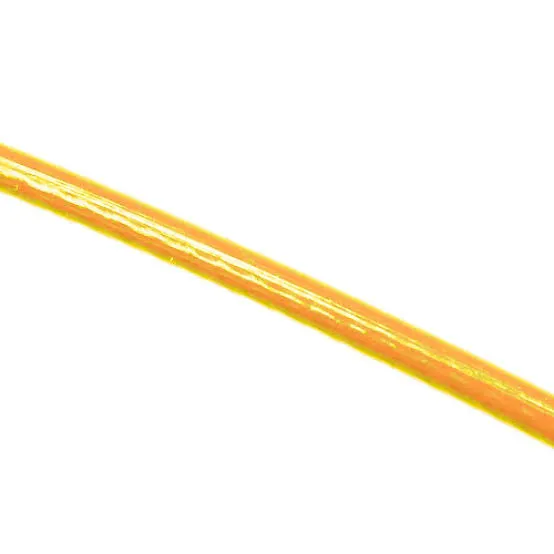

Choosing the right rigging or balustrade materials can make or break a project, particularly under the harsh Australian sun and demanding coastal conditions. Builders, architects, and homeowners alike face the constant challenge of finding materials that offer absolute structural integrity while maintaining a sleek, modern aesthetic. The 3.2mm wire rope strikes the perfect balance between tensile strength, physical flexibility, and visual appeal, making it a staple across both residential and commercial sites.
Whether you are constructing a coastal timber deck, securing heavy shade sails over a community pool, or finalising an architectural green wall, relying on high-quality materials prevents premature corrosion and costly structural replacements. Selecting the correct grade and construction of cable ensures longevity, even in salt-laden marine environments where inferior metals quickly degrade. For fabricators and builders who need consistent, reliable quality, partnering with dedicated trade stainless supplies guarantees that every swage, turnbuckle, and metre of cable performs precisely as engineered. This comprehensive guide breaks down everything you need to know about specifying, installing, and maintaining this highly versatile product to achieve professional, compliant, and long-lasting results.
Selecting the Right 3.2mm wire rope Construction
The internal structure of the cable directly influences its mechanical flexibility, breaking strain, and overall suitability for different tasks. For the vast majority of architectural, landscaping, and marine applications across Australia, stainless steel cable is manufactured in three distinct configurations: 1x19, 7x7, and 7x19.
The 1x19 structure consists of a single solid strand made up of 19 individual wires. This formation makes the cable highly rigid and exceptionally resistant to stretching under load. Because of its minimal elongation, 1x19 is the recognised industry standard for straight runs in horizontal balustrading. Conversely, the 7x7 and 7x19 variations are constructed from multiple smaller strands woven together, offering significantly greater flexibility. This allows the cable to wrap neatly around thimbles or navigate tight angles without kinking or snapping. Builders dealing with complex rigging setups, balustrades with sharp corners, or heavy-duty marine applications typically opt for these pliable alternatives. By carefully matching the wire's structural construction to the specific physical demands of the project, contractors can guarantee maximum tension retention and complete safety over the entire lifespan of the installation.
Navigating Australian Weather with 316 Marine Grade Stainless Steel
Australia boasts a notoriously unforgiving climate that constantly tests the limits of exterior building products. From the humid, salt-heavy breezes of coastal Queensland to the abrasive winds of the southern coastlines, exposed metals endure unrelenting environmental stress. Lower-grade alloys degrade rapidly under these harsh conditions, leading to unsightly brown surface rust known as tea staining, and eventually, dangerous structural weakening.
To combat this aggressive natural environment, industry professionals strictly utilise 316 marine grade stainless steel. This specific premium alloy contains molybdenum, a crucial chemical element that significantly boosts the metal's natural resistance to the corrosive chlorides found heavily in sea spray and swimming pool chemicals. Investing in genuine marine-grade products means your property installations remain secure, compliant, and visually pristine for decades, requiring only minimal upkeep. While using cheaper, inferior grades of steel might seem like an appealing upfront saving, the inevitable onset of rust and the subsequent labour-intensive replacement costs will quickly negate any initial financial benefit.
Essential Applications Across Residential and Commercial Projects
The sheer versatility of the 3.2mm wire rope allows it to integrate seamlessly into a massive variety of construction, landscaping, and architectural projects. Its exceptionally high tensile strength, combined with a slim, minimalist profile, ensures it does not unnecessarily obstruct scenic views. This low-profile strength is highly sought after in modern Australian housing design. From high-traffic commercial zones requiring robust safety barriers to private backyard renovations aiming for a modern touch, the practical applications are incredibly extensive.
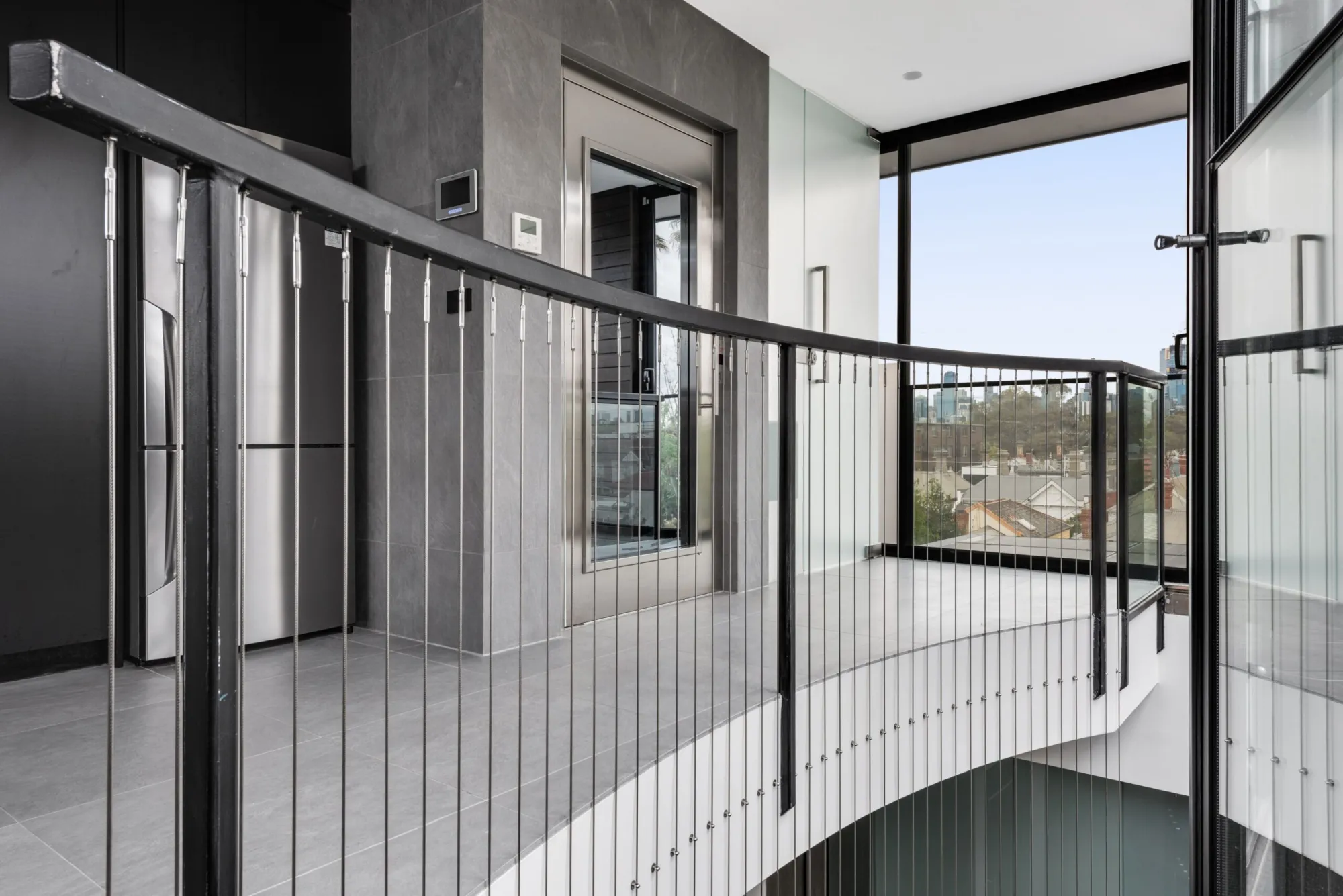
- Deck and Balcony Balustrading: Provides a sleek, unencumbered view for coastal properties and elevated homes while strictly adhering to rigorous Australian building codes.
- Architectural Green Walls: Acts as a highly durable, rust-resistant vertical framework for climbing plants in modern residential and commercial landscape designs.
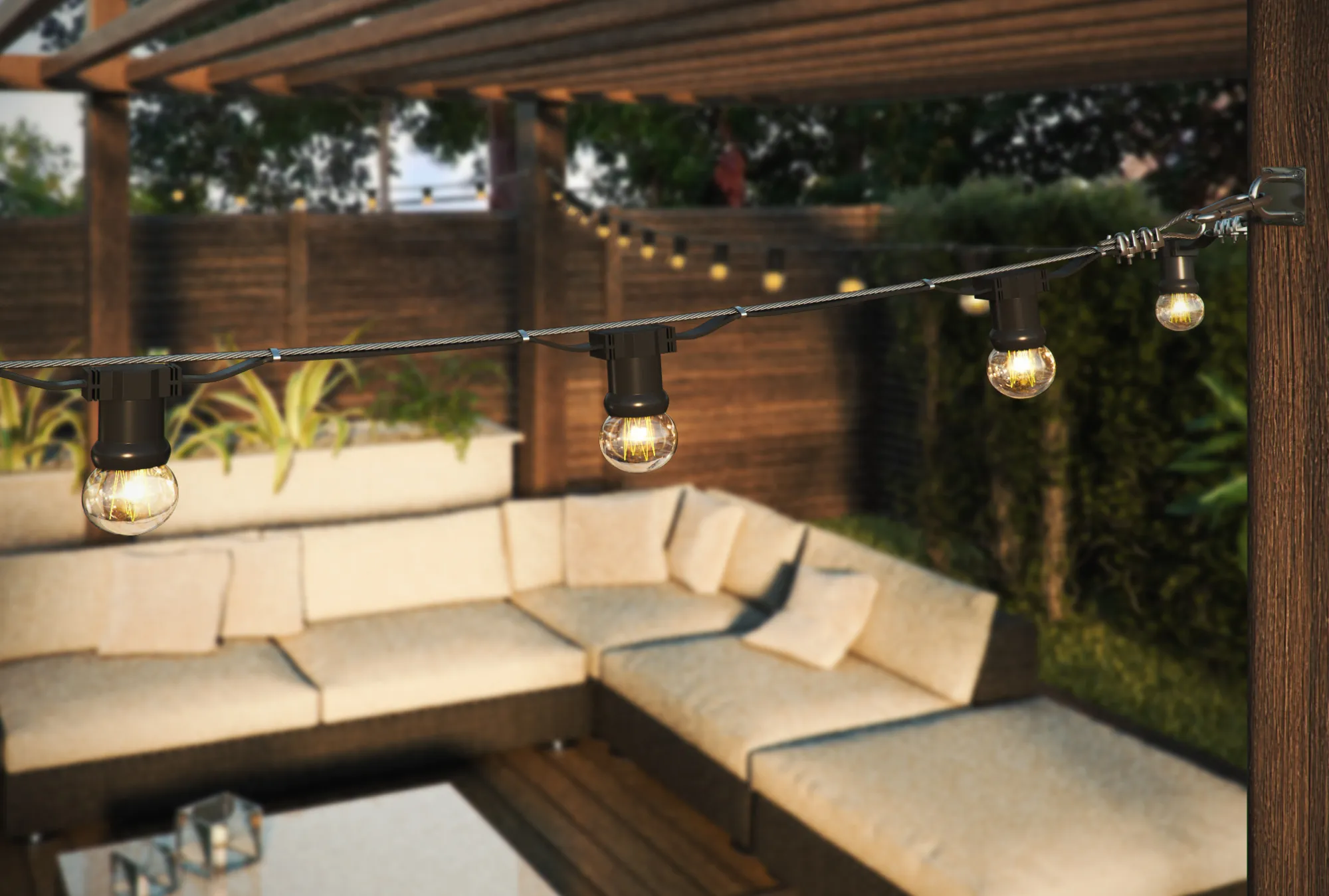
- Shade Sail Rigging: Offers the precise tension and weather resistance necessary to securely anchor heavy outdoor shade fabrics against strong coastal winds.
- Marine and Boating Rigging: Easily withstands constant saltwater exposure and harsh marine environments when used for lifelines, stays, and general boat architecture.
- Suspended Commercial Signage: Delivers a secure, industrial-chic hanging solution for retail spaces, galleries, and large outdoor entertainment precincts.
Partnering with Reliable Trade stainless supplies
Sourcing premium construction materials directly impacts both the safety and long-term profitability of any building or fabrication project. Inconsistent cable diameters, poor surface finishing, or substandard alloy compositions can lead to catastrophic hardware failures during the tensioning process. This is precisely why experienced professionals actively seek out established trade stainless supplies to fulfill their complete hardware inventory needs.
A reputable, specialised supplier does much more than just sell metal; they provide crucial material certifications, guarantee batch consistency, and offer expert technical support when complex project challenges arise. They deeply understand Australian building regulations and meticulously ensure their stock complies with all local structural requirements. By establishing a strong, ongoing relationship with a dedicated stainless specialist, business owners, architects, and contractors can streamline their entire procurement process. This reduces frustrating on-site delays, minimises wasted labour, and ultimately guarantees that the finished product accurately reflects their professional commitment to top-tier quality craftsmanship.
Maintenance Strategies for Maximum Durability
Even the highest quality marine-grade stainless steel requires basic, periodic maintenance to permanently retain its structural integrity and highly polished finish. Over time, atmospheric contaminants, urban pollution, dirt, and airborne coastal salts settle heavily on the exposed surface of the wire. If left uncleaned, these microscopic particles can slowly breach the metal's passive protective chromium oxide layer, leading to surface discolouration.
Implementing a regular cleaning schedule is a straightforward process that drastically extends the pristine lifespan of your installation. Washing the cables with warm water, a mild pH-neutral detergent, and a soft cloth every three to six months is usually more than sufficient for standard residential areas. However, for properties located within five kilometres of the coastline or immediately adjacent to chlorinated swimming pools, this cleaning frequency should ideally increase to once a month. Applying a specialised stainless steel passivating polish immediately after cleaning adds an incredibly robust extra layer of chemical protection against harsh external environmental factors.
Common Installation Mistakes to Avoid
Proper, methodical installation is just as critical to project success as the quality of the raw materials used. Many ambitious DIY enthusiasts, and occasionally even experienced tradespeople, fall into predictable traps that severely compromise the safety and tension of their cable systems. Using the incorrect crimping tools, mismatching hardware fittings, or misunderstanding structural tensioning limits can easily lead to sagging wires or broken terminal swages. Ensuring precise, careful execution prevents costly rework and ensures the structural system easily passes stringent council building inspections.
- Mixing Incompatible Metals: Combining galvanised steel, zinc, or aluminium fittings with stainless steel wire inevitably causes rapid galvanic corrosion, quickly destroying the hardware.
- Incorrect Swaging Techniques: Using the wrong sized swaging tool, or applying insufficient crimp pressure, consistently leads to cables dangerously slipping out of their terminals under heavy load.
- Over-Tensioning the Cables: Forcing excessive tension stresses the main anchor posts, potentially bowing timber uprights or aggressively pulling chemical fixings out of solid masonry.
- Ignoring Local Building Codes: Failing to space horizontal wires correctly, or ignoring maximum post span regulations, results in non-compliant, unsafe barriers that fail the National Construction Code requirements.
- Choosing the Wrong Flexibility: Using highly flexible 7x19 wire for straight balustrade runs instead of 1x19 can result in unwanted cable stretching and visible sagging over time.
Frequently Asked Questions
What is the breaking strain of a standard 3.2mm stainless steel cable?
The total breaking strain varies slightly depending on the specific internal construction of the cable. A rigid 1x19 strand typically boasts a breaking strain of approximately 800kg to 850kg, making it incredibly strong and stable for balustrade tensioning. The more flexible 7x7 and 7x19 variants possess slightly lower breaking strains, usually ranging around 700kg to 750kg. Despite this slight reduction, they remain more than structurally adequate for the vast majority of architectural and landscaping applications.
Can I cut stainless steel wire rope myself?
Yes, you can cut the wire yourself on-site, but you must strictly use specialised parrot-beak wire rope cutters. Attempting to use standard hardware pliers, hacksaws, or heavy bolt cutters will crush the outer strands, causing the wire ends to fray outwards. Once frayed, it becomes virtually impossible to insert the cable cleanly into tight swage fittings. Clean, uncrushed cuts are essential for a safe finish.
How far apart should my balustrade posts be?
For a standard horizontal wire balustrade system, Australian building regulations generally require a maximum post spacing of 1200mm to 1500mm. This strict spacing prevents the tensioned wires from spreading beyond the allowable 125mm gap when physical pressure is applied. If your main structural anchor posts are positioned further apart than this, you will need to install intermediate dropper posts to maintain compliance and safety.
Is 304 grade stainless steel suitable for outdoor use?
While 304 grade is rust-resistant and highly suitable for indoor applications or very dry environments, it is strongly not recommended for general exterior use in Australia. The harsh ultraviolet sun, high humidity, and widespread coastal proximity absolutely require the superior chemical corrosion resistance of 316 marine-grade stainless steel to effectively prevent tea staining and structural degradation.
Do I need professional swaging tools for installation?
If you are using heavy-duty hydraulic swage fittings, you will definitely need access to a dedicated hydraulic press tool. However, for smaller residential jobs, you can utilise hand-swage fittings that only require a manual, lever-action crimping tool. Alternatively, you can simplify the process by purchasing pre-swaged wires directly from your supplier, or opt for mechanical, swageless fittings that only require basic hand spanners to lock securely into place.
Conclusion
Securing the structural integrity and long-lasting visual appeal of your next building project relies heavily on choosing the correct foundational materials. The 3.2mm wire rope remains the highly reliable choice for Australian builders, landscapers, and DIY renovators who demand a perfect, uncompromised blend of physical strength, modern aesthetics, and exceptional longevity. By strictly insisting on 316 marine-grade steel, you proactively safeguard your valuable installations against the punishing coastal climates and ensure many years of safe, virtually maintenance-free performance. Whether you are executing a simple backyard deck upgrade or managing a large-scale commercial architectural fit-out, sourcing your materials through reputable trade stainless supplies is the smartest operational decision you can make. Premium products, when combined with the right hardware fittings and proper installation techniques, guarantee an exceptional finish that strictly complies with all rigorous Australian safety standards.
























Sign in to leave a comment.