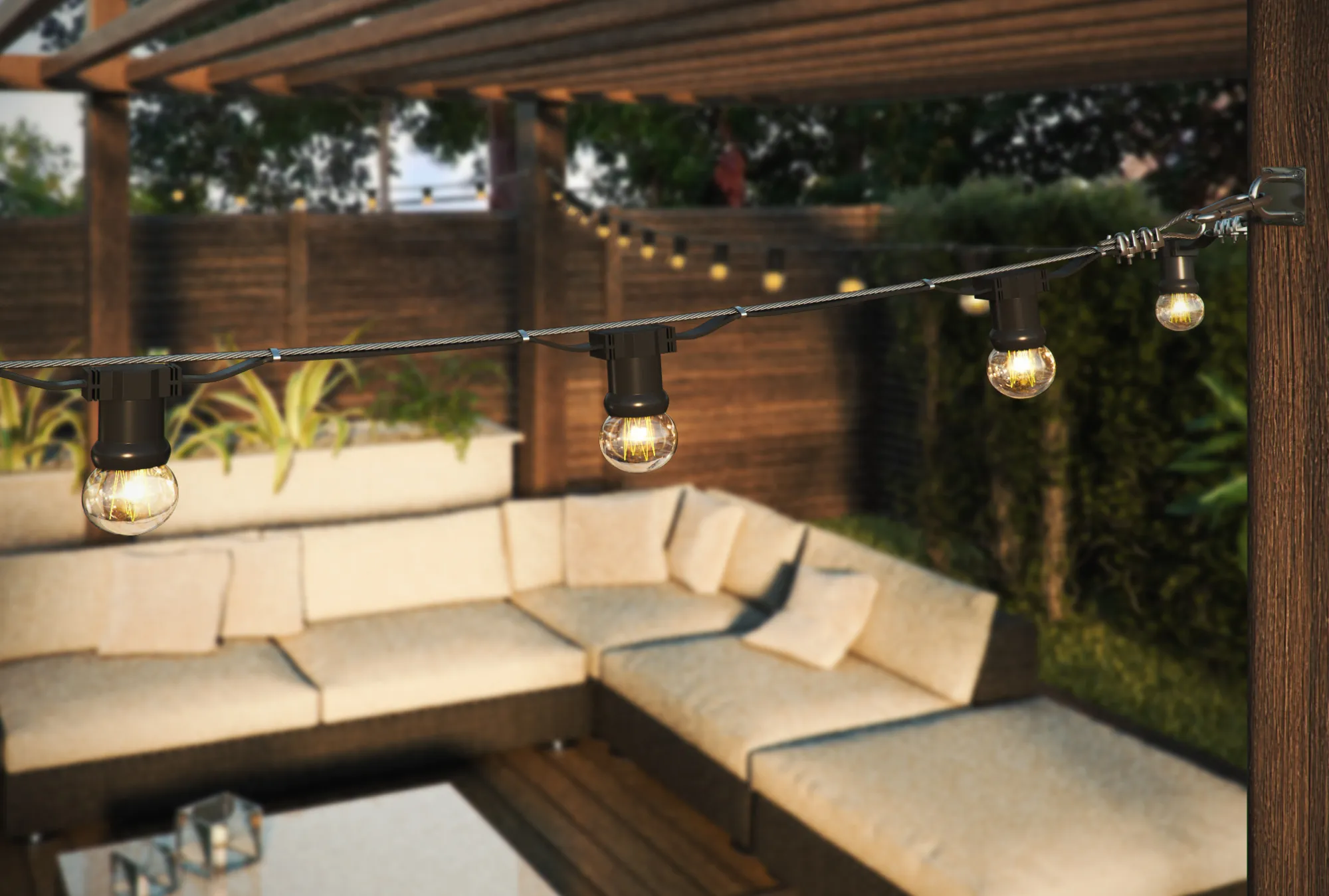

Catenary lighting has transformed how architects, builders, and landscape designers illuminate open spaces. Instead of relying on bulky, intrusive ground poles, this suspension method uses tensioned wire cables to hang lights effortlessly over courtyards, beer gardens, and outdoor dining precincts. However, suspending heavy commercial light fixtures across wide spans requires serious structural integrity. Selecting the right Outdoor catenary lighting hardware ensures your installation remains safely tensioned, legally compliant, and visually stunning, even against harsh Australian coastal winds.
Understanding the mechanics of catenary suspension
At its core, a catenary system relies on a primary load-bearing wire rope stretched between two or more structural anchors. The term itself refers to the natural curve a cable forms under its own weight. When you add heavy festoon lighting, architectural pendants, or custom lanterns, the downward force increases significantly. To counteract this weight and prevent dangerous sagging or structural failure, the hardware holding the cable must be engineered to handle immense tension. This is where high-tensile steel fittings become critical for maintaining the specific engineered curve and structural safety of the overhead grid.
Why marine-grade stainless steel is non-negotiable
Australian weather is notoriously punishing on exterior building materials. Between intense ultraviolet radiation, torrential rain, and corrosive coastal salt spray, standard metal fittings degrade rapidly. For overhead lighting systems, rust is not just an aesthetic issue; it is a critical safety hazard. That is why specifying Grade 316 stainless steel for all tensioning hardware and wire ropes is essential. The added molybdenum in Grade 316 provides superior resistance to chloride corrosion, ensuring your overhead cables and anchors do not snap or degrade when exposed to the elements, keeping patrons and property entirely safe below.
Essential hardware components for a secure overhead system
Building a safe and reliable suspended lighting grid requires more than just standard wire and a few wall hooks. A professional installation relies on a cohesive system of engineered fittings working together to distribute weight and tension evenly. Sourcing properly rated hardware guarantees the system can handle dynamic wind loads and the static weight of the electrical fixtures without pulling anchors out of the masonry.
- High-tensile wire rope: The backbone of the system, typically a 7x7 or 1x19 wire construction, chosen for maximum breaking strain and minimal stretch over long distances.
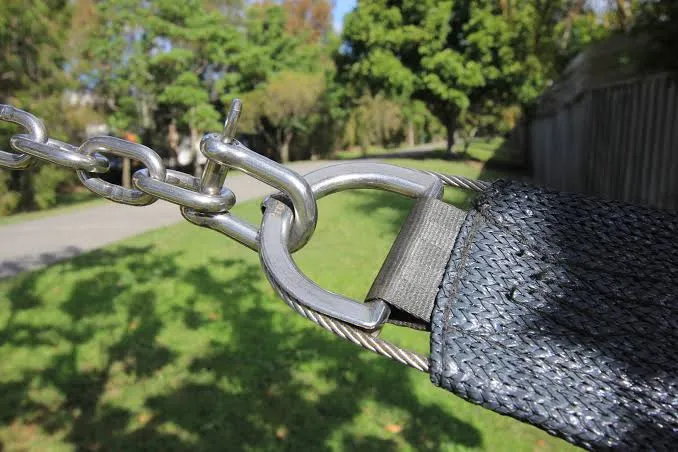
- Turnbuckles and rigging screws: Essential mechanical devices used for meticulously adjusting the tension and removing excess slack from the wire rope after the initial installation.
- Wall plates and eye pads: Heavy-duty anchor points that physically bolt into the structural substrate, transferring the massive lateral load safely into the building framework.
- Thimbles and swage ferrules: Components used to create strong, secure loops at the end of the wire rope, preventing the cable from fraying or snapping under high friction at the anchor points.
- Wire rope grips: Mechanical clamps used to temporarily or permanently secure looped wire, especially useful for safely adjusting festoon lighting drop lengths on site.
The importance of sourcing reliable trade stainless supplies
For builders, electricians, and commercial landscape contractors, project delays caused by inferior materials or missing components eat directly into profit margins. Partnering with a reputable distributor for your Trade stainless supplies ensures you have immediate access to batch-tested, structurally rated hardware. Buying bulk, high-quality fittings from a specialised supplier means you avoid the inconsistencies and weak load ratings of standard hardware store products. It also provides the added advantage of expert technical support, ensuring you order the precise breaking strains, thread sizes, and load-rated anchors required for your specific site engineering plans.
Engineering for wind loads and structural tension
Suspending a cable across a twenty-metre outdoor dining precinct creates a massive sail effect during heavy storms. The wind load placed on the suspended lights transfers directly back to the anchoring hardware and the building's facade. You cannot simply bolt a wall plate into standard brick veneer or hollow timber framing and expect it to hold. Every anchor point must be mechanically fixed into a solid structural substrate, such as a concrete slab, structural steel beam, or core-filled blockwork. Consulting with a structural engineer helps determine the exact pull-out forces your fixings need to withstand.
Aesthetic benefits for commercial and residential applications
Beyond the technical engineering, suspended lighting systems offer unmatched architectural flexibility. By removing the need for ground-level poles, you free up valuable floor space in tight residential courtyards and maximise seating capacity in commercial hospitality venues. The thin cables become virtually invisible against the night sky, creating a floating canopy of light that feels unobtrusive and clean. This minimalist approach complements both heritage architecture and ultra-modern exterior designs, allowing the lighting itself to become the focal point rather than the supporting infrastructure.
Best practices for installation and long-term maintenance
A successful installation requires careful planning, precise measurements, and strict adherence to structural safety guidelines. Even the highest-grade materials can fail if installed incorrectly or neglected over time. Implementing proper installation techniques from day one prevents costly rework, while a basic maintenance routine ensures the hardware retains its structural integrity and visual appeal against harsh environmental pollutants.
- Verify structural substrates: Always confirm your anchor points are fixed into solid, load-bearing materials using heavy-duty chemical anchors or mechanical masonry bolts.
- Use professional swaging tools: Ensure all wire rope terminations are pressed using a hydraulic swage tool to guarantee maximum grip and prevent cable slippage under heavy loads.
- Do not over-tension the wire: Leave a calculated amount of sag in the cable; pulling the line completely straight exponentially increases the lateral force acting on your wall anchors.
- Avoid dissimilar metals: Ensure all screws, bolts, and mounting plates are made from the same grade of steel to prevent galvanic corrosion from destroying the connection.
- Wash hardware regularly: Clean all turnbuckles and wire ropes with fresh water and mild detergent every few months to remove abrasive coastal salt and urban dust build-up.
Frequently Asked Questions
1. What exactly is catenary lighting? It is a method of suspending light fixtures, such as festoons or architectural pendants, from a tensioned overhead wire rope strung between structural anchor points, eliminating the need for supportive ground poles.
2. Can I use Grade 304 steel for my outdoor lighting setup? It is highly recommended to avoid Grade 304 for exterior applications in Australia. Grade 316 marine-grade steel contains molybdenum, which prevents tea staining and structural rust caused by coastal air and rain.
3. How far can I span a suspended cable? The maximum span depends entirely on the thickness of the wire, the weight of the lights, and the strength of the structural anchors. Large commercial spans often require calculating wind loads and must be specified by a structural engineer.
4. Do I need a structural engineer for a residential backyard setup? For short spans with lightweight festoon lights attaching to solid timber or brick, standard load-rated hardware is usually sufficient. However, if you are spanning large distances or tying into unknown substrates, consulting an engineer ensures absolute safety.
5. How do I adjust the tension if the wire sags over time? By incorporating stainless steel turnbuckles or rigging screws into the ends of your cable system, you can easily tighten the wire by rotating the central body of the fitting, bringing the tension back to the required level.
Conclusion
Executing a flawless suspended lighting project requires much more than simply stringing up a wire. It demands precision engineering, load-bearing structural anchors, and materials that can withstand the punishing reality of the Australian climate. By specifying marine-grade steel and understanding the mechanics of weight distribution and wind loads, builders and homeowners can create stunning, floating light canopies that are entirely safe and compliant. Sourcing high-quality components from a dedicated supplier ensures your installation remains secure, tensioned, and visually pristine for decades without requiring costly maintenance or replacement. Miami Stainless is Australia’s leading supplier of premium architectural hardware and rigging components. Whether you are searching for robust Trade stainless supplies for a large commercial fit-out or need specific advice on Outdoor catenary lighting hardware for a residential courtyard, our expert team is ready to help. Browse our extensive range of load-rated wire ropes, turnbuckles, and heavy-duty anchors online, or contact us today to secure the right hardware for your next project.






















Sign in to leave a comment.