

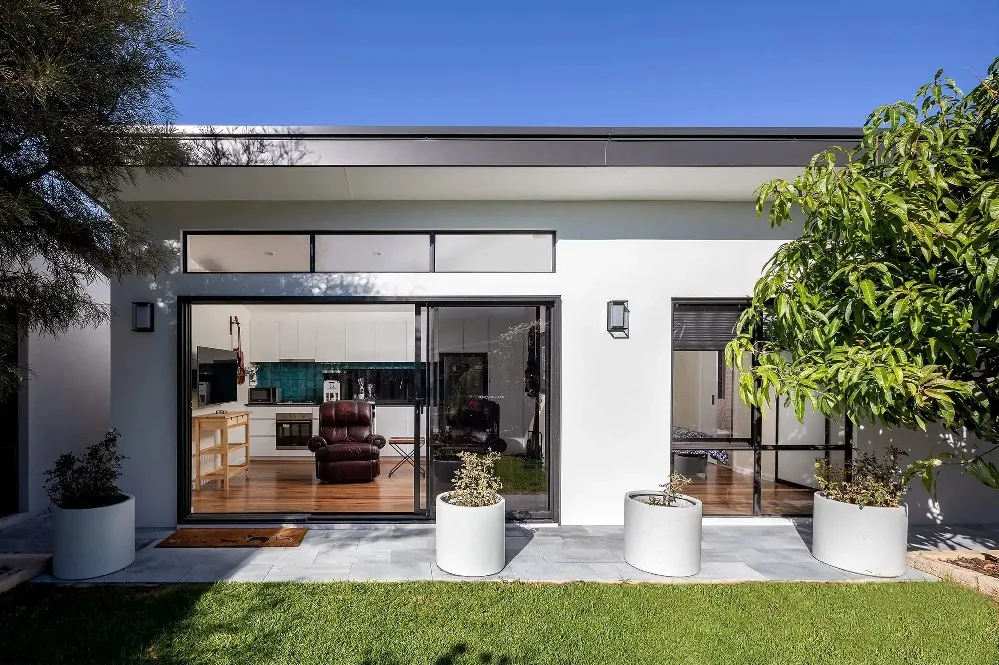
In modern residential decking, commercial balcony enclosures, and staircase renovations, balancing panoramic visibility with uncompromised structural security is essential. Across contemporary exterior architecture, traditional solid panels and bulky timber frames are being replaced by high-tension marine-grade wire assemblies that resist severe coastal weathering while maintaining sleek sightlines. Choosing certified wire balustrade supplies from a trusted stainless steel supplier ensures that every run, fitting, and anchor post satisfies strict national building codes, delivers reliable load distribution, and stands up to environmental degradation over decades of service.
The Structural Mechanics of High-Tension Wire Balustrades
High-tension wire barriers rely on tensile physics to create safe perimeters without adding excessive dead weight to timber or steel sub-structures. When stainless steel wire rope is drawn taut between structural end posts using specialized turnbuckles or streamline tensioners, it forms a rigid protective boundary capable of absorbing sudden impact loads. Unlike glass balustrades that trap heat, collect wind-driven debris, and demand constant cleaning, open stainless wire assemblies permit natural airflow, drastically reduce wind pressure on outdoor decks, and preserve unobstructed outdoor views.
Selecting the Right Alloy: Grade 304 vs. Marine Grade 316
Material selection is the single most important factor determining whether an exterior balustrade maintains its structural integrity or succumbs to premature pitting and oxidation. While Grade 304 stainless steel functions well for dry internal staircases, exterior decks, poolsides, and coastal zones require marine-grade AISI 316 stainless steel. The addition of molybdenum in Grade 316 significantly bolsters resistance to airborne chlorides, salt spray, and moisture traps, forming a durable chromium oxide barrier that resists cosmetic tea-staining and micro-corrosion under sustained atmospheric exposure.
Essential Components for a Fully Compliant Wire System
Building a dependable wire balustrade requires pairing compatible components engineered to maintain uniform tension without slipping or galling under daily dynamic loads.
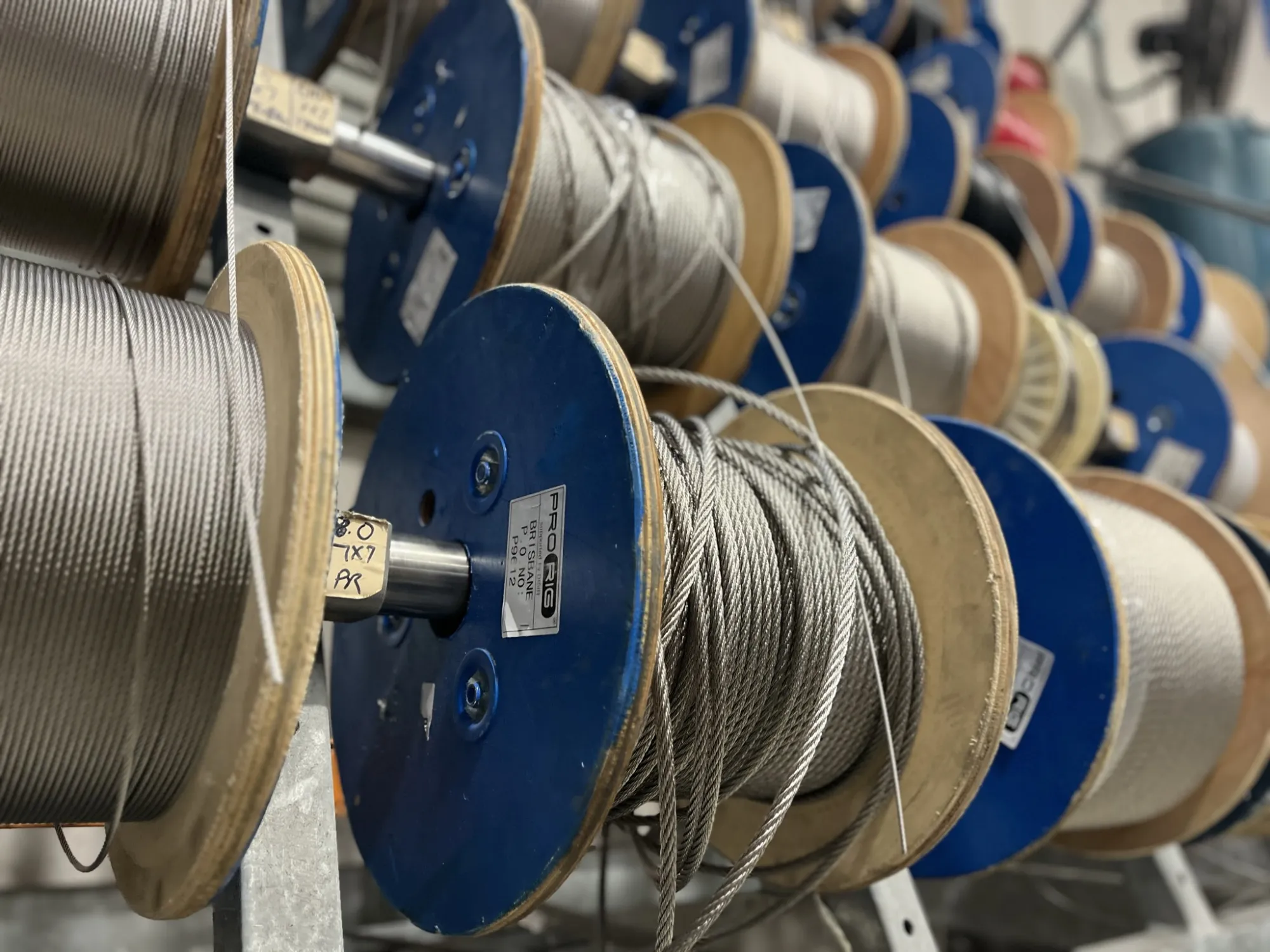
- 1x19 Strand Wire Rope: The gold standard for straight runs, offering ultra-low structural stretch, maximum breaking strain, and a smooth profile that resists snagging.
- Hydraulic Swage Studs: Factory-pressed or on-site hydraulically swaged threaded ends that lock onto wire strands with maximum pull-out resistance.
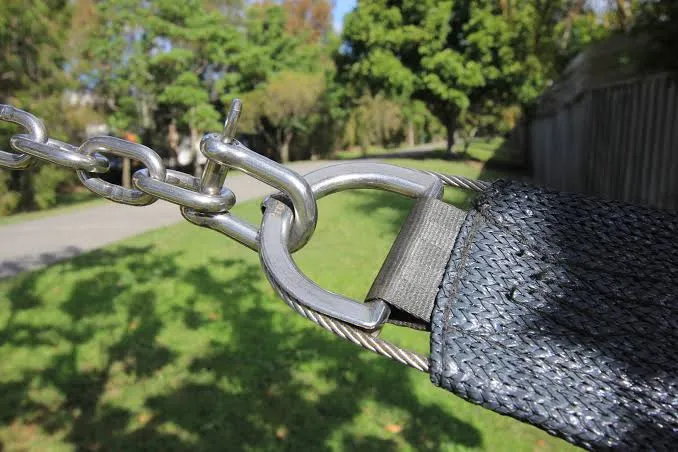
- Streamline Tensioners and Bottlescrews: Compact mechanical tensioning devices that conceal thread runs within posts, delivering clean aesthetics while providing precise micro-adjustments.
- Intermediate Dropper Posts: Mid-span vertical supports spaced at regular intervals to prevent horizontal wire deflection under lateral pressure.
- Protective UV-Stabilized Grommets: Heavy-duty nylon or EPDM inserts that isolate stainless wires from timber or metal posts, stopping friction wear and preventing water ingress.
The Advantage of Sourcing Through a Dedicated Stainless Steel Supplier
Partnering directly with a specialized trade distributor provides structural fabricators and homeowners with high-tensile materials, certified batch testing, and tailored technical support. Unlike generic hardware outlets that stock inconsistent import lines, an established stainless steel supplier guarantees true metallurgical compliance, provides pre-swaged custom-cut wire packs, and maintains comprehensive inventory across specialised fittings. Sourcing through reliable trade supply channels prevents mismatched hardware threads, eliminates project delays, and ensures all components integrate cleanly on site.
Adhering to Building Codes and Fall-Prevention Regulations
To comply with the National Construction Code (NCC) and standard safety regulations, wire balustrades must prevent the passage of a 125mm rigid sphere through any opening under sustained physical load. Installers must carefully calculate wire tension, post spacing, and vertical wire intervals to eliminate climbability on decks with a fall height greater than 4 metres. Using calibrated tension gauges to verify tension parameters ensures that horizontal wire runs resist manual spreading and comfortably pass local council building inspections.
Best Practices for Post Anchoring, Swaging, and Maintenance
Ensuring long-term stability and a showroom finish requires meticulous attention to substrate fastening, swage quality, and ongoing surface passivation. End posts must be bolted securely into deck joists or concrete slabs to prevent inward bowing once multiple wire lines are fully tensioned. Applying anti-seize lubricants on all threaded fittings, avoiding cross-contamination from carbon steel tools, and conducting periodic freshwater washdowns preserves the stainless finish and keeps tension mechanisms freely adjustable over the installation's operational lifespan.
- Rigid End-Post Bracing: Secure corner and terminating posts with heavy-duty structural coach screws or chemical masonry anchors to counteract cumulative horizontal tension loads.
- Calibrated Swage Verification: Inspect compressed swage fittings using go/no-go gauges post-crimping to confirm proper metallurgical compaction and mechanical grip.
- Dissimilar Metal Isolation: Place non-conductive isolation gaskets and nylon washers between stainless fittings and aluminium posts to prevent galvanic corrosion.
- Pre-Lubrication of Fasteners: Apply nickel-based anti-seize paste to all stainless male and female threads prior to final tightening to eliminate thread galling.
- Routine Passive Layer Rinsing: Schedule regular washdowns with warm water, mild soap, and a protective sealant to clear airborne salt deposits and maintain the protective passive film.
Conclusion
Creating a safe, modern, and long-lasting balustrade requires hardware engineered to strict tolerances, premium alloys, and proper tensioning protocols. Sourcing factory-tested fittings and marine-grade wire rope ensures your residential or commercial project delivers clean sightlines and proven structural safety for years to come.
For certified components, ready-to-install custom wire packs, and comprehensive trade hardware, explore the full product range at Miami Stainless to start your project with confidence.
Frequently Asked Questions
What wire diameter is recommended for residential wire balustrades?
For standard residential decks, balconies, and staircases, 3.2mm (1/8") diameter Grade 316 stainless steel wire in a 1x19 construction is the industry standard. It provides an optimal balance of high breaking strength, minimal stretch, and a clean, unobtrusive visual profile.
How do I stop horizontal balustrade wires from sagging over time?
Sagging is prevented by using low-stretch 1x19 strand wire rope, keeping intermediate post spans under 1.2 to 1.5 metres, and tensioning each run to manufacturer-specified loads using a calibrated tension gauge. Annual turnbuckle checks ensure minor settling in timber posts is quickly corrected.
Can wire balustrades be installed on balconies over 4 metres high?
Yes, but specific non-climbability rules apply. In many regions, if the fall height exceeds 4 metres, horizontal wire balustrades may not be permitted if they create a ladder effect. In these applications, vertical wire systems or continuous non-climbable barriers are used to meet safety regulations.
What is the purpose of using anti-seize lubricant on stainless steel threads?
Stainless steel is prone to “galling” a cold-welding phenomenon caused by surface friction during tightening. Applying high-grade anti-seize lubricant prevents friction heat, protects the thread profile, and ensures fittings can be adjusted or dismantled without seizing.
How often should exterior stainless steel wire balustrading be cleaned?
In standard suburban settings, washing the balustrade down with fresh water and mild soap twice a year is sufficient. For coastal or poolside environments exposed to salt spray and atmospheric chlorides, cleaning every 4 to 8 weeks helps prevent surface tea-staining and preserves the alloy's protective finish.

























Sign in to leave a comment.