

Most basement problems don't come from bad work. They come from steps that got skipped. A crack nobody checked. A bedroom with no proper window. A permit that never got pulled. When embarking on the Basement Development Calgary project, one of the best tools that you should have at your disposal is a checklist. This will ensure that you are well organized, that you ask the right questions and don’t pay twice to correct mistakes.
Below is a comprehensive checklist for you to follow through the entire process.
Step 1: Get Clear on What You Want
Before you make any calls, spend some time thinking about what you want to do.
- Make a list detailing what you will be using the space for: family room, guest room, office, gym, or suite
- Think about how the next 5 to 10 years might go as well
- Divide your list into things that you "need" vs things that you "want"
- Collect pictures of basements that you like
Why is this important? It allows for easy comparisons and helps avoid changes that will increase costs.
Step 2: Set a Realistic Budget
- Decide on a total amount you're comfortable with
- Set aside 10 to 15 percent for surprises
- Decide how you'll pay for it
- Rank your wish list so you know what to cut if costs go up
Older homes often have hidden issues like old wiring or small leaks. The extra buffer keeps those from wrecking your budget.
Step 3: Check Your Basement for Problems
This is the step people most often rush. Don't.
Water and Moisture
- Look for cracks in the walls and floor
- Look for signs of staining, white powder on the concrete, or musty odor
- Ensure that the downspouts divert water several feet away from the structure
- Check that the ground outside slopes away from your home
- Test your sump pump, if you have one
Radon
Radon is a natural gas that comes up from the ground. You can't see or smell it, and many Calgary homes have levels above Health Canada's guideline.
- Do a long-term radon test for at least 3 months, ideally in fall or winter
- If the result is high, plan a radon system before walls go up
Sewer Backup
- Ask whether your home has a backwater valve
- If not, consider adding one while the floor is still open
Step 4: Plan the Layout
- Leave clear access to the furnace, water heater, water shut-off, and electrical panel
- Put the bathroom near existing plumbing if possible
- Place bedrooms along outside walls where windows can go
- Keep some storage space, since it's easy to lose it all
- Think about noise, like keeping bedrooms away from the furnace room
Bedroom Windows
Every basement bedroom needs an egress window, which is a window large enough for a person to climb out in an emergency.
- Measure your current windows
- Plan to enlarge them if they're too small
- Add window wells for windows below ground level
Ceilings, Heat, and Light
- Measure ceiling height and note low ducts or beams
- Make sure every room gets heat and has a return air vent
- Plan a bathroom fan that vents outside
- Plan enough lighting, since basements get little daylight
Step 5: Permits
Basement development in Calgary requires a building permit from the City. Electrical, plumbing, and gas work often need separate permits too.
- Confirm who is applying for permits
- Keep copies of permits and inspection reports in one folder
Why it matters: Unpermitted work can cause trouble with insurance claims and when you sell your home.
Step 6: Hire the Right Team
When you compare contractors for Calgary Basement Renovations, check that each one has:
- An Alberta prepaid contractor licence
- Liability insurance and WCB coverage
- Photos of basements they've finished
- Reviews from Calgary homeowners
- A written quote that lists what is and isn't included
- A written warranty on their work
Good questions to ask:
- Who will be on site each day?
- How will you handle changes or surprises?
- What is your payment schedule?
Step 7: During the Build
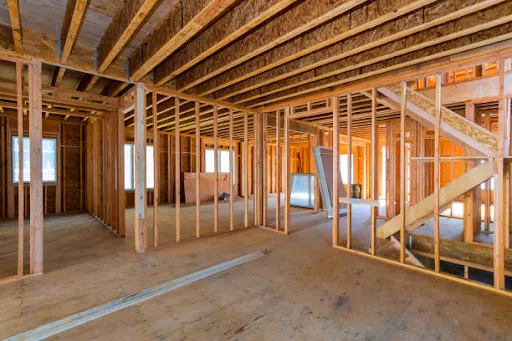
- Walls are framed straight and level
- Outside walls get insulation and a vapour barrier
- Plumbing and electrical pass inspection before drywall goes up
- Radon system is installed if needed
- Drywall, paint, flooring, and trim are done
- You do a walk-through and list any touch-ups
Step 8: After It's Done
- Final inspection is passed
- Smoke alarms work in each bedroom and hallway
- A carbon monoxide alarm is installed if you have gas appliances
- Warranties, manuals, and permits are saved together
- You retest for radon a few months after finishing
A Quick Note From Aim Builders
We help with basement renovations Calgary homeowners plan every year. The smoothest projects are almost always the ones where water, radon, and layout questions were answered early. If you're just starting out, use this list to guide your first conversations with any contractor. And if you have questions about your own Basement Development Calgary plans, we're happy to help.
Frequently Asked Questions
What should I do first when developing a basement?
Decide how you'll use the space and set a budget. Then check for water problems and test for radon before any building starts.
Do I need a permit for basement development in Calgary?
Yes. The City of Calgary requires a building permit. Electrical, plumbing, and gas work may need separate permits.
How long does it take to finish a basement?
Most projects take about six to twelve weeks. Size, design, and inspection timing all play a part.
Does a basement bedroom need a window?
Yes. It needs an egress window big enough for someone to get out in an emergency.
When should I test for radon?
Before you finish the basement. A long-term test of at least three months, done in fall or winter, gives the best result.
How much extra money should I plan for?
Keep about 10 to 15 percent of your budget set aside for surprises.
What does a backwater valve do?
It helps stop sewage from flowing back into your basement when city sewer lines get overloaded, like during heavy rain.
Is basement development the same as renovation?
Not quite. Development means finishing an unfinished basement. Basement renovations Calgary homeowners do usually mean updating a basement that's already finished.
How do I compare quotes for Calgary Basement Renovations?
Look at what each quote includes, not just the price. Check licences, insurance, reviews, and warranties too.
Conclusion
A great basement is built on good planning. Check for water, test for radon, plan your layout, get your permits, and hire a licensed team. Follow the steps in order and you'll avoid most of the problems that turn basement projects into headaches.
Planning your Basement Development Calgary project? Reach out to Aim Builders for a free consultation. We'll walk through this checklist with you and help you figure out the best next step.


















Sign in to leave a comment.