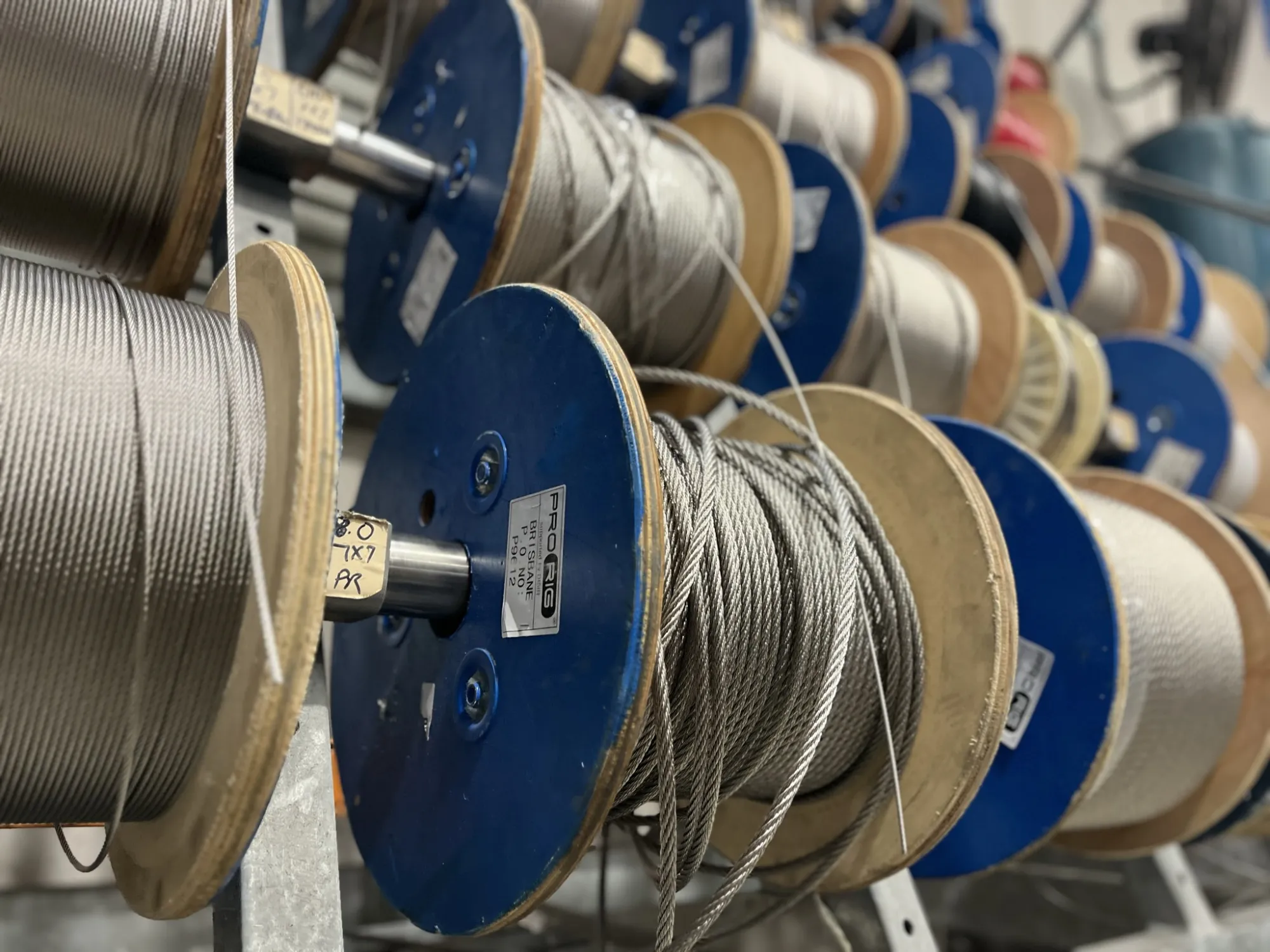

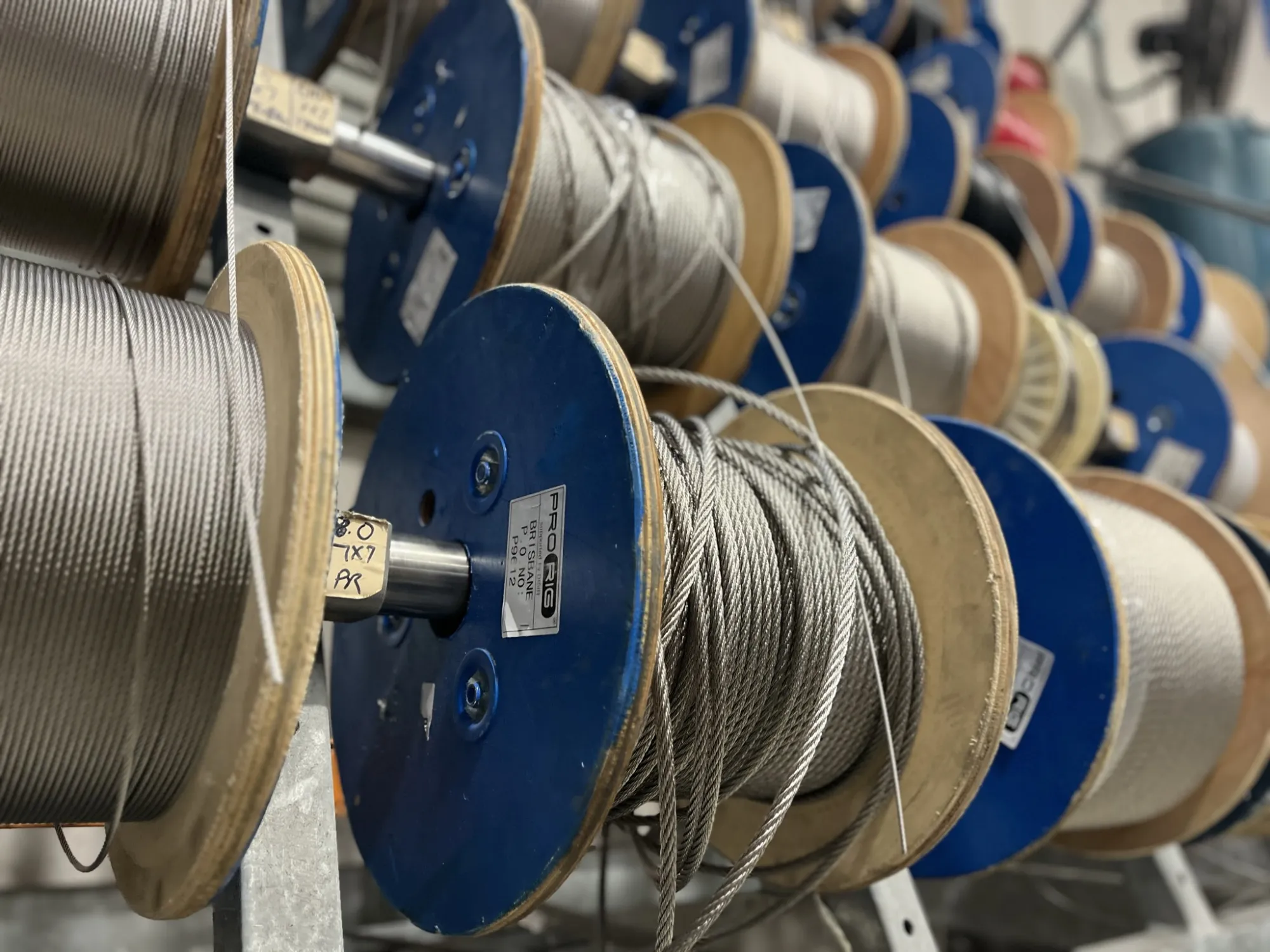
In modern structural engineering, architectural design, and marine rigging, selecting high-tensile hardware is critical for long-term safety, regulatory compliance, and aesthetic elegance. Premium stainless steel wire rope represents an essential component across diverse commercial, residential, and marine projects, offering exceptional strength-to-weight ratios, minimal stretch, and superior resistance to environmental corrosion. Whether designing a modern timber deck balustrade, tensioning heavy-duty shade structures, or engineering vertical green wall trellises, specifying the correct cable construction and alloy chemistry ensures your installation survives harsh weather conditions without losing structural integrity. Sourcing high-specification hardware directly through a certified supplier like Miami Stainless gives builders, riggers, and landscapers access to fully tested, marine-grade cables engineered to pass stringent Australian building standards while providing a pristine visual finish.
Metallurgical Integrity and Strand Constructions of Stainless Steel Wire Rope
Understanding the mechanical behavior of stainless steel wire rope requires examining its underlying strand geometry, alloy composition, and breaking load characteristics. Manufactured predominantly from Grade 316 marine-grade stainless steel an austenitic alloy containing 2% to 3% molybdenum to resist chloride pitting stainless cables are produced in three primary strand configurations: 1x19, 7x7, and 7x19. The rigid 1x19 construction features nineteen heavy single wires wrapped around a core, providing superior breaking strength, minimal elastic elongation, and an ultra-smooth profile ideal for straight architectural balustrade runs; conversely, 7x7 delivers balanced flexibility for general rigging and light winching, while 7x19 provides maximum pliability for continuous bending around pulleys, davits, and dynamic hoisting machinery. Matching the exact strand profile to your structural application prevents fatigue failure, reduces post-installation tension adjustments, and ensures optimal longevity across high-stress environments.
The Strategic Advantage of Partnering with a Dedicated Stainless Steel Supplier
Sourcing structural tensile hardware through a specialized, trade-focused supplier unlocks substantial commercial, operational, and safety benefits compared to purchasing generic retail components. Industry-leading operations maintain rigorous quality assurance protocols, ensuring every batch of stainless cable undergoes destructive testing to verify Minimum Breaking Loads (MBL), dimensional tolerances, and chemical purity. When contractors and specifiers work with an established stainless steel supplier like Miami Stainless, they gain access to extensive warehouse inventory, volume wholesale pricing, custom factory pre-swaging services, and fully documented metallurgical certificates. This direct line of supply eliminates counterfeit material risks, ensures seamless integration between wire spools and matching swage terminals, and significantly reduces costly job-site installation labor through turnkey hardware assemblies.
Broad Architectural, Marine, and Industrial Cable Applications
The incredible structural versatility and sleek aesthetic profile of marine-grade stainless steel cable make it the preferred material choice across a vast spectrum of architectural and industrial trades. From residential timber balconies needing unobstructed panoramic views to heavy industrial safety enclosures, high-tensile wire rope provides reliable load containment with minimal visual impact on the surrounding environment.
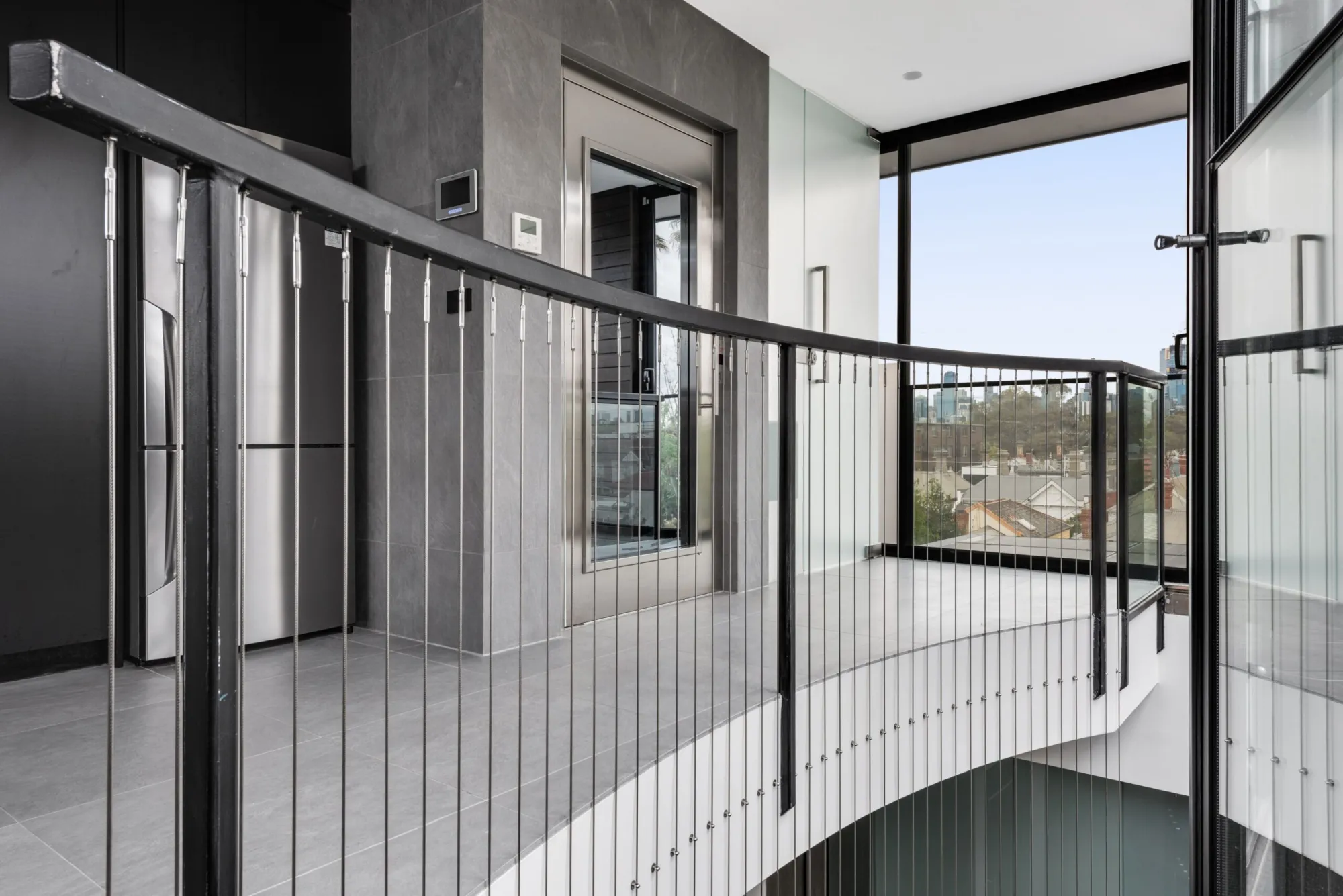
- Architectural Wire Balustrades & Deck Railings: Serves as a low-maintenance, high-tension horizontal infill material providing unobstructed views and child-safe fall prevention across residential decks, verandas, and commercial walkways.
- Marine Rigging & Vessel Guardrails: Provides corrosion-resistant standing rigging, forestays, shrouds, lifeline cables, and mooring tethers capable of enduring continuous saltwater submersion and wind drag.
- Vertical Green Wall Trellises: Acts as a durable, heavy-duty structural framework that supports climbing vegetation, climbing vines, and facade-mounted living walls on modern commercial buildings.
- Shade Sail & Structural Tension Cables: Delivers the immense tensile holding force necessary to perimeter-tension large commercial shade sails and architectural fabric canopies against severe storm loads.
- Industrial Hoisting & Anti-Drop Safety Tethers: Functions as flexible drop-prevention lanyards, crane hoist lines, overhead lighting suspensions, and structural restraint lines in mining, manufacturing, and transport sectors.
Australian Building Codes, Load Tolerances, and Safety Standards
Installing structural wire rope systems in public, commercial, or residential spaces requires strict compliance with the National Construction Code and relevant Australian Standards such as AS 1170.1 and AS 3569 . Regulatory guidelines specify strict physical parameters to ensure public safety, including maximum allowable lateral cable deflection when subjected to force, precise vertical wire spacing to prevent slip-through hazards, and intermediate post spacing restrictions (typically limited to 1.2 meters). Sourcing fully engineered hardware assemblies tested to comply with these statutory requirements guarantees that your cable balustrade or structural canopy easily satisfies certifier inspections while maintaining safe tension levels over decades of continuous operational service.
Hardware Integration, Swaging Methods, and Tensioning Machinery
A structurally sound cable installation relies heavily on selecting compatible swage fittings and using correct mechanical attachment procedures tailored to the supporting substructure. Professional installers utilize either factory hydraulic swaging where stainless steel terminals are cold-forged directly onto the wire rope under tremendous hydraulic pressure to achieve 100% rated breaking strength or portable hand-swaging tools utilizing copper or nickel-plated sleeves for custom field assembly. Pairing 3.2mm or 4.0mm wire rope with precision turnbuckles, streamline swage studs, bottle screws, lag screws, and drop-forged eye bolts allows riggers to achieve millimeter-exact tension alignment across extended cable runs without causing post deflection or thread binding during final tension adjustments.
Proactive Maintenance Protocols to Eliminate Tea Staining and Surface Corrosion
Although Grade 316 stainless steel naturally forms a passive chromium oxide surface film that protects against deep oxidation, environmental contaminants like airborne sea salt, industrial iron dust, and chemical pollutants can cause unsightly surface tea staining if neglected. Implementing a systematic maintenance routine immediately following installation preserves the bright metallic finish and structural health of your wire rope assembly over its lifetime.
- Immediate Post-Installation Passivation Wash: Thoroughly clean newly installed cables and fittings with specialized stainless steel cleaner and warm fresh water to remove fabrication oils and iron particles.
- Routine Fresh-Water Washdowns: Perform regular fresh-water rinses on coastal installations (within 5km of saltwater) to wash away accumulated salt crystals before pitting corrosion can initiate.
- Isolated Tool Management Protocols: Always use dedicated stainless steel wire cutters, drill bits, and swaging dies during assembly to prevent cross-contamination from carbon steel tools.
- Application of Protective Barrier Sealants: Apply surface passivating polishes or specialized protective anti-corrosion sprays to create an impenetrable barrier against coastal humidity and salt spray.
- Scheduled Structural & Tension Inspections: Conduct annual audits on terminal fittings, turnbuckle lock nuts, and swage ends using a calibrated mechanical tension gauge to ensure cables maintain required safety loads.
Conclusion
Investing in high-tensile stainless steel wire rope manufactured to precise metallurgical tolerances is the definitive strategy for building safe, long-lasting, and visually impressive architectural structures, marine rigging, and industrial safety barriers. By partnering with a trusted stainless steel supplier, builders, architects, and contractors gain access to certified marine-grade hardware, expert technical support, and scalable supply chains that ensure every installation complies with national safety codes. To explore an extensive range of Grade 316 wire rope spools, factory pre-swaged wire kits, turnbuckles, and architectural balustrade hardware, visit Miami Stainless today to secure trade-quality hardware for your next project.
Frequently Asked Questions
What is the difference between 1x19, 7x7, and 7x19 stainless steel wire rope?
The main differences lie in flexibility, stretch characteristics, and application suitability. 1x19 consists of 19 heavy single wires and is very rigid with minimal stretch, making it ideal for straight architectural balustrades and standing marine rigging. 7x7 features 7 strands of 7 wires, offering medium flexibility for general rigging, while 7x19 is highly flexible and suitable for winches, pulleys, and complex curved applications.
Why is Grade 316 stainless steel preferred over Grade 304 for wire rope?
Grade 316 contains 2% to 3% molybdenum, an alloying element that significantly enhances resistance to chloride corrosion, coastal salt spray, and pitting compared to Grade 304. Grade 304 is prone to rapid surface tea staining and corrosion when installed outdoors in coastal or humid environments, making Grade 316 essential for lasting outdoor balustrades and marine hardware.
How do I prevent tea staining on outdoor stainless wire rope?
Tea staining is prevented through proper alloy selection (using Grade 316), clean installation techniques (avoiding tools contaminated with carbon steel), and routine maintenance. Washing cables periodically with fresh water to remove salt deposits and applying specialized stainless steel protective polishes keeps the metal bright and corrosion-free.
What is the maximum recommended post spacing for wire balustrade installations?
Under Australian National Construction Code (NCC) standards for residential and commercial wire balustrades, intermediate post spacing should generally not exceed 1.2 meters (1200mm). Keeping post spans within this threshold ensures horizontal cables do not deflect beyond permitted safety limits when lateral force is applied.
Should I choose hydraulic swaging or hand crimping for wire rope fittings?
Hydraulic swaging is recommended for maximum breaking strength, low-profile aesthetics, and structural certification, as the terminal is cold-forged onto the cable under high pressure. Hand crimping using manual tools and copper ferrules is acceptable for light DIY jobs, but factory hydraulic swaging provides a cleaner finish and guarantees 100% of the wire's rated breaking load.

















Sign in to leave a comment.