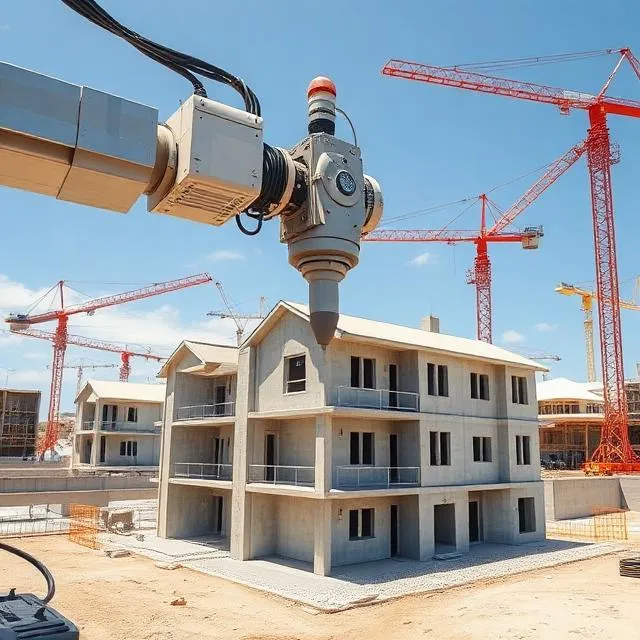

Every few months, a new headline announces a 3D-printed house completed in a matter of days, usually accompanied by a dramatic time-lapse video of a robotic arm extruding layers of concrete into a wall. The framing is almost always the same: 3D printing is about to disrupt construction the way it's disrupted manufacturing. What's less consistently covered is what happens after the demonstration project whether the technology is actually scaling into repeatable, commercially viable construction, or whether it remains concentrated in one-off showcase builds that make for compelling media coverage without representing where most construction is actually heading.
What the Data Actually Shows
Is 3D-printed construction has moved past pure proof-of-concept in a genuine sense completed 3D-printed homes and small commercial structures exist in multiple countries, some are occupied and functioning as normal buildings, and several companies have moved from single demonstration projects to small developments of multiple printed units. That's real progress from where the technology was several years ago.
What hasn't happened at the same pace is the jump from small developments to the scale that would actually move the needle on construction industry output as a whole. The technology remains genuinely well-suited to a specific slice of construction primarily low-rise residential wall structures using concrete or concrete-like materials and considerably less proven for the multi-story, multi-material, code-complex buildings that make up the bulk of commercial and dense urban construction. The printer builds the wall structure; it still doesn't install the roof, run the electrical and plumbing rough-in, or handle finishes, meaning a "3D-printed house" in practice is a house where one structural component was printed and everything else was built the conventional way.
Where 3D Printing Has Found Genuine Traction
Low-rise residential and affordable housing pilots. The clearest commercially viable use case so far is single-story or low-rise residential construction, particularly in contexts where speed and reduced labor requirements offer a genuine cost advantage affordable housing programs and disaster relief housing being two areas where several printed housing pilots have moved beyond one-off demonstrations into small-scale repeatable programs.
Simple geometric forms where printing's strengths align with the design. 3D printing is genuinely efficient at producing curved or complex wall geometries that would be labor-intensive to form conventionally, making it a better fit for architecturally distinctive low-rise structures than for the straightforward rectangular geometry of most conventional buildings, where formwork and conventional framing remain simpler and cheaper.
Markets with acute skilled labor shortages. Regions facing severe shortages of skilled concrete and masonry labor have shown some of the strongest institutional interest in 3D printing specifically because it reduces dependency on skilled trades for the structural shell a genuine value proposition distinct from simple cost or speed comparisons in labor-abundant markets.
Where the Scalability Case Is Still Unproven
Multi-story construction remains largely experimental. The overwhelming majority of commercially completed 3D-printed buildings are one or two stories. Multi-story printed structures exist as demonstration projects, but the structural engineering, printer logistics, and code approval challenges of going taller haven't been solved at a commercial scale the way single-story wall printing has.
The technology addresses only a fraction of total construction cost and time. Printing the wall structure typically represents a modest share of a building's total construction cost and timeline once site work, foundations, MEP rough-in, and finishes are included meaning even a genuinely fast wall-printing process doesn't proportionally compress the overall project timeline as much as the dramatic time-lapse videos suggest.
Code approval remains jurisdiction-specific and slow. Building codes in most jurisdictions weren't written with 3D-printed structural elements in mind, and getting a specific printing process and material approved for structural use in a given jurisdiction is a significant undertaking that has to be repeated market by market, a friction that conventional construction methods, already broadly code-approved everywhere, simply don't face.
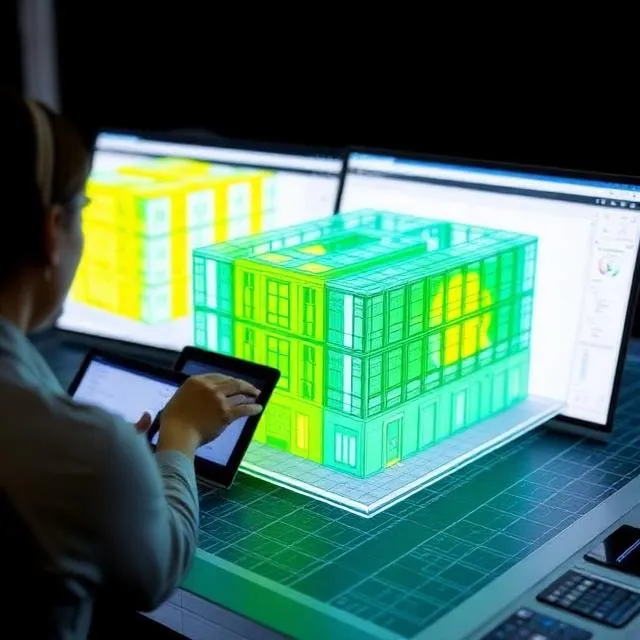
Design integration with BIM workflows is still maturing. For 3D printing to scale beyond boutique projects, print-ready output needs to integrate cleanly with the BIM models architects and engineers are already using for design and coordination, rather than requiring a separate, disconnected design process specific to the printing technology.
BIM modeling services that produce coordinated, accurately dimensioned digital models give project teams exploring 3D-printed construction elements a design foundation that can integrate with print-ready output requirements, rather than treating the printed component's design as disconnected from the rest of the building's coordinated model.
What Would Actually Need to Change for Real Scale
Getting from where 3D-printed construction is today to genuine industry-scale adoption likely requires several things happening together rather than any single breakthrough: multi-story structural engineering and code approval maturing in more jurisdictions, printing processes integrating more seamlessly with full-building MEP and finish workflows rather than addressing only the structural shell, and cost comparisons holding up against conventional construction once realistic total project costs, not just wall-printing time, are compared.
CAD to BIM services that convert design intent into accurate, coordinated digital models give firms evaluating 3D-printed construction methods a reliable design and documentation foundation to build print specifications from, regardless of how quickly the broader technology matures toward wider commercial scale.
Key Statistics
- Completed 3D-printed residential structures worldwide number in the low thousands as of 2026, concentrated overwhelmingly in single-story and low-rise applications
- The large majority of commercially completed 3D-printed buildings are one to two stories; multi-story printed structures remain predominantly demonstration or pilot projects
Wall structure printing typically represents a modest fraction of total project cost and schedule once foundations, MEP, and finishes are included, tempering headline claims about total project time savings
Conclusion
3D-printed construction has genuinely moved past pure novelty it's producing real, occupied buildings and has found authentic traction in low-rise residential and affordable housing applications where its specific strengths align well with the need. But the leap from that genuine niche success to broad industry-scale disruption hasn't happened yet, and the structural, code, and full-building-integration challenges standing in the way of multi-story, general-purpose adoption are substantial enough that treating every demonstration project headline as evidence of imminent industry transformation overstates where the technology actually stands. The more accurate read is a real, growing niche technology, not yet a broad replacement for conventional construction methods.



















Sign in to leave a comment.