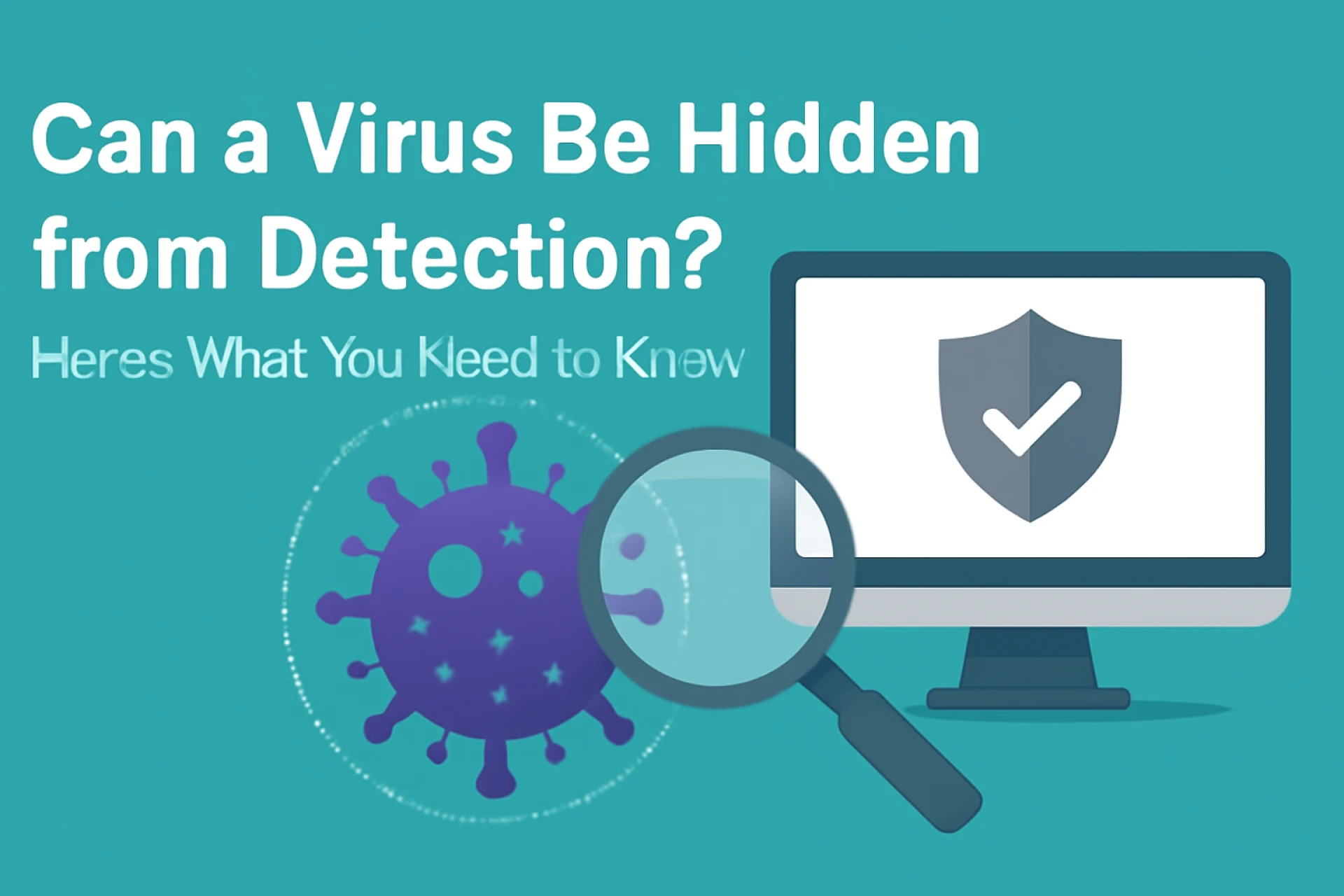

In today's digital age, the threat of viruses and malware looms large, and staying safe online is more important than ever. While antivirus software and security measures continue to evolve, it’s essential to understand that viruses can indeed be hidden from detection. But how exactly do they manage to escape our radar, and what can we do to protect ourselves? In this article, we’ll dive into how viruses can hide from detection and explore ways to stay one step ahead of these digital threats.
1. How Viruses Can Hide from Detection
Viruses and other types of malware are designed to harm or steal from your computer or device. But their complexity is increasing, and this has led to more sophisticated methods of avoiding detection. Here are a few key ways viruses can stay hidden:
- Encryption: Viruses may be encrypted, which makes them unreadable by antivirus programs. Without the correct decryption key, security software can't identify the virus, allowing it to silently infect your system.
- Polymorphism: A polymorphic virus changes its code every time it is executed. This constant change makes it difficult for traditional antivirus software, which relies on known patterns of code, to detect it.
- Rootkits: Rootkits are one of the most dangerous types of malware. These programs are designed to gain root access to your system and can hide themselves from antivirus tools by disguising their presence. They can even manipulate your system to prevent detection.
- Fileless Malware: Unlike traditional malware that relies on files stored on your system, fileless malware resides in the memory and doesn’t leave any traces on your hard drive. This makes it extremely hard for traditional security measures to detect.
2. The Role of Antivirus Software in Virus Detection
Antivirus software plays a critical role in protecting us from malicious software, including viruses. However, it's important to understand that antivirus programs are not foolproof. They often rely on signature-based detection, where known virus signatures are stored in a database, allowing the software to detect these threats quickly. While this method is effective against known viruses, it has limitations.
- Signature-Based Detection: This is the traditional method used by many antivirus tools. It checks files and software against a database of known threats. However, as new malware is created daily, signature-based methods might not be effective against newer or custom-built viruses.
- Heuristic Analysis: Some antivirus programs use heuristic analysis, which involves analyzing the behavior of files and programs for suspicious activities. This can help catch malware that hasn’t yet been identified. However, this approach can also lead to false positives, where legitimate programs are flagged as malware.
- Behavioral Monitoring: Advanced antivirus software uses behavioral monitoring to identify unusual activity on your system. For example, if a program tries to make unauthorized changes to your system settings or files, it may be flagged as malicious. While this can be effective, it’s still not foolproof.
3. How Viruses Adapt to Antivirus Software
Viruses are not static; they evolve as quickly as the tools designed to detect them. As antivirus software becomes more advanced, viruses are designed to adapt to these improvements. Below are some ways viruses can circumvent the protective measures in place:
- Evasion Techniques: As antivirus software becomes more sophisticated, malware developers create viruses that can avoid detection through techniques such as polymorphism or encryption. These strategies can make it extremely challenging for antivirus software to recognize the virus and remove it.
- Time-Based Evasion: Some viruses are programmed to remain dormant for a period of time or activate only under specific conditions. This delays detection and allows the virus to do damage before it’s discovered.
- False Flags: Some viruses can mimic the behavior of legitimate programs, making them harder to distinguish from safe software. This is often done by malware that imitates system files, services, or popular programs to avoid being detected by antivirus software.
4. Why It’s So Important to Regularly Check Virus on Your Device
With the rising sophistication of malware, it's important to be proactive when it comes to virus detection. Regularly checking for viruses on your device can help you catch infections early before they cause irreversible damage. It’s always a good idea to run a scan using your antivirus software regularly to check for any suspicious activity.
Sometimes, viruses can escape detection even with up-to-date antivirus software. This is why you should periodically perform an additional virus check using different security tools or platforms. Using multiple layers of protection helps ensure that your system remains secure, and it’s always better to be cautious.
Additionally, keeping your operating system and all applications updated is crucial for preventing infections. Malware often takes advantage of vulnerabilities in outdated software, so patching your system helps close potential loopholes that viruses could exploit.
5. The Importance of Real-Time Protection
Real-time protection is an essential feature of modern antivirus software. This feature actively monitors your system for any malicious activity, even before a virus can cause harm. Without real-time protection, a virus could infect your device without you knowing it, allowing it to spread undetected.
Many antivirus programs now come with real-time protection that can monitor files and activities as they occur. This adds an extra layer of security, preventing viruses from gaining a foothold in your system.
If you don't already have real-time protection enabled, it’s highly recommended that you do so. This ensures that any potentially malicious activity is flagged and blocked before it can compromise your device.
6. Common Signs That Your Device May Be Infected with a Virus
Even though viruses can hide from detection, there are still some signs that might indicate an infection. If you notice any of the following issues, it’s a good idea to investigate further:
- Slow Performance: If your device starts running slowly or freezing up, it could be due to a virus that’s hogging system resources. Viruses can use your computer’s processing power to carry out their malicious activities, leaving you with a sluggish device.
- Unexpected Pop-ups: Pop-up ads that appear unexpectedly can be a sign that your device is infected with adware or other forms of malware. These pop-ups may also try to trick you into downloading additional malicious software.
- Unusual Network Activity: Viruses often attempt to connect to external servers or other devices, sending out data or receiving instructions. If you notice unusual network activity or a sudden spike in internet traffic, it could be a sign of an infection.
- Changes in Settings or Files: If your system settings are being altered without your permission, or if files are disappearing, it may indicate that a virus is tampering with your system. Additionally, you might notice new, unknown programs or files appearing on your device.
7. Prevention: Steps You Can Take to Protect Yourself
While it’s impossible to be completely immune to viruses, there are several steps you can take to protect your devices and reduce the risk of infection:
- Install Trusted Security Software: Always use reputable antivirus software and enable real-time protection. Keep the software up to date to ensure it can detect the latest threats.
- Keep Your System Updated: Software vulnerabilities are one of the primary ways malware infiltrates your system. Regularly updating your operating system, applications, and browser plugins helps patch any security holes that hackers might exploit.
- Be Cautious with Email and Downloads: Many viruses are spread through email attachments and downloaded files. Be wary of unsolicited messages, especially those with attachments or links, and always scan any downloaded files with antivirus software before opening them.
- Use Strong Passwords: A strong password is one of the easiest ways to protect your accounts and devices. Avoid using simple or commonly guessed passwords and enable two-factor authentication whenever possible.
8. Conclusion
Viruses can indeed be hidden from detection, and the methods used to avoid detection are becoming increasingly sophisticated. While antivirus software and security measures are essential, they aren’t foolproof. Staying proactive and being aware of the signs of infection is key to minimizing the risk of malware. Regularly scanning for viruses and employing a layered security approach will help you stay ahead of potential threats.
For extra peace of mind, remember to check virus regularly to ensure that your system remains free of any malicious software.
For more information on virus detection and prevention, visit https://phishs.com/.






























Sign in to leave a comment.