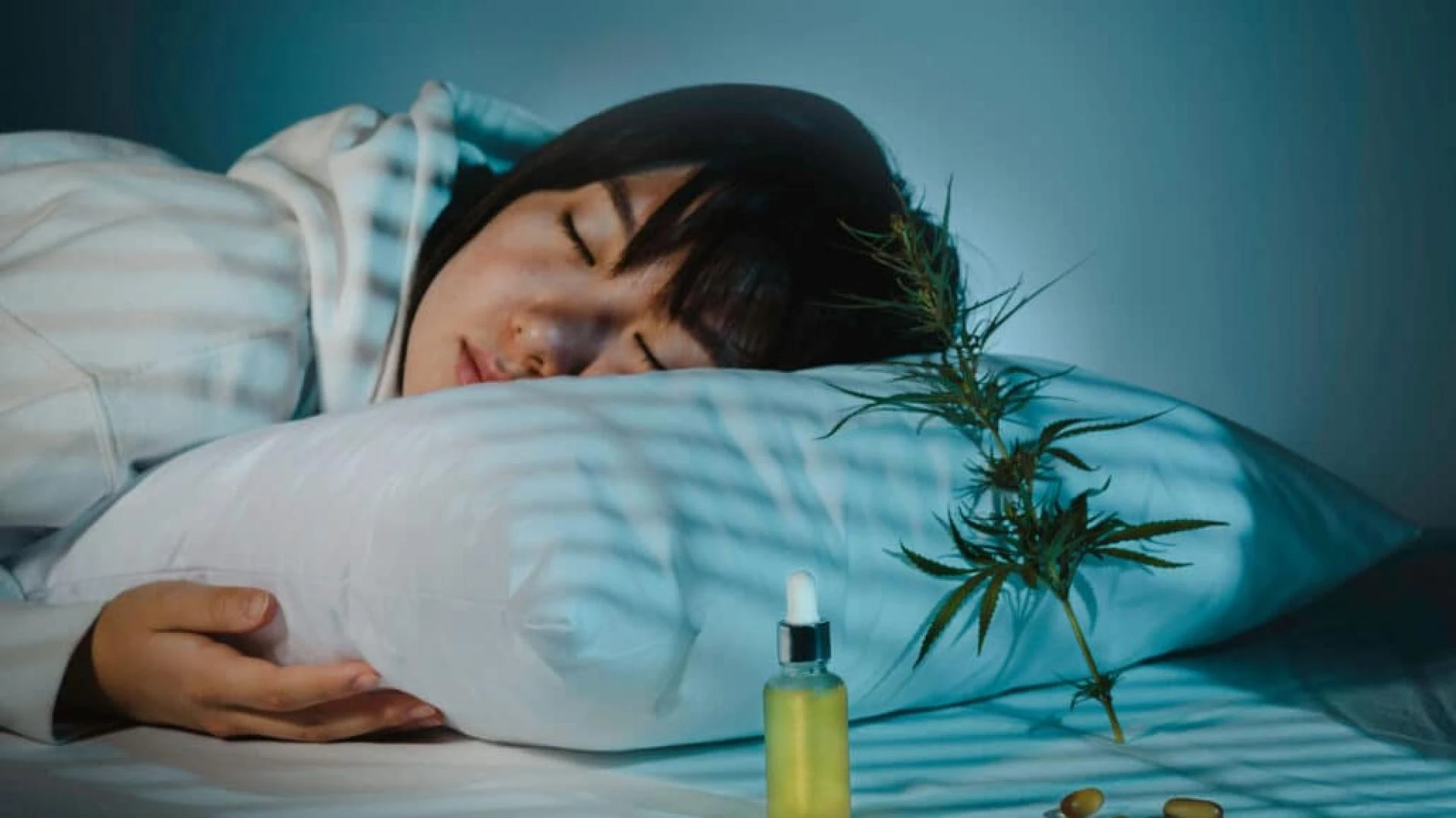

Sleep is essential for physical health, mental clarity, and emotional balance. Yet millions of people struggle with falling asleep, staying asleep, or waking up feeling unrested. As interest in natural remedies grows, many are turning to cannabis as a potential sleep aid. But does cannabis really help with sleep? Here’s what current research says — along with practical guidance for safe and informed use.
Why Sleep Problems Are So Common
Insomnia and other sleep disturbances can stem from stress, anxiety, chronic pain, medications, or underlying health conditions. Poor sleep doesn’t just cause fatigue — it can increase the risk of heart disease, depression, weakened immunity, and reduced cognitive performance.
Traditional sleep medications may help in the short term, but some people experience side effects like grogginess, dependency, or disrupted sleep cycles. This has led to growing curiosity about cannabis as an alternative option.
How Cannabis Affects Sleep
Cannabis works by interacting with the body’s endocannabinoid system (ECS) — a complex network that helps regulate mood, appetite, pain, and sleep. The ECS includes receptors called CB1 and CB2, which respond to compounds found in cannabis known as cannabinoids.
The two most well-known cannabinoids are:
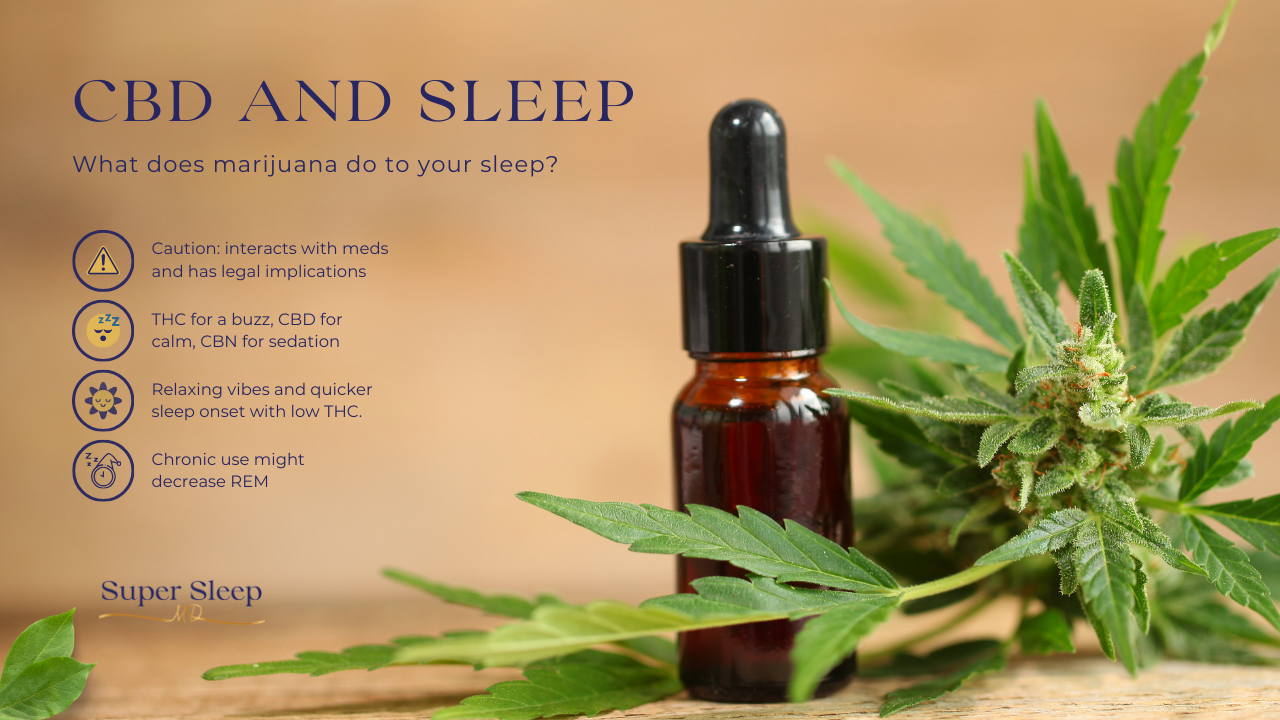
THC (Tetrahydrocannabinol)
- The psychoactive compound in cannabis.
- May reduce the time it takes to fall asleep (sleep latency).
- Can promote relaxation and sedation.
- May suppress REM sleep, which could reduce nightmares but also alter natural sleep cycles.
CBD (Cannabidiol)
- Non-intoxicating compound.
- May reduce anxiety that interferes with sleep.
- Effects vary by dose — lower doses can be mildly alerting, while higher doses may promote calmness.
What the Research Says
Scientific research into cannabis and sleep is still developing, but here’s what current studies suggest:
1. Falling Asleep Faster
Some studies indicate that THC may shorten sleep latency, helping people fall asleep more quickly — particularly those dealing with chronic pain or anxiety.
2. Improved Sleep in Chronic Pain Patients
Individuals experiencing chronic pain often report improved sleep when using cannabis. Pain reduction may indirectly lead to better sleep quality.
3. PTSD and Nightmares
Research suggests cannabis may reduce REM sleep and decrease the frequency of trauma-related nightmares in individuals with PTSD. However, long-term effects remain under investigation.
4. Tolerance and Dependency
Regular use of high-THC products may lead to tolerance, meaning larger amounts are needed to achieve the same effect. Abrupt discontinuation after long-term use can sometimes cause temporary sleep disturbances.
Overall, research shows promising short-term benefits, but more long-term clinical studies are needed.
Which Cannabis Products Are Best for Sleep?
If you’re considering cannabis for sleep, product type and strain matter.
Indica vs. Sativa
Indica-dominant strains are often associated with relaxation and body-heavy effects, making them popular for nighttime use. Sativa strains may be more stimulating and better suited for daytime.
Product Options
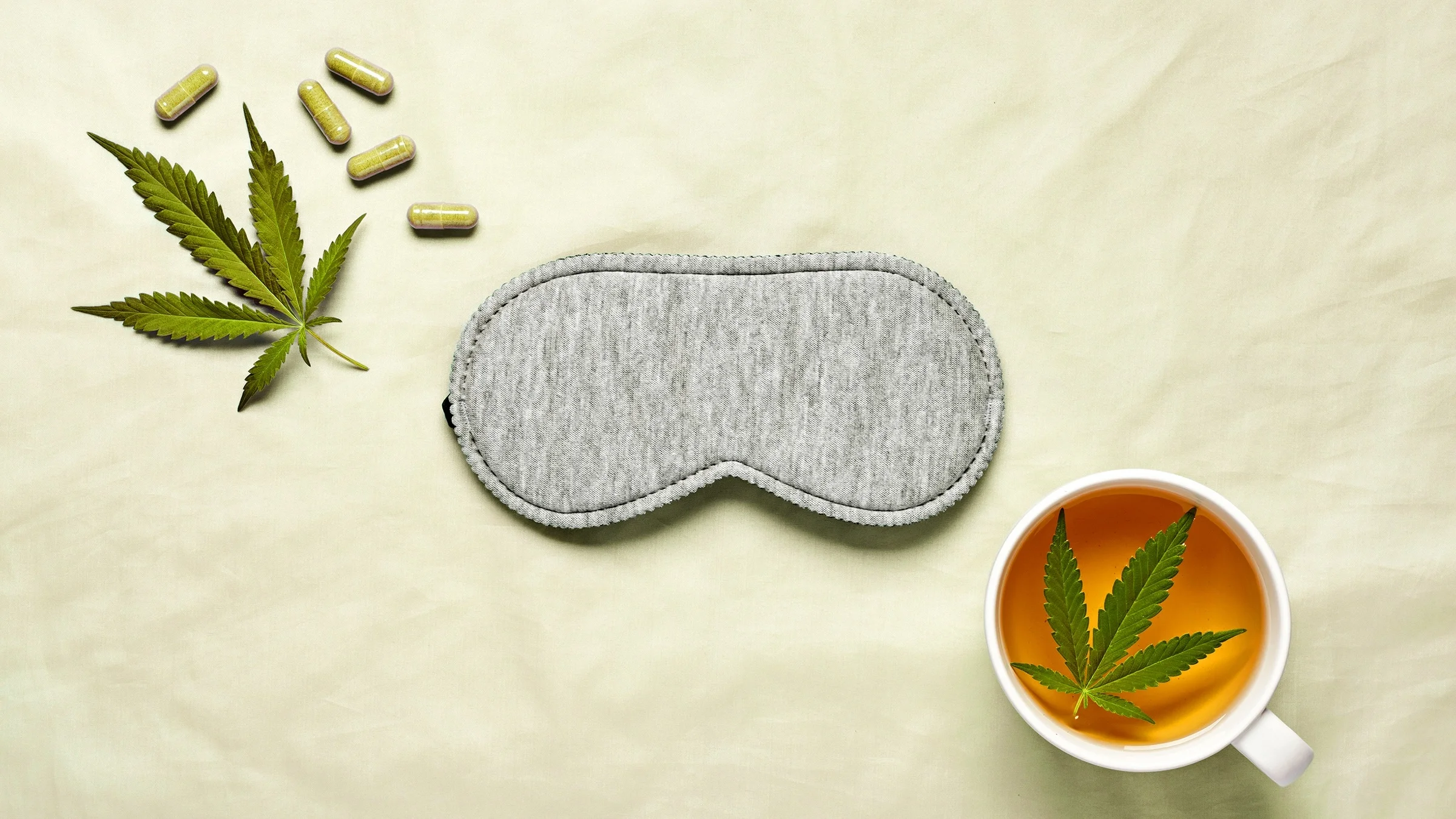
- Edibles: Long-lasting effects (6–8 hours), but slower onset (30–90 minutes).
- Tinctures: Allow more precise dosing and moderate onset time.
- Flower: Fast-acting, but shorter duration.
- Capsules: Convenient and consistent dosing.
When selecting products, it’s important to purchase from a licensed Cannabis dispensary to ensure quality, lab-tested products with accurate labeling.
How to Use Cannabis for Sleep Safely
If you decide to try cannabis for sleep, follow these guidelines:
- Start low and go slow. Begin with a low dose, especially with THC.
- Be mindful of timing. Edibles should be taken 1–2 hours before bed.
- Avoid mixing with alcohol.
- Track your response. Keep a sleep journal to monitor improvements or side effects.
- Consult a healthcare professional if you have existing medical conditions or take prescription medications.
A knowledgeable team at a reputable cannabis store can also help guide you toward suitable products based on your needs.
Choosing the Right Dispensary
Product quality and professional guidance matter. Purchasing from a licensed cannabis store ensures that products are regulated, lab-tested, and accurately labeled.
If you’re searching for a trusted dispensary in Riverview, consider visiting Bowz Cannabis, where trained staff can explain THC-to-CBD ratios, dosing options, and product formats tailored for sleep support. A reputable Cannabis dispensary will prioritize safety, education, and compliance with local regulations — giving you peace of mind along with your purchase.
Who Should Be Cautious?
Cannabis may not be suitable for everyone. Individuals who should consult a healthcare provider before use include:
- Pregnant or breastfeeding individuals
- People with a history of substance use disorder
- Those prone to THC-induced anxiety or paranoia
- Individuals with certain mental health conditions
Responsible use is essential, especially when using cannabis for health-related purposes.
Final Verdict: Does Cannabis Help with Sleep?
Current research suggests cannabis may help some individuals fall asleep faster, reduce pain-related sleep disruptions, and ease anxiety that interferes with rest. However, long-term effects and optimal dosing strategies are still being studied.
For many adults, cannabis can be a helpful short-term sleep aid when used responsibly and purchased from a licensed Cannabis dispensary. If you’re exploring options, speaking with professionals at a reputable cannabis store — such as Bowz Cannabis or another trusted dispensary in Riverview — can help you make an informed decision.
As with any wellness tool, the key is moderation, awareness, and choosing high-quality products tailored to your specific sleep needs.





























Sign in to leave a comment.